Cooling system failure / overheating
high- Typically appears
- Any mileage — age-related on a 25+ year old truck
- Estimated repair
- $400 – $2,500
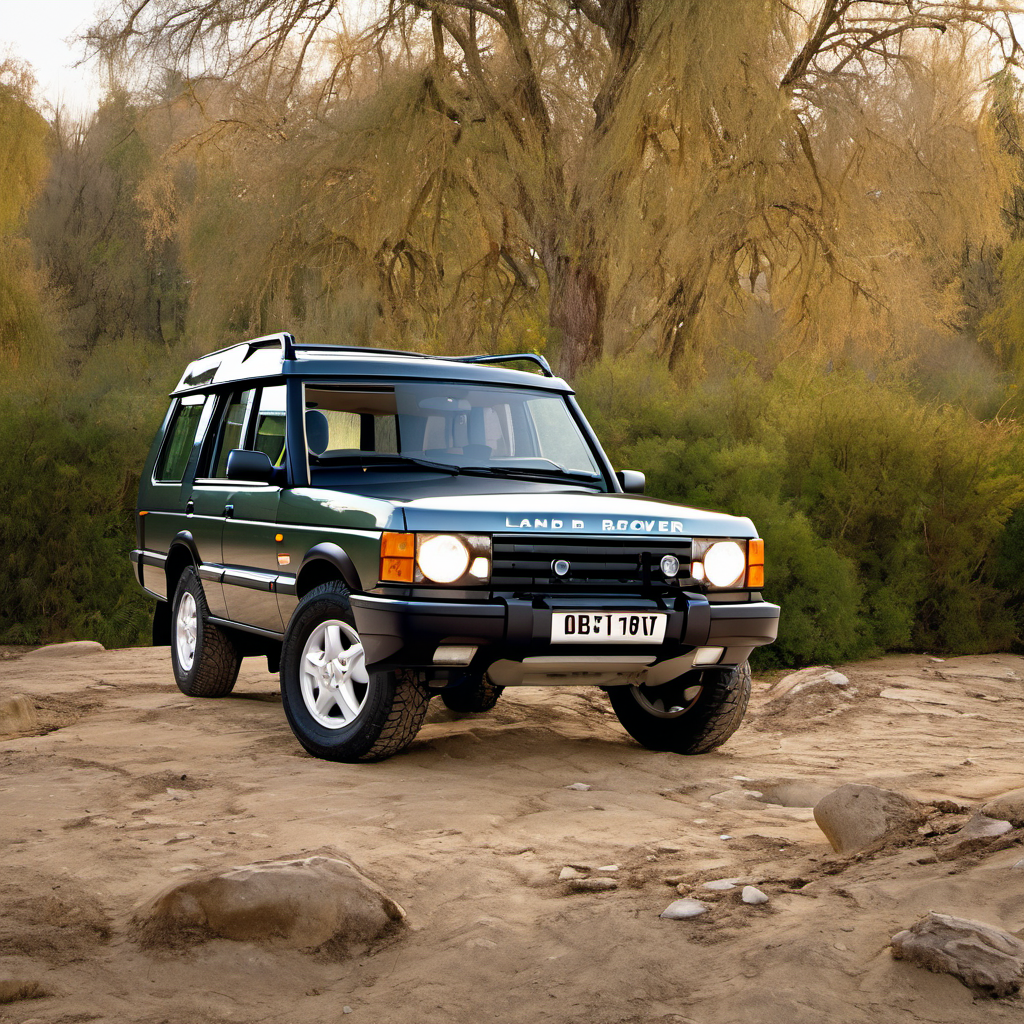
1997 Land Rover
SUV
The 1997 Land Rover Discovery is a mid-size body-on-frame SUV built on Land Rover's proven coil-sprung chassis. Powered by a 4.0L Rover V8 (an aluminum-block derivative of the Buick 215), it was one of the more capable off-road vehicles you could buy at this price point in the late 1990s — but that capability came with a significant ownership tax in the form of complexity, age-related failures, and parts costs that can shock first-time buyers. By 1997, the Discovery Series I was in its final U.S. model year before the Series II arrived. The truck has genuine off-road hardware: a two-speed transfer case, long-travel coil suspension at all four corners, and solid front and rear axles. It seats seven with the optional rear-facing jump seats. In period, it competed directly with the Toyota 4Runner and Jeep Grand Cherokee, though it positioned itself as a more premium, British alternative. Owning one of these today means accepting that you are maintaining a 25+ year old specialty import. Parts availability has thinned, specialist knowledge is required for many repairs, and the electrical and cooling systems demand consistent attention. This truck is best suited to a mechanically savvy owner or one with a trusted specialist shop — not a daily driver for someone who needs reliable, low-hassle transportation.
The 1997 Land Rover Discovery is a mid-size body-on-frame SUV built on Land Rover's proven coil-sprung chassis. Powered by a 4.0L Rover V8 (an aluminum-block derivative of the Buick 215), it was one of the more capable off-road vehicles you could buy at this price point in the late 1990s — but that capability came with a significant ownership tax in the form of complexity, age-related failures, and parts costs that can shock first-time buyers. By 1997, the Discovery Series I was in its final U.S. model year before the Series II arrived. The truck has genuine off-road hardware: a two-speed transfer case, long-travel coil suspension at all four corners, and solid front and rear axles. It seats seven with the optional rear-facing jump seats. In period, it competed directly with the Toyota 4Runner and Jeep Grand Cherokee, though it positioned itself as a more premium, British alternative. Owning one of these today means accepting that you are maintaining a 25+ year old specialty import. Parts availability has thinned, specialist knowledge is required for many repairs, and the electrical and cooling systems demand consistent attention. This truck is best suited to a mechanically savvy owner or one with a trusted specialist shop — not a daily driver for someone who needs reliable, low-hassle transportation.
Overheating is the #1 killer of the aluminum Rover V8. Hoses and clamps on a 25+ year old truck harden and fail without warning. This is the most important maintenance item on this vehicle.
The aluminum V8 is sensitive to oil quality and level. Check the level at every fill-up — these engines can consume oil, and running low accelerates wear significantly.
The four-wheel-drive hardware is this truck's greatest asset. Fresh gear oil prevents wear and helps identify leaks early. Neglected fluids lead to costly differential rebuilds.
The Rover V8 uses a distributor-based ignition. Worn ignition components cause misfires and rough running. At this age, wires and cap should be inspected annually regardless of mileage.
Wisconsin road salt is extremely aggressive. Brake line and fuel line rust is a safety and reliability issue that is far cheaper to address early than after a failure.
Corrosion on connectors is the root cause of most electrical gremlins on this truck. Cleaning and dielectric-greasing connections prevents cascading electrical faults.
Brake fluid absorbs moisture over time, lowering the boiling point and accelerating internal corrosion in calipers and wheel cylinders — a real concern on an aging British 4x4.
The Rover V8 uses a timing chain. While generally durable, worn tensioners on high-mileage examples can cause chain slap and eventual timing failure. Catching wear early avoids a major engine repair.
Always defer to the manufacturer's service manual for warranty-mandated intervals.
Budget generously. A well-maintained Discovery with no deferred repairs might cost $1,200–$2,000/year in routine maintenance. A neglected one or one that suffers a cooling system failure can easily run $3,000–$6,000+ in a single year. Parts availability is shrinking, and labor rates at shops with Land Rover experience are higher than for domestic trucks. Fuel economy is poor by any modern standard — factor in premium fuel costs. This truck is economical to own only if you are mechanically capable yourself or find a specialist shop that keeps labor costs reasonable.
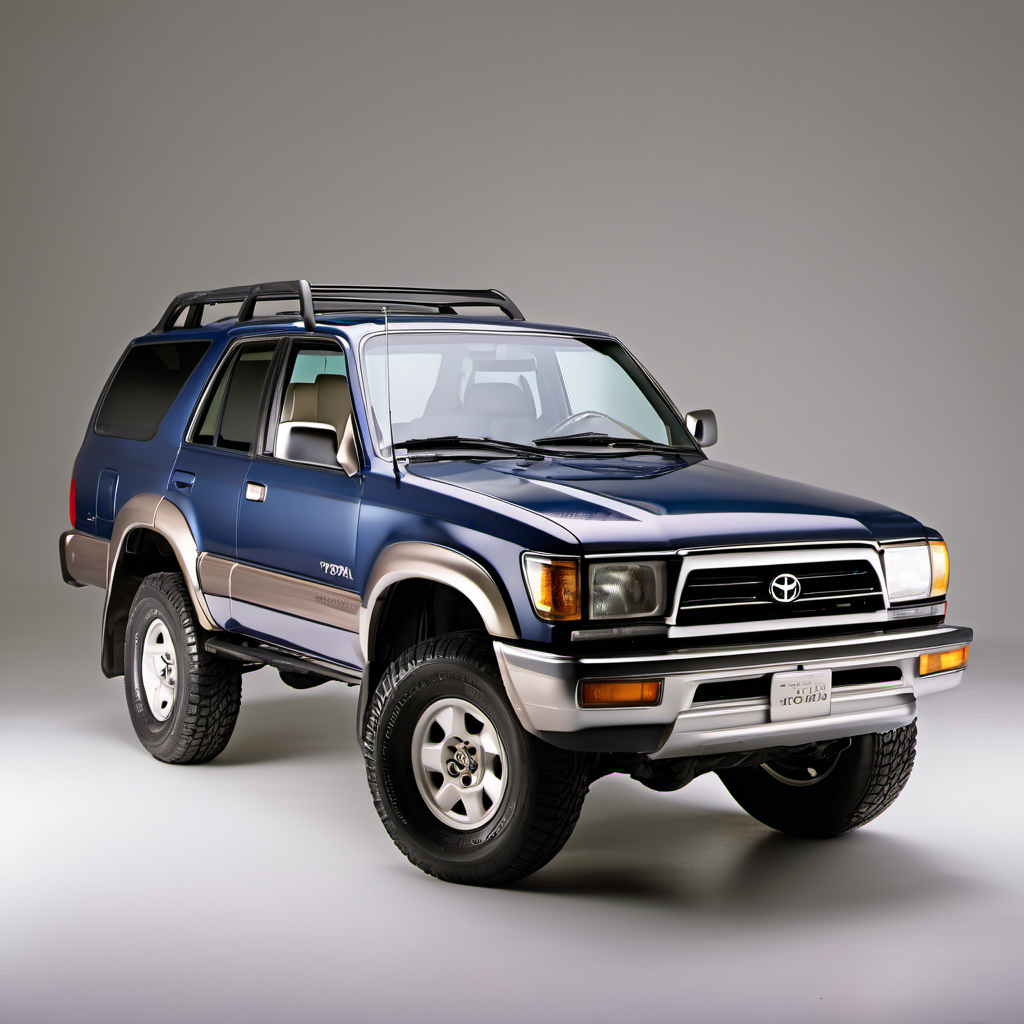
Same segment, similar price used today, far superior long-term reliability, comparable off-road capability. The 4Runner is a strong alternative for buyers who want capable off-road hardware without the Discovery's ownership complexity.
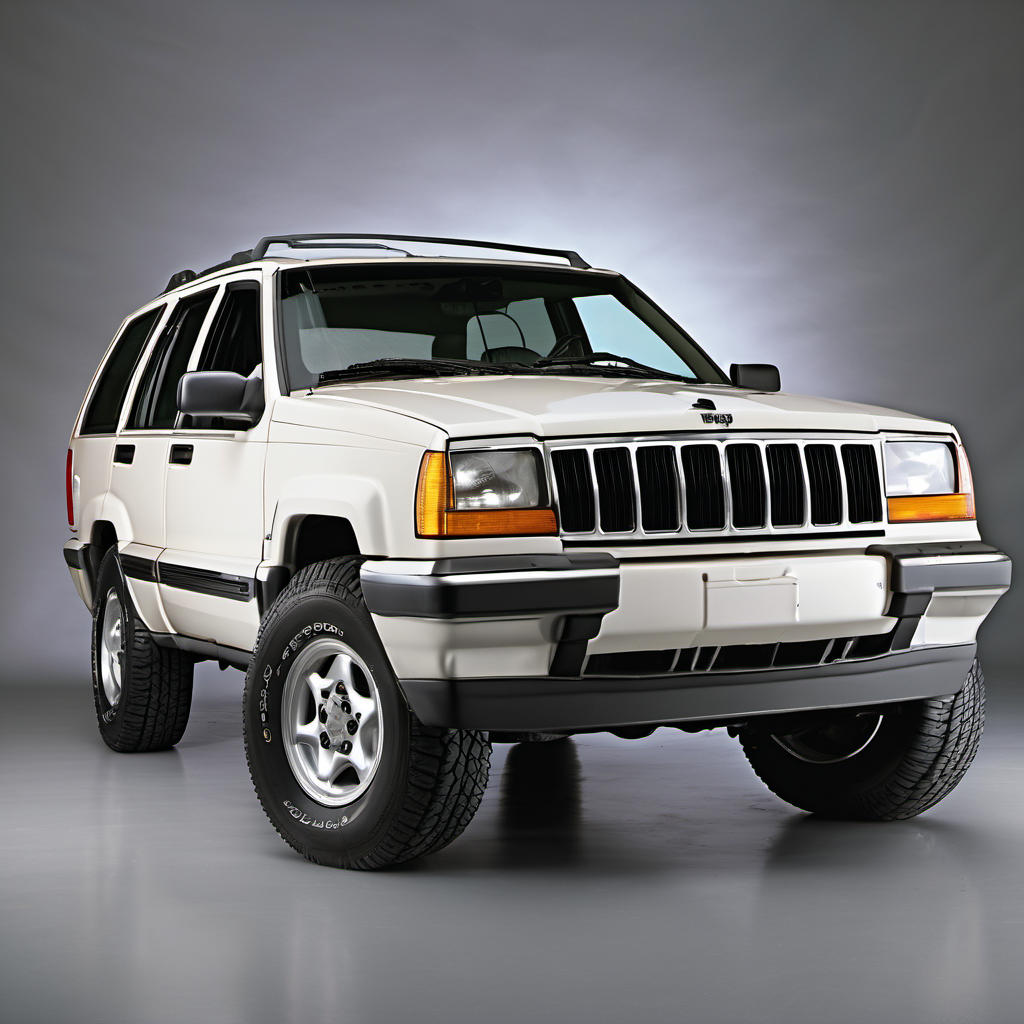
Body-on-frame competitor in the same era with a similar V8 powertrain option. More domestic parts availability and lower specialist labor costs, though it has its own reliability quirks.
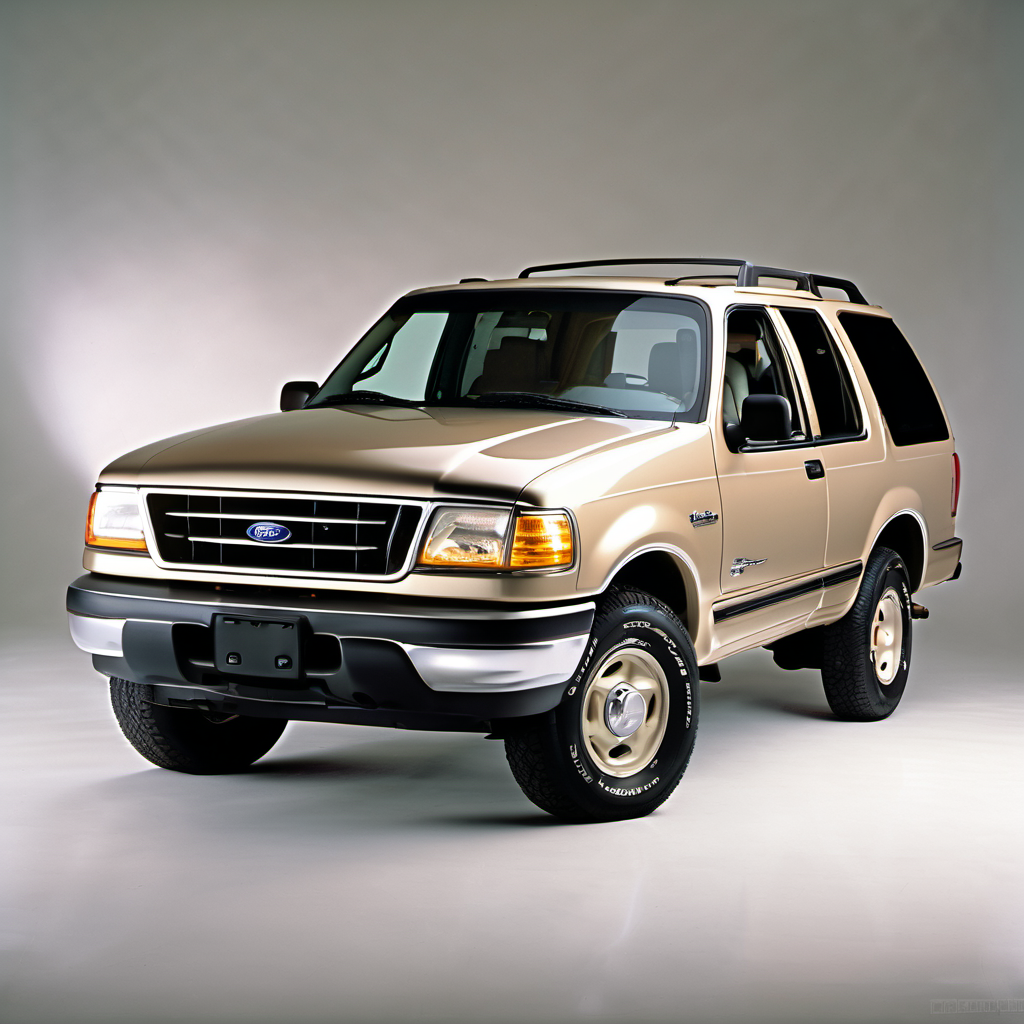
More affordable entry point, widely available parts and service, similar 7-passenger capacity in 4-door form. Less off-road capable but far lower ownership cost and simpler maintenance.
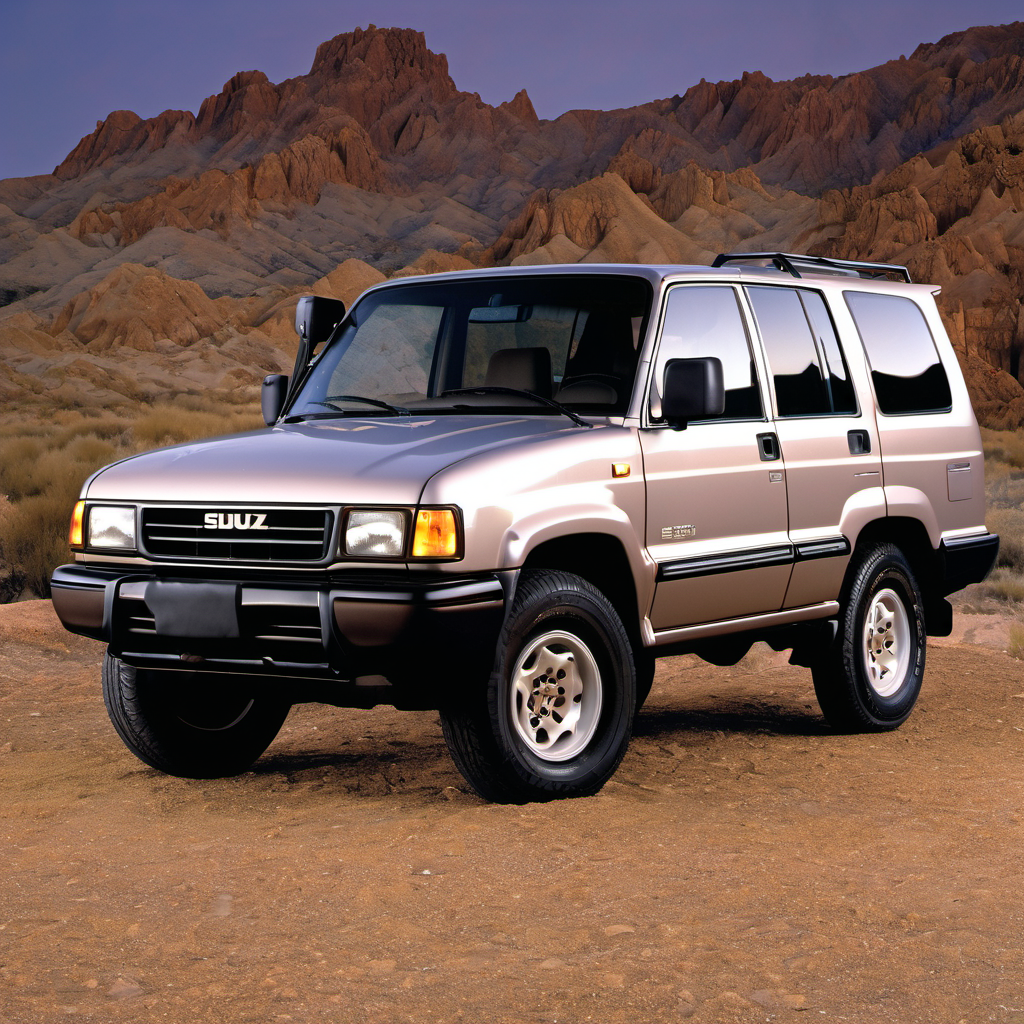
A less common but comparably capable body-on-frame import SUV from the same era. Known for solid mechanicals and better reliability than the Discovery, with lower parts costs.