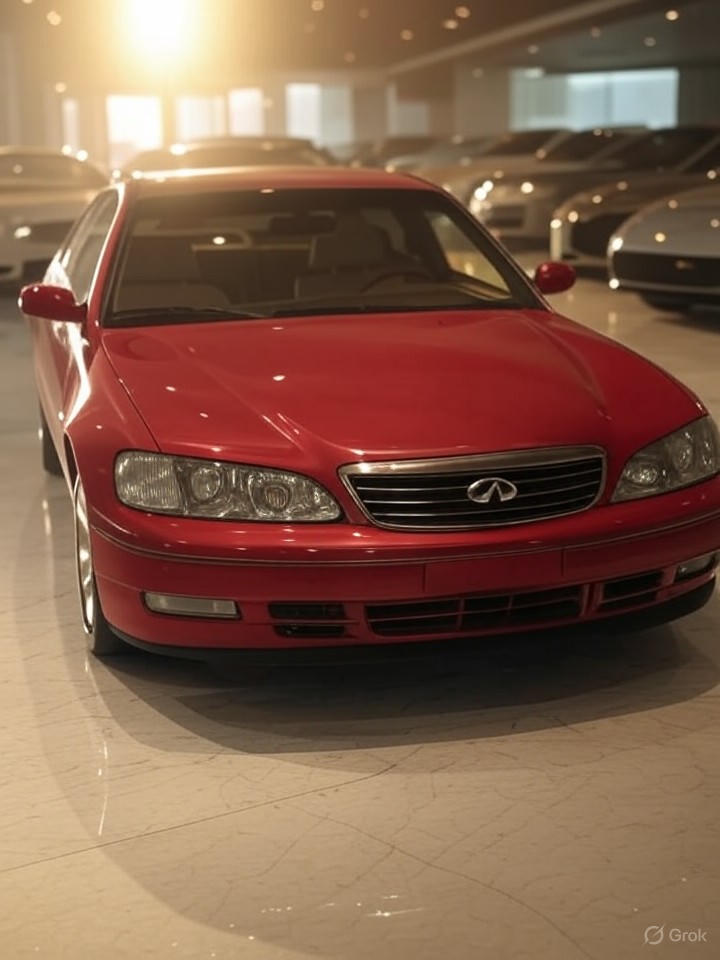
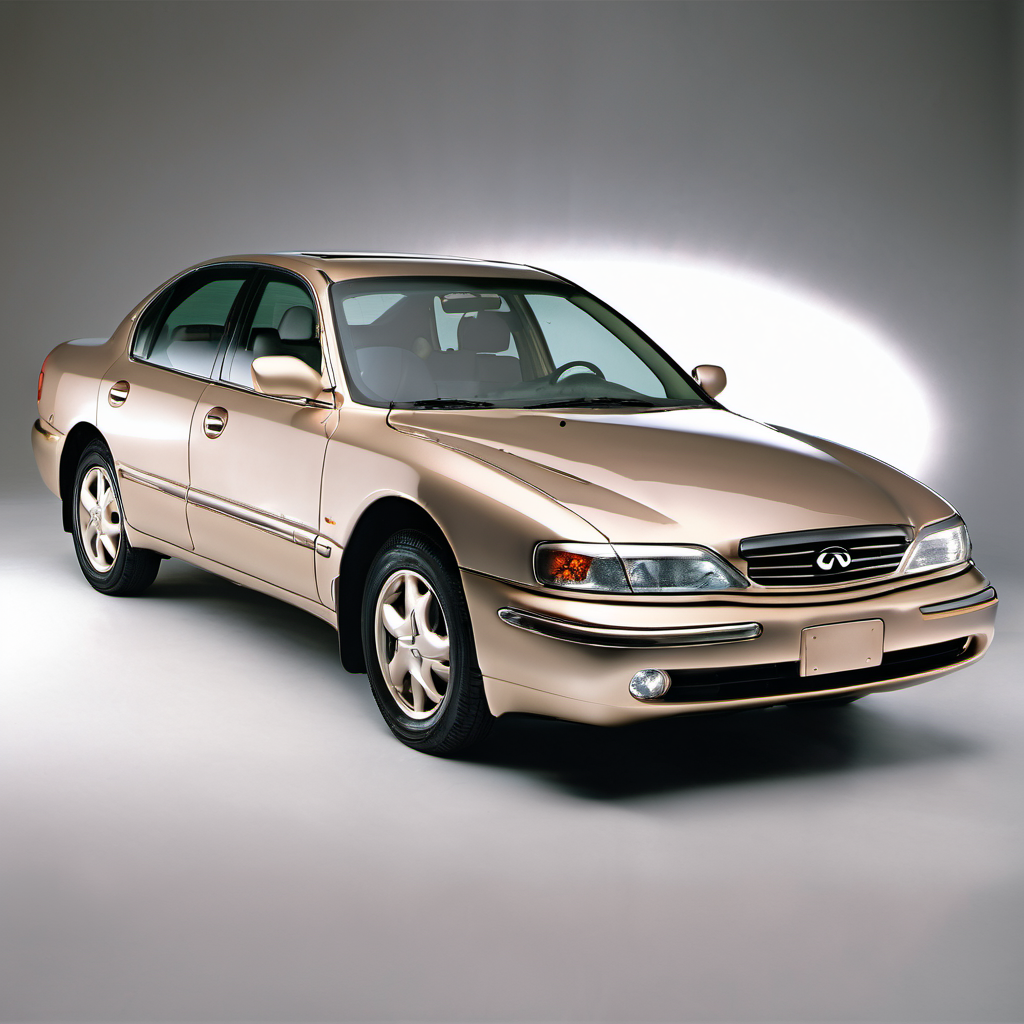
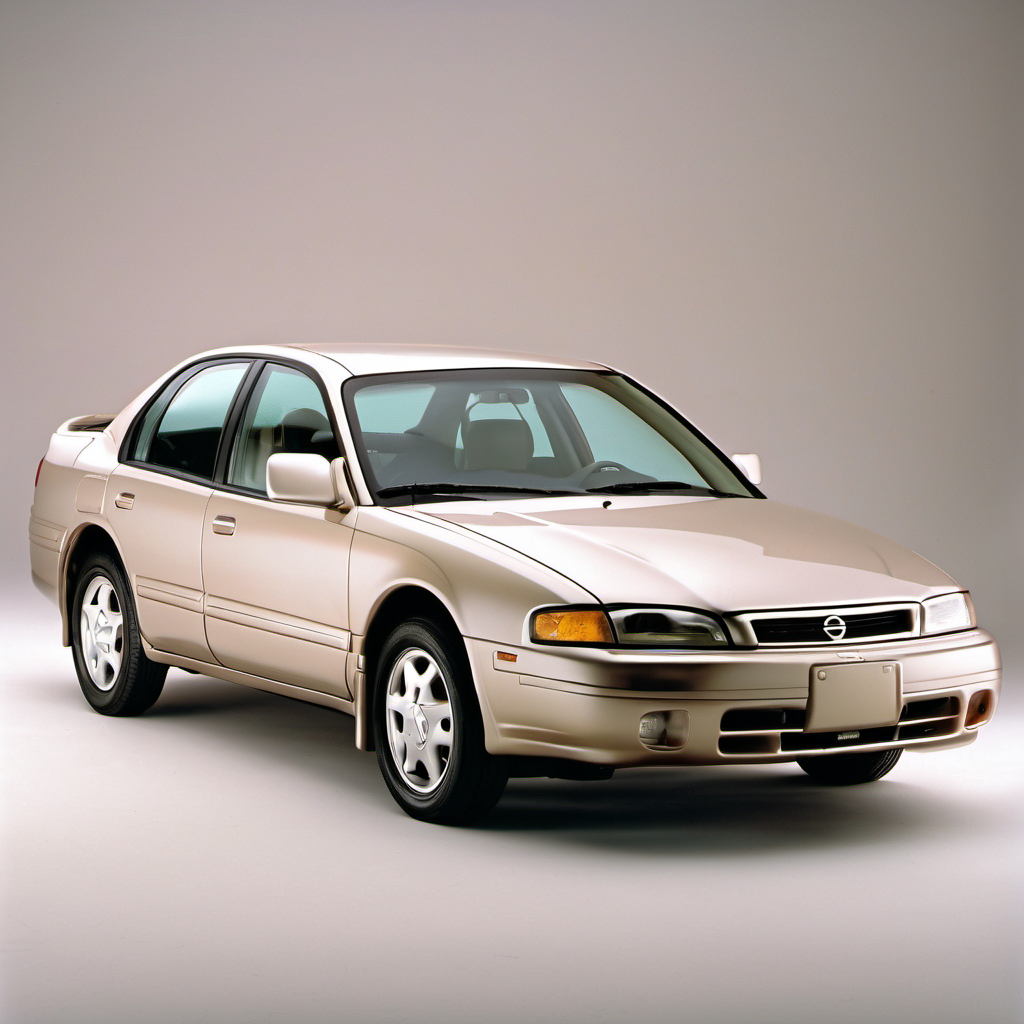
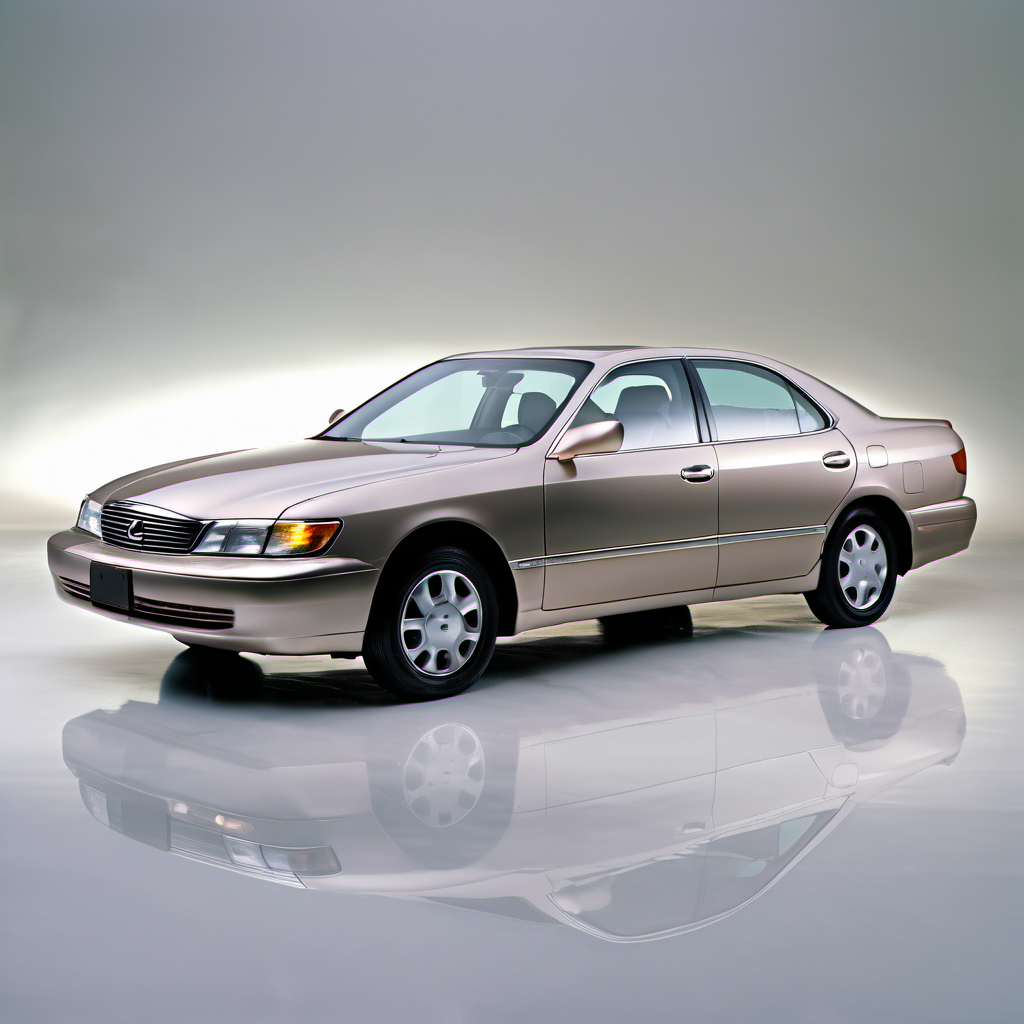
1997 INFINITI J Sedan

1997 INFINITI

JSedan

3.0L V6 (VG30DE) · Sedan

The 1997 Infiniti J30 is a rear-wheel-drive luxury sport sedan built on Nissan's Y32 platform, sharing its bones with the Nissan Leopard sold in Japan. Powered by a 3.0L V6, it was positioned as a sporty alternative to the more popular Infiniti I30, offering a driver-focused character with a lower, sleeker roofline and Nissan's proven VG30DE engine. The J30 was the final model year of its generation — Infiniti discontinued the J-series after 1997, making parts increasingly scarce. It was never a high-volume seller in the U.S., which means independent repair shops may need to source components from specialty suppliers or salvage yards. That said, the mechanicals are shared with other Nissan/Infiniti products of the era, which helps. At nearly 30 years old, any surviving J30 is a niche classic. Ownership is rewarding for enthusiasts who appreciate its styling and RWD dynamics, but demanding in terms of parts availability and the age-related maintenance backlog most examples will carry.

Reliability
3/5
Verified data
Engine
3.0L V6 (VG30DE)
Drivetrain
RWD
Fuel
Gasoline
MPG
17 city / 23 hwy / 19 combined
Seats
5
Doors
4
Body
Sedan
MSRP
$35,000

Overview

AI-curated

The 1997 Infiniti J30 is a rear-wheel-drive luxury sport sedan built on Nissan's Y32 platform, sharing its bones with the Nissan Leopard sold in Japan. Powered by a 3.0L V6, it was positioned as a sporty alternative to the more popular Infiniti I30, offering a driver-focused character with a lower, sleeker roofline and Nissan's proven VG30DE engine. The J30 was the final model year of its generation — Infiniti discontinued the J-series after 1997, making parts increasingly scarce. It was never a high-volume seller in the U.S., which means independent repair shops may need to source components from specialty suppliers or salvage yards. That said, the mechanicals are shared with other Nissan/Infiniti products of the era, which helps. At nearly 30 years old, any surviving J30 is a niche classic. Ownership is rewarding for enthusiasts who appreciate its styling and RWD dynamics, but demanding in terms of parts availability and the age-related maintenance backlog most examples will carry.

Known for
  • Distinctive rounded 'jellybean' styling — polarizing but memorable
  • Rear-wheel drive with well-balanced handling for a mid-90s luxury sedan
  • Nissan VG30DE V6 — a proven, durable engine shared across multiple platforms
  • Upscale interior with Bose audio and power-adjustable everything as standard
  • Low U.S. sales volume making it a rare find today
Best for
  • Enthusiasts who want an affordable, unusual RWD luxury sedan
  • Nissan/Infiniti hobbyists comfortable sourcing their own parts
  • Light weekend driving and car shows, not daily commuting reliance
  • Buyers who already own another daily driver
Watch for
  • Parts scarcity — many body, trim, and electronics components are dealer-discontinued
  • Age-related rust, especially in Wisconsin salt environments
  • High-mileage timing belt neglect — the VG30DE is an interference engine
  • Deteriorated rubber: bushings, hoses, seals, and weatherstripping all suffer with age
  • Deferred maintenance is nearly universal on survivors at this age

Common issues by mileage

6 known

Timing Belt Failure (Interference Engine)

high
Typically appears
60–200k mi (age-based regardless of mileage)
Estimated repair
$400 – $750

Power Window Regulator and Motor Failure

high
Typically appears
80k+ mi / any age
Estimated repair
$150 – $350

Cooling System Deterioration (Hoses, Thermostat, Radiator)

high
Typically appears
Any — age-related on all survivors
Estimated repair
$200 – $700

Suspension Bushing and Ball Joint Wear

high
Typically appears
100k+ mi / any age
Estimated repair
$300 – $900

Maintenance schedule

  1. 1
    Immediately upon purchase if history is unknown Replace timing belt, water pump, and all drive belts

    VG30DE is an interference engine — belt failure means engine destruction. At this age, assume the belt is overdue regardless of mileage.

  2. 2
    Every 3,000–5,000 mi or annually Oil and filter change using a quality 5W-30 conventional or synthetic

    The VG30DE's longevity depends heavily on consistent oil changes. Sludge buildup from neglect is a leading cause of premature wear on this engine.

  3. 3
    Immediately and every 2 years thereafter Full coolant flush and hose/clamp inspection

    Rubber hoses are ~30 years old. A blown hose in a Wisconsin winter is a breakdown waiting to happen. Use Nissan-spec green coolant at a 50/50 mix for freeze protection to -34°F.

  4. 4
    Every 30,000 mi or at purchase Inspect and replace spark plugs and ignition wires

    Original-spec plugs and wires degrade over time, causing misfires and rough idle on the V6.

  5. 5
    Annually — before winter Inspect and lubricate all door, trunk, and hood weatherstripping; treat rubber seals

    Wisconsin freeze-thaw cycles destroy aging rubber. Prevent doors from freezing shut and water intrusion into the cabin.

  6. 6
    Every 2 years or as needed Brake fluid flush

    Brake fluid absorbs moisture over time, lowering boiling point and promoting caliper and ABS hardware corrosion — accelerated by road salt exposure.

  7. 7
    Annually — before winter Undercarriage inspection and rust treatment

    Wisconsin road salt is brutal on a 28-year-old unibody. Check subframe, floor pans, brake lines, and fuel lines for corrosion each fall.

  8. 8
    Every 30,000 mi Transmission fluid change (not flush)

    The 4-speed automatic is durable but sensitive to dirty fluid. Drain-and-fill with Nissan Matic fluid spec to preserve valve body function.

Always defer to the manufacturer's service manual for warranty-mandated intervals.

Cost of ownership

Annual maintenance
$800 – $2,500
Fuel
Midgrade (89 octane) recommended; roughly $2,000–$2,800/yr at typical Wisconsin driving distances based on ~19 MPG combined
Insurance
Generally low — antique/classic car policies may apply given the vehicle's age; expect $400–$900/yr for limited-use coverage

On paper this is a cheap car to own — purchase prices are low and insurance is minimal. The real cost is maintenance: a 28-year-old luxury sedan with low parts availability will always have something needing attention. Budget on the higher end of the maintenance range if the service history is unknown, and assume a catch-up bill of $1,500–$3,000 when you first bring it to a shop. This is a hobby car budget, not a 'cheap to run' daily driver.
Seasonal care

Lake Geneva, WI
Winter
  • Switch to a full synthetic 5W-30 oil before temperatures drop below 20°F — the VG30DE is a heavy iron block that benefits from quicker cold-start lubrication
  • Test the battery before November; cold-cranking a 3.0L V6 at -10°F will expose any weak battery immediately
  • Fill washer reservoir with -20°F rated winter fluid — do not dilute summer fluid thinking it's 'close enough'
  • Install winter wiper blades; the curved rear window and low roofline trap snow and ice against wipers
  • Inspect and treat all rubber door seals with a silicone-based protectant to prevent freeze-shut doors
  • Rinse the undercarriage weekly during heavy-salt periods — this car's age makes brake lines and fuel lines especially vulnerable to salt corrosion
Summer
  • Check tire pressure monthly — tire pressures drop in cold months and rise in summer heat, and the J30 runs relatively narrow tires sensitive to overinflation
  • Inspect the cooling system before June; a 30-year-old radiator and hoses under summer heat-soak in traffic is a breakdown risk
  • Test A/C system charge early in the season — the R-134a system (retrofitted or original) and aged seals commonly leak on cars this old
  • Check power steering fluid level; heat accelerates leaks from aging high-pressure hoses on this platform

Comparable vehicles

If you're shopping for one

Red flags
  • No timing belt service records — walk away or price in a $500+ immediate repair before driving it
  • Any visible rust perforation on the floor pan, subframe, or rocker panels
  • Dashboard warning lights (ABS, SRS/airbag) that the seller dismisses as 'just a sensor' — modules and parts for these systems are difficult to source
  • Coolant that is discolored, rusty, or has an oily sheen — signs of head gasket seepage or long-overdue system maintenance
  • Smoke or burning smell at idle — valve stem seals and PCV systems wear with age and mileage on the VG30DE
  • A seller who cannot produce any service history — at this age, undocumented maintenance history almost always means deferred maintenance
What to inspect
  • Timing belt replacement records — this is a non-negotiable safety item on an interference engine this old
  • Undercarriage and floor pans for rust perforation — Wisconsin cars are high-risk; bring a flashlight and a magnet
  • All four power windows: cycle them fully up and down; regulators are a known failure and replacement parts are scarce
  • Cooling system: look for coolant stains around hoses, the radiator cap, and water pump weep hole
  • Brake lines and fuel lines under the car for corrosion blistering or active rust-through
  • Condition of weatherstripping around all doors and the trunk — replacement seals are hard to find new
AI profile generated 4 days ago · claude-sonnet-4-6 · v2.