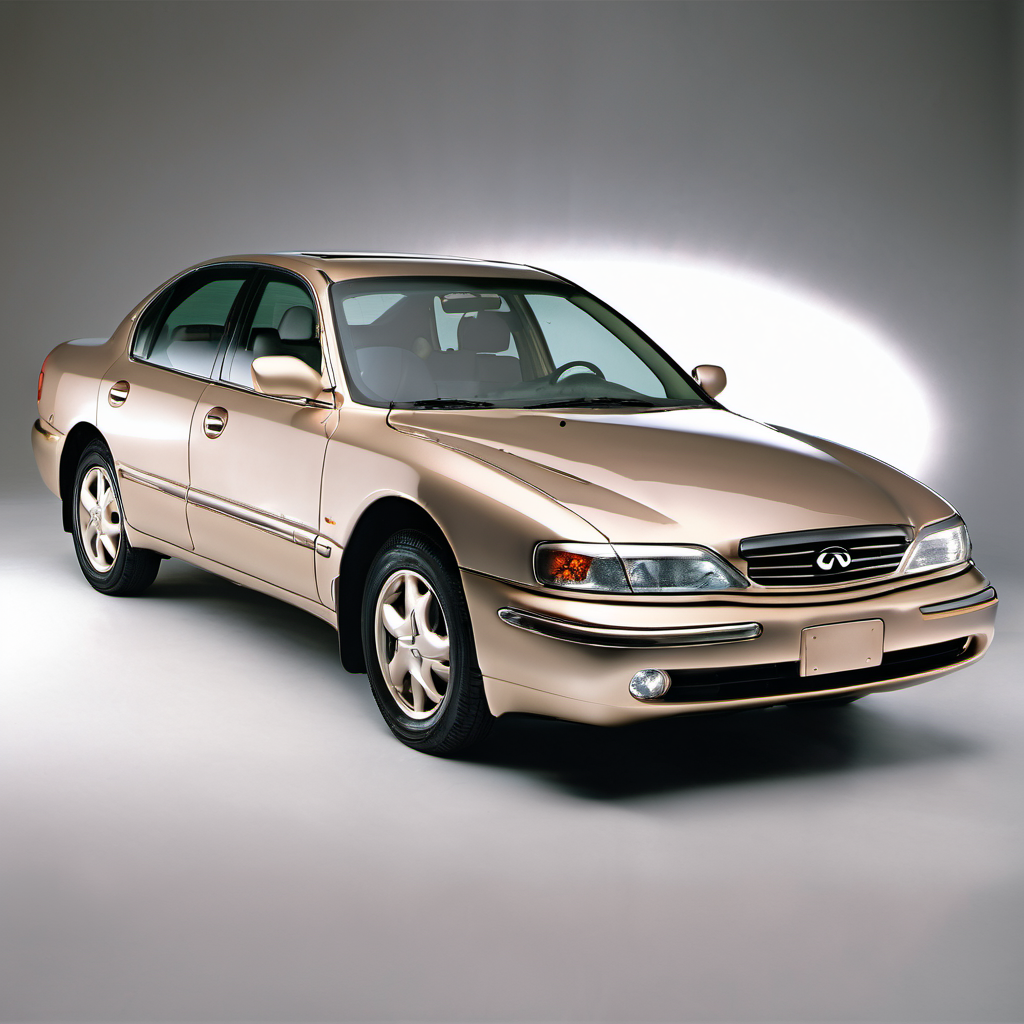
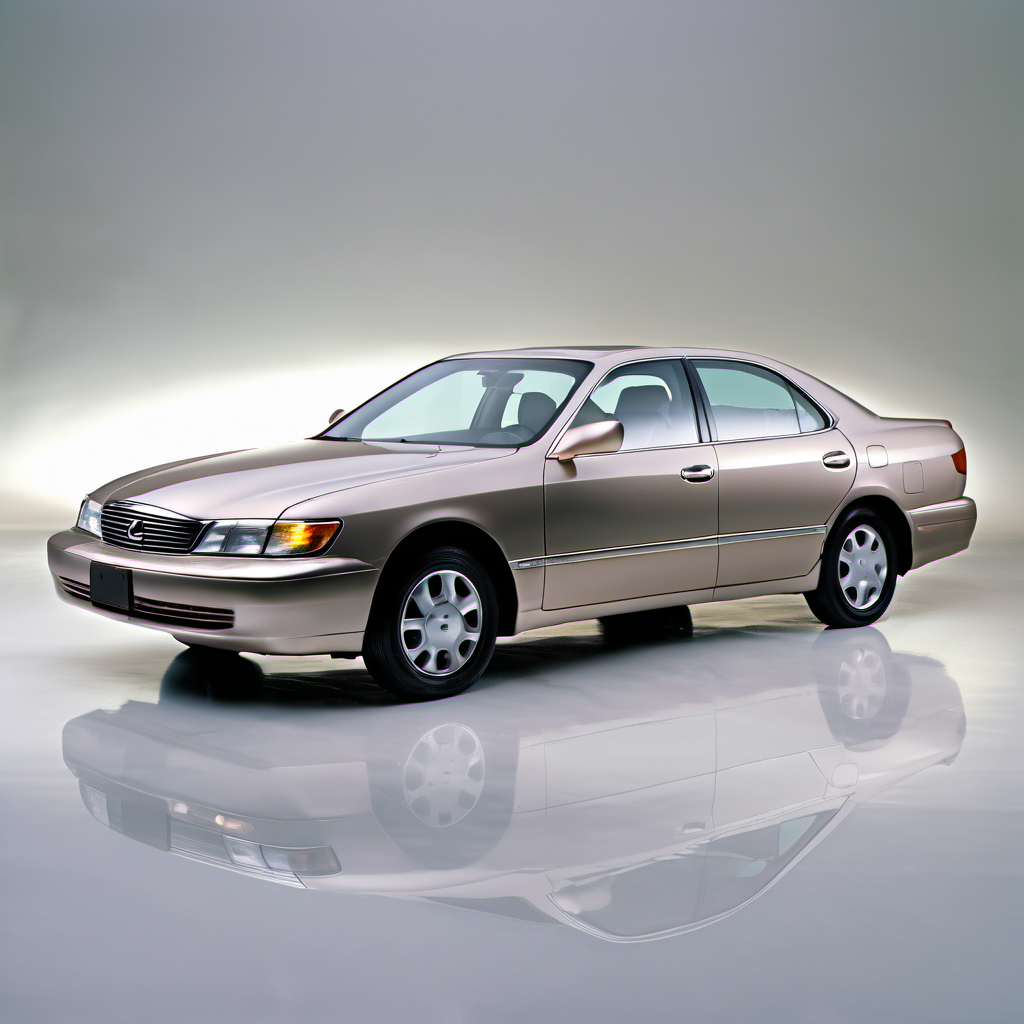
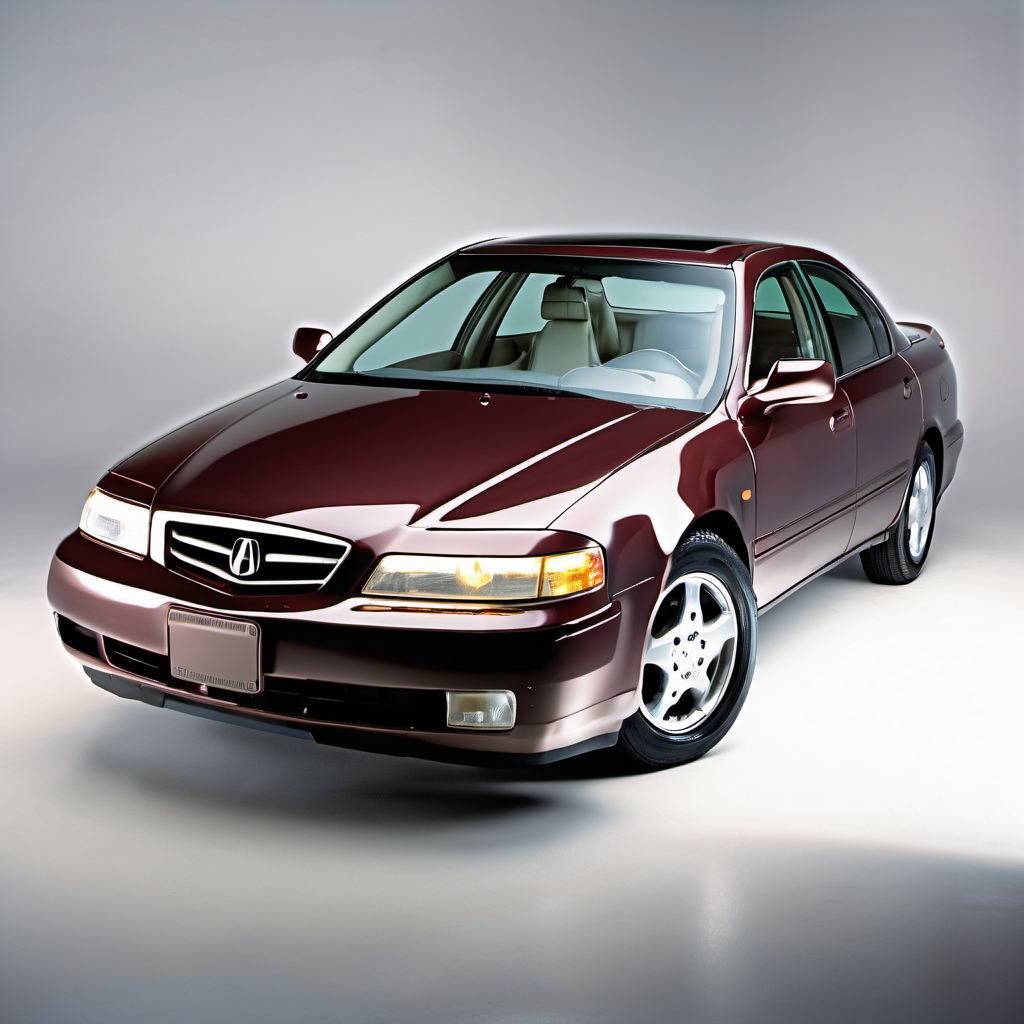
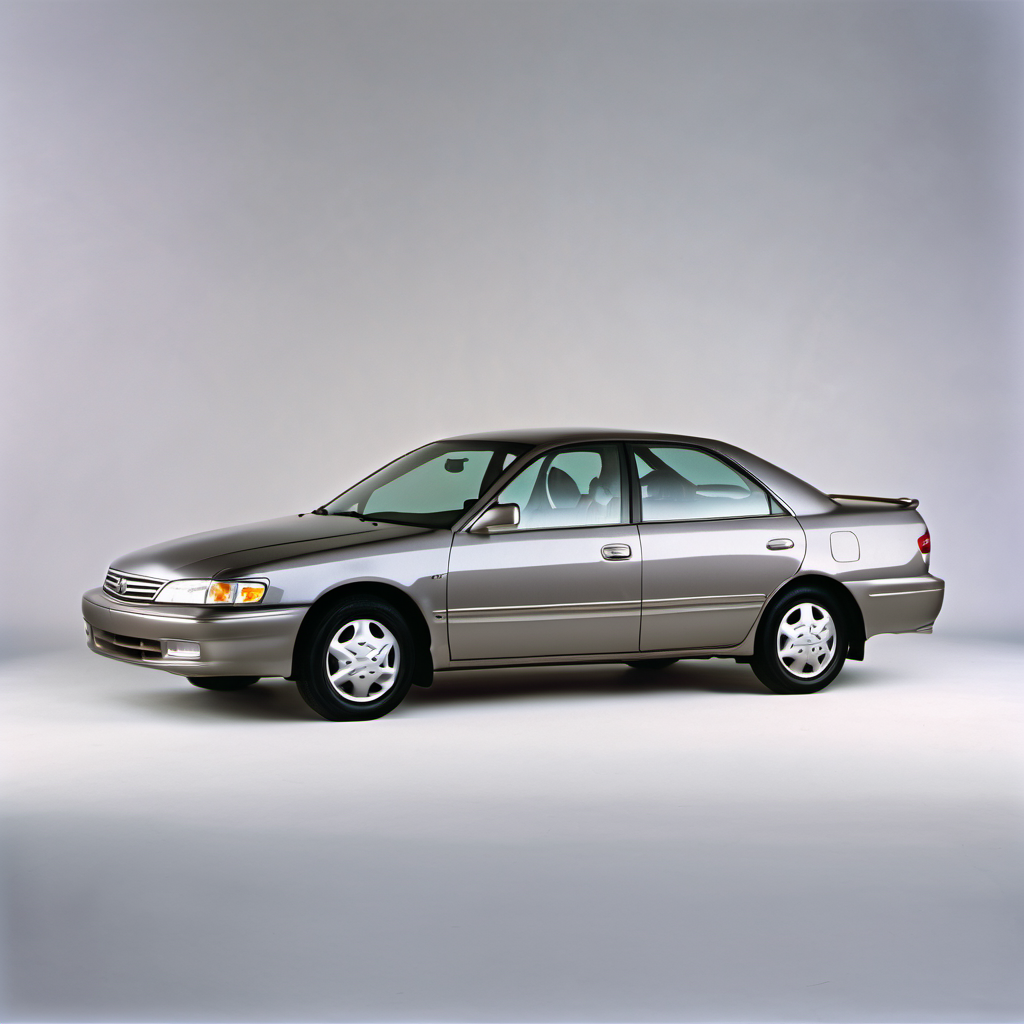
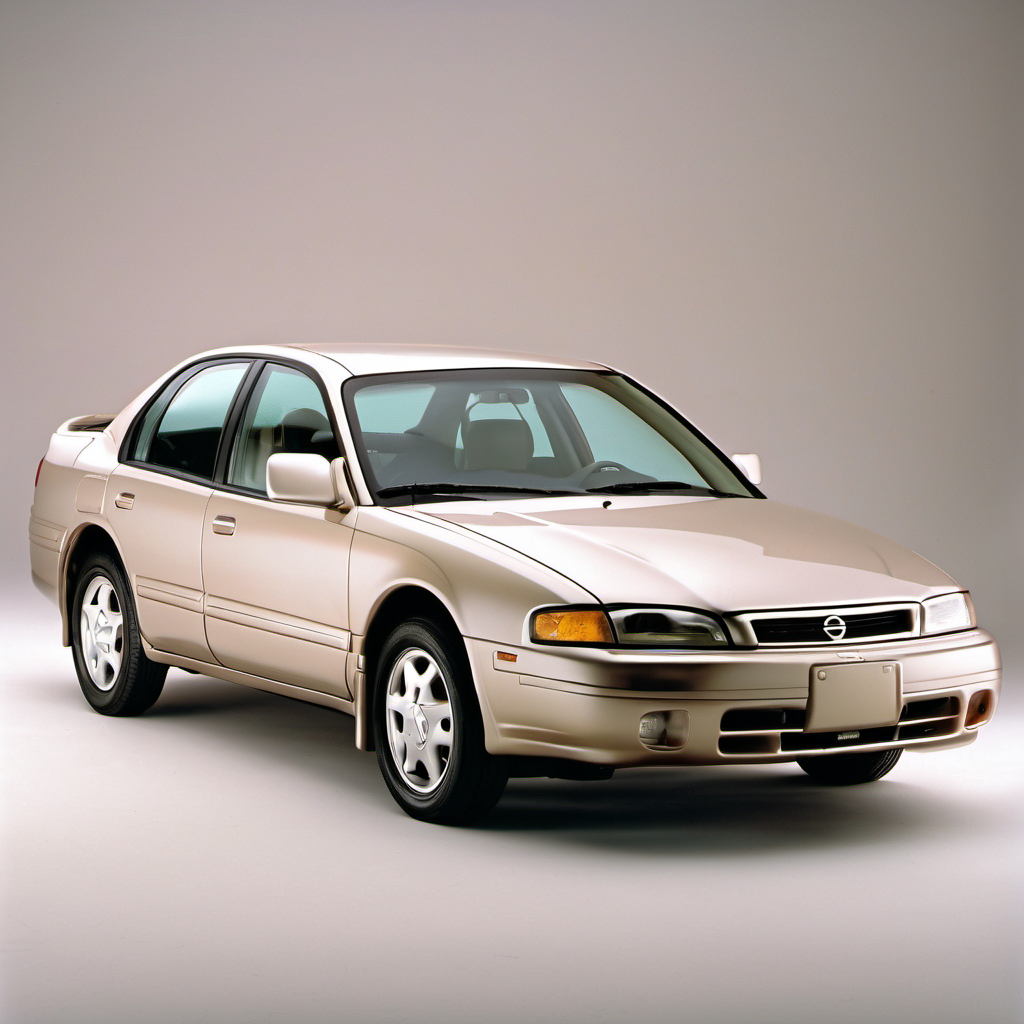
1997 INFINITI I Sedan

1997 INFINITI

ISedan

3.0L V6 (VQ30DE) · Sedan

The 1997 Infiniti I30 is a mid-size luxury sedan built on Nissan's FF-L platform — the same bones as the Nissan Maxima of the same era. It was sold simply as the "I" (officially I30) and offered Japanese-market refinement at a price below European competitors. Power comes from Nissan's proven VQ30DE V6, one of the most celebrated engines of the 1990s for its smooth delivery and durability. The I30 was positioned as an entry luxury daily driver: a quiet, comfortable sedan with a well-appointed interior, strong V6, and predictable front-wheel-drive handling. It wasn't sporty in the way a BMW 3 Series was, but it was reliable transportation with genuine luxury touches — wood trim, Bose audio, leather seating — at a sensible price. By 1997 these cars are pushing 28+ years old. Rust, aged rubber, and deferred maintenance are the real enemies now. Mechanically the VQ30DE engine has a strong track record, but cooling system components, timing components, and suspension bushings all need attention at this age regardless of mileage.

Reliability
4/5
Verified data
Engine
3.0L V6 (VQ30DE)
Drivetrain
FWD
Fuel
Gasoline
MPG
20 city / 28 hwy / 23 combined
Seats
5
Doors
4
Body
Sedan
MSRP
$29,995

Overview

AI-curated

The 1997 Infiniti I30 is a mid-size luxury sedan built on Nissan's FF-L platform — the same bones as the Nissan Maxima of the same era. It was sold simply as the "I" (officially I30) and offered Japanese-market refinement at a price below European competitors. Power comes from Nissan's proven VQ30DE V6, one of the most celebrated engines of the 1990s for its smooth delivery and durability. The I30 was positioned as an entry luxury daily driver: a quiet, comfortable sedan with a well-appointed interior, strong V6, and predictable front-wheel-drive handling. It wasn't sporty in the way a BMW 3 Series was, but it was reliable transportation with genuine luxury touches — wood trim, Bose audio, leather seating — at a sensible price. By 1997 these cars are pushing 28+ years old. Rust, aged rubber, and deferred maintenance are the real enemies now. Mechanically the VQ30DE engine has a strong track record, but cooling system components, timing components, and suspension bushings all need attention at this age regardless of mileage.

Known for
  • Nissan VQ30DE V6 — smooth, strong, and long-lived
  • Quiet, refined cabin for its price class
  • Close mechanical kinship with the Nissan Maxima (parts availability)
  • Comfortable ride tuned for highway cruising
Best for
  • Buyers wanting affordable vintage luxury with easy parts access
  • Highway commuters who prioritize comfort over sportiness
  • Owners comfortable doing basic DIY on a well-documented platform
Watch for
  • Rust on rocker panels, floor pans, and subframe on Wisconsin cars
  • Aged cooling system hoses, thermostat, and radiator
  • Worn suspension bushings and aging struts on high-mileage examples
  • Cracked or brittle vacuum lines from decades of heat cycles

Common issues by mileage

6 known

Cooling system deterioration (hoses, thermostat, radiator)

high
Typically appears
All mileages — age-driven
Estimated repair
$200 – $700

Timing belt service overdue

high
Typically appears
Every 60k mi — likely past-due on any survivor
Estimated repair
$400 – $750

Worn front struts and suspension bushings

high
Typically appears
80k+ mi
Estimated repair
$400 – $900

Cracked intake and vacuum lines (age-related)

medium
Typically appears
All mileages — rubber degrades after 20+ years
Estimated repair
$100 – $350

Failed or weak ignition coils / distributor cap & rotor

medium
Typically appears
80k–150k mi
Estimated repair
$150 – $400

Rust on rocker panels, subframe, and brake lines

high
Typically appears
All mileages — Wisconsin salt exposure
Estimated repair
$300 – $2,500

Maintenance schedule

  1. 1
    Every 60,000 miles or immediately if history unknown Timing belt and water pump replacement

    The VQ30DE is an interference engine — a snapped belt causes catastrophic valve and piston damage. At this age, assume it's due unless you have receipts.

  2. 2
    Every 2 years or immediately on a newly purchased example Full cooling system service (flush, thermostat, hoses, radiator cap)

    Original hoses and the plastic radiator end tanks are well past service life. A cooling failure in a Wisconsin summer or winter is a tow call and potentially an engine.

  3. 3
    Every 3,000–5,000 miles with conventional oil Engine oil and filter change

    The VQ30DE rewards clean oil above all else. Sludge from infrequent changes is the top killer of otherwise healthy VQ engines.

  4. 4
    Every 2 years Brake fluid flush

    Brake fluid absorbs moisture over time, lowering its boiling point and accelerating internal caliper and master cylinder corrosion — especially relevant in a salt environment.

  5. 5
    Every 30,000 miles Inspect and replace spark plugs

    Original platinum plugs from the late 1990s are almost certainly worn. Fresh plugs restore smooth idle and fuel economy on the V6.

  6. 6
    Annually Inspect brake lines and fuel lines for corrosion

    Road salt in Wisconsin eats steel brake and fuel lines from the outside. A line failure is a safety emergency — catch it on the lift before it catches you on the road.

  7. 7
    Annually before winter Inspect and lubricate door and hood weatherstripping

    Original rubber is 28 years old and likely brittle. Cracked seals let water into the cabin and can cause door-freeze issues in sub-zero temperatures.

  8. 8
    Every 30,000–40,000 miles Transmission fluid change

    The 4-speed automatic is durable but not indestructible. Degraded fluid accelerates clutch pack wear and can cause delayed engagement, especially in cold starts.

Always defer to the manufacturer's service manual for warranty-mandated intervals.

Cost of ownership

Annual maintenance
$600 – $1,800
Fuel
At 23 MPG combined, expect roughly $1,500–$2,000/year at 12,000 miles on regular unleaded (87 octane).
Insurance
Typically low — an older luxury sedan with modest market value usually runs $800–$1,400/year for full coverage in Wisconsin, depending on driver profile.

A well-maintained I30 is genuinely cheap to keep running day-to-day. Parts are shared with the Nissan Maxima, so they're widely available and reasonably priced. The catch is that deferred repairs on a 28-year-old car can stack up fast. Budget for a catch-up service when you buy one, and annual costs should stay manageable.
Seasonal care

Lake Geneva, WI
Winter
  • Test the battery before the first hard freeze — this battery is likely original or at least several years old; cold cranking amps drop sharply below 0°F.
  • Switch to a 0W-30 or 5W-30 full synthetic oil if using conventional — the VQ30DE needs quick oil flow on sub-zero starts to protect cam journals.
  • Inspect brake lines underneath before winter; road salt will find any existing rust pits and accelerate a leak during the season.
  • Fill the washer reservoir with -20°F or colder rated fluid — the Lake Geneva area routinely sees sub-zero wind chills.
  • Check all door, trunk, and hood weatherstripping; cracked seals allow water to pool and freeze, making doors impossible to open and soaking carpets.
  • Keep the fuel tank at least half full to reduce condensation in the tank and provide weight over the front axle on slick roads.
Summer
  • Inspect the cooling system before July heat — pressure-test the radiator cap and check hose firmness; a 28-year-old cooling system is vulnerable to heat-soak failures.
  • Check A/C refrigerant charge and cabin filter if equipped — R-134a systems of this era often have slow seep leaks and may need a top-off.
  • Check tire pressure monthly; ambient temperature swings between Wisconsin spring and summer cause significant pressure changes (roughly 1 PSI per 10°F).
  • Inspect the serpentine belt for cracking or glazing; heat accelerates belt degradation and a failure leaves you without power steering, alternator, and A/C at once.

Comparable vehicles

If you're shopping for one

Red flags
  • Any visible rust bubbling through paint on the lower body panels or floorboards inside the cabin.
  • Coolant residue (white crusty deposits) around hose clamps or the radiator neck — sign of past or ongoing leak.
  • Automatic transmission that hesitates, slips, or clunks when shifting — rebuilds on this unit run $1,500–$2,500.
  • A seller who cannot produce any maintenance records on a 28-year-old vehicle.
  • Oil that is black and gritty or has a milky appearance — the latter suggests a head gasket leak mixing coolant into the oil.
What to inspect
  • Lift the car and look closely at the rocker panels, subframe mounts, and steel brake lines — Wisconsin salt damage here can make an otherwise decent car a money pit.
  • Confirm timing belt service history with receipts; if unknown, budget $500–$750 to do it immediately after purchase.
  • Start the engine cold and listen for any ticking from the valve train — a well-oiled VQ30DE should be very quiet at startup within a few seconds.
  • Check the transmission for smooth, prompt engagement from Park to Drive and from stop-and-go driving; any slipping or hunting between gears signals worn clutch packs.
  • Inspect all rubber vacuum lines under the hood by feel — they should be pliable, not hard or crumbly.
  • Test the A/C, all power windows, sunroof if equipped, and the Bose audio system — electrical gremlins and failed motors on luxury features are common and disproportionately expensive to fix.
AI profile generated 4 days ago · claude-sonnet-4-6 · v2.