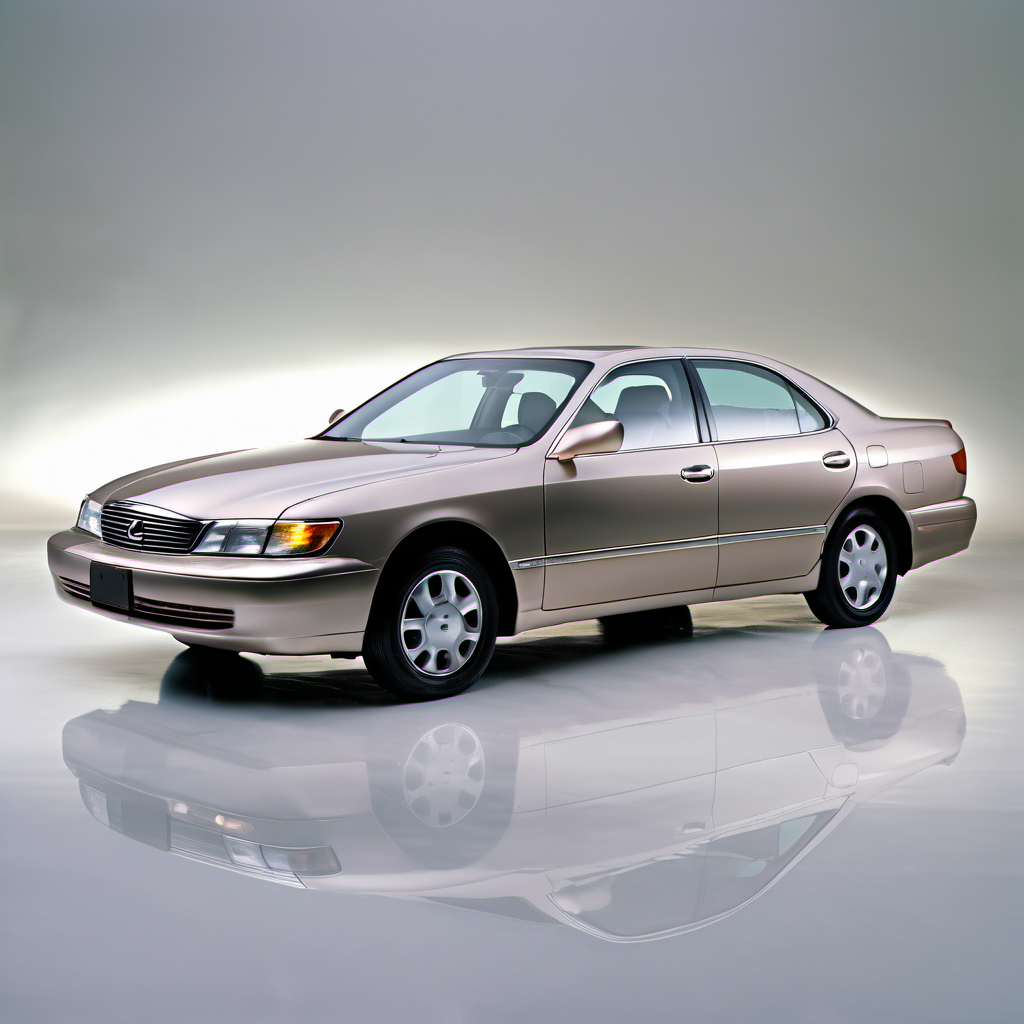
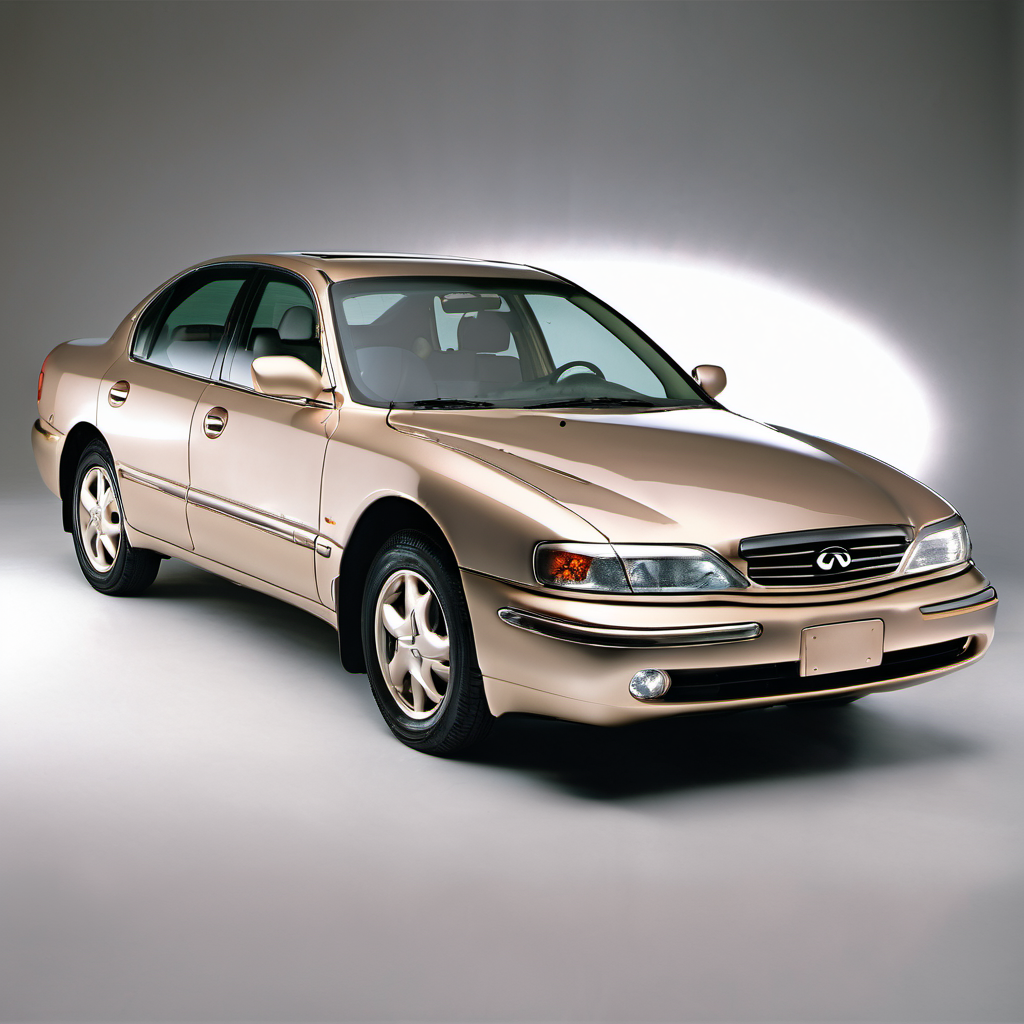
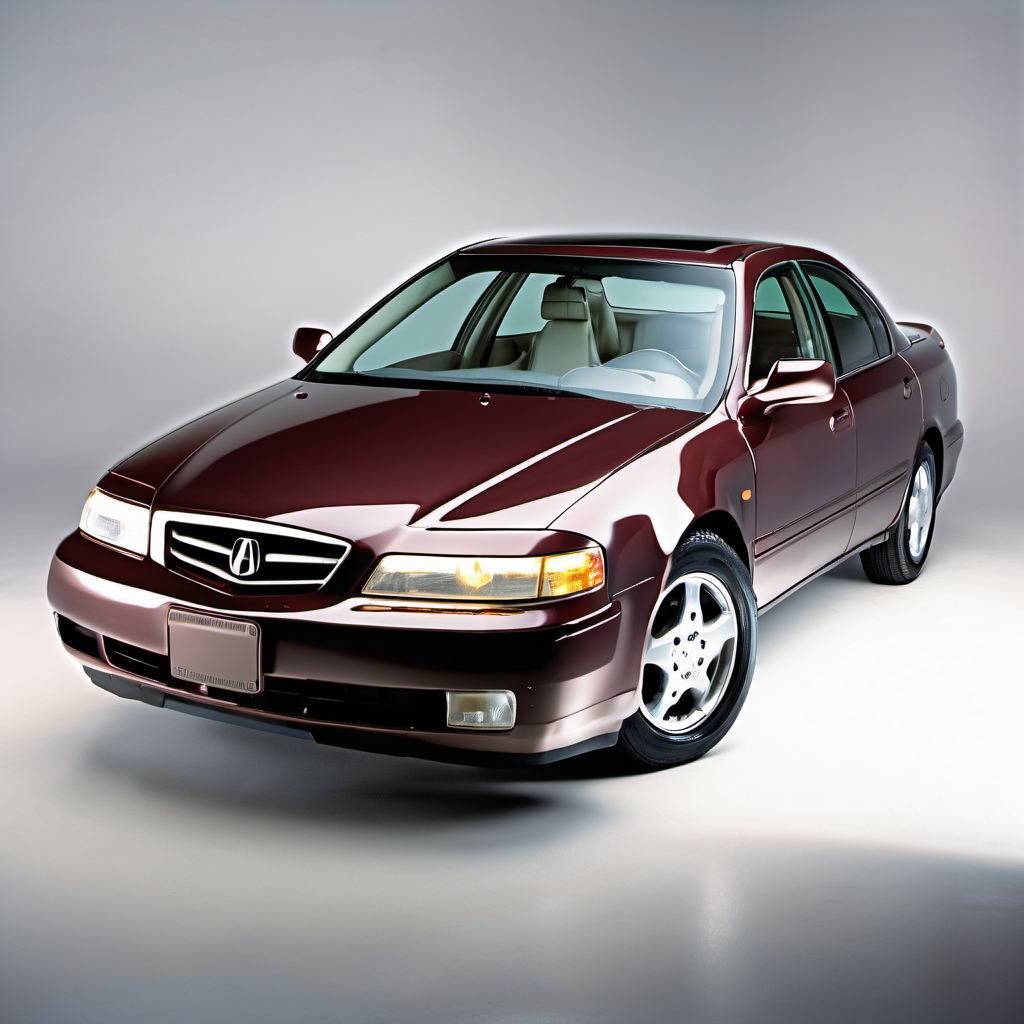
1997 Lexus ES Sedan

1997 Lexus

ESSedan

Sedan

The 1997 Lexus ES 300 is the fourth-generation ES, built on Toyota's shared platform with the Camry V6. It slots in as Lexus's entry-level luxury sedan, offering a smooth, quiet ride and above-average reliability for its class. The 3.0L 2JZ-FE inline-6 (marketed as a V6 configuration) is a proven, long-lived engine when maintained properly. By 1997 this generation (XV20) had sorted most of its early teething issues. Interior quality is a step above the contemporary Camry, with better sound deadening, a more refined suspension tune, and upmarket materials. It is not a sporty driver's car — it's engineered for composed, comfortable cruising. At this age, condition and maintenance history matter far more than the nameplate. Well-kept examples can still cover another 100k miles without major drama. Neglected ones — particularly those with deferred coolant, transmission service, or worn suspension — can become money pits quickly.

Reliability
4/5
Verified data
Specs shown for ES 300 — the most common configuration. Other trims may vary in engine, drivetrain, or fuel economy. Sign in to see your vehicle's exact specs.
Engine
[object Object]
Drivetrain
FWD
Fuel
Gasoline
MPG
17 city / 24 hwy / 19 combined
Seats
Doors
Body
Compact Cars

Overview

AI-curated

The 1997 Lexus ES 300 is the fourth-generation ES, built on Toyota's shared platform with the Camry V6. It slots in as Lexus's entry-level luxury sedan, offering a smooth, quiet ride and above-average reliability for its class. The 3.0L 2JZ-FE inline-6 (marketed as a V6 configuration) is a proven, long-lived engine when maintained properly. By 1997 this generation (XV20) had sorted most of its early teething issues. Interior quality is a step above the contemporary Camry, with better sound deadening, a more refined suspension tune, and upmarket materials. It is not a sporty driver's car — it's engineered for composed, comfortable cruising. At this age, condition and maintenance history matter far more than the nameplate. Well-kept examples can still cover another 100k miles without major drama. Neglected ones — particularly those with deferred coolant, transmission service, or worn suspension — can become money pits quickly.

Known for
  • Buttery smooth 3.0L inline-6 with strong low-end torque
  • Unusually quiet, well-insulated cabin for its era
  • Strong long-term reliability when properly maintained
  • Shared mechanical platform with the Toyota Camry V6 (easy parts availability)
  • Comfortable, boulevard-smooth ride quality
Best for
  • Daily commuters wanting affordable used luxury
  • Buyers who prioritize comfort over sport
  • Owners willing to maintain a vintage Japanese luxury sedan
  • Budget-conscious entry into the Lexus brand
Watch for
  • Deferred coolant flushes leading to cooling system sludge
  • Automatic transmission wear from skipped fluid changes
  • Age-related rubber deterioration — hoses, belts, seals
  • Power window regulators and door lock actuators failing with age
  • Rust on underbody and brake hardware from years of Wisconsin road salt

Common issues by mileage

6 known

Automatic transmission fluid degradation / shift harshness

high
Typically appears
80–150k mi
Estimated repair
$150 – $350

Power window regulator failure

high
Typically appears
80–150k mi
Estimated repair
$150 – $300

Coolant system sludge / thermostat housing corrosion

medium
Typically appears
60–120k mi
Estimated repair
$200 – $500

Oxygen sensor heater circuit fault

medium
Typically appears
80–120k mi
Estimated repair
$100 – $250

Suspension bushings and strut mount wear

high
Typically appears
100k+ mi
Estimated repair
$400 – $900

Door lock actuator failure

medium
Typically appears
80k+ mi
Estimated repair
$100 – $250

Maintenance schedule

  1. 1
    Every 5,000 miles or 6 months Engine oil and filter change

    The 2JZ-FE's longevity is directly tied to clean oil. At this age, shorter intervals catch sludge before it builds up in oil passages.

  2. 2
    Every 30,000 miles Automatic transmission fluid drain and fill

    Lexus called this a 'lifetime' fluid, but that was optimistic. Degraded ATF is the leading cause of shift harshness and premature clutch pack wear in these transmissions.

  3. 3
    Every 2 years regardless of mileage Coolant flush and refill

    Old coolant becomes acidic and attacks aluminum components in the cooling system. This engine has aluminum heads — protect them.

  4. 4
    Every 60,000 miles or at first sign of cracking Serpentine belt and accessory belts inspection/replacement

    Rubber belts degrade with age even at low mileage. On a 27-year-old car, inspect every service and replace proactively.

  5. 5
    Every 60,000 miles Spark plug replacement

    Platinum plugs were standard; worn plugs cause rough idle and reduce fuel economy noticeably on the I6.

  6. 6
    Every 2 years Brake fluid flush

    Brake fluid is hygroscopic and absorbs moisture over time, lowering boil point and accelerating internal corrosion in calipers and wheel cylinders.

  7. 7
    Annually, especially before and after winter Inspect underbody for rust — especially brake lines, fuel lines, and subframe

    Lake Geneva roads are heavily salted. Brake and fuel line rust is a real safety hazard on a vehicle this age driven through Wisconsin winters.

  8. 8
    Every 15,000–20,000 miles Cabin air filter replacement

    Original cabin filters on these cars are often long overdue. A clogged filter strains the blower motor and reduces A/C and heat effectiveness.

Always defer to the manufacturer's service manual for warranty-mandated intervals.

Cost of ownership

Annual maintenance
$600 – $1,400
Fuel
At 19 mpg combined, expect roughly $1,600–$2,000/year at 12,000 miles on regular 87-octane (premium not required but 91 recommended by Lexus for best performance).
Insurance
Typically $800–$1,200/year for a private-party buyer in Wisconsin on a car this age — varies significantly by driver profile and coverage level.

Day-to-day costs are reasonable for a luxury sedan. The big risk is deferred maintenance catching up — a transmission rebuild or cooling system overhaul can run $1,500–$3,000+. Budget for higher spend in years where rubber components (hoses, belts, struts) need wholesale replacement on a high-mileage car.
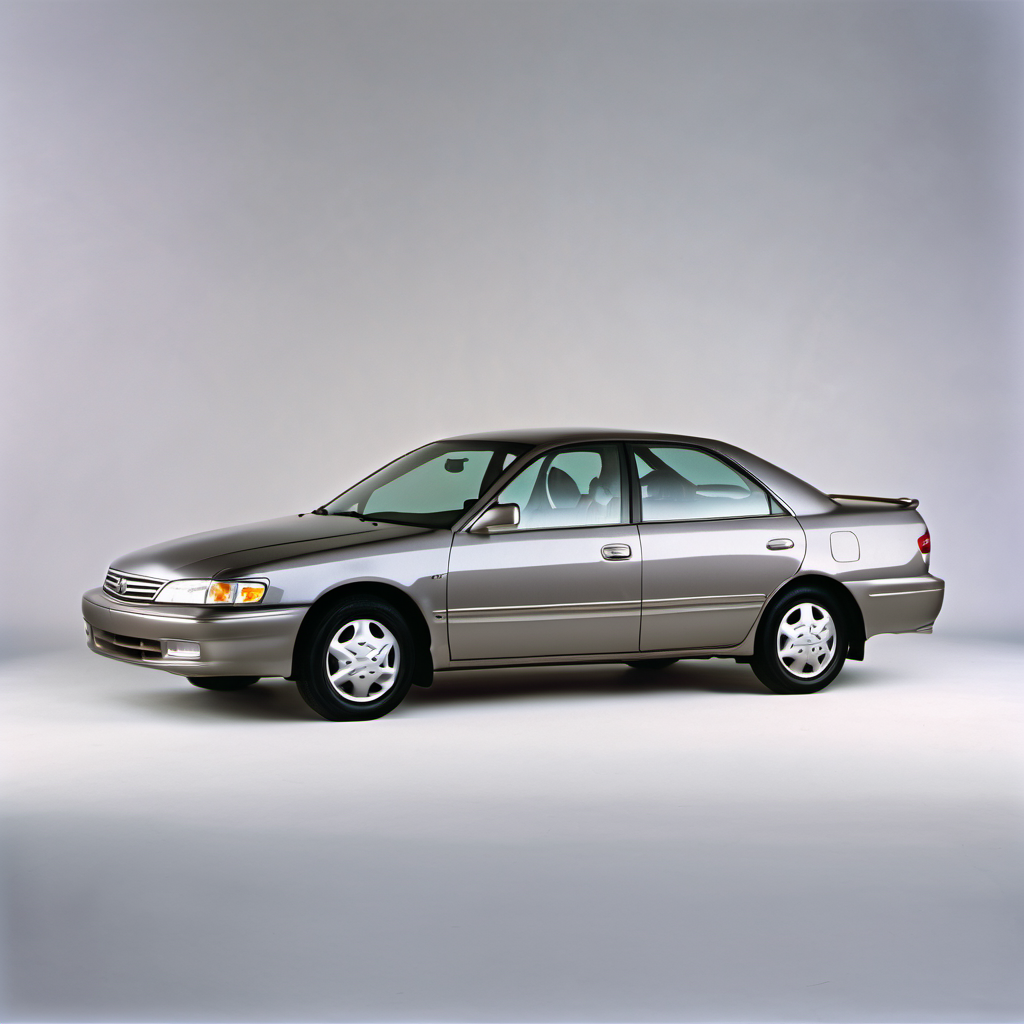
Seasonal care

Lake Geneva, WI
Winter
  • Switch to a full-synthetic 0W-20 or 5W-30 oil before temperatures drop below 0°F — cold starts are hard on an engine running thick conventional oil.
  • Test the battery every fall — cold cranking amps drop sharply below 20°F and a 3–5 year old battery that seems fine in summer will fail on a -10°F morning.
  • Flush and replace wiper fluid with a -20°F or lower rated fluid; the reservoir and lines can crack if water-based fluid freezes.
  • Inspect underbody brake and fuel lines for rust before winter — road salt will accelerate any existing corrosion quickly.
  • Confirm the coolant freeze point is rated to at least -34°F with a test strip or refractometer; old coolant loses its freeze protection.
  • If the car sits outside, use a block heater or battery tender during extended cold snaps to protect the transmission and engine from cold-start wear.
Summer
  • Check tire pressure monthly — pressure drops roughly 1 PSI for every 10°F temperature swing; hot pavement inflates actual pressure, so measure cold in the morning.
  • Inspect the A/C system for refrigerant charge — R-134a systems this age commonly have slow leaks and a weak A/C in July is a miserable commute.
  • Check coolant level and hose condition before road trips — heat soak in stop-and-go traffic is the most likely time this cooling system will reveal a weakness.
  • Park in shade when possible; the interior plastics and leather on a 27-year-old car are vulnerable to UV cracking and heat damage.

Comparable vehicles

If you're shopping for one

Red flags
  • No service records at all on a 27-year-old car — you have no idea what has and hasn't been done.
  • Evidence of overheating in the history (warped hood paint, milky oil cap residue, coolant stains on the engine) — head gasket repairs on this engine are expensive.
  • Rust bubbling through paint on the rocker panels, wheel arches, or rear quarter panels — structural rust on a car this age can be a total-loss scenario.
  • Slipping, flaring, or delayed engagement from the automatic transmission — rebuilds start around $1,800 at an independent shop.
  • Any sign of prior airbag deployment or accident repair around the A-pillars or firewall.
What to inspect
  • Pull the transmission dipstick — fluid should be pink/red and smell clean. Dark brown or burnt-smelling fluid means deferred service, possibly damaged clutch packs.
  • Inspect the underside for rust on brake lines, fuel lines, subframe mounting points, and the rear suspension crossmember — salt damage is common on Wisconsin cars.
  • Run the A/C and heat through all settings; blend door actuators and blower motors are age-prone failures on this generation.
  • Test all four power windows — regulators fail commonly and each replacement is $150–$300 at a shop.
  • Check the coolant in the reservoir: it should be clean pink or green, not brown or oily (oily coolant can indicate a head gasket seep).
  • Listen for any clunking over bumps — worn front strut mounts and rear trailing arm bushings are very common at this age.
AI profile generated 4 days ago · claude-sonnet-4-6 · v2.