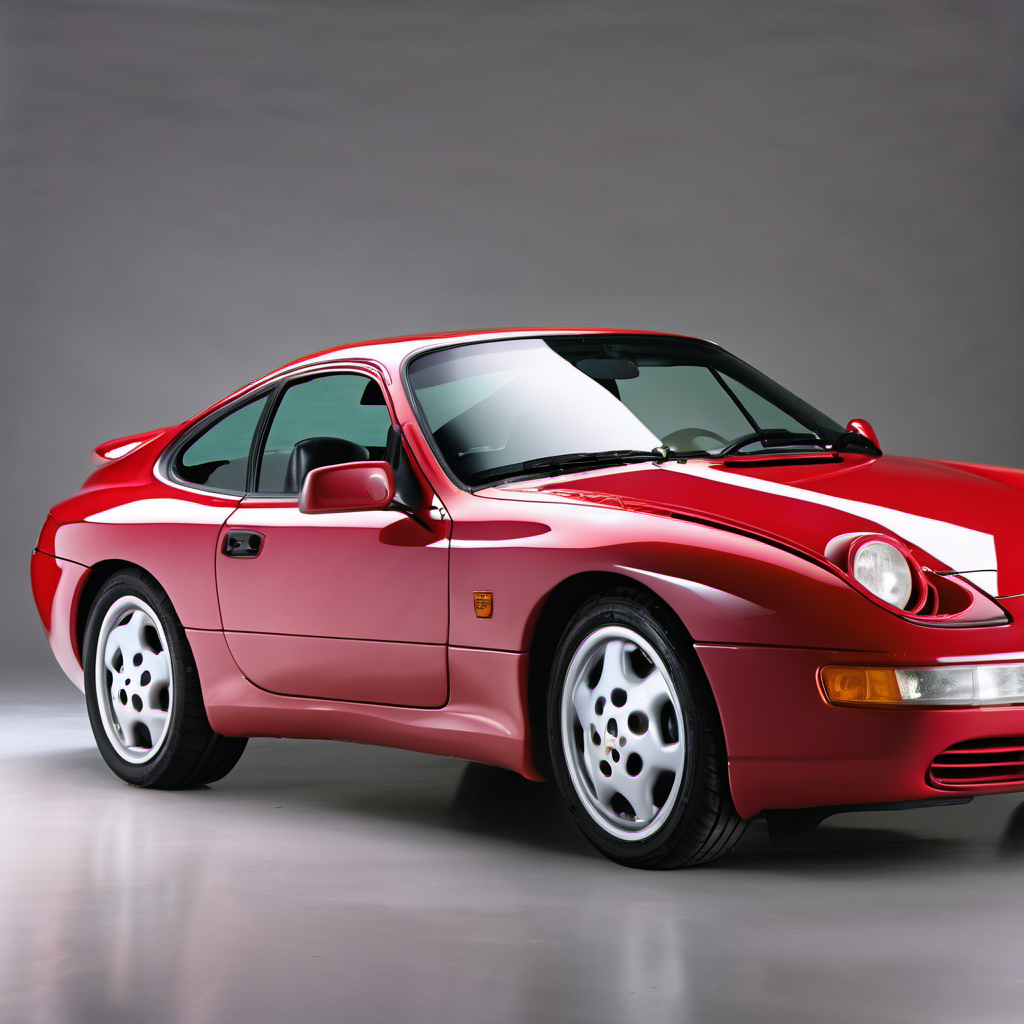
1995 Porsche 968 Coupe

1995 Porsche

968Coupe

Coupe

The 1995 Porsche 968 Coupe is the final evolution of the front-engine, rear-wheel-drive sports car lineage that began with the 944. Produced from 1992 through 1995, the 968 was Porsche's last attempt to offer a more accessible entry point into the brand before the Boxster arrived. It carries a 3.0L inline-four — the largest displacement production four-cylinder of its era — paired with a sophisticated dual-mass flywheel and VarioCam variable valve timing system, and a standard six-speed manual or optional Tiptronic transmission. The 968 earned a reputation as a driver's car: balanced, communicative, and rewarding when pushed. It shares much of its platform DNA with the 944 but adds significant refinements in engine technology, suspension tuning, and interior quality. The pop-up headlights and sweeping body panels give it a timeless, purpose-built look that has aged well. Because production ended in 1995, any surviving 968 is now 30 years old. Parts availability has tightened and specialist knowledge is essential. This is a car for an enthusiast willing to invest in proper care and maintenance — not an inexpensive daily driver. Values have climbed steadily as collector interest grows.

Reliability
3/5
Verified data
Specs shown for 968 — the most common configuration. Other trims may vary in engine, drivetrain, or fuel economy. Sign in to see your vehicle's exact specs.
Engine
[object Object]
Drivetrain
RWD
Fuel
Premium gasoline
MPG
15 city / 23 hwy / 18 combined
Seats
Doors
Body
Two Seaters

Overview

AI-curated

The 1995 Porsche 968 Coupe is the final evolution of the front-engine, rear-wheel-drive sports car lineage that began with the 944. Produced from 1992 through 1995, the 968 was Porsche's last attempt to offer a more accessible entry point into the brand before the Boxster arrived. It carries a 3.0L inline-four — the largest displacement production four-cylinder of its era — paired with a sophisticated dual-mass flywheel and VarioCam variable valve timing system, and a standard six-speed manual or optional Tiptronic transmission. The 968 earned a reputation as a driver's car: balanced, communicative, and rewarding when pushed. It shares much of its platform DNA with the 944 but adds significant refinements in engine technology, suspension tuning, and interior quality. The pop-up headlights and sweeping body panels give it a timeless, purpose-built look that has aged well. Because production ended in 1995, any surviving 968 is now 30 years old. Parts availability has tightened and specialist knowledge is essential. This is a car for an enthusiast willing to invest in proper care and maintenance — not an inexpensive daily driver. Values have climbed steadily as collector interest grows.

Known for
  • Largest displacement production inline-four of its era (3.0L)
  • VarioCam variable valve timing — advanced for a mid-90s four-cylinder
  • Outstanding chassis balance and driver feedback
  • Dual-mass flywheel contributing to smooth power delivery
Best for
  • Driving enthusiasts who want an analog, analog sports car experience
  • Weekend and track-day use
  • Collectors looking for appreciating classic Porsche metal
  • Owners committed to specialized European maintenance
Watch for
  • Dual-mass flywheel replacement is extremely expensive when worn
  • VarioCam system requires clean oil and regular service to function properly
  • Parts are increasingly hard to source — some are NLA (no longer available) from Porsche
  • Sunroof drains and weatherstripping deteriorate with age, leading to interior water intrusion
  • 30-year-old rubber: engine mounts, suspension bushings, fuel lines all suspect

Common issues by mileage

6 known

Dual-Mass Flywheel Wear

high
Typically appears
60–100k mi
Estimated repair
$2,500 – $5,000

VarioCam Oil Control Valve Failure

medium
Typically appears
50–120k mi
Estimated repair
$400 – $1,200

Cooling System Failure (thermostat, water pump, hoses)

high
Typically appears
Any mileage on 30-year-old car
Estimated repair
$600 – $2,000

Sunroof Drain Clogs / Water Intrusion

high
Typically appears
Age-related — any mileage
Estimated repair
$200 – $1,500

Engine & Transmission Mounts Deterioration

high
Typically appears
Age-related — any mileage
Estimated repair
$400 – $1,200

Fuel System Degradation (fuel lines, injector o-rings, pressure regulator)

medium
Typically appears
Age-related — any mileage
Estimated repair
$300 – $1,800

Maintenance schedule

  1. 1
    Every 5,000 miles or annually, whichever comes first Engine oil and filter change using full-synthetic 5W-40 or 10W-40

    Clean oil is critical for VarioCam operation. Sludge or old oil will clog the oil control valve and cause timing issues. On a 30-year-old engine, annual changes are non-negotiable even with low miles.

  2. 2
    Every 2 years Coolant flush and system pressure test

    The 968's cooling system hoses and plastic components are age-compromised. A pressurized flush reveals cracks and weak spots before they strand you. Use Porsche-approved or equivalent phosphate-free coolant.

  3. 3
    Every 2 years Brake fluid flush

    DOT 4 fluid is hygroscopic; on an older car that may sit periodically, moisture contamination degrades braking performance and corrodes calipers from the inside.

  4. 4
    Every 4 years or 40,000 miles Inspect and replace drive belts, accessory belts, and belt tensioners

    Rubber degrades with age regardless of mileage. A snapped belt on a 30-year-old Porsche is a tow call at minimum, engine damage at worst.

  5. 5
    Every 2 years or at any suspension service Inspect all suspension bushings, control arm bushings, and ball joints

    Polyurethane and rubber bushings from 1995 are at end of life. Worn bushings degrade handling, cause uneven tire wear, and mask the 968's excellent chassis feel.

  6. 6
    Every spring and fall Check and clear sunroof drain tubes

    Clogged drains funnel water directly into the cabin and electrical systems. On Lake Geneva roads where cars sit through Wisconsin winters, interior moisture leads to mold and expensive electrical repairs.

  7. 7
    Every 3 years Fuel system inspection: lines, injector o-rings, fuel pressure regulator

    30-year-old rubber fuel lines and o-rings can crack and leak, creating a fire hazard. This is a safety inspection, not optional.

  8. 8
    Every fall before winter storage or cold-weather use Battery load test and terminal cleaning

    Older vehicles with sporadic use suffer from battery drain and sulfation. A load test before Wisconsin winter reveals if the battery can handle sub-zero starts.

Always defer to the manufacturer's service manual for warranty-mandated intervals.

Cost of ownership

Annual maintenance
$1,500 – $4,500
Fuel
Premium fuel (91+ octane) required. At ~18 MPG combined and Wisconsin fuel prices, expect $2,000–$3,000/year for moderate driving (10,000–12,000 mi). Most 968 owners drive far fewer miles annually.
Insurance
Expect $800–$1,800/year depending on usage. Insuring as a collector vehicle with agreed value and mileage limits typically lowers premiums significantly — worth discussing with your insurer given the 968's rising collector value.

The 968 is not an expensive car to maintain when nothing is wrong — routine service at an independent Porsche specialist is manageable. The risk is deferred maintenance catching up all at once. A dual-mass flywheel job alone can run $3,000–$5,000. Budget a contingency fund of $2,000–$5,000 per year for unexpected repairs, especially on a car of unknown or partial service history. Parts sourcing is increasingly challenging and time-consuming, which adds labor hours and cost.
Seasonal care

Lake Geneva, WI
Winter
  • The 968 is a rear-wheel-drive sports car with low ground clearance — it is not suited for Lake Geneva winter driving on unplowed or salted roads. Storage from November through April is strongly recommended.
  • Before storage, perform an oil change so acidic combustion byproducts don't sit in the crankcase all winter.
  • Use a quality battery tender/maintainer throughout storage to prevent sulfation on the 30-year-old electrical system.
  • Add a fuel stabilizer if the car will sit more than 60 days; 30-year-old fuel systems are sensitive to ethanol-blended fuel degradation.
  • Store on jack stands or tire cradles if storing more than 3 months to prevent flat-spotting on performance-spec tires.
  • Place moisture-absorbing desiccant packs inside the cabin and check that sunroof drains are clear before closing up for the season.
Summer
  • Check tire pressure monthly — performance tires are sensitive to temperature swings and pressure can increase 4–6 PSI on hot pavement.
  • Inspect the cooling system before summer track days or long drives; a 30-year-old thermostat and water pump are failure risks under heat load.
  • Test the A/C system in spring — the R-134a system (if converted from original R-12) may need a refrigerant top-off; check for leaks at aged o-rings.
  • Inspect brake pads and rotors before any spirited summer driving — worn pads overheat quickly on a sports car used as intended.

Comparable vehicles

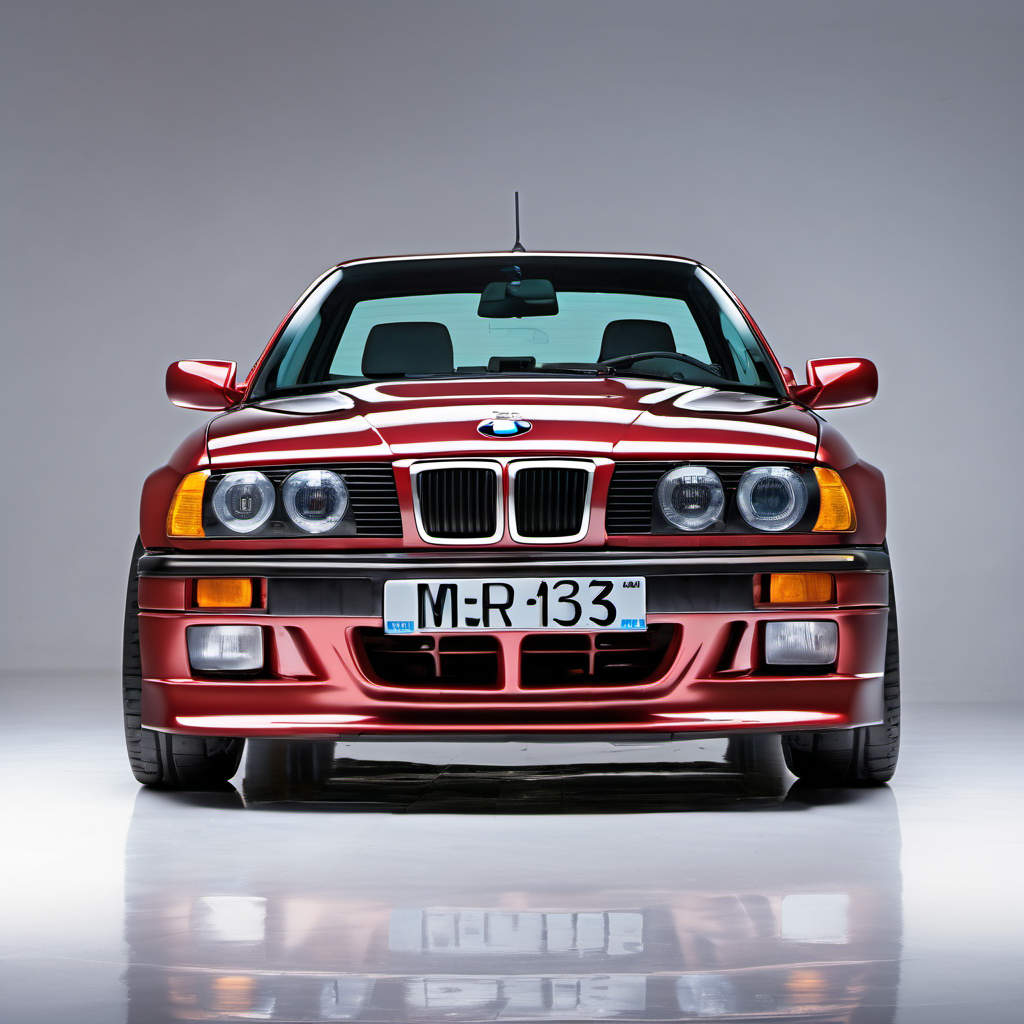
1995 BMW M3
1995 BMW
M3

Contemporary German sport coupe, RWD, driver-focused, similar price bracket in collector market today. Also requires specialist care and sourcing.

1995 Porsche
944 S2

Direct predecessor sharing the same front-engine RWD platform and 2-seat coupe layout. Less sophisticated engine, lower collector values, but parts are slightly more available.

No catalog match
1995 Lotus
Esprit

Mid-engine British sports car of the same era, similar driver engagement and exclusivity, with similarly demanding ownership requirements.

No catalog match
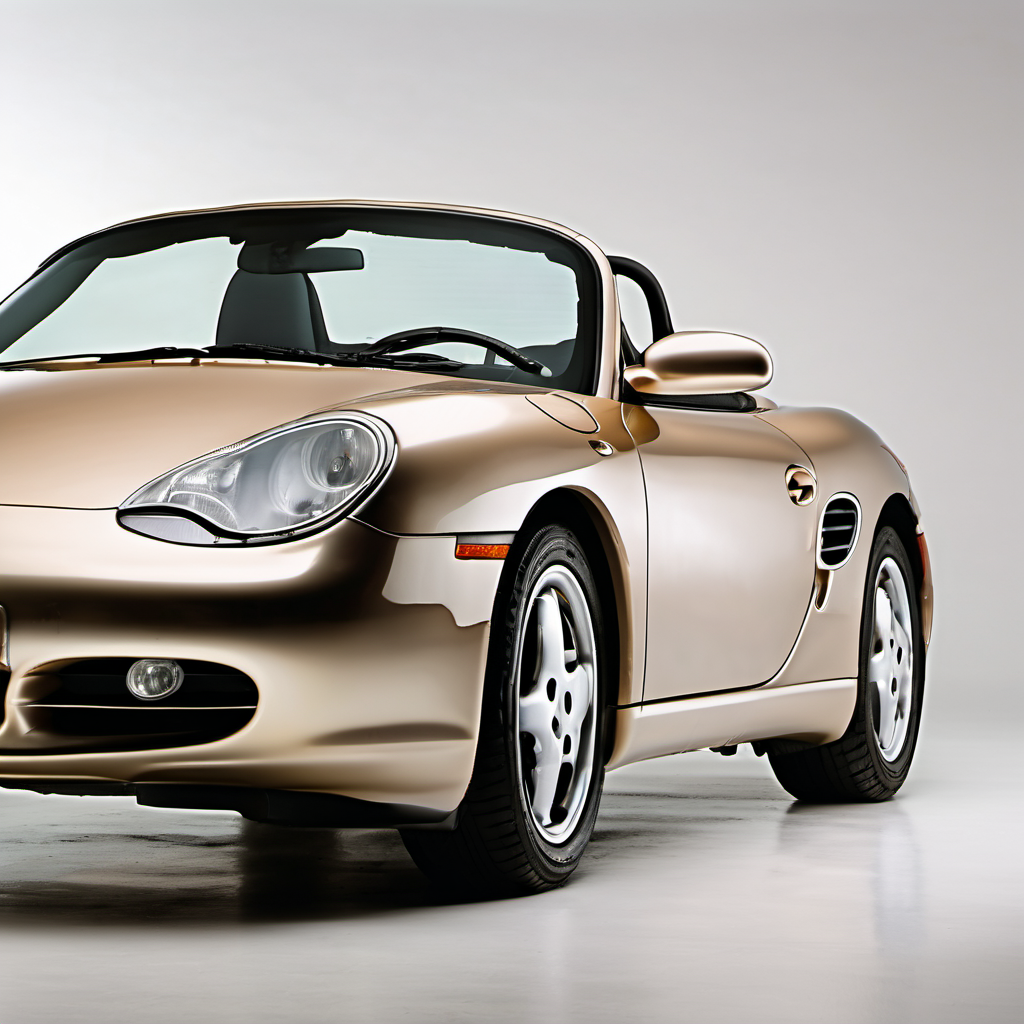
1997 Porsche Boxster
1997 Porsche
Boxster

The 968's spiritual successor — more modern, parts more available, similar entry-level Porsche mission. A practical alternative if the 968's parts availability is a concern.

If you're shopping for one

Red flags
  • No service records or gaps of several years in documentation.
  • Any evidence of overheating history (warped head, coolant leaks, milky dipstick).
  • Clutch chatter, shudder, or rattling flywheel noise — indicates expensive drivetrain work ahead.
  • Rust on floor pans, sills, or subframe — structural rust is a deal-breaker on a 30-year-old unibody sports car.
  • Water stains or mold smell in the cabin.
  • Mismatched paint panels or poor body gaps suggesting accident repair.
  • Modified cars without documentation of what was changed — emissions compliance and reversibility matter for insurance and registration.
What to inspect
  • Request a full pre-purchase inspection (PPI) from a Porsche specialist — not a general shop — before buying any 968.
  • Dual-mass flywheel condition: listen for rattling at idle and during engagement; replacement is the single most expensive routine repair on this car.
  • VarioCam system operation: a specialist can check oil control valve function and verify timing behavior with a scan tool.
  • Complete service records: a 968 without documentation of consistent oil changes and cooling system maintenance is a financial risk.
  • Cooling system: check for evidence of overheating (head gasket condition, milky oil, coolant in reservoir discoloration).
  • Sunroof and weatherstripping condition: look for water stains on headliner and carpet, and smell for mold.
  • Undercarriage for rust, especially around the sills, floor pans, and suspension pickup points — critical on any car that has seen Wisconsin or northern winters.
  • Fuel system: inspect visible fuel lines for cracking or weeping, and check for any fuel smell in the engine bay.
AI profile generated 4 days ago · claude-sonnet-4-6 · v2.