Cooling System Failure (Water Pump, Thermostat, Expansion Tank)
high- Typically appears
- 60–120k mi
- Estimated repair
- $400 – $900
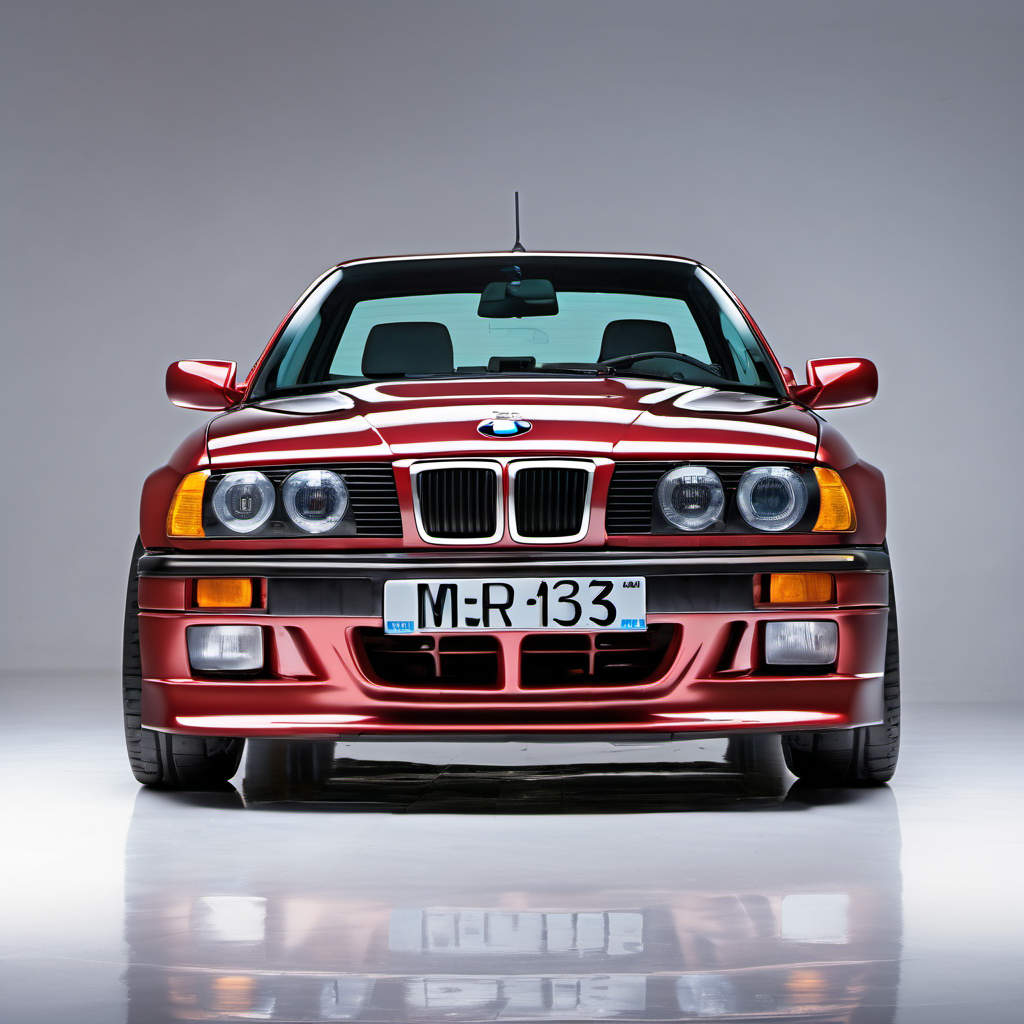
1995 BMW
3.0L S50B30 I6 · Coupe
The 1995 BMW M3 (E36 generation) is a purpose-built performance coupe built around BMW's legendary S50B30 inline-six engine. In U.S. trim, the E36 M3 made 240 hp from a 3.0L naturally aspirated six with individual throttle bodies, a high-revving character, and a soundtrack unlike most anything else on the road at the time. It was lighter and more driver-focused than the standard 3 Series, with a sport-tuned suspension, larger brakes, wider bodywork, and a limited-slip differential as standard. The E36 M3 was BMW's coming-out party for the modern sports sedan/coupe era. It balanced daily usability with genuine track capability, making it both a viable commuter and a weekend canyon carver. Build quality was high for the era, though 30 years of age means almost every example today demands close scrutiny of its service history and rust condition. Owning one in the upper Midwest means accepting that this car needs to be garaged in winter or very carefully protected. Road salt is this car's worst enemy. Done right, a well-maintained E36 M3 is one of the most rewarding analog driving experiences available — but neglected examples can become expensive restoration projects fast.
The 1995 BMW M3 (E36 generation) is a purpose-built performance coupe built around BMW's legendary S50B30 inline-six engine. In U.S. trim, the E36 M3 made 240 hp from a 3.0L naturally aspirated six with individual throttle bodies, a high-revving character, and a soundtrack unlike most anything else on the road at the time. It was lighter and more driver-focused than the standard 3 Series, with a sport-tuned suspension, larger brakes, wider bodywork, and a limited-slip differential as standard. The E36 M3 was BMW's coming-out party for the modern sports sedan/coupe era. It balanced daily usability with genuine track capability, making it both a viable commuter and a weekend canyon carver. Build quality was high for the era, though 30 years of age means almost every example today demands close scrutiny of its service history and rust condition. Owning one in the upper Midwest means accepting that this car needs to be garaged in winter or very carefully protected. Road salt is this car's worst enemy. Done right, a well-maintained E36 M3 is one of the most rewarding analog driving experiences available — but neglected examples can become expensive restoration projects fast.
The E36's cooling system uses plastic components that become brittle with age. A failure can destroy the engine quickly. This is the single most important preventive job on any E36.
The S50 engine has tight tolerances and a high-revving design. Fresh oil protects the VANOS unit and cam journals. Do not stretch BMW's old long-life intervals on a performance engine of this age.
Original VANOS seals harden and crack over time, causing retarded cam timing and rough idle. Rebuilt seals restore low-end torque and drivability. Parts are inexpensive; labor is moderate.
Clogged drains route water into the cabin and directly onto the DME (engine control unit) bracket. ECU water damage is a known and expensive consequence.
Cracked subframe mount points are common on E36 M3s, especially track-driven examples. Catching this early prevents catastrophic structural failure.
Rubber bushings degrade badly in Wisconsin freeze-thaw cycles. Worn bushings make the car vague to drive and accelerate subframe stress.
Brake fluid absorbs moisture over time. On a performance car with high heat cycles, degraded fluid can cause brake fade under hard use.
Corroded grounds on a 30-year-old car cause cascading electrical faults. Cleaning and re-torquing grounds often resolves mysterious warning lights and communication codes.
Always defer to the manufacturer's service manual for warranty-mandated intervals.
Day-to-day costs are moderate if maintenance is kept current, but deferred maintenance catches up quickly and expensively. Parts availability is actually good — the E36 platform has a strong aftermarket and BMW still supplies many OEM parts. Labor costs are higher than average because this is a performance vehicle with tighter tolerances. Budget an extra $1,500–$3,000 in the first year of ownership for catch-up maintenance on any used example.
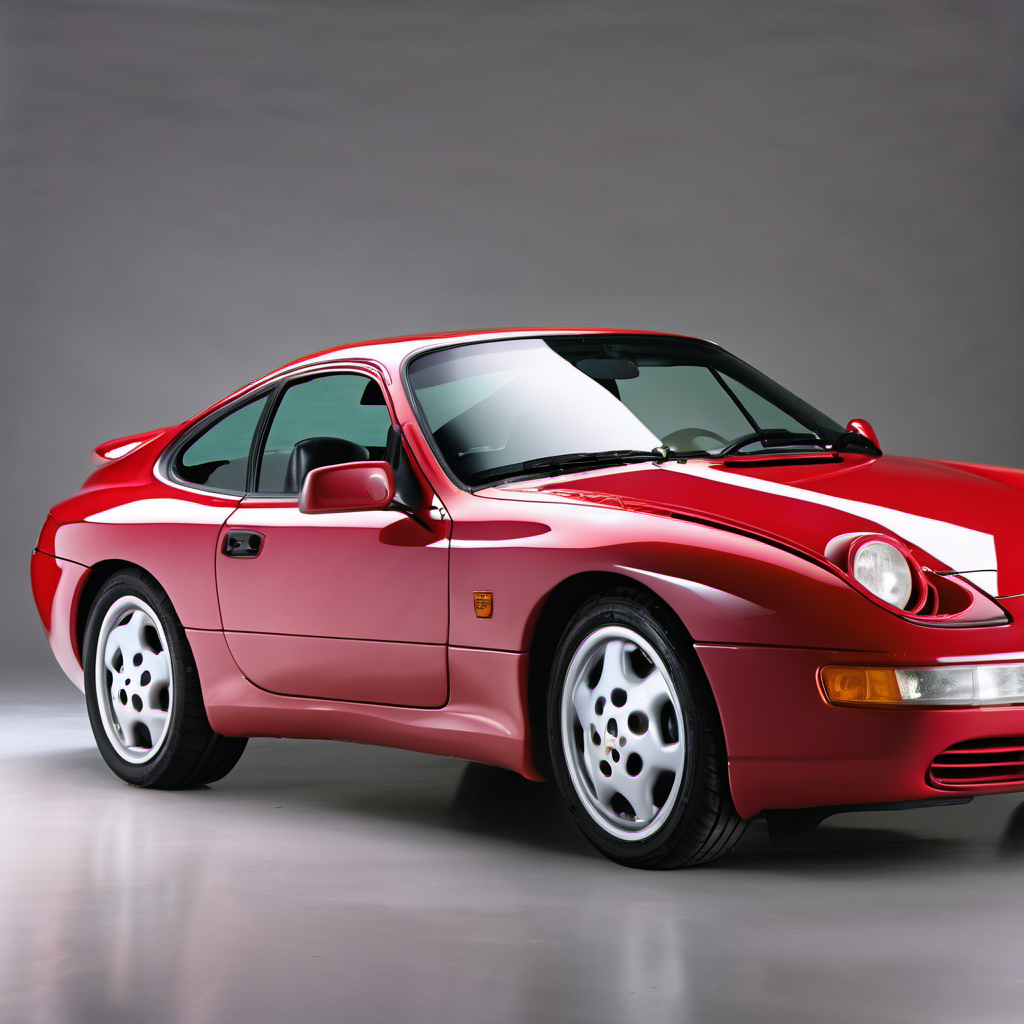
Similar era, similar price segment when new, RWD coupe with a driver-focused character and naturally aspirated engine. Also now a sought-after analog sports car with comparable ownership complexity.
Upper end of the same collectible Japanese/European sports car space. Mid-engine RWD, high-revving naturally aspirated engine, and driver-first philosophy — though substantially more expensive than an E36 M3 today.
No catalog matchGerman performance sedan of the same era. Quattro AWD makes it more practical in Wisconsin winters, but the biturbo V6 carries its own maintenance complexity. A direct rival in the late-90s European sport market.
No catalog matchBMW's most direct factory-sport competitor in this era — same market, same price bracket, same inline-six-based formula. The C36 is rarer but carries similar maintenance demands and collector interest.
No catalog match