Cooling fan belt failure
high- Typically appears
- Any mileage / age-related (every 3–4 years)
- Estimated repair
- $300 – $700
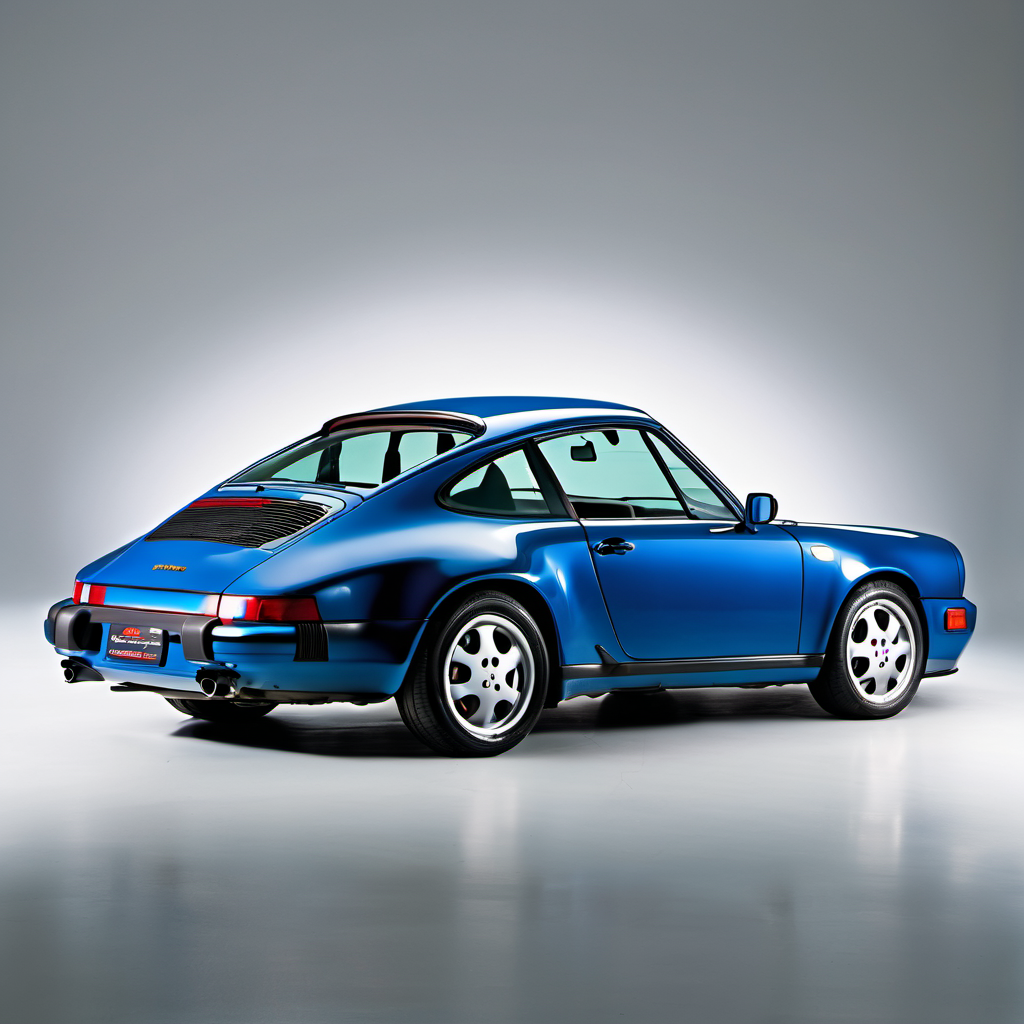
1995 Porsche
Coupe
The 1995 Porsche 911 Coupe is a 993-generation car — the last air-cooled 911 ever built, and widely considered the finest expression of the original 911 formula. It uses a 3.6L air-cooled flat-six mounted behind the rear axle, producing 272 hp in Carrera trim, and backs it up with a redesigned multi-link rear suspension that finally tamed the snap-oversteer reputation of earlier cars. For many enthusiasts, the 993 is the pinnacle: it drives with more mechanical directness than any water-cooled successor while being far more sorted and reliable than the 964 it replaced. As a 30-year-old German sports car, the 993 is firmly in collector territory. Values have climbed substantially over the past decade and are unlikely to reverse. That means ownership is increasingly an investment as much as a driving experience — but it also means deferred maintenance is unacceptable. These cars reward attentive owners and punish neglect quickly and expensively. In Lake Geneva, the 993 is best treated as a three-season car. Road salt is highly corrosive to the aluminum-intensive underbody and exposed brake hardware, and RWD with rear-weight bias demands real respect on snow and ice. A dedicated winter storage plan, battery tender, and annual pre-season inspection are not optional — they're how you protect a significant financial asset.
The 1995 Porsche 911 Coupe is a 993-generation car — the last air-cooled 911 ever built, and widely considered the finest expression of the original 911 formula. It uses a 3.6L air-cooled flat-six mounted behind the rear axle, producing 272 hp in Carrera trim, and backs it up with a redesigned multi-link rear suspension that finally tamed the snap-oversteer reputation of earlier cars. For many enthusiasts, the 993 is the pinnacle: it drives with more mechanical directness than any water-cooled successor while being far more sorted and reliable than the 964 it replaced. As a 30-year-old German sports car, the 993 is firmly in collector territory. Values have climbed substantially over the past decade and are unlikely to reverse. That means ownership is increasingly an investment as much as a driving experience — but it also means deferred maintenance is unacceptable. These cars reward attentive owners and punish neglect quickly and expensively. In Lake Geneva, the 993 is best treated as a three-season car. Road salt is highly corrosive to the aluminum-intensive underbody and exposed brake hardware, and RWD with rear-weight bias demands real respect on snow and ice. A dedicated winter storage plan, battery tender, and annual pre-season inspection are not optional — they're how you protect a significant financial asset.
This is the 993's single most critical maintenance item. The air-cooled engine has no liquid coolant — the fan belt drives the blower that keeps the engine alive. A snapped belt = catastrophic overheating in minutes. Never skip or extend this interval.
Air-cooled engines run hotter than water-cooled ones and place greater thermal demands on oil. Frequent oil changes are the cheapest engine longevity insurance you can buy.
The flat-six's plug access is tight. Fresh plugs ensure clean combustion and prevent fouling that can mask other issues.
Original rubber fuel and vacuum lines are 30 years old. Cracked hoses cause fuel leaks, vacuum leaks, and fire risk. Any line showing cracks or swelling should be replaced immediately.
DOT 4 fluid is hygroscopic and absorbs moisture over time, lowering boiling point. Especially important given Wisconsin's temperature swings and the 993's high-performance braking demands.
The 993's electrical system draws a small continuous load. A tender maintains proper charge, prevents sulfation, and ensures reliable starts when you bring it out of storage in spring.
Rubber compounds degrade with age regardless of mileage. On a rear-engined RWD sports car, a tire that suddenly lets go on a corner is extremely dangerous. Check the DOT date code on each tire.
Even if you don't drive it in winter, road salt can be tracked into storage areas and settle on the underbody. Inspect and treat any surface rust before it penetrates into brake lines or structural metal.
Always defer to the manufacturer's service manual for warranty-mandated intervals.
The 993 is an expensive car to own correctly. Routine maintenance is straightforward but parts are pricey and any qualified shop must have Porsche experience. Budget $1,800–$3,000/year for normal upkeep on a well-maintained example. A car with deferred maintenance or one that needs an engine-out job (seal replacement, head studs, cooling fan belt) can run $3,000–$12,000+ in a single service visit. The cost of ownership is front-loaded toward catching up neglected cars — buy the best-documented example you can afford.
Italian mid-engine sports car from the same era and collector price bracket. More exotic but significantly more expensive to maintain and less reliable day-to-day.
No catalog matchThe NSX is the closest peer in driver engagement and build quality. More reliable and easier to service, but rarer and commanding similar or higher collector premiums.
No catalog match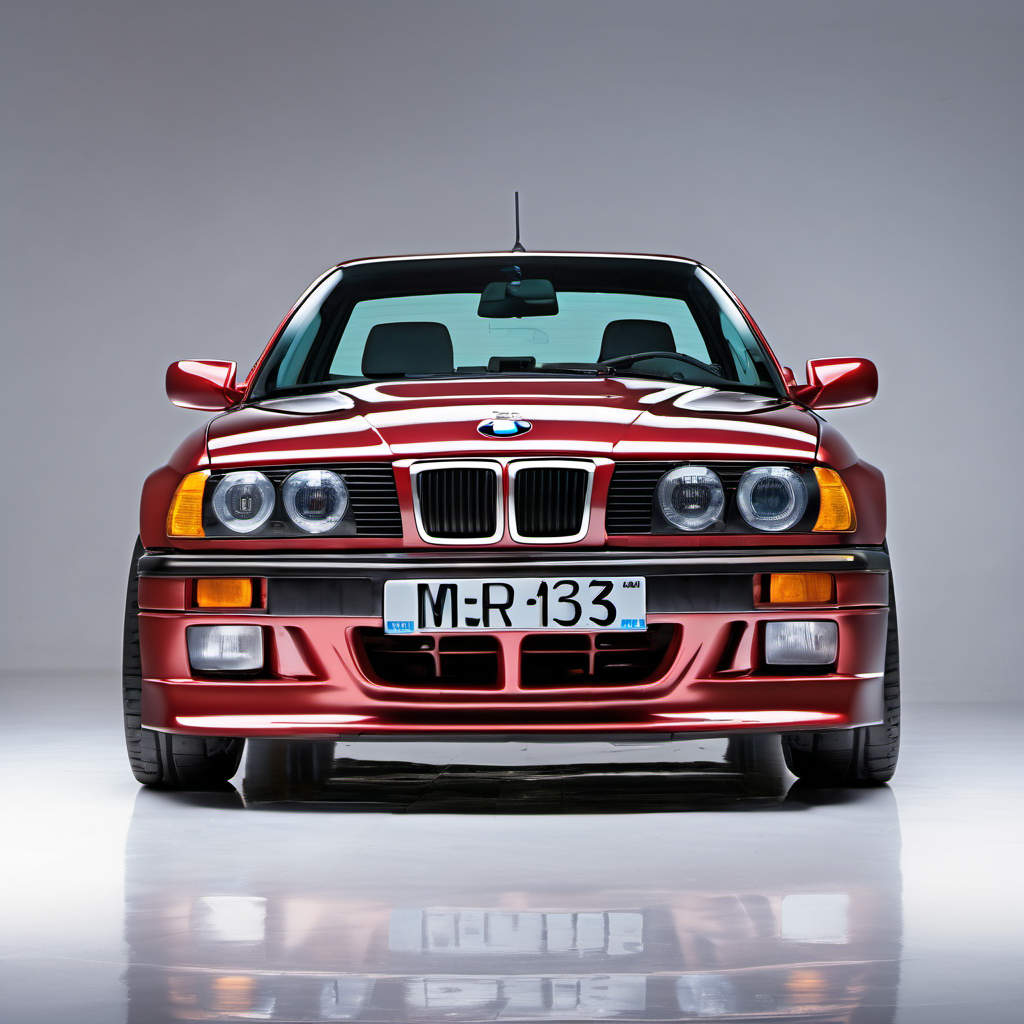
E36 M3 occupies the same enthusiast-coupe space at a far lower price point. Less exotic but easier to find specialists, cheaper to maintain, and still a serious driver's car.
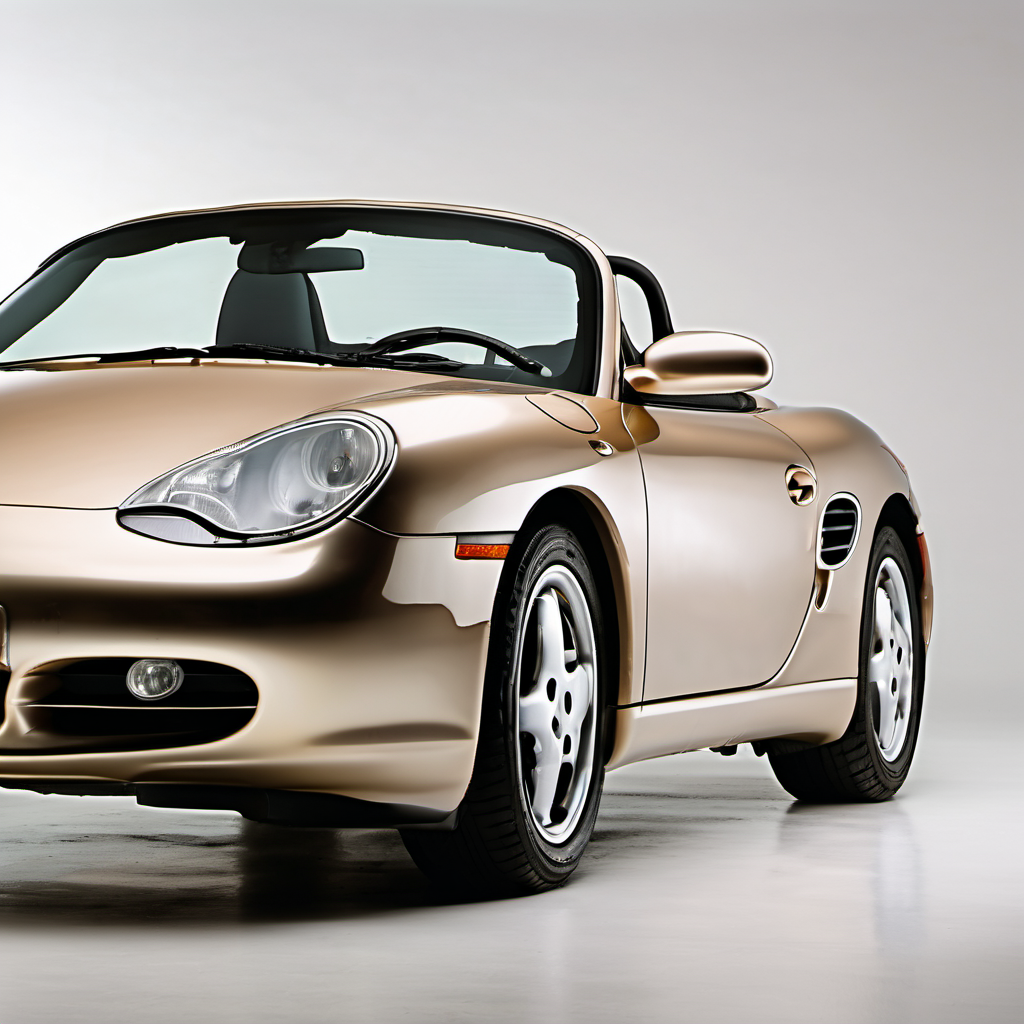
The 986 Boxster shares Porsche DNA at a much lower acquisition and running cost. A practical alternative for buyers who want the marque experience without collector-car expense.