Suspension bushing and ball joint wear
high- Typically appears
- 80k+ mi (or any age-deteriorated example)
- Estimated repair
- $400 – $1,200
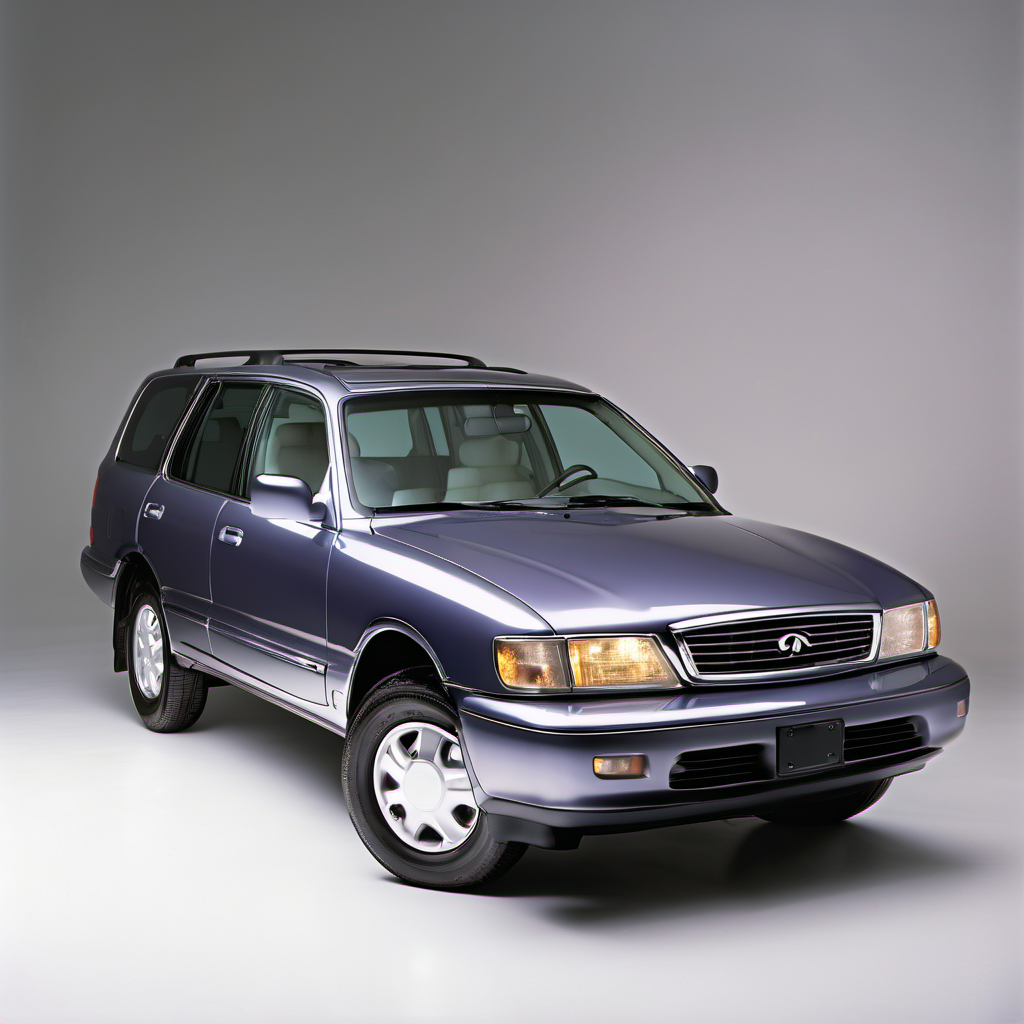
1995 INFINITI
3.0L V6 (VG30DE) · Sedan
The 1995 Infiniti J30 is a rear-wheel-drive luxury sedan built on Nissan's Y32 platform, sharing its bones with the Nissan Leopard sold in Japan. It was sold in the U.S. from 1993 to 1997 as a mid-size alternative to the Q45, positioned between a sporty driver's car and a traditional luxury cruiser. Power comes from a 3.0L VG30DE V6 producing 210 horsepower, paired with a 4-speed automatic. The J30 was never a big seller in the U.S. — Infiniti moved it quietly out of the lineup after 1997 — but those who found it appreciated its smooth V6, genuinely car-like driving feel for a rear-driver, and well-appointed interior. Parts availability has become the biggest challenge in keeping one on the road today, as the ownership base is small and some Nissan-branded equivalents don't always cross-reference cleanly. At 30 years old, any surviving J30 is a niche ownership proposition. Expect to hunt for parts, lean on Nissan/OEM supplier networks, and do your homework before purchase. It is not a vehicle for someone who needs reliable daily transportation without mechanical involvement.
The 1995 Infiniti J30 is a rear-wheel-drive luxury sedan built on Nissan's Y32 platform, sharing its bones with the Nissan Leopard sold in Japan. It was sold in the U.S. from 1993 to 1997 as a mid-size alternative to the Q45, positioned between a sporty driver's car and a traditional luxury cruiser. Power comes from a 3.0L VG30DE V6 producing 210 horsepower, paired with a 4-speed automatic. The J30 was never a big seller in the U.S. — Infiniti moved it quietly out of the lineup after 1997 — but those who found it appreciated its smooth V6, genuinely car-like driving feel for a rear-driver, and well-appointed interior. Parts availability has become the biggest challenge in keeping one on the road today, as the ownership base is small and some Nissan-branded equivalents don't always cross-reference cleanly. At 30 years old, any surviving J30 is a niche ownership proposition. Expect to hunt for parts, lean on Nissan/OEM supplier networks, and do your homework before purchase. It is not a vehicle for someone who needs reliable daily transportation without mechanical involvement.
The VG30DE rewards frequent oil changes. At this age, sludge from neglected intervals is one of the top engine killers. Use a quality conventional or synthetic 5W-30.
Old coolant turns acidic and attacks aluminum components. A 30-year-old cooling system needs fresh fluid on a strict schedule.
Nissan's RE4R01A unit is durable but sensitive to burnt fluid. Many survivors have never had a fluid service — address this immediately upon purchase.
All rubber on this car is at or well past end of service life. A blowout of a coolant hose or PS line can strand you or cause engine damage.
Deteriorated plug wires cause misfires and rough idle on the VG30DE. NGK or equivalent OEM-spec plugs are preferred.
Brake fluid absorbs moisture over time, lowering boiling point. On a 30-year-old car, this is overdue regardless of mileage.
Wisconsin road salt will accelerate frame and unibody rust. Inspect subframe mounting points, brake lines, and fuel lines closely before and after each winter.
The VG30DE uses a timing belt. A snapped belt means engine damage. Confirm service history; if unknown, replace immediately.
Always defer to the manufacturer's service manual for warranty-mandated intervals.
Day-to-day running costs are reasonable if the car is already in good shape. The risk is deferred maintenance or hard-to-source parts: a single power steering rack, transmission rebuild, or electrical diagnosis on a vehicle this old and rare can quickly reach $1,500–$3,000+. Budget conservatively, especially in the first year of ownership while you're catching up on 30 years of potential neglect.
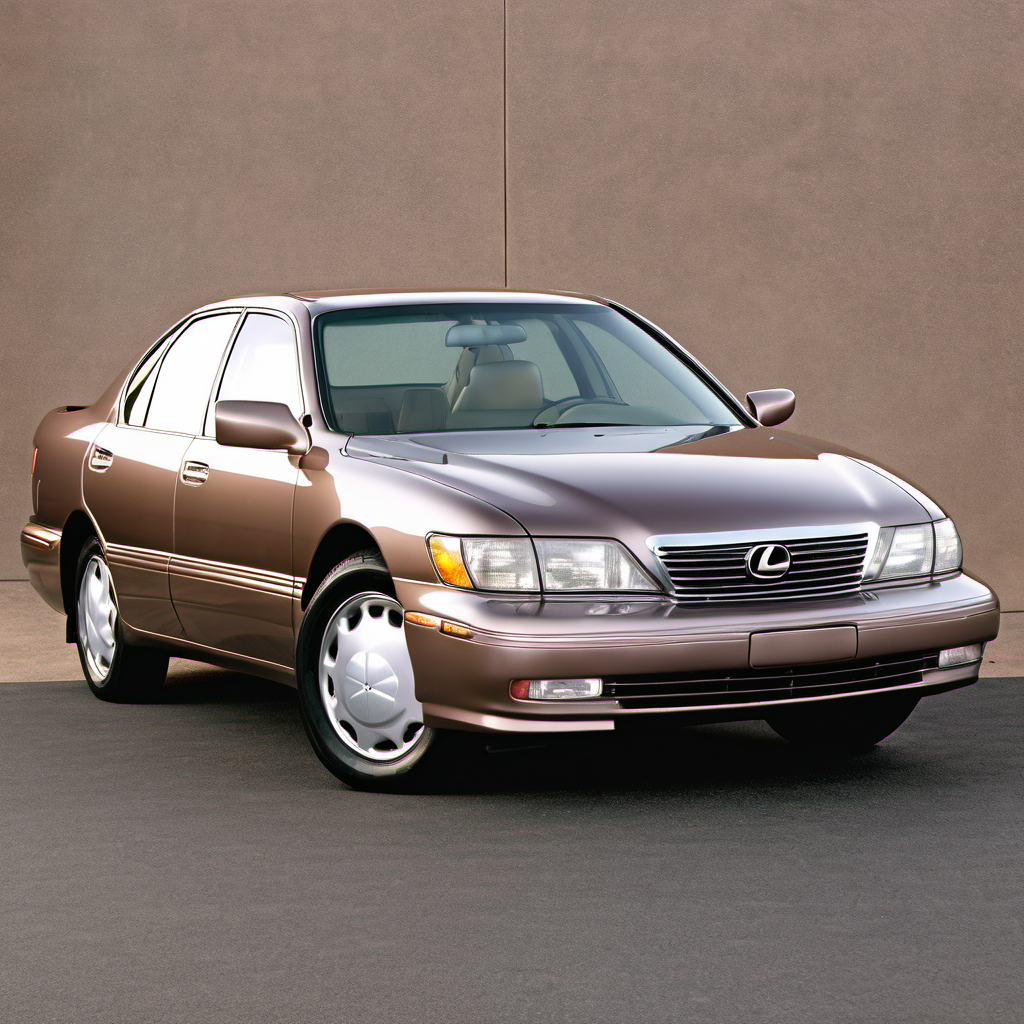
Same era, same price band, V6-powered Japanese luxury sedan. FWD instead of RWD, but far better parts availability and a larger owner community.
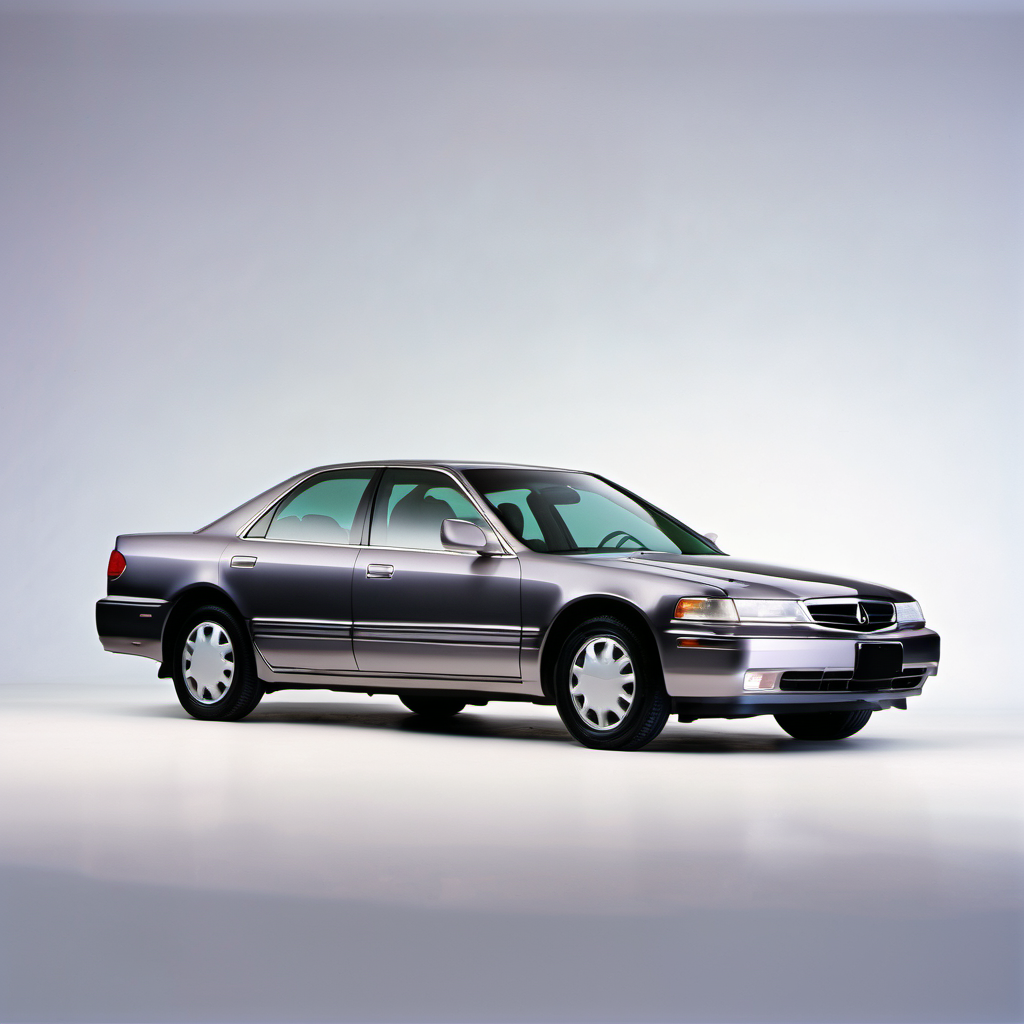
V6 Japanese luxury sedan from the same period with similar MSRP. Better parts support and stronger long-term reliability reputation.
RWD luxury sedan with similar sporting intent and era. More expensive to maintain but far better parts availability and enthusiast support network.
No catalog match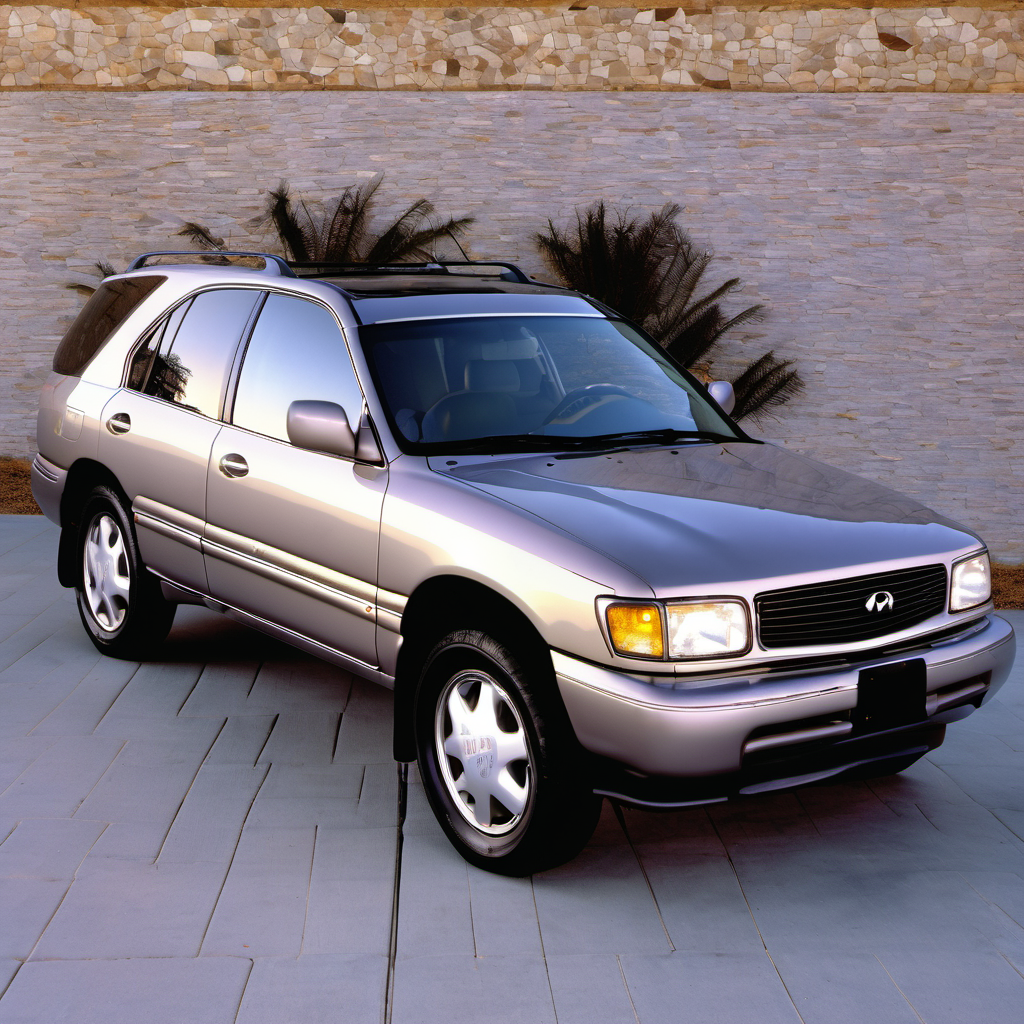
Infiniti's flagship from the same era — larger, V8-powered, shares some platform DNA. Similar parts scarcity challenges but more recognized in the collector space.