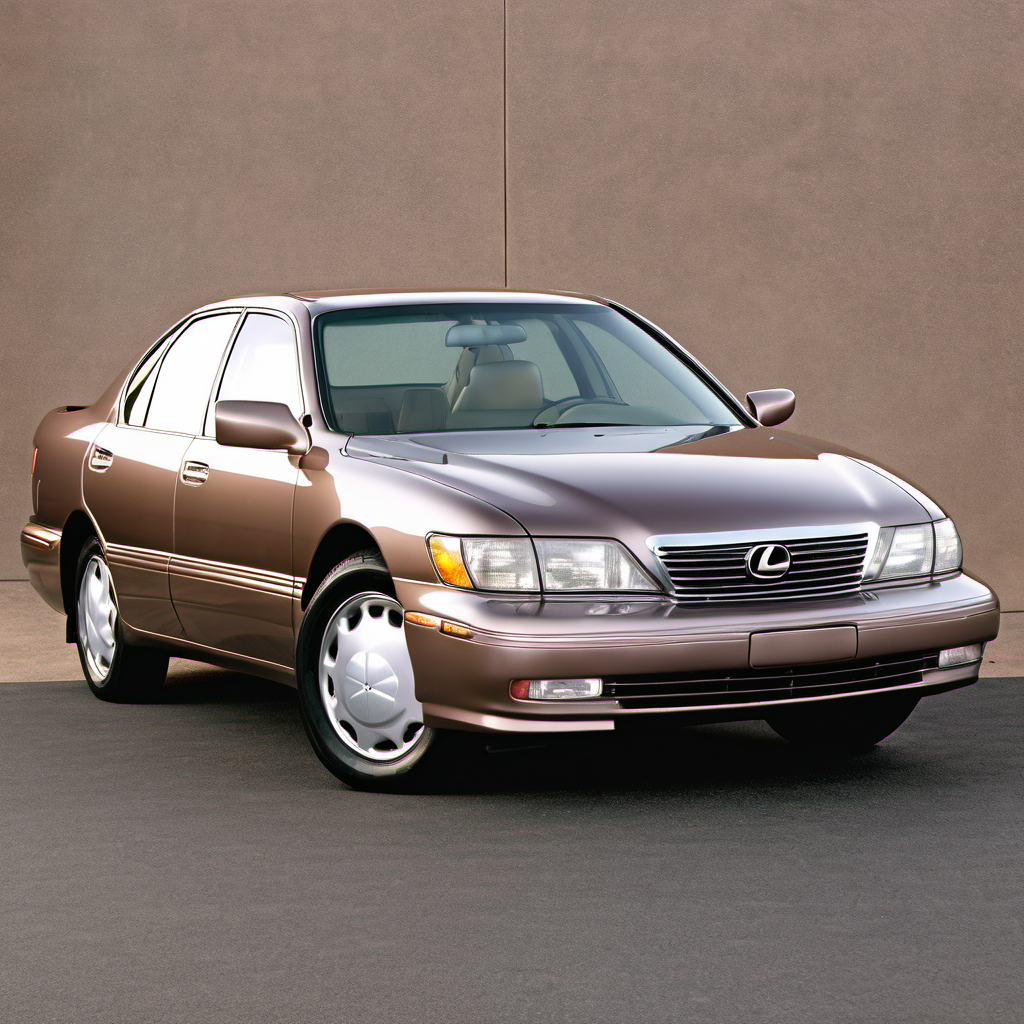
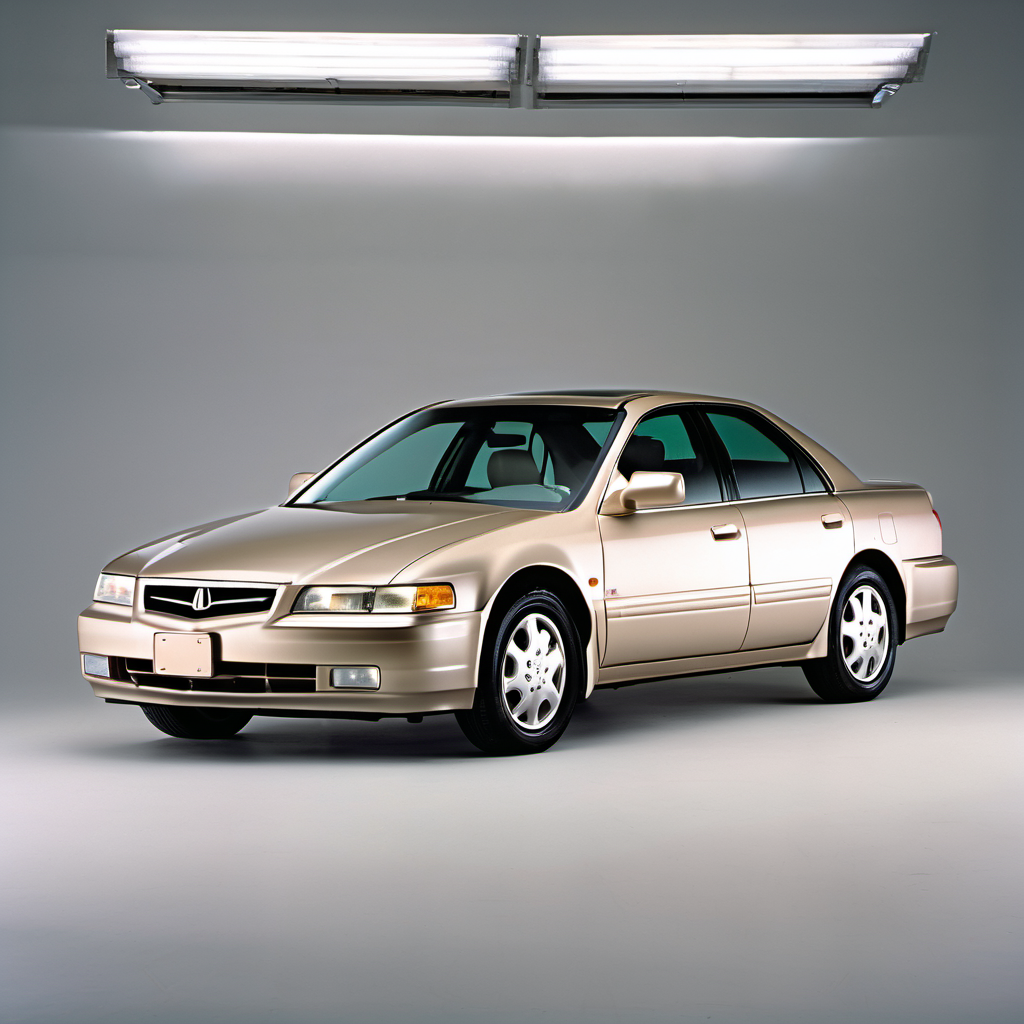
1995 Lexus ES Sedan

1995 Lexus

ESSedan

Sedan

The 1995 Lexus ES 300 is the third-generation ES, riding on Toyota's Camry XV10 platform but wrapped in a quieter, more luxurious package. Powered by Toyota's proven 3VZ-FE 3.0L V6 mated to a smooth 4-speed automatic, it earned a reputation for bulletproof reliability and a serene cabin that punched well above its price point. By 1995 Lexus had sorted out the early teething issues of the generation, making this a particularly solid model year. At nearly 30 years old, any surviving ES 300 is a high-mileage veteran. The good news: the mechanicals are robust enough that well-maintained examples still run strong. The bad news: rubber, seals, electronics, and cooling components are all age-stressed regardless of mileage. Budget for deferred maintenance rather than expecting a clean bill of health. For a Lake Geneva buyer, the FWD layout is adequate in typical Wisconsin winters with a good set of snow tires. The low ride height and aging rubber underbody components mean road salt and pothole damage deserve close inspection on any used example.

Reliability
4/5
Verified data
Specs shown for ES 300 — the most common configuration. Other trims may vary in engine, drivetrain, or fuel economy. Sign in to see your vehicle's exact specs.
Engine
[object Object]
Drivetrain
FWD
Fuel
Gasoline
MPG
18 city / 26 hwy / 21 combined
Seats
Doors
Body
Compact Cars

Overview

AI-curated

The 1995 Lexus ES 300 is the third-generation ES, riding on Toyota's Camry XV10 platform but wrapped in a quieter, more luxurious package. Powered by Toyota's proven 3VZ-FE 3.0L V6 mated to a smooth 4-speed automatic, it earned a reputation for bulletproof reliability and a serene cabin that punched well above its price point. By 1995 Lexus had sorted out the early teething issues of the generation, making this a particularly solid model year. At nearly 30 years old, any surviving ES 300 is a high-mileage veteran. The good news: the mechanicals are robust enough that well-maintained examples still run strong. The bad news: rubber, seals, electronics, and cooling components are all age-stressed regardless of mileage. Budget for deferred maintenance rather than expecting a clean bill of health. For a Lake Geneva buyer, the FWD layout is adequate in typical Wisconsin winters with a good set of snow tires. The low ride height and aging rubber underbody components mean road salt and pothole damage deserve close inspection on any used example.

Known for
  • Exceptionally quiet, refined cabin for the era
  • Toyota 3VZ-FE V6 engine known for longevity
  • Smooth, predictable FWD handling
  • Strong resale hold through the late '90s and 2000s
  • Upscale features at a fraction of European luxury car running costs
Best for
  • Buyers wanting affordable, proven Japanese luxury
  • Daily commuters prioritizing comfort over sport
  • Owners who prefer low-drama, low-cost maintenance
  • Someone needing a reliable second car or retiree cruiser
Watch for
  • 30-year-old coolant hoses, belts, and seals — all age-critical
  • Rust on subframe, brake lines, and undercarriage from road salt exposure
  • Neglected timing belt (interference-adjacent — valve damage if snapped)
  • Original automatic transmission fluid never changed — common on used examples
  • Power window regulators and door lock actuators failing with age

Common issues by mileage

6 known

Timing Belt Failure / Overdue Replacement

high
Typically appears
60–90k mi intervals
Estimated repair
$400 – $650

Cooling System Hose and Thermostat Deterioration

high
Typically appears
80–150k mi
Estimated repair
$200 – $500

Automatic Transmission Slipping / Harsh Shifts (Neglected Fluid)

medium
Typically appears
100–180k mi
Estimated repair
$150 – $2,800

Power Window Regulator Failure

high
Typically appears
80k+ mi / age-related
Estimated repair
$150 – $300

Oxygen Sensor Heater Circuit Fault

medium
Typically appears
100–160k mi
Estimated repair
$100 – $280

Brake Line and Undercarriage Rust (Salt Belt Corrosion)

high
Typically appears
Any mileage on Upper Midwest vehicles
Estimated repair
$300 – $1,200

Maintenance schedule

  1. 1
    Every 60k miles or 5 years — whichever comes first Timing Belt and Water Pump Replacement

    The 3VZ-FE is an interference-adjacent engine. A snapped belt risks serious valve/piston damage. The water pump is driven by the same belt — replace it at the same time to avoid paying labor twice.

  2. 2
    Every 2 years or 30k miles Engine Coolant Full Flush

    30-year-old cooling systems have accumulated scale and acidic coolant. A full flush with new OEM-spec coolant protects the aluminum heads and aging rubber hoses.

  3. 3
    Every 30k miles — especially if history is unknown Automatic Transmission Fluid Change

    Toyota A540E transmissions on these cars last a very long time with clean fluid. Dark, burnt ATF is the #1 cause of early transmission failure on high-mileage examples.

  4. 4
    Every 2 years Brake Fluid Flush

    Glycol-based brake fluid absorbs moisture over time, lowering boiling point and accelerating internal corrosion in calipers and the ABS modulator — a real concern on an aging vehicle.

  5. 5
    At purchase, then every 4–5 years Inspect and Replace Coolant Hoses and Belts

    Original or long-installed rubber is 30 years old. Hoses crack from the inside out and look fine externally. Squeeze them; if they feel hard or crunchy, replace immediately.

  6. 6
    Every 30k miles Spark Plugs and Wires

    The 3VZ-FE uses conventional plugs. Fresh plugs improve cold-start performance in Wisconsin winters and prevent misfires that stress the catalytic converter.

  7. 7
    Every fall before road salt season Undercarriage Rust Inspection and Treatment

    Check brake lines, fuel lines, and subframe mounting points for rust perforation. Treat exposed metal annually. This is the top structural threat on any Upper Midwest vehicle of this age.

  8. 8
    Every fall Battery Load Test

    Cold cranking amps drop significantly in sub-zero temps. A battery that passes a summer test can fail its first cold morning in January. Test and replace proactively every 3–4 years.

Always defer to the manufacturer's service manual for warranty-mandated intervals.

Cost of ownership

Annual maintenance
$600 – $1,400
Fuel
At 21 MPG combined and ~12,000 miles/year, expect roughly $1,400–$1,700/year at current Midwest regular unleaded prices.
Insurance
Typically low — this is a 30-year-old non-performance sedan. Expect $600–$1,000/year for standard full coverage in the Lake Geneva area depending on driver profile.

The ES 300 is one of the cheaper luxury cars to own once it's fully serviced. Parts are largely shared with the Camry V6, keeping costs down at independent shops. The big wildcard on a 1995 example is catch-up maintenance — if timing belt, cooling system, and transmission service are all overdue, first-year costs can easily hit $2,000–$3,000. Once sorted, ongoing annual costs are modest.
Seasonal care

Lake Geneva, WI
Winter
  • Install a dedicated set of winter tires — the FWD layout helps in snow, but the low ground clearance and street-oriented all-seasons that come on most examples are marginal in heavy Wisconsin snow.
  • Load-test the battery every October. Sub-zero cranking on a marginal battery will leave you stranded. Replace if more than 3–4 years old.
  • Switch to a winter-rated windshield washer fluid (rated to at least -20°F). The original reservoir and lines can crack if freezing fluid expands inside them.
  • Inspect and replace wiper blades before first snowfall. Consider winter-specific beam blades that don't pack with ice.
  • After every significant salt exposure, rinse the undercarriage at a touchless car wash — especially around the brake lines, fuel lines, and wheel wells on this age of vehicle.
  • Verify your coolant freeze protection is rated to at least -34°F with a test strip or refractometer. At 30 years old, coolant concentration drift is common.
Summer
  • Check tire pressure monthly — Wisconsin summer heat causes pressure to fluctuate. Under-inflation on this heavier sedan accelerates edge wear.
  • Inspect the A/C system for refrigerant leaks and weak compressor clutch engagement. Original R-134a systems on '95 models can develop seal leaks with age.
  • Check coolant level and hose condition before any long highway trip. Heat soak in traffic is a real risk on a 30-year-old cooling system.
  • Inspect the cabin air filter (if equipped) or clean the fresh-air intake path — pollen and debris restrict airflow and reduce A/C effectiveness.
  • Park in shade when possible. The original dashboard plastics on 1995 Lexus interiors are brittle with age and UV damage accelerates cracking.

Comparable vehicles

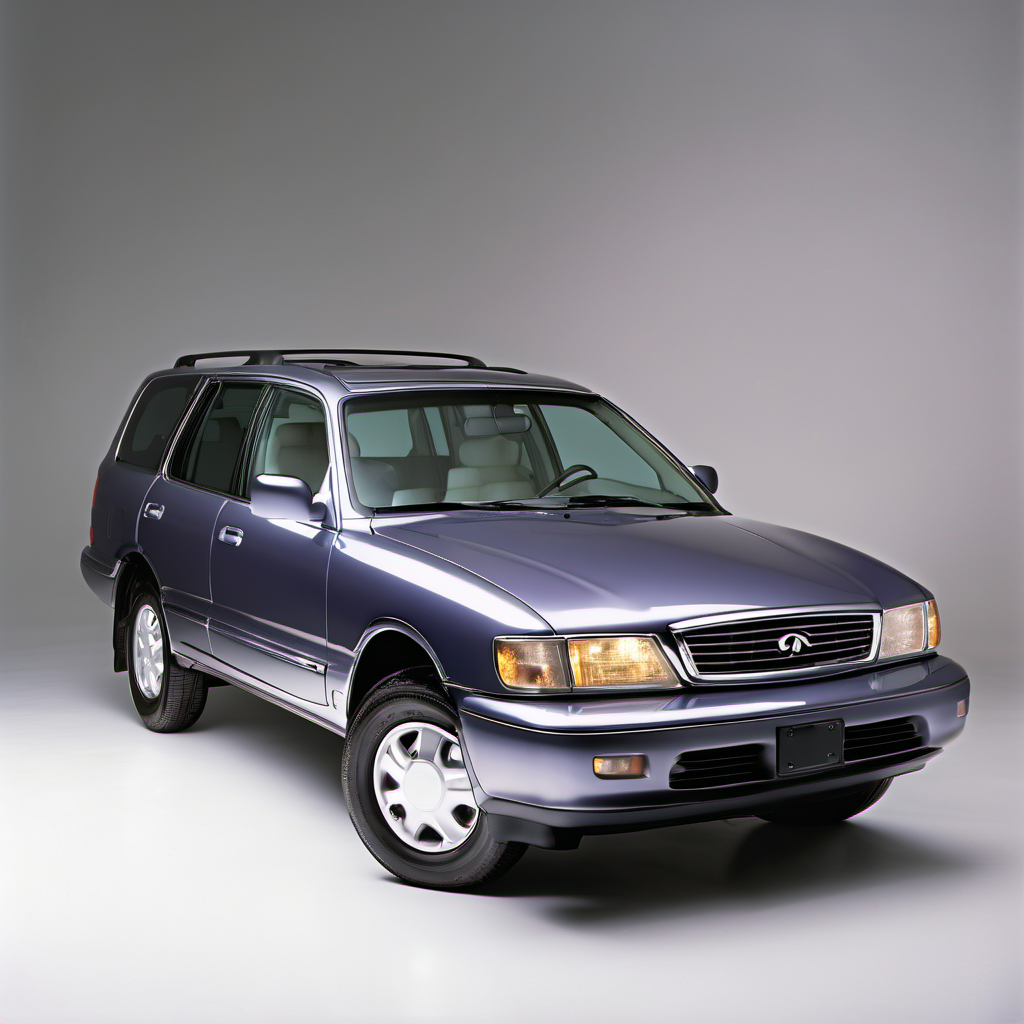
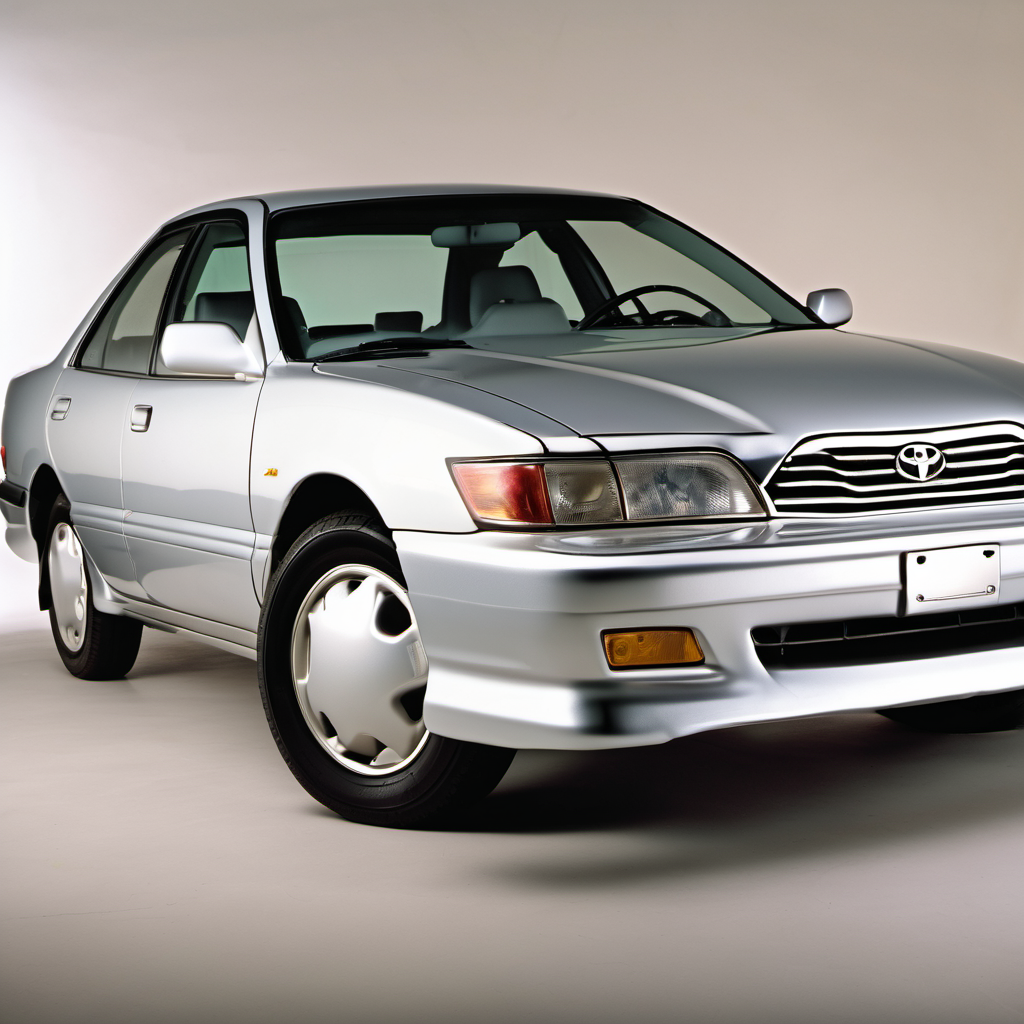
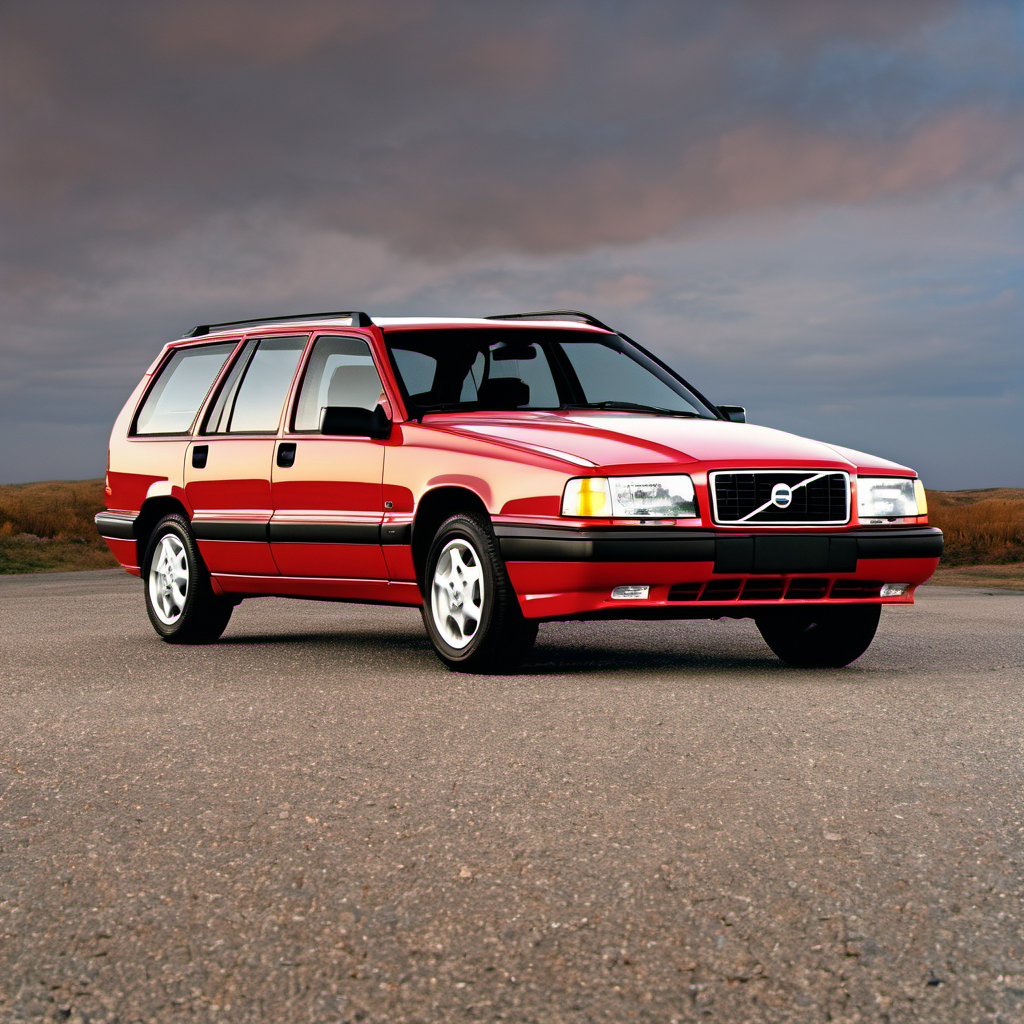
If you're shopping for one

Red flags
  • No maintenance records whatsoever — on a 30-year-old car, that's a red flag, not just a yellow one.
  • Overheating history or a cracked/stained coolant reservoir — could indicate a blown head gasket on a neglected cooling system.
  • Transmission fluid that is dark brown or smells burnt — the transmission may already be compromised.
  • Rust holes or significant perforation on brake lines or the subframe — walk away immediately; repair costs exceed the car's value.
  • Check engine light on, or evidence that it's been recently cleared (a scan showing no readiness monitors set is a tip-off).
  • Accident history that involved the front end — FWD drivetrain components and alignment geometry are expensive to repair correctly on this platform.
What to inspect
  • Timing belt: ask for receipts. If unknown, budget for immediate replacement before driving it hard.
  • Undercarriage: get it on a lift and look at every brake line, fuel line, and subframe mount for rust perforation. This is the #1 deal-breaker on Upper Midwest examples.
  • Transmission: test drive with attention to smooth upshifts through all 4 gears. Any flaring, slipping, or harsh engagement points to neglected fluid or internal wear.
  • Cooling hoses: squeeze each one — hard, brittle, or cracked hoses are a failure waiting to happen.
  • Check for oil leaks at the valve cover gaskets and the rear main seal — common age-related seepage.
  • Power windows: test all four windows and the sunroof (if equipped) — regulator failures are common and worth negotiating on.
  • A/C: confirm it blows cold. Recharging and repairing an original 1995 system can be $300–$600+.
AI profile generated 4 days ago · claude-sonnet-4-6 · v2.