Timing Belt Failure (Interference Engine)
high- Typically appears
- 60–120k mi (or by age — every 7 years regardless)
- Estimated repair
- $600 – $1,100
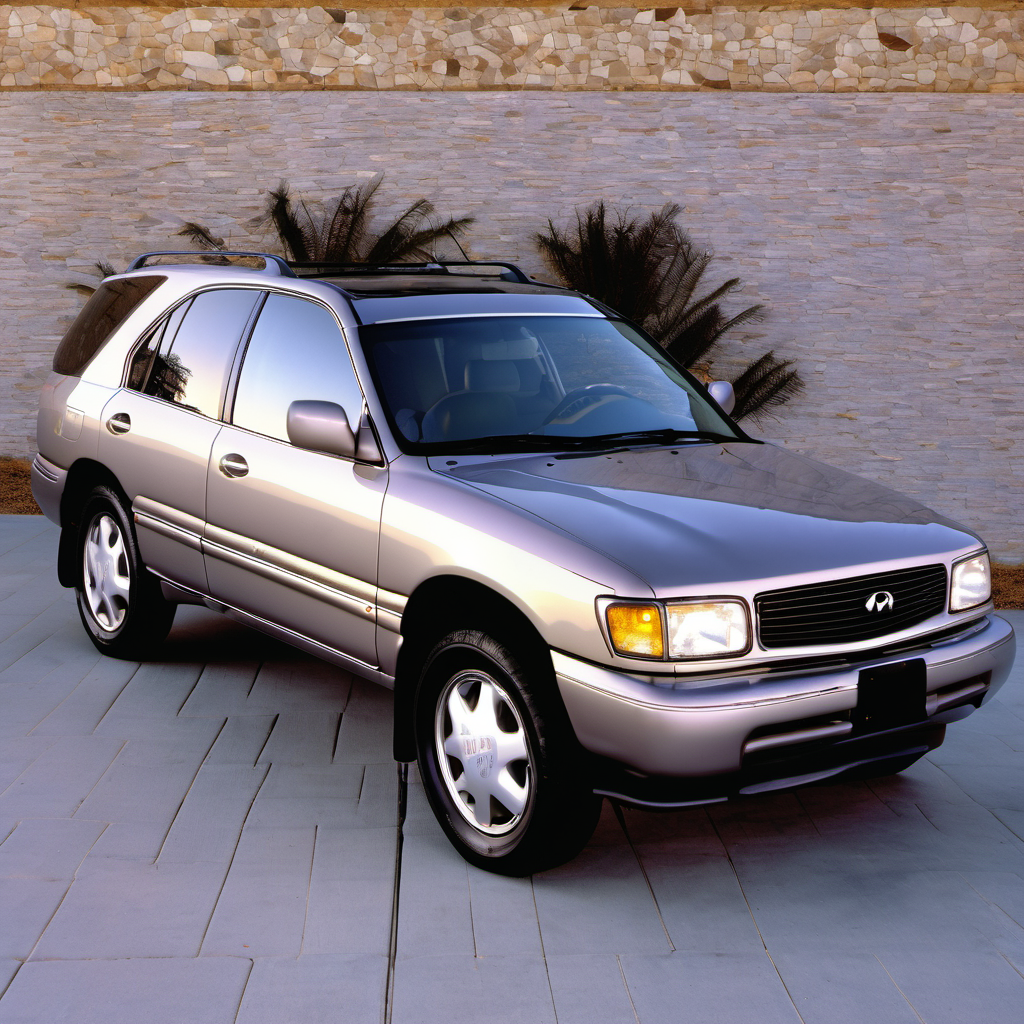
1995 INFINITI
4.5L V8 DOHC (VH45DE) · Sedan
The 1995 Infiniti Q45 is the flagship full-size luxury sedan from Infiniti's first generation (1990–1996). It was built on Nissan's Y32 platform and positioned as a direct competitor to the Mercedes-Benz S-Class and Lexus LS 400. Infiniti's unusual choice to launch the brand with the Q45 rather than a familiar nameplate made it a bit of a cult car — respected by enthusiasts but underappreciated in the market. Power comes from the VH45DE, a 4.5-liter DOHC V8 that was genuinely impressive for its time — smooth, torquey, and durable when properly maintained. The 1995 model received a minor refresh from the 1990–1993 first-generation design, and the Active Suspension option was dropped after 1993, simplifying ownership considerably. At nearly 30 years old, the Q45 has depreciated to bargain-basement prices. Parts availability has narrowed as the car ages, and finding a well-maintained example takes patience. That said, owners who maintain the engine oil religiously often see these cars push well past 200,000 miles. For a buyer who enjoys a big, quiet, RWD V8 sedan and isn't afraid of a vintage Nissan/Infiniti parts hunt, it remains one of the great Japanese luxury sleepers.
The 1995 Infiniti Q45 is the flagship full-size luxury sedan from Infiniti's first generation (1990–1996). It was built on Nissan's Y32 platform and positioned as a direct competitor to the Mercedes-Benz S-Class and Lexus LS 400. Infiniti's unusual choice to launch the brand with the Q45 rather than a familiar nameplate made it a bit of a cult car — respected by enthusiasts but underappreciated in the market. Power comes from the VH45DE, a 4.5-liter DOHC V8 that was genuinely impressive for its time — smooth, torquey, and durable when properly maintained. The 1995 model received a minor refresh from the 1990–1993 first-generation design, and the Active Suspension option was dropped after 1993, simplifying ownership considerably. At nearly 30 years old, the Q45 has depreciated to bargain-basement prices. Parts availability has narrowed as the car ages, and finding a well-maintained example takes patience. That said, owners who maintain the engine oil religiously often see these cars push well past 200,000 miles. For a buyer who enjoys a big, quiet, RWD V8 sedan and isn't afraid of a vintage Nissan/Infiniti parts hunt, it remains one of the great Japanese luxury sleepers.
The VH45DE is an interference engine. A snapped timing belt bends valves and can total the engine. On a 30-year-old car, age matters as much as mileage — dried, cracked belts fail without warning. Always replace the water pump at the same time since it's driven by the timing belt.
Oil cleanliness is the single biggest factor in VH45DE longevity. The DOHC valvetrain is sensitive to sludge. Extended intervals on old oil accelerate wear. Use the shorter interval if the car sits for long stretches.
Old coolant turns acidic and corrodes the aluminum engine components. At this age, inspect all hoses, clamps, and the radiator while the system is open.
Brake fluid absorbs moisture over time, lowering boiling point and accelerating corrosion in calipers and lines. Particularly important in Wisconsin where brake lines are already under salt attack.
Steel brake and fuel lines on a Wisconsin-road car are prime corrosion targets. A failed brake line is a safety emergency. Proactive inspection is far cheaper than emergency roadside repair.
The V8 has 8 plugs and aging plug wires. Old wires crack and arc, causing misfires that load the catalytic converters and damage O2 sensors.
The 4-speed automatic and rear differential on a 30-year-old car have likely never had fresh fluid. Dark, burnt-smelling fluid means the clutch packs have been cooking. Fresh fluid won't fix a worn unit, but old fluid accelerates the damage.
Everything rubber on a 1995 vehicle is at or well past end-of-life. Coolant hoses, serpentine belt, suspension bushings, and CV boots are all candidates for preventive replacement. One failed hose can cause an overheat that damages the engine.
Always defer to the manufacturer's service manual for warranty-mandated intervals.
The Q45 has an extremely low purchase price today, but maintenance costs on a 30-year-old import luxury sedan can be significant. Parts are harder to find than for mainstream Japanese cars, and labor hours on a DOHC V8 add up quickly. Budget for a thorough deferred-maintenance catch-up at purchase ($1,500–$3,500 is realistic if the car hasn't been well kept). Ongoing costs are moderate if the car is already sorted, but unexpected repairs — a timing belt job, a power steering rack, or rust-related brake line work — can each run $500–$1,000+ at an independent shop.
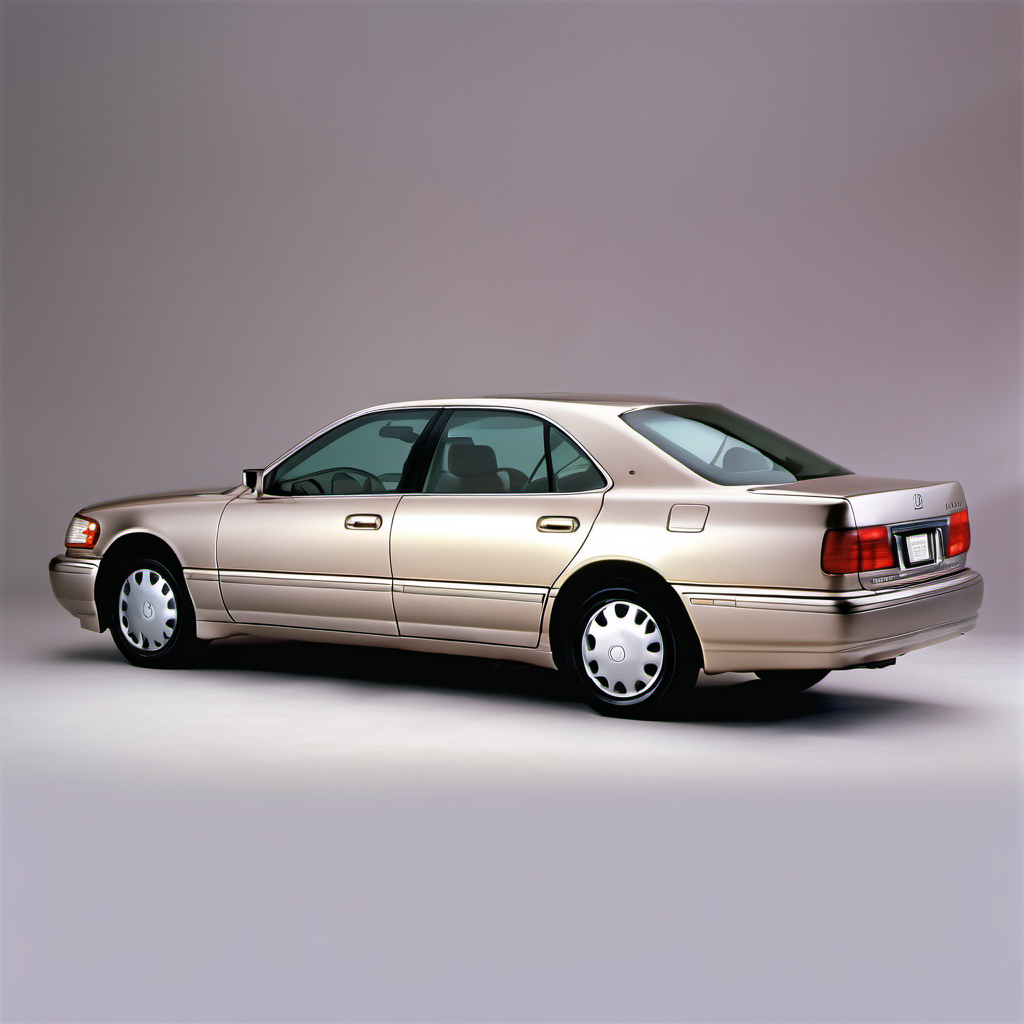
The direct rival — also a Japanese V8 luxury sedan from the same era. The LS 400 has better parts availability and a stronger reliability reputation, but costs more to buy. A better daily driver; the Q45 is more of an enthusiast's choice.
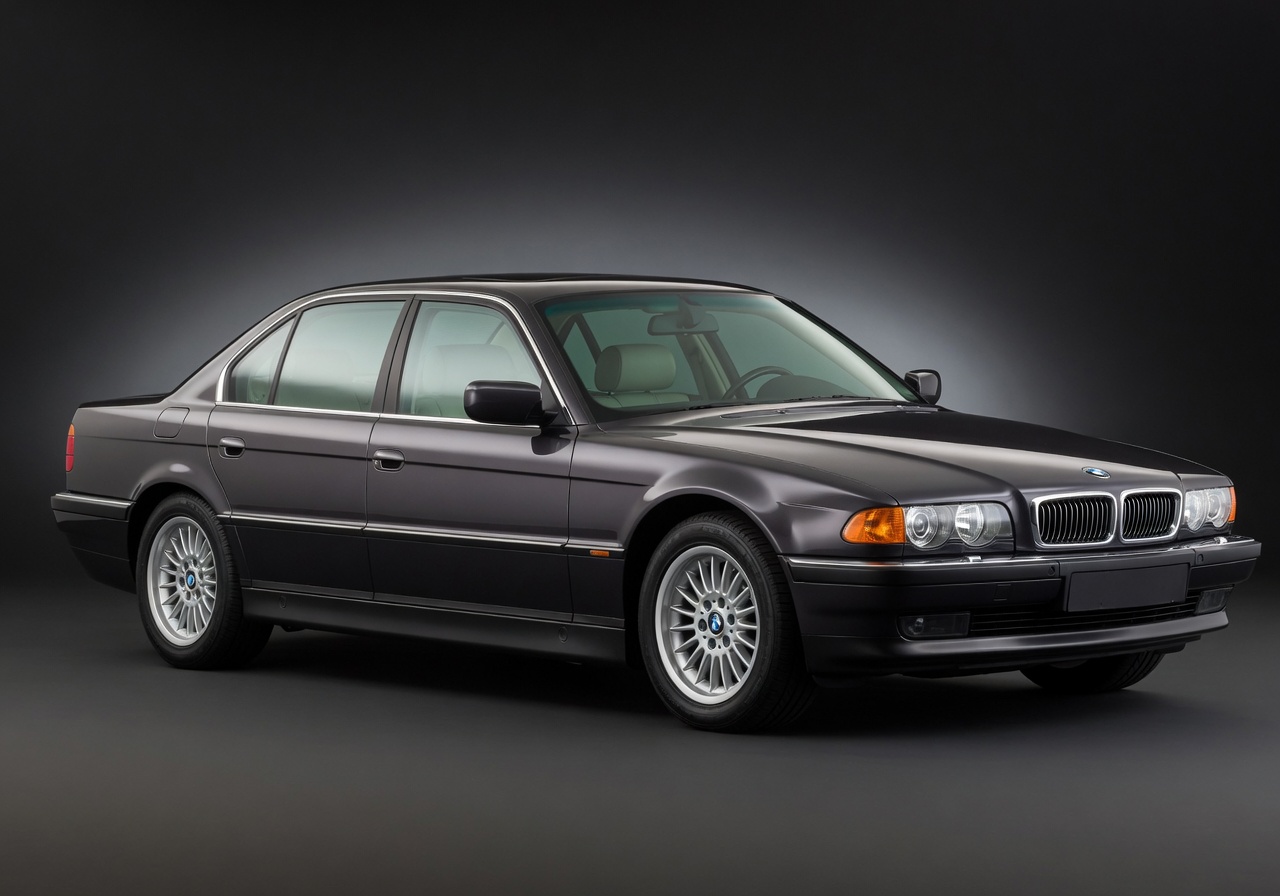
Same full-size RWD luxury sedan segment. The E38 7 Series offers a more driver-focused experience but brings higher European maintenance costs and more complex electronics. Parts support is better but pricier.
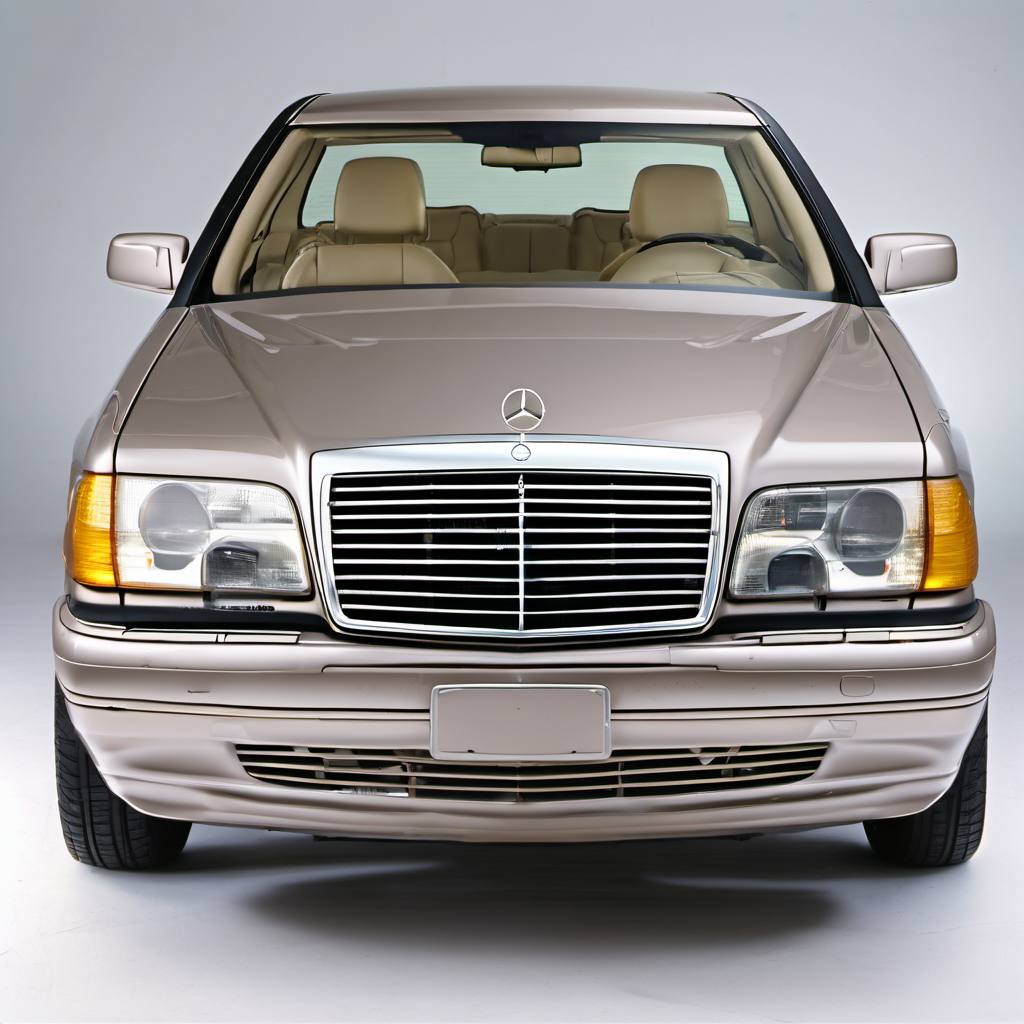
The W140 S-Class was the Q45's flagship target. Comparable size and luxury, but maintenance costs are considerably higher and it is more complex. The Q45 wins on simplicity and reliability if both are neglected.
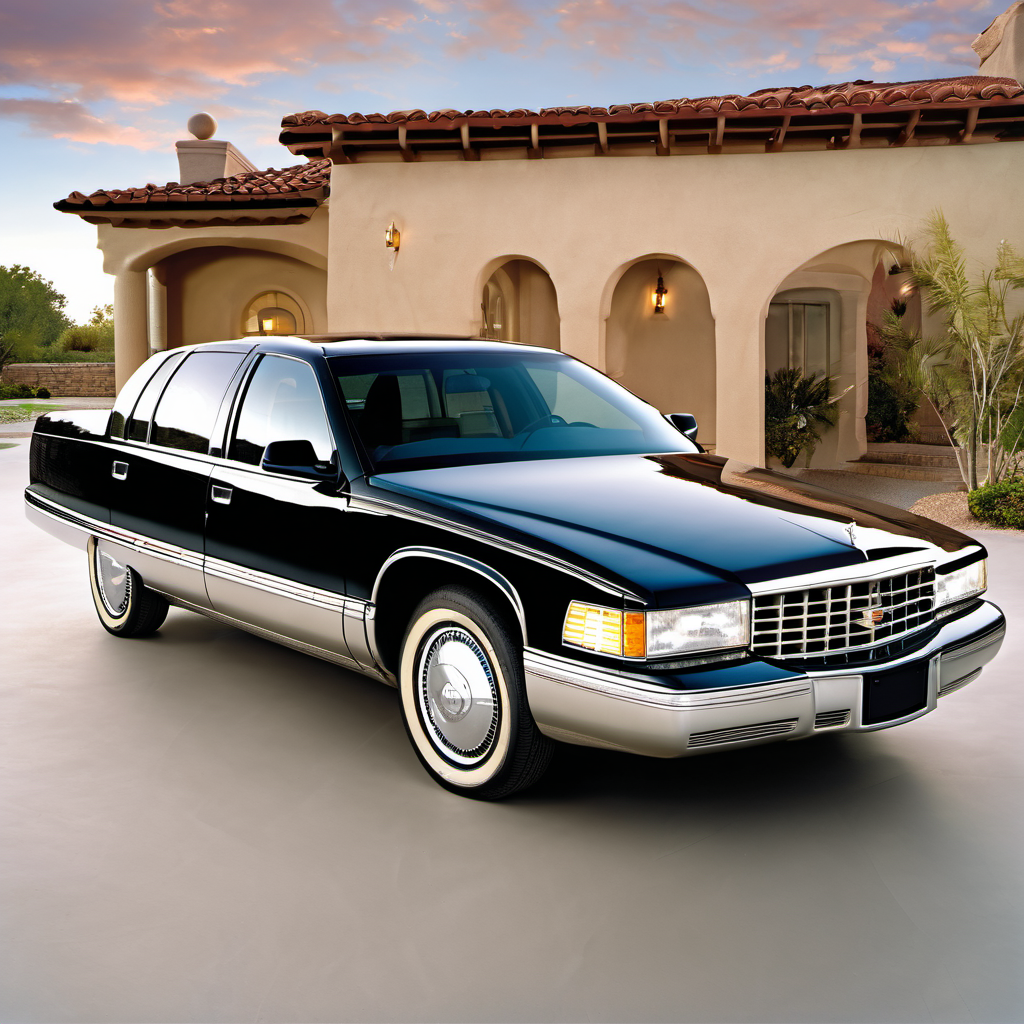
American full-size luxury alternative at similar or lower price. The Northstar V8 is more problematic long-term than the VH45DE. Better domestic parts availability but the Q45 is the better-engineered choice.