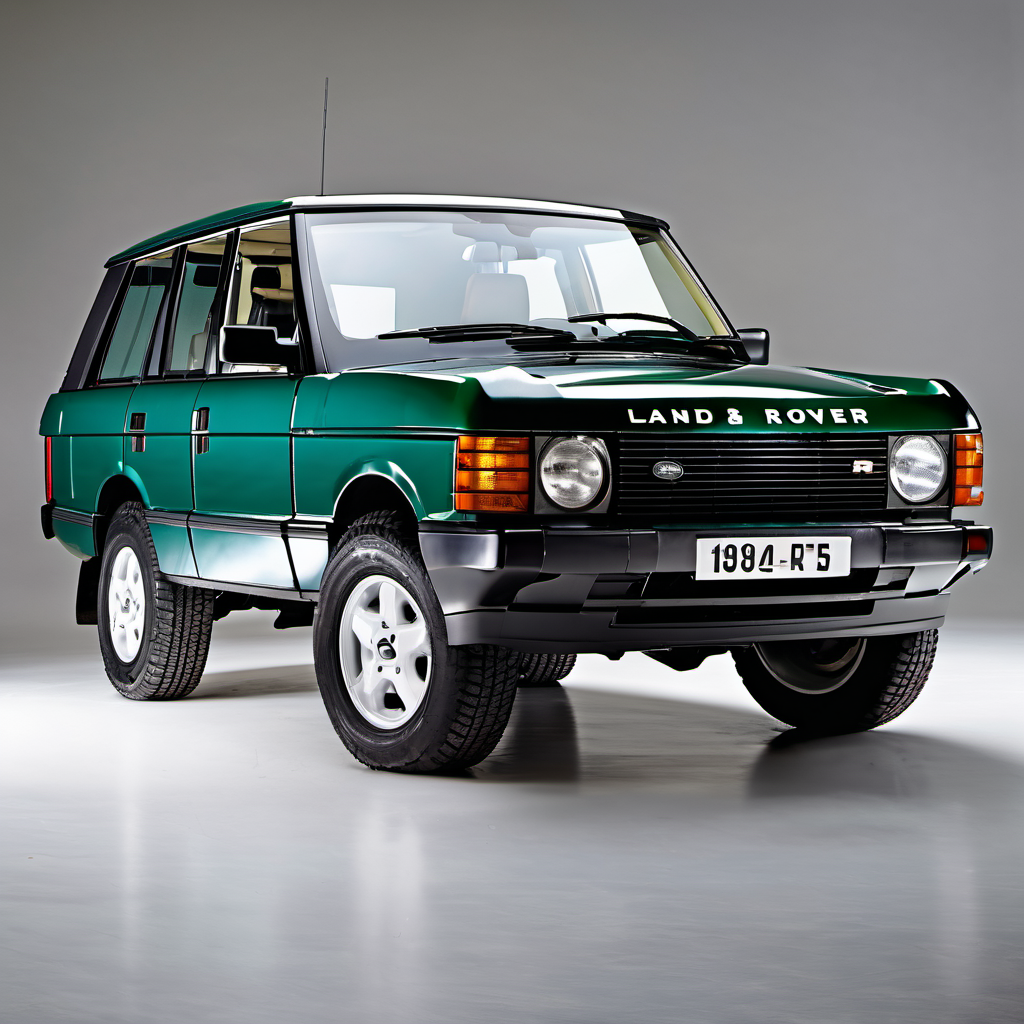
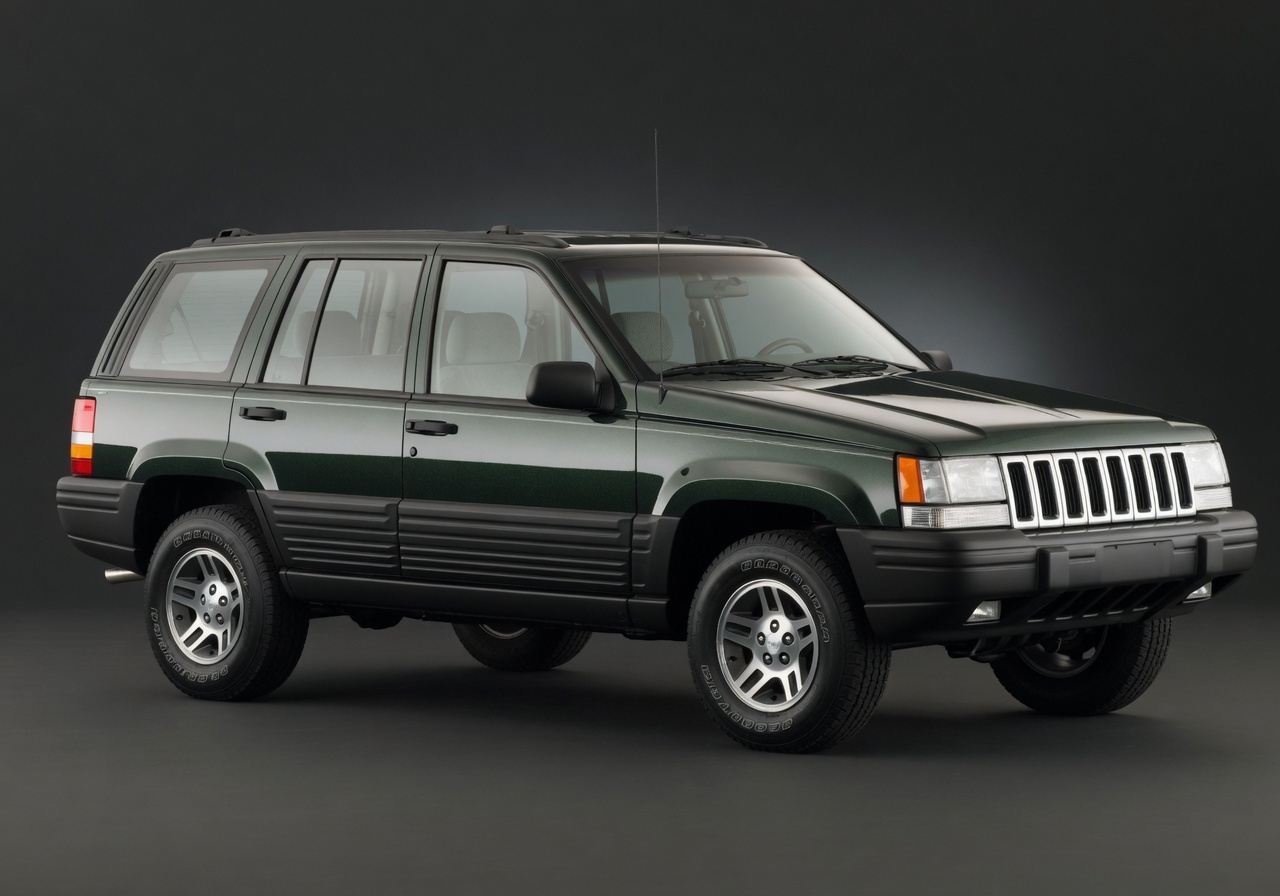
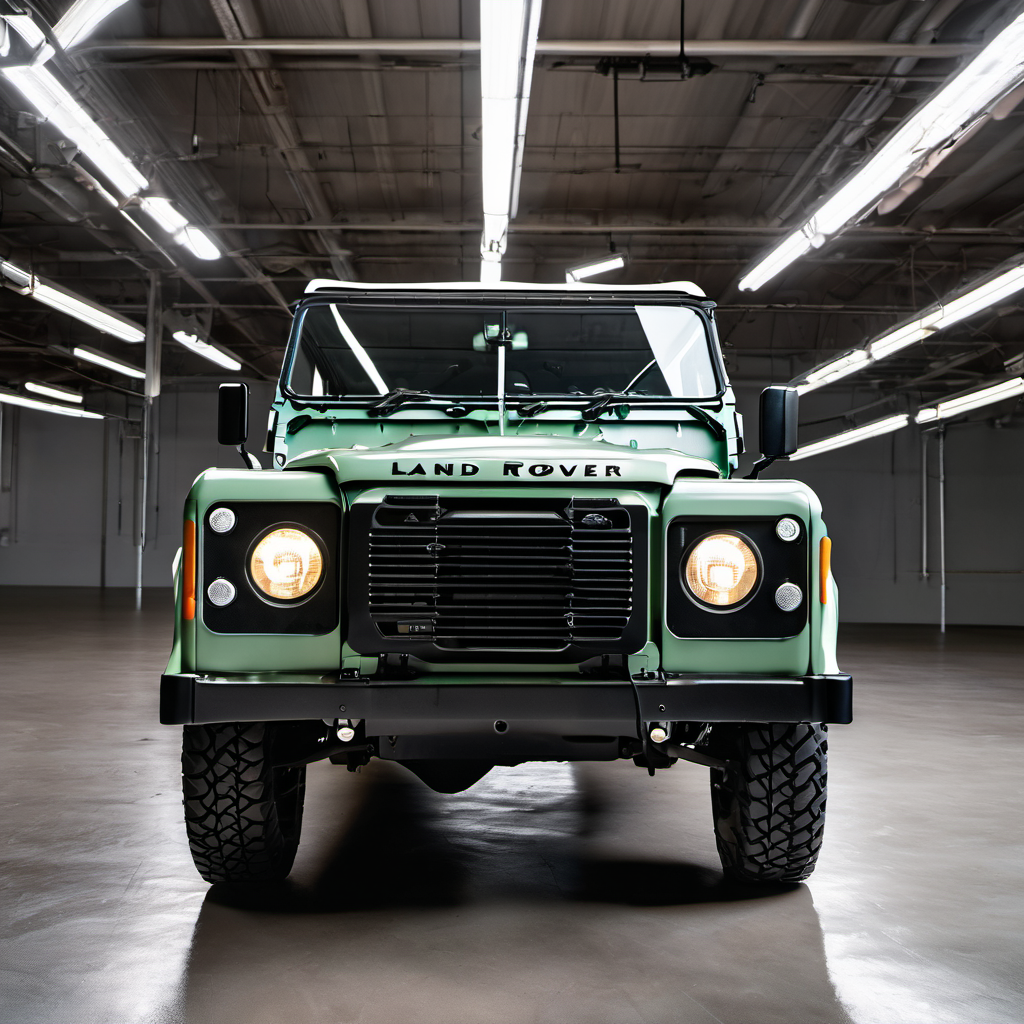
1994 Land Rover Range Rover SUV

1994 Land Rover

Range RoverSUV

SUV

The 1994 Range Rover is a first-generation 'Classic' body style that had been in continuous production since 1970, finally ending its run with this generation in 1995. It earned its reputation as a genuine dual-purpose machine — equally at home crossing a rutted field or parked in front of a country club. Powered by a Rover-built 3.9L V8 (derived from the old Buick 215 aluminum block), it was one of the first luxury off-roaders and remains an iconic vehicle. By 1994, Land Rover had added reasonable creature comforts — leather, air conditioning, a decent stereo — but the bones are old-school truck: a separate ladder frame, live axles front and rear, coil springs, and a proper two-speed transfer case with low range. This is not a crossover. Off-road capability is genuine and substantial. The catch is that a 30-year-old British truck demands patience and budget. Electrical gremlins, cooling system issues, and aging seals are a given on any surviving example. These are enthusiast and collector vehicles today, not daily drivers. Ownership is rewarding for the right person, but go in with eyes open.

Reliability
2/5
Verified data
Specs shown for Range Rover County — the most common configuration. Other trims may vary in engine, drivetrain, or fuel economy. Sign in to see your vehicle's exact specs.
Engine
[object Object]
Drivetrain
AWD
Fuel
Premium gasoline
MPG
11 city / 14 hwy / 12 combined
Seats
Doors
Body
Special Purpose Vehicles

Overview

AI-curated

The 1994 Range Rover is a first-generation 'Classic' body style that had been in continuous production since 1970, finally ending its run with this generation in 1995. It earned its reputation as a genuine dual-purpose machine — equally at home crossing a rutted field or parked in front of a country club. Powered by a Rover-built 3.9L V8 (derived from the old Buick 215 aluminum block), it was one of the first luxury off-roaders and remains an iconic vehicle. By 1994, Land Rover had added reasonable creature comforts — leather, air conditioning, a decent stereo — but the bones are old-school truck: a separate ladder frame, live axles front and rear, coil springs, and a proper two-speed transfer case with low range. This is not a crossover. Off-road capability is genuine and substantial. The catch is that a 30-year-old British truck demands patience and budget. Electrical gremlins, cooling system issues, and aging seals are a given on any surviving example. These are enthusiast and collector vehicles today, not daily drivers. Ownership is rewarding for the right person, but go in with eyes open.

Known for
  • Iconic boxy styling that defined the luxury SUV segment
  • Genuine off-road capability with low-range transfer case and live axles
  • Rover 3.9L aluminum V8 — smooth when healthy, expensive when not
  • Surprisingly comfortable and capable highway cruiser for its era
  • Strong collector and enthusiast community
Best for
  • Classic truck and Land Rover enthusiasts
  • Light to moderate off-road use and overlanding
  • Owners with mechanical aptitude or a trusted specialist shop
  • Weekend and secondary vehicle use
  • Collectors seeking an affordable British icon
Watch for
  • Chronic cooling system failures — overheating can destroy the aluminum block
  • Extensive electrical wiring harness deterioration on aging examples
  • Head gasket failures, often linked to overheating history
  • Rust on frame, floor pans, and body sills — especially Wisconsin/salt-belt examples
  • Parts availability and specialist labor costs that far exceed typical SUV ownership

Common issues by mileage

6 known

Cooling system failure / overheating

high
Typically appears
Any mileage on aging examples
Estimated repair
$400 – $1,800

Head gasket failure (often consequence of overheating)

high
Typically appears
80k+ mi or any overheating history
Estimated repair
$1,500 – $3,500

Wiring harness deterioration and electrical gremlins

high
Typically appears
All high-mileage / aged examples
Estimated repair
$300 – $2,500

Transfer case and differential seal leaks

high
Typically appears
60k+ mi
Estimated repair
$200 – $800

Oxygen sensor circuit faults (heater circuit failures)

medium
Typically appears
80k+ mi
Estimated repair
$150 – $450

Rust — frame rails, floor pans, sill panels

high
Typically appears
All salt-belt examples
Estimated repair
$500 – $5,000

Maintenance schedule

  1. 1
    Every 2 years / 30k mi, or immediately upon purchase Full cooling system service — flush, new hoses, thermostat, pressure-test radiator and cap

    Cooling system failure is the single most common cause of catastrophic engine damage on this vehicle. The aluminum V8 does not tolerate overheating. This is non-negotiable preventive maintenance.

  2. 2
    Every 5,000 miles Engine oil change with correct viscosity (10W-40 recommended for this engine)

    The 3.9L aluminum V8 is sensitive to oil starvation and sludge. Shorter intervals help protect aging seals and bearings.

  3. 3
    Annually or when any weeping is observed Inspect and re-seal transfer case, front/rear differentials

    Rubber seals harden and crack with age. Running low on diff or transfer case fluid causes expensive gearbox damage with little warning.

  4. 4
    Annually Inspect wiring harness for cracked insulation, especially under the hood and along the firewall

    Aged wiring insulation on 30-year-old British trucks is a known fire and failure risk. Catching it early is far cheaper than a harness replacement or chasing intermittent faults.

  5. 5
    Every 2 years Brake fluid flush

    Brake fluid absorbs moisture over time, lowering boiling point. Critical for a heavy 4,400-lb truck, especially in Wisconsin's hills and stop-and-go.

  6. 6
    Annually before winter Inspect and treat all rubber body seals, door seals, and sunroof drain channels

    Blocked drain channels lead to interior water intrusion, which accelerates floor pan rust and ruins interior components.

  7. 7
    Every 30k miles Fuel filter replacement

    Old fuel systems accumulate varnish and debris. A clogged filter causes lean running conditions that stress the aged fuel pump.

  8. 8
    Every 30k mi or annually Inspect front and rear axle U-joints and CV boots

    The live-axle drivetrain is robust but U-joints wear and dry out. Failure on an older vehicle can leave you stranded or cause drivetrain damage.

Always defer to the manufacturer's service manual for warranty-mandated intervals.

Cost of ownership

Annual maintenance
$1,500 – $4,500
Fuel
At 12 MPG combined and typical Wisconsin driving, expect $2,800–$3,500/year in fuel at current prices. Premium is specified but most owners run regular without serious issue on this vintage engine.
Insurance
Collector/classic vehicle policies are available and often cheaper than standard — typically $400–$900/year for limited-use coverage. Daily-driver comprehensive can run $1,200–$2,000/year depending on agreed value.

This is not a cheap vehicle to own. Routine maintenance alone runs $1,500–$4,500/year when done properly, and any deferred work on a 30-year-old example multiplies quickly. Budget a separate $2,000–$5,000 'catch-up fund' when purchasing any example without full documentation. The reward is a unique, capable, and charismatic vehicle — but the math only works if you go in knowing what you're signing up for.

Seasonal care

Lake Geneva, WI
Winter
  • Undercoat or apply corrosion inhibitor to frame and undercarriage before first snow — salt is catastrophic on a vehicle already prone to rust.
  • Upgrade to a battery rated 700+ CCA. The 3.9L V8 draws significant cranking current in sub-zero Wisconsin temps and the electrical system is already aged.
  • Use a full-strength 50/50 coolant mix rated to at least -34°F. Do not dilute — the aluminum block is especially vulnerable to freeze damage.
  • Switch to a lighter winter-grade oil (5W-40 full synthetic is appropriate) to ensure cold-start oil pressure on frigid mornings.
  • Fill washer fluid reservoir with a -20°F or colder rated fluid. The windshield wiper system on this vintage truck can trap water in reservoir lines.
  • Inspect the transfer case and differential breather vents — if clogged, pressure differentials during temperature swings can push fluid past seals.
Summer
  • Monitor temperature gauge closely in stop-and-go traffic or towing — the cooling system is the vehicle's Achilles heel and heat soak accelerates failure.
  • Check tire pressure monthly; Wisconsin summers push ambient temps that cause pressure to rise. This truck runs large tires where even a few PSI matters for handling.
  • Service the A/C system if not recently done — R-134a recharge and a cabin filter check (if equipped) will make a significant difference in comfort.
  • Inspect all coolant hoses for swelling or softness — summer heat accelerates deterioration of aged rubber hoses.

Comparable vehicles

If you're shopping for one

Red flags
  • Any history of overheating — walk away or negotiate a significant price reduction to cover potential head gasket/head repair.
  • Heavy frame rust or soft floor pans — structural rust on a 30-year-old truck can be a total-loss situation.
  • Seller cannot produce any maintenance records — on a vehicle this age and complexity, unknown history is a serious financial risk.
  • Oil that looks milky, smells sweet, or has visible foam on the cap — coolant in the oil indicates head gasket failure.
  • Electrical system with multiple non-working accessories — harness repair on a Classic Range Rover is expensive and time-consuming.
  • Any evidence of off-road damage to the frame, skid plates, or axles without documentation of inspection and repair.
What to inspect
  • Pull the dipstick and look for milky, grey-brown oil — the classic sign of a blown head gasket or cracked head from overheating history.
  • Run the engine to full operating temp and watch the temperature gauge. Any climb toward the top of the range is a red flag.
  • Get under the vehicle and inspect the frame rails, floor pan, and rocker sills for rust — especially on any Wisconsin or salt-belt truck. Poke with a screwdriver; soft metal means structural rust.
  • Inspect all rubber hoses, coolant lines, and vacuum lines under the hood for cracking or brittleness — budget to replace anything that looks questionable.
  • Test all electrical accessories: windows, locks, sunroof, HVAC controls. Budget liberally for anything that doesn't work — wiring repairs are labor-intensive.
  • Check all fluids: differential, transfer case, power steering, brake fluid. Look for burnt smell, metallic particles, or very dark fluid.
  • Test the low-range transfer case engagement — shift into low range and confirm it engages and disengages cleanly.
  • Look for evidence of a recent cooling system service. Ask for receipts. If none exist, budget for a full cooling system overhaul immediately after purchase.
AI profile generated 4 days ago · claude-sonnet-4-6 · v2.