Head Gasket Failure (3.9L Rover V8)
high- Typically appears
- 60–120k mi
- Estimated repair
- $1,800 – $3,500
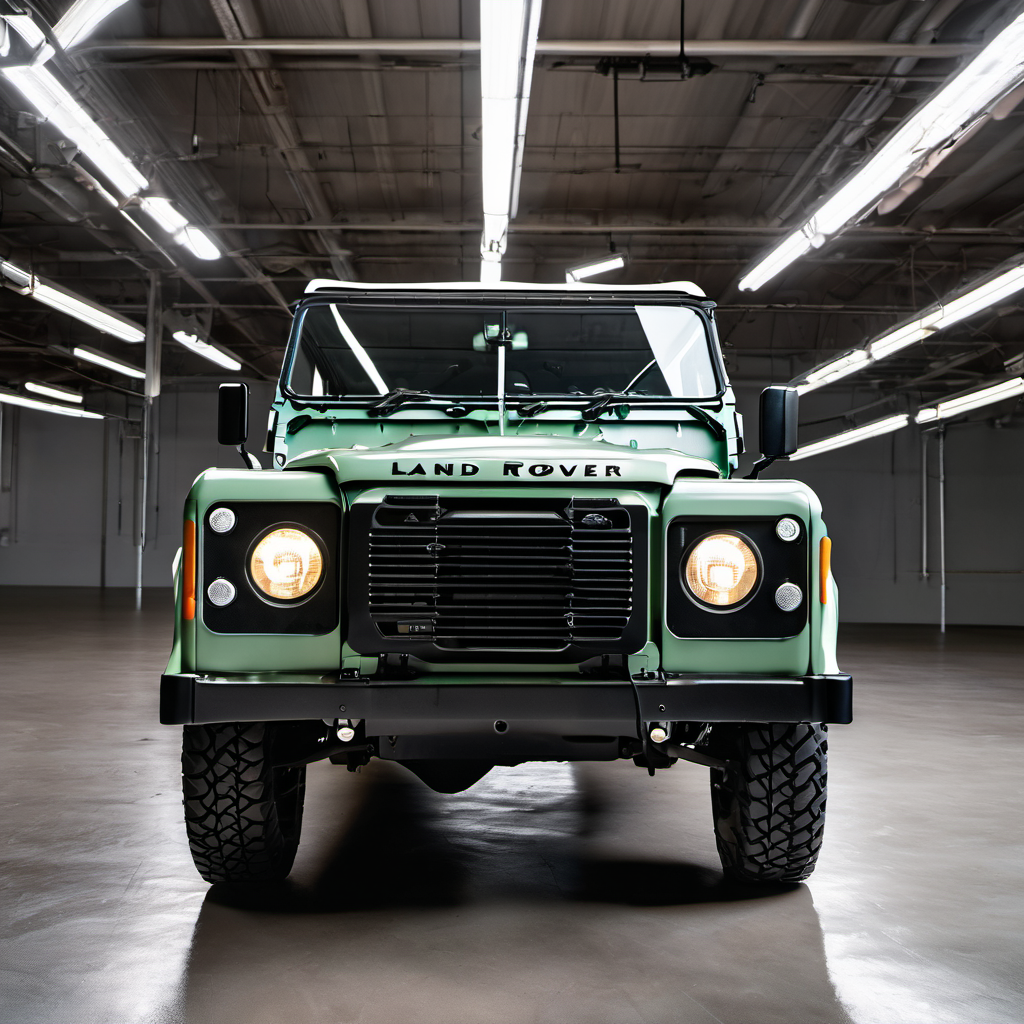
1993 Land Rover
3.9L V8 · SUV
The 1993 Land Rover Defender 110 is one of the most iconic purpose-built off-road vehicles ever made, and the U.S.-market examples from this era carry serious collector and enthusiast value. The 110 designation refers to the 110-inch wheelbase, giving it a longer body than the Defender 90 and room for up to 9–12 passengers in various configurations. U.S.-spec 1993 examples were fitted with the 3.9L V8 (a development of the classic Rover V8) and a 5-speed manual gearbox, paired with Land Rover's permanent four-wheel drive system and two-speed transfer case. The Defender was never designed for on-road comfort or fuel efficiency — it was designed to go anywhere, carry anything, and be repaired in the field with basic tools. Coil-sprung suspension replaced the old leaf springs in the late 1980s, which improved articulation and load capacity significantly. The body-on-frame construction with an aluminum body over a steel ladder frame has kept rust limited primarily to the chassis itself, not the panels. For a Wisconsin owner, the Defender is a capable winter machine thanks to permanent 4WD and tremendous ground clearance, but the platform demands a hands-on owner or a reliable specialist shop. Parts can be expensive and slow to arrive, and the 3.9L Rover V8 has documented cooling and head gasket sensitivities that are magnified in extreme temperatures. This is a vehicle that rewards preparation and regular maintenance.
The 1993 Land Rover Defender 110 is one of the most iconic purpose-built off-road vehicles ever made, and the U.S.-market examples from this era carry serious collector and enthusiast value. The 110 designation refers to the 110-inch wheelbase, giving it a longer body than the Defender 90 and room for up to 9–12 passengers in various configurations. U.S.-spec 1993 examples were fitted with the 3.9L V8 (a development of the classic Rover V8) and a 5-speed manual gearbox, paired with Land Rover's permanent four-wheel drive system and two-speed transfer case. The Defender was never designed for on-road comfort or fuel efficiency — it was designed to go anywhere, carry anything, and be repaired in the field with basic tools. Coil-sprung suspension replaced the old leaf springs in the late 1980s, which improved articulation and load capacity significantly. The body-on-frame construction with an aluminum body over a steel ladder frame has kept rust limited primarily to the chassis itself, not the panels. For a Wisconsin owner, the Defender is a capable winter machine thanks to permanent 4WD and tremendous ground clearance, but the platform demands a hands-on owner or a reliable specialist shop. Parts can be expensive and slow to arrive, and the 3.9L Rover V8 has documented cooling and head gasket sensitivities that are magnified in extreme temperatures. This is a vehicle that rewards preparation and regular maintenance.
The 3.9L V8 is highly sensitive to cooling system neglect. Old coolant, weak hoses, or a failing thermostat accelerates head gasket failure. On a 30-year-old vehicle, proactive replacement of all hoses, the thermostat, and the water pump is worthwhile even if they 'look fine.'
The Rover V8 has tighter oil passages and benefits from higher-viscosity oil, especially in summer heat. Regular oil changes are the single best defense against bearing wear on this engine.
These units are sealed but do develop leaks over time. Fresh fluid extends gear life significantly and lets you inspect for metal contamination while you're in there.
The steel ladder frame is the Defender's Achilles heel in Wisconsin. Annual undercoating or rust inhibitor treatment on the chassis, outriggers, and crossmembers can add years of service life.
Lucas electrical components from this era corrode and loosen over time. Cleaning ground points, inspecting the main relay block, and checking connector integrity prevents cascading electrical faults.
Both front and rear differentials on the Defender are load-bearing and subject to water intrusion after off-road use. Fresh fluid and a visual check of the diff covers for seepage is a cheap way to avoid an expensive rebuild.
Brake fluid is hygroscopic; on a vehicle this age, moisture accumulation in the brake lines can cause caliper and master cylinder corrosion. Fresh fluid is especially important for cold-weather braking performance.
The aluminum body bolts to the steel chassis through rubber mounts that harden and compress with age. Loose mounts cause body flex, water leaks, and long-term structural fatigue.
Always defer to the manufacturer's service manual for warranty-mandated intervals.
The Defender 110 is an expensive vehicle to own and operate by any modern measure. Fuel economy is poor, parts are often sourced from the UK at a premium, and specialist labor rates apply at most shops. Budget on the high end of the maintenance range if the vehicle has deferred work or a sketchy service history. The flip side is that collector values have climbed steadily — a well-maintained 1993 example in good shape regularly sells for $40,000–$70,000 or more, meaning it can hold or appreciate in value unlike most 30-year-old vehicles.
Same era, similar off-road mission and size class. The FJ80 is significantly more reliable and easier to source parts for in the U.S., though it lacks the Defender's collector cachet.

Same Rover V8 platform and similar ownership profile. The Range Rover offers more comfort and is slightly more common in the U.S. parts market, but shares the Defender's electrical and cooling system weaknesses.
Similarly iconic, capable, and expensive to own. The G-Wagen is a direct European-market peer in the serious off-road SUV segment, with comparable parts availability challenges in the U.S.
No catalog match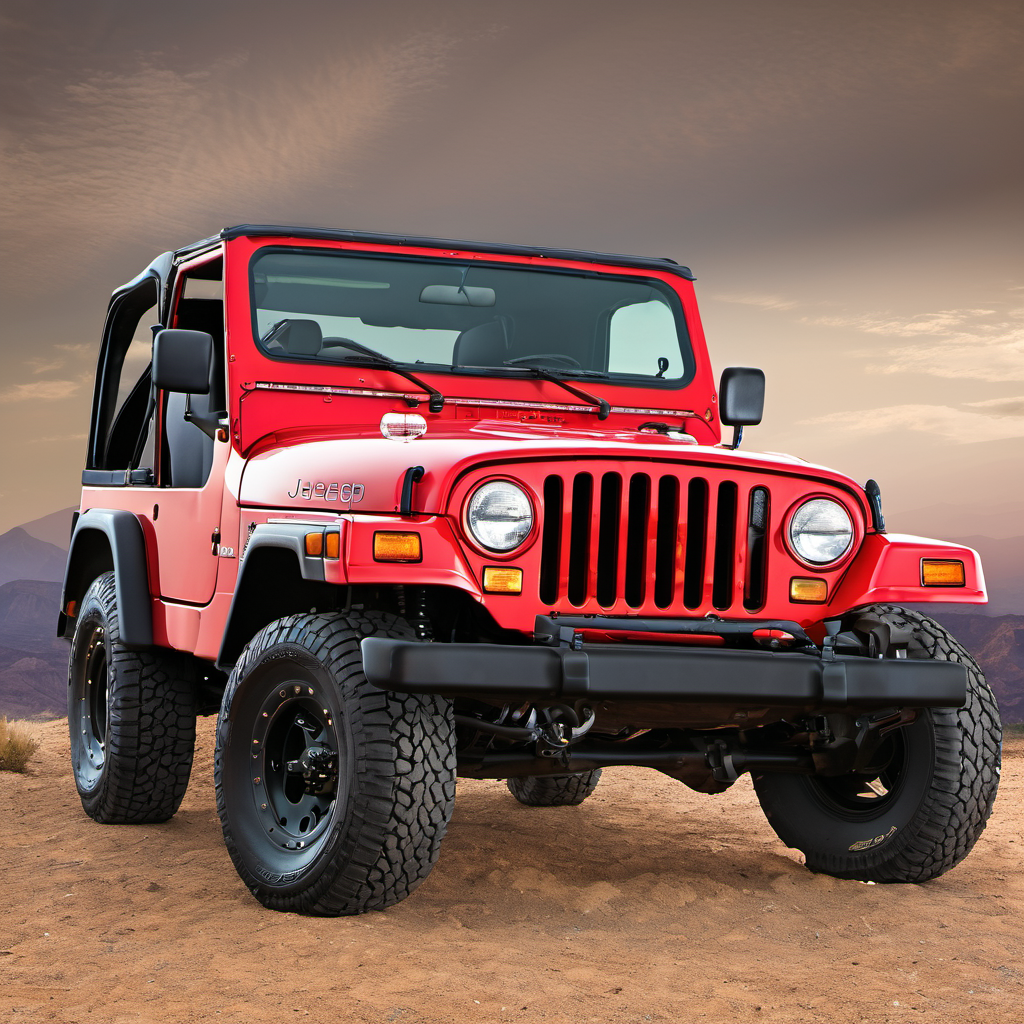
Far more affordable to buy and own, with abundant domestic parts availability. The Wrangler doesn't match the Defender's payload or towing, but covers similar off-road territory at a fraction of the operating cost.