Coolant Temperature Sensor Failure
high- Typically appears
- Any mileage on a 30-year-old engine
- Estimated repair
- $25 – $80
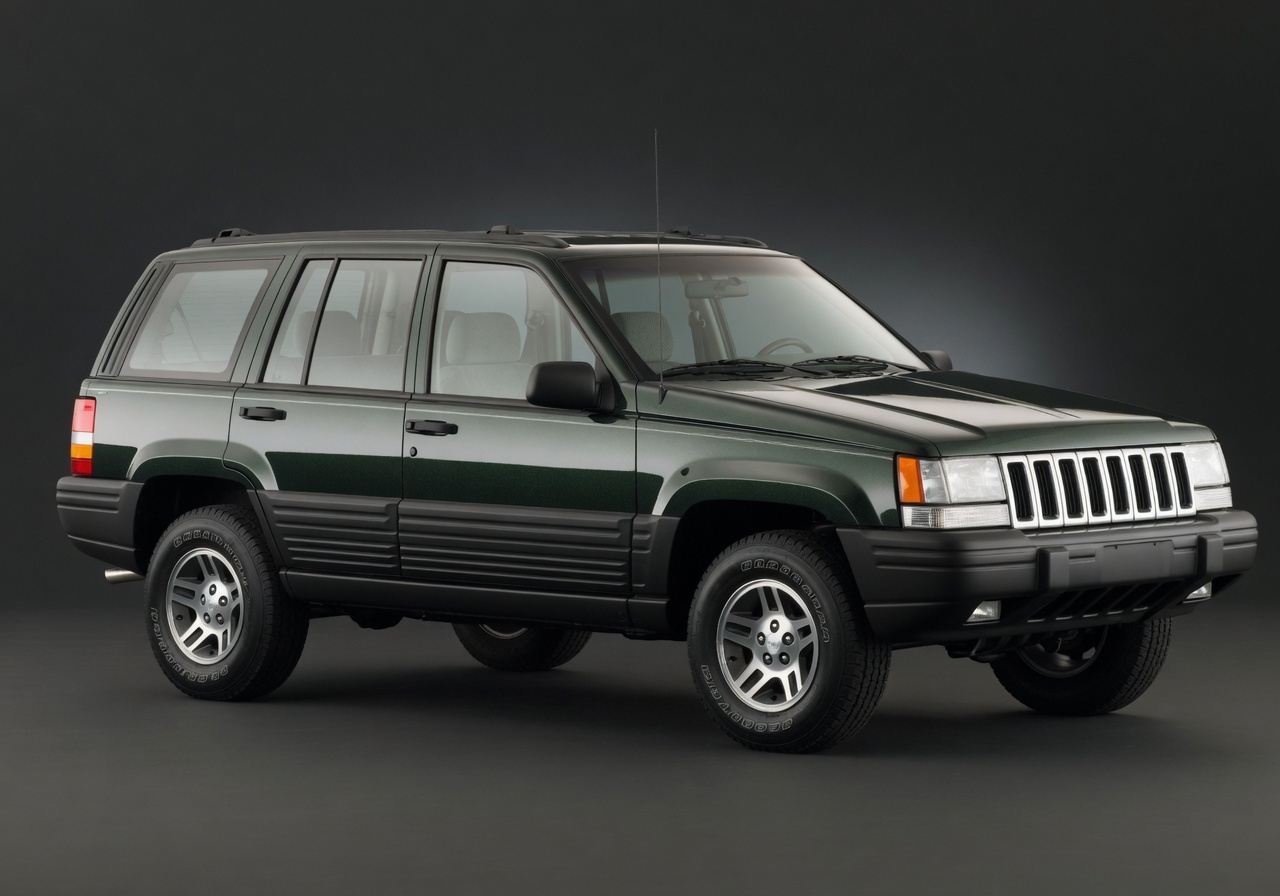
1994 Jeep
SUV
The 1994 Jeep Grand Cherokee was the second model year of an all-new platform that replaced the aging XJ-based Grand Wagoneer concept. Built in Detroit, it combined genuine off-road capability with a more car-like ride than its competitors — a formula that made it a runaway success. The ZJ-generation Grand Cherokee (1993–1998) was a landmark vehicle that essentially defined the modern SUV segment. The 4.0L inline-six is the heart of this truck. It's an iron-block workhorse known for surviving 200,000+ miles with basic maintenance. When paired with the Selec-Trac or Command-Trac 4WD systems, it delivers real off-road usability without feeling like a punishment on the highway. That said, it is a 30-year-old vehicle — electrical gremlins, rust, and worn suspension components are facts of life at this age, not exceptions. Buying or owning one in 2024 means committing to a classic. Parts availability for the ZJ is still reasonably good thanks to a loyal enthusiast community, but expect to invest in deferred maintenance if the truck hasn't been carefully kept. A well-maintained example is a rewarding, capable machine. A neglected one can become a money pit fast.
The 1994 Jeep Grand Cherokee was the second model year of an all-new platform that replaced the aging XJ-based Grand Wagoneer concept. Built in Detroit, it combined genuine off-road capability with a more car-like ride than its competitors — a formula that made it a runaway success. The ZJ-generation Grand Cherokee (1993–1998) was a landmark vehicle that essentially defined the modern SUV segment. The 4.0L inline-six is the heart of this truck. It's an iron-block workhorse known for surviving 200,000+ miles with basic maintenance. When paired with the Selec-Trac or Command-Trac 4WD systems, it delivers real off-road usability without feeling like a punishment on the highway. That said, it is a 30-year-old vehicle — electrical gremlins, rust, and worn suspension components are facts of life at this age, not exceptions. Buying or owning one in 2024 means committing to a classic. Parts availability for the ZJ is still reasonably good thanks to a loyal enthusiast community, but expect to invest in deferred maintenance if the truck hasn't been carefully kept. A well-maintained example is a rewarding, capable machine. A neglected one can become a money pit fast.
The 4.0L runs conventional oil in a high-mileage engine. Frequent changes slow wear in aging rings and seals. Use a quality conventional or high-mileage blend — at 30 years old, switching to full synthetic can sometimes aggravate existing seal leaks.
The 4.0L is prone to coolant sensor and thermostat failures. Old coolant turns acidic and accelerates corrosion in the iron block and aluminum head. Inspect all hoses — they are 30 years old and can burst without warning.
The AW4 automatic is robust but does not have a serviceable external filter on all variants. Regular fluid changes are the best insurance against solenoid wear and erratic shifting.
The NP242 or NP231 transfer case and Dana axles depend on clean gear oil. Contaminated fluid accelerates bearing and gear wear, which is expensive to repair.
Greaseable U-joints dry out and fail, causing driveline vibration or loss of 4WD. On a 30-year-old truck, any U-joint that shows rust pitting should be replaced proactively.
Wisconsin road salt is the ZJ's biggest enemy. Inspect frame rails, floor pans, fuel and brake lines every fall. Treat bare metal with rust inhibitor. Failed brake lines are a safety emergency.
The 1994 4.0L uses a distributor ignition. Worn cap and rotor cause hard starts and misfires, especially in cold Wisconsin winters. These parts are inexpensive insurance.
Plastic wire insulation on 30-year-old harnesses becomes brittle and cracks, causing intermittent shorts. Check where harnesses rub on the firewall, frame, and engine. Corroded battery terminals cause no-start conditions in cold weather.
Always defer to the manufacturer's service manual for warranty-mandated intervals.
A solid, well-kept ZJ is one of the more affordable 4WD SUVs to own — parts are cheap, the engine rarely needs major work, and insurance is low. The wildcard is deferred maintenance and rust repair. Budget $600–$1,000/year if the truck is already sorted; budget $1,500–$3,000+ in the first year if you're catching up on neglected items. Brake line and fuel line replacement alone can run $400–$900 on a rusty example.
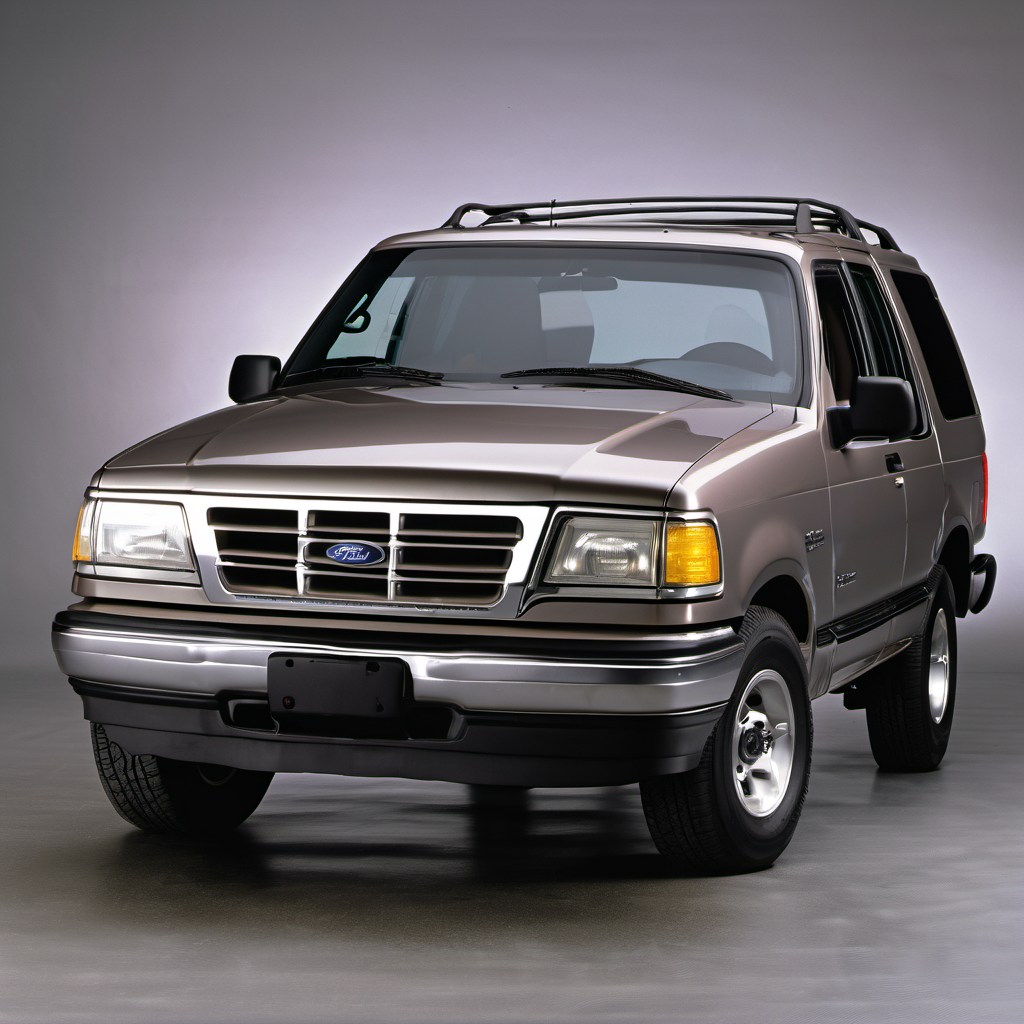
Same era, same mission — family-capable 4WD SUV. The Explorer is more car-like but less capable off-road. Parts are equally plentiful. Watch for the same rust and age issues.
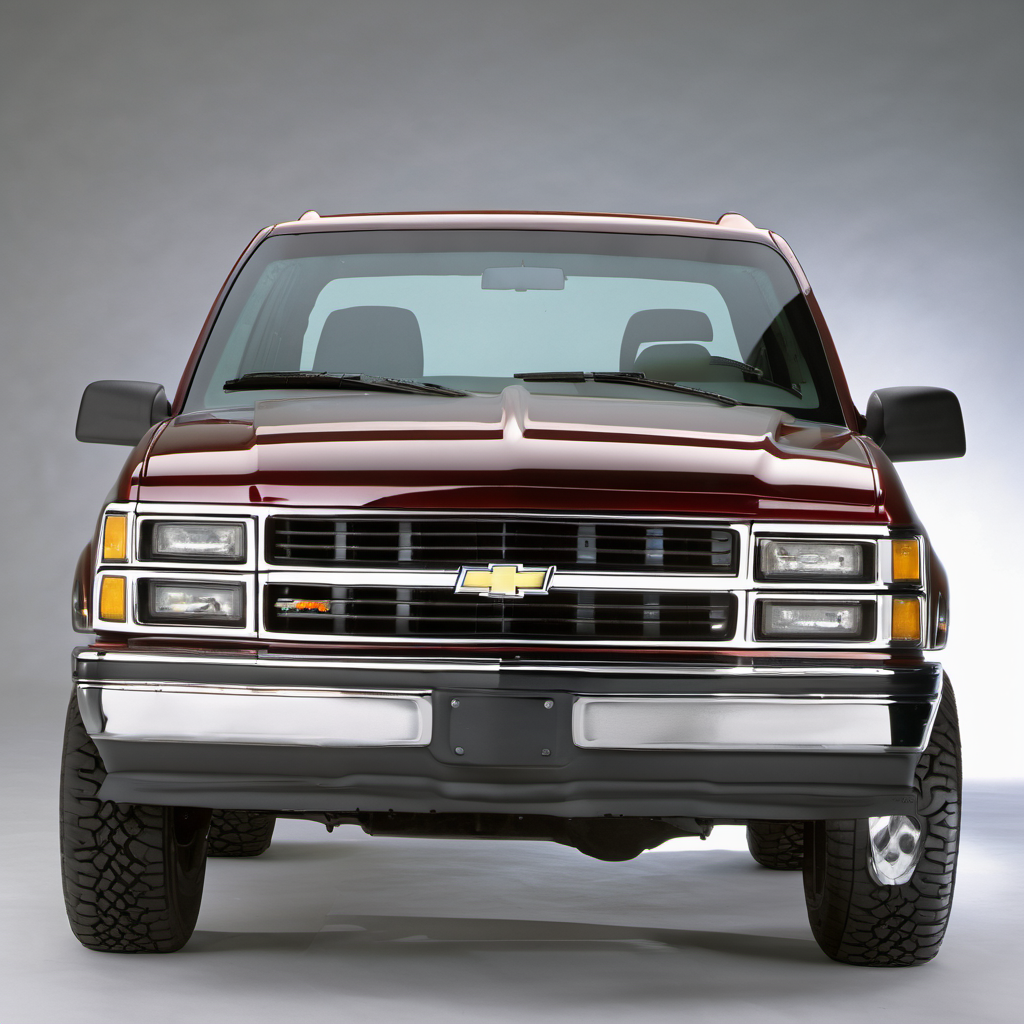
Smaller footprint, similar price point, 4WD capable. The 4.3L Vortec V6 is nearly as durable as the Jeep 4.0L. Suffers from the same rust belt aging issues.
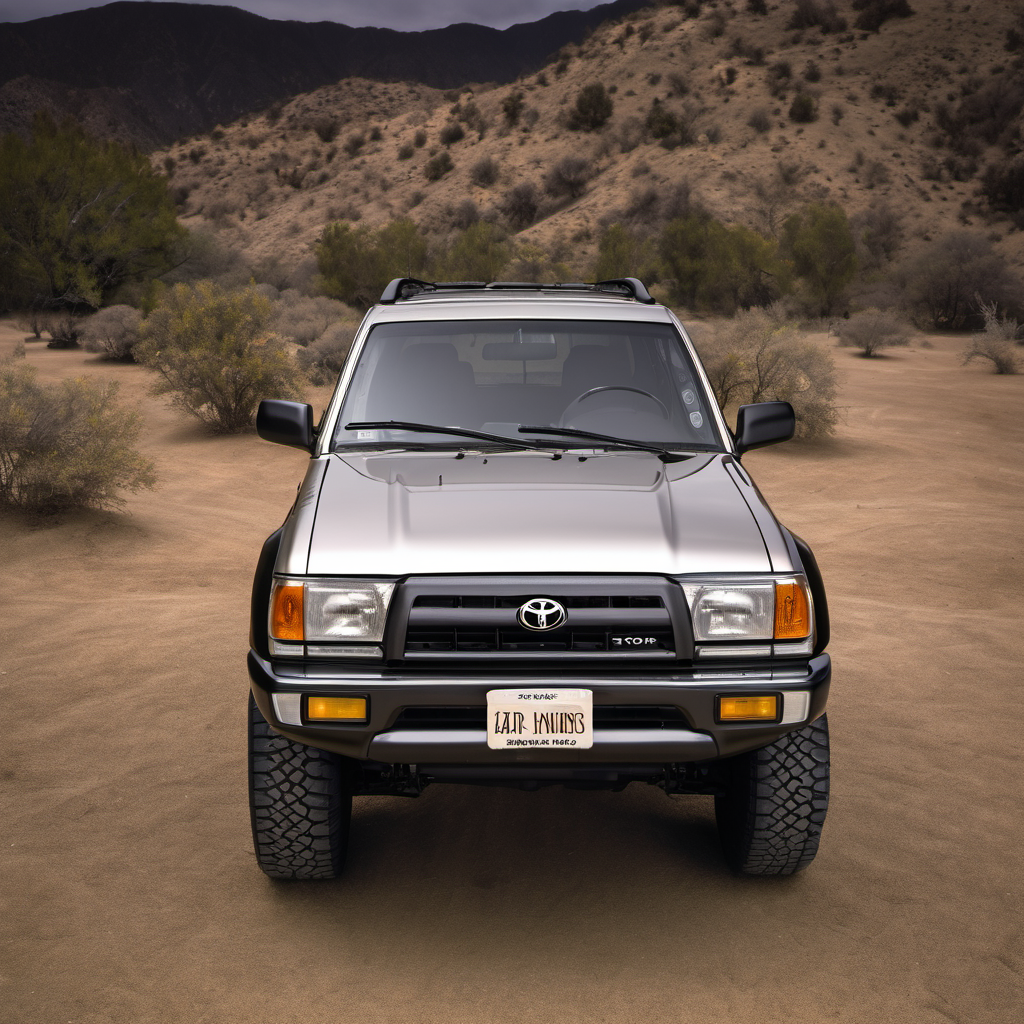
The 4Runner of this era is arguably more reliable long-term and rusts less, but costs significantly more to buy today because the market knows it. A better pick if rust-free examples exist in your budget.
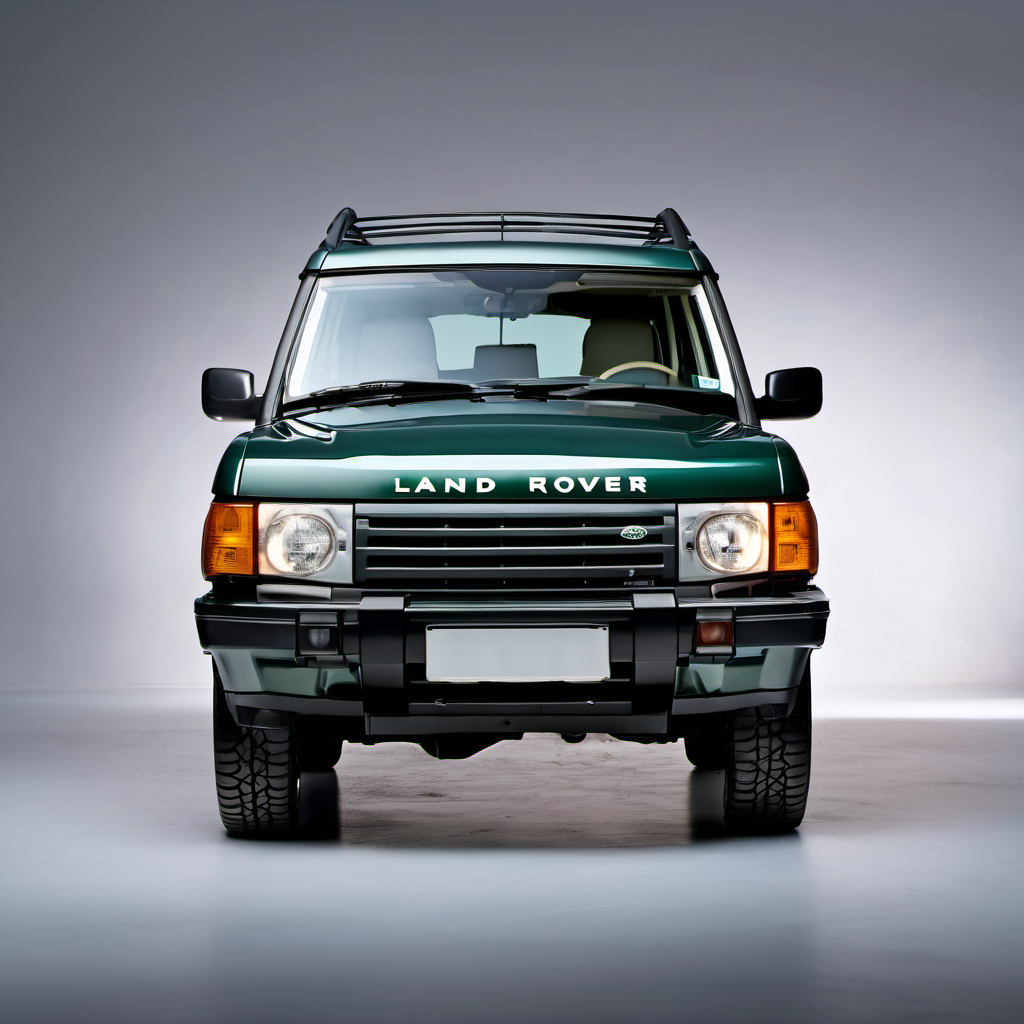
Similar size, premium feel, and 4WD capability — but dramatically higher maintenance costs and a much harder parts supply situation. Only compare if budget is not a concern.