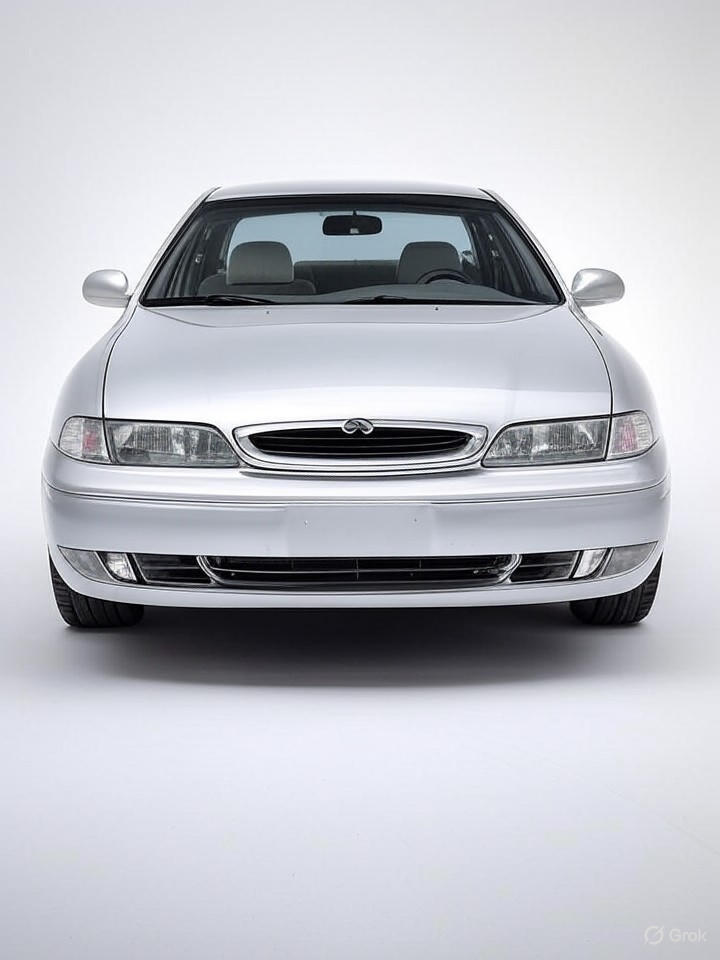
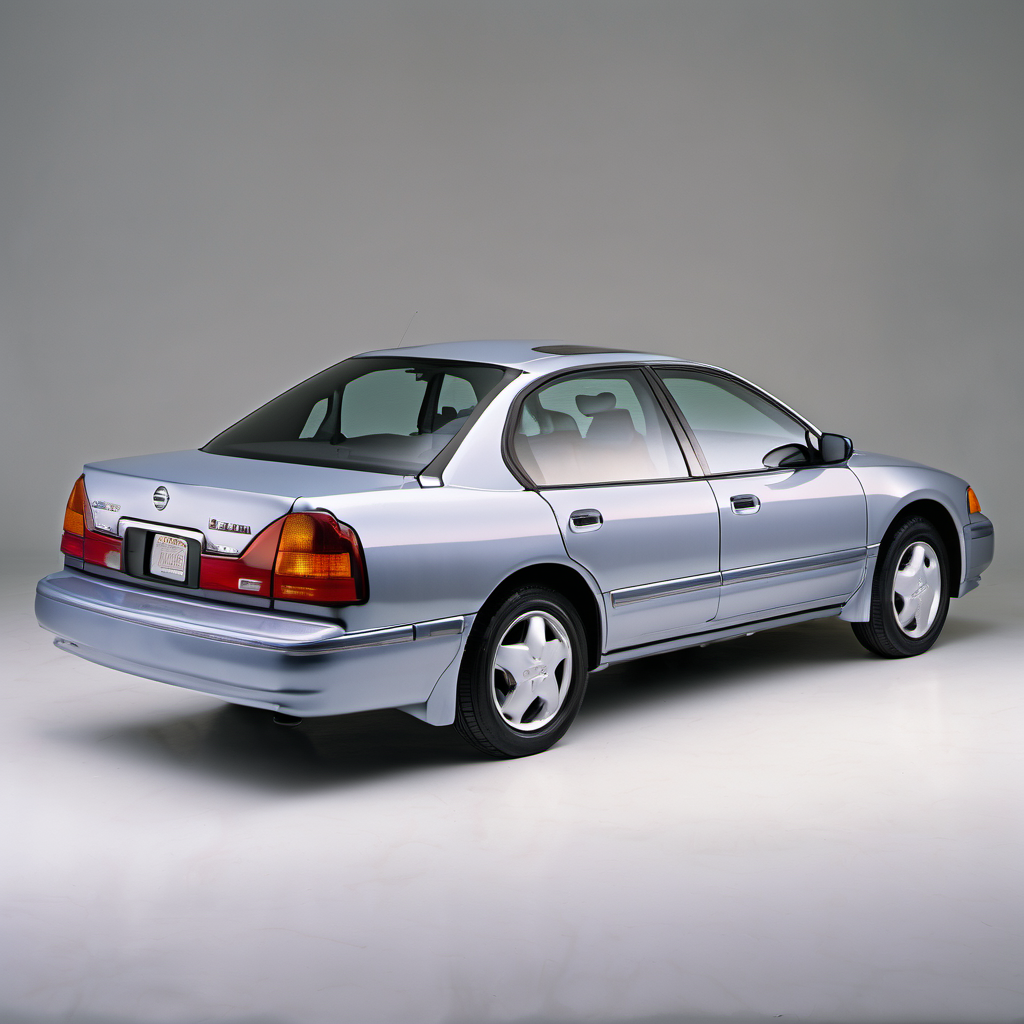
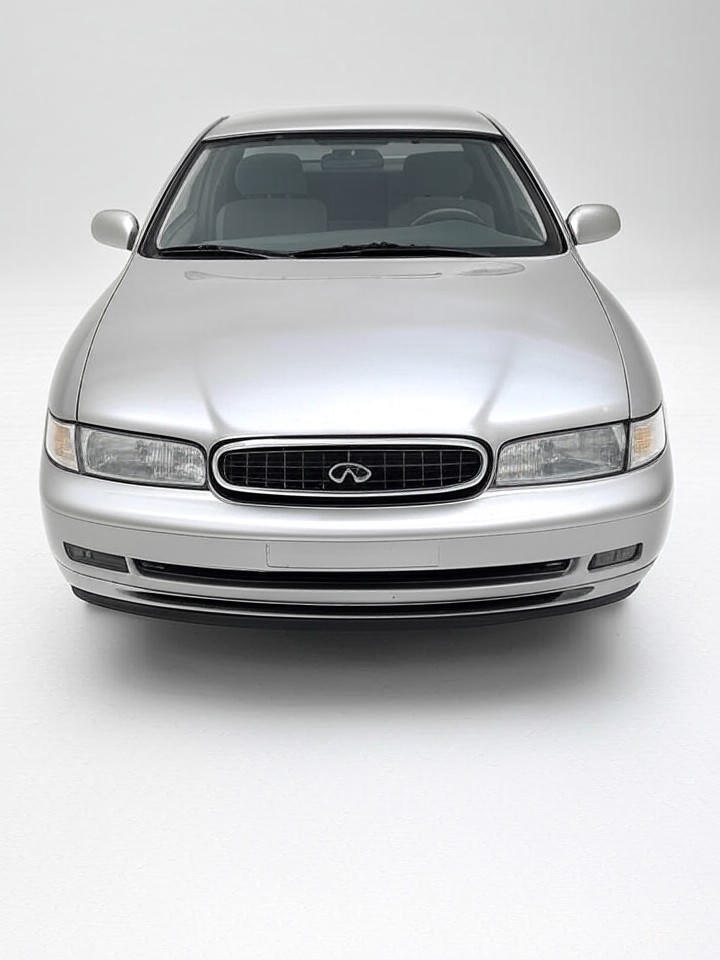
1994 INFINITI J Sedan

1994 INFINITI

JSedan

3.0L V6 · Sedan

The 1994 Infiniti J30 is a rear-wheel-drive luxury sedan built on Nissan's Y32 platform, sharing its underpinnings with the Nissan Leopard sold in Japan. It was powered exclusively by a 3.0L V6 and positioned as a stylish, driver-focused alternative to the Q45 in Infiniti's lineup. With its distinctive rounded styling (penned by Italdesign's Giorgetto Giugiaro), the J30 stood apart from boxy competitors of the era. The J30 was sold in the U.S. from 1993 through 1997. It offered a relatively compliant ride with responsive handling for a 1990s luxury sedan, though it never achieved the sales volumes of rivals like the Lexus ES or BMW 5 Series. Parts availability has become a real-world challenge — many components are Japan-market specific or discontinued, making this a niche ownership proposition. At 30 years old, any surviving J30 is a collector-adjacent used car. Expect deferred maintenance, aged rubber, and potential rust from road salt exposure. Enthusiasts who know the platform love them, but casual buyers should proceed with eyes wide open.

Reliability
3/5
Verified data
Engine
3.0L V6
Drivetrain
RWD
Fuel
Gasoline
MPG
17 city / 23 hwy / 19 combined
Seats
5
Doors
4
Body
Sedan
MSRP
$34,000

Overview

AI-curated

The 1994 Infiniti J30 is a rear-wheel-drive luxury sedan built on Nissan's Y32 platform, sharing its underpinnings with the Nissan Leopard sold in Japan. It was powered exclusively by a 3.0L V6 and positioned as a stylish, driver-focused alternative to the Q45 in Infiniti's lineup. With its distinctive rounded styling (penned by Italdesign's Giorgetto Giugiaro), the J30 stood apart from boxy competitors of the era. The J30 was sold in the U.S. from 1993 through 1997. It offered a relatively compliant ride with responsive handling for a 1990s luxury sedan, though it never achieved the sales volumes of rivals like the Lexus ES or BMW 5 Series. Parts availability has become a real-world challenge — many components are Japan-market specific or discontinued, making this a niche ownership proposition. At 30 years old, any surviving J30 is a collector-adjacent used car. Expect deferred maintenance, aged rubber, and potential rust from road salt exposure. Enthusiasts who know the platform love them, but casual buyers should proceed with eyes wide open.

Known for
  • Unique Giugiaro-designed curved styling — instantly recognizable
  • Smooth, refined 3.0L VG30DE V6 shared with other Nissan/Infiniti products
  • Rear-wheel-drive layout uncommon for its luxury sedan class
  • Plush interior with upscale materials for the early 1990s
Best for
  • Enthusiast collectors who appreciate rare early-90s Japanese luxury
  • DIY-capable owners comfortable sourcing JDM or salvage-yard parts
  • Drivers who want RWD character in a sedan without European prices
Watch for
  • Parts scarcity — many body, trim, and electronic components are no longer manufactured
  • Rust, especially in floor pans, rocker panels, and wheel arches from Midwest salt exposure
  • Aging rubber: hoses, belts, bushings, and seals are 30 years old on all survivors
  • High cost of ownership relative to the vehicle's current market value
  • Limited specialist knowledge — few shops have hands-on experience with this model

Common issues by mileage

6 known

Timing belt and tensioner failure

high
Typically appears
60k+ mi / any age
Estimated repair
$600 – $1,100

Deteriorated engine hoses, coolant lines, and valve cover gaskets

high
Typically appears
Any mileage on a 30-year-old car
Estimated repair
$300 – $800

4-speed automatic transmission shift quality / slipping

medium
Typically appears
80k–150k mi
Estimated repair
$800 – $3,000

Oxygen sensor heater circuit faults (aged wiring and connectors)

medium
Typically appears
80k+ mi
Estimated repair
$150 – $400

Rust in rocker panels, floor pans, and wheel arches

high
Typically appears
Any — especially Midwest/salt-belt cars
Estimated repair
$500 – $4,000

Failed or intermittent climate control / electronic module issues

medium
Typically appears
Any mileage on a 30-year-old car
Estimated repair
$200 – $1,200

Maintenance schedule

  1. 1
    Immediately upon purchase Replace timing belt, tensioner, and water pump

    The VG30DE is an interference engine. A 30-year-old belt with unknown history is a serious risk — a broken belt means bent valves and a very expensive repair.

  2. 2
    Immediately upon purchase Inspect and replace all coolant hoses, belts, and radiator cap

    Rubber degrades with age regardless of mileage. Original hoses on a 1994 car are time bombs.

  3. 3
    Every 3,750 mi or 6 months Engine oil and filter change (use a quality conventional or synthetic 5W-30)

    Frequent oil changes are the single biggest factor in VG30 engine longevity. Short trip driving in cold Wisconsin winters makes this even more important.

  4. 4
    Every 30k mi or 2 years Automatic transmission fluid drain and refill

    Fluid neglect is the #1 cause of shift quality deterioration on the 4-speed automatic. Use fluid meeting Nissan/Infiniti spec.

  5. 5
    Every 2 years Full coolant flush and refill

    Aged coolant loses its corrosion inhibitors and can attack aluminum engine components from the inside.

  6. 6
    Every fall (before first freeze) Inspect battery and charging system

    Cold Wisconsin winters are hard on aging batteries. A 30-year-old vehicle's charging system wiring should also be inspected for brittleness and corrosion.

  7. 7
    Annually Inspect and lubricate all rubber suspension bushings; check for cracking

    Original rubber bushings are 30+ years old. Cracked or collapsed bushings affect handling and can accelerate tire wear.

  8. 8
    Every fall Thorough undercarriage wash and inspection for rust progression

    Lake Geneva roads see heavy salt use. Catching rust early is far cheaper than structural repair later.

Always defer to the manufacturer's service manual for warranty-mandated intervals.

Cost of ownership

Annual maintenance
$900 – $2,500
Fuel
Expect roughly $2,000–$2,800/year at average Wisconsin driving distances (12,000 mi/yr) given ~19 mpg combined and mid-grade fuel requirements.
Insurance
Generally inexpensive to insure as a collector/secondary car — expect $600–$1,200/year for a basic policy. Agreed-value collector insurance may be worth exploring.

The J30 is cheap to buy but not cheap to own. Parts scarcity means even routine repairs can become expensive sourcing exercises. Budget conservatively — any major mechanical or body repair can easily exceed the car's market value. Keep a dedicated repair reserve.
Seasonal care

Lake Geneva, WI
Winter
  • Test battery load capacity every fall — cold cranking amps drop sharply below 20°F and this car's electrical system is already 30 years old.
  • Switch to a full synthetic 5W-30 oil before winter; conventional oil thickens in sub-zero temps and starves the VG30 on cold starts.
  • Fill washer fluid reservoir with a rated -20°F or colder solution — Lake Geneva winters routinely hit those temps.
  • Inspect wiper blades and replace with winter-rated blades; the curved windshield design can leave standard blades patchy.
  • Flush brake fluid if it hasn't been done recently — moisture-laden fluid has a lower boiling point and absorbs water that promotes internal corrosion in the aging brake system.
  • After every salt exposure, rinse the undercarriage at a touchless car wash — the J30's floor pans and rockers are already rust-prone without additional salt packing.
Summer
  • Check tire pressure monthly — tires gain ~1 PSI for every 10°F increase in ambient temperature, leading to overinflation on hot pavement.
  • Inspect the A/C system for refrigerant leaks and compressor clutch operation; 30-year-old A/C seals dry out and the system may need a recharge or seal service.
  • Watch coolant temperature closely on hot days — a marginal radiator or thermostat that limps through winter can overheat in summer traffic.
  • Inspect rubber coolant hoses for soft spots or bulging after the engine heat cycles of summer driving.

Comparable vehicles

If you're shopping for one

Red flags
  • Any structural rust on the subframe, floor, or rocker panels — repair costs will exceed the car's value.
  • No service records whatsoever. On a 30-year-old car, an unknown history means unknown risk.
  • Milky or sludgy oil on the dipstick — sign of head gasket issues or chronic neglect.
  • Slipping, shuddering, or delayed engagement from the automatic transmission.
  • Cracked or oil-soaked timing belt cover area — suggests belt service is overdue.
  • Non-functional A/C, climate control, or instrument cluster — these are expensive or impossible to fix due to parts scarcity.
What to inspect
  • Pull up all four carpet corners and the trunk liner to check for rust-through in the floor pans and spare tire well.
  • Run the car to full operating temperature and watch for coolant leaks, overheating, and oil seepage at the valve covers and timing cover.
  • Test every electronic function — windows, HVAC controls, sunroof, instrument cluster — because replacement parts are nearly impossible to find new.
  • Check underneath for rust on the subframe, rocker panels, and rear suspension mounting points.
  • Verify the timing belt service history — if it can't be documented, assume it needs to be done immediately and factor that cost into your offer.
  • Have a transmission shop or knowledgeable independent assess shift quality during a proper test drive, including hard acceleration and highway cruising.
AI profile generated 4 days ago · claude-sonnet-4-6 · v2.