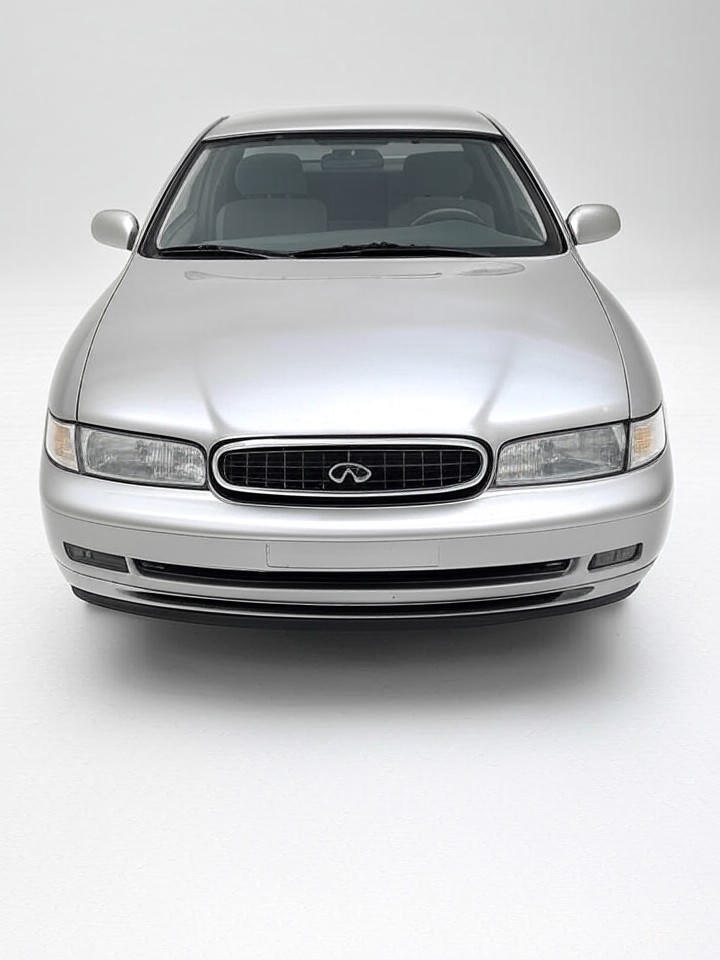
1994 INFINITI Q Sedan

1994 INFINITI

QSedan

4.5L V8 (VH45DE) · Sedan

The 1994 Infiniti Q45 is Infiniti's flagship full-size luxury sedan, introduced in 1990 as the brand's premier entry into the American luxury market. It was built to challenge the Mercedes-Benz S-Class and BMW 7 Series with a focus on performance and engineering, powered by a Nissan-sourced 4.5-liter V8. The first-generation Q45 (1990–1996) stands out for its driver-focused character — firm ride, quick steering, and a high-revving V8 that was genuinely quick for its era. At 30 years old, any surviving Q45 is a niche classic. Parts availability has thinned considerably, and finding a mechanic with firsthand experience on these cars takes effort. That said, the mechanical foundation is stout: the VH45DE engine has a strong reputation for longevity when properly maintained. This is a vehicle for enthusiasts who enjoy a distinctly analog luxury experience. It rewards careful ownership but punishes neglect, and finding a clean, well-documented example at this age requires real diligence.

Reliability
3/5
Verified data
Engine
4.5L V8 (VH45DE)
Drivetrain
RWD
Fuel
Gasoline
MPG
16 city / 22 hwy / 18 combined
Seats
5
Doors
4
Body
Sedan
MSRP
$52,000

Overview

AI-curated

The 1994 Infiniti Q45 is Infiniti's flagship full-size luxury sedan, introduced in 1990 as the brand's premier entry into the American luxury market. It was built to challenge the Mercedes-Benz S-Class and BMW 7 Series with a focus on performance and engineering, powered by a Nissan-sourced 4.5-liter V8. The first-generation Q45 (1990–1996) stands out for its driver-focused character — firm ride, quick steering, and a high-revving V8 that was genuinely quick for its era. At 30 years old, any surviving Q45 is a niche classic. Parts availability has thinned considerably, and finding a mechanic with firsthand experience on these cars takes effort. That said, the mechanical foundation is stout: the VH45DE engine has a strong reputation for longevity when properly maintained. This is a vehicle for enthusiasts who enjoy a distinctly analog luxury experience. It rewards careful ownership but punishes neglect, and finding a clean, well-documented example at this age requires real diligence.

Known for
  • High-revving 4.5L VH45DE V8 with strong power output for the era
  • Driver-focused handling with sport-tuned suspension
  • Minimalist interior design — intentionally understated compared to German rivals
  • Solid long-term engine durability when oil changes are kept up
Best for
  • Enthusiasts who want a rare, distinctive Japanese luxury sedan
  • Drivers who prefer a more sporting feel than typical luxury barges
  • Budget luxury buyers who can source their own parts and find a specialist mechanic
Watch for
  • Increasingly difficult parts sourcing at 30+ years old
  • Active Suspension System (TEMS) on some trims is complex and expensive to repair
  • Rust from road salt exposure is a serious concern on any Wisconsin-area car this age
  • Aging rubber — hoses, seals, bushings, and belts are all well past service life on most examples

Common issues by mileage

6 known

Timing belt failure

high
Typically appears
60–90k mi (and every interval since)
Estimated repair
$600 – $1,100

Active suspension (TEMS) failure

high
Typically appears
80–150k mi
Estimated repair
$800 – $3,000

Deteriorated coolant and vacuum hoses

high
Typically appears
Any mileage at 30+ years
Estimated repair
$300 – $900

Oxygen sensor / heater circuit faults

medium
Typically appears
80–150k mi
Estimated repair
$150 – $400

Suspension bushing and ball joint wear

high
Typically appears
100k+ mi
Estimated repair
$500 – $1,500

Underbody and subframe rust (road-salt states)

high
Typically appears
Any mileage on Wisconsin/upper Midwest cars
Estimated repair
$500 – $4,000

Maintenance schedule

  1. 1
    Every 60,000 miles or 5 years — whichever comes first Timing belt and water pump replacement

    The VH45DE is an interference engine. A snapped belt means bent valves and a very expensive rebuild. On a 30-year-old car, replace it regardless of mileage if history is unknown.

  2. 2
    Every 3,000–5,000 miles with conventional oil Engine oil and filter change

    The VH45DE's longevity is directly tied to clean oil. These engines develop sludge and oil passage issues when intervals are stretched. Use a quality 10W-30 conventional or full synthetic.

  3. 3
    Every 2 years / inspect hoses annually Coolant flush and hose inspection

    All rubber hoses are at minimum 28 years old. Hoses can look fine externally while soft and cracked internally. Replace proactively rather than waiting for a roadside failure.

  4. 4
    Every 2 years Brake fluid flush

    Brake fluid absorbs moisture over time, lowering its boiling point and accelerating internal corrosion in calipers and master cylinder — especially important in humid Wisconsin summers and salted winters.

  5. 5
    Every 30,000 miles Fuel filter replacement

    Aged fuel systems accumulate varnish and debris. A restricted filter starves the V8 at high RPM and can damage the fuel pump over time.

  6. 6
    Inspect every 2 years; fluid check annually Inspect and service active suspension (TEMS) if equipped

    The TEMS hydraulic active suspension is a known failure point. Catching a slow leak early is far cheaper than replacing actuators or the pump.

  7. 7
    Every fall before salt season; rinse after every significant salt exposure Underbody wash and rust treatment

    Wisconsin road salt is the single biggest threat to this car's structural life. The 1994 Q45's floor pan, subframe, and brake lines are all at serious rust risk after three decades in the upper Midwest.

  8. 8
    Every 30,000 miles Spark plug and ignition wire replacement

    The V8 has 8 plugs and 8 wires. Worn ignition components cause rough idle, poor fuel economy, and hard cold starts — all of which are amplified in Wisconsin winters.

Always defer to the manufacturer's service manual for warranty-mandated intervals.

Cost of ownership

Annual maintenance
$1,200 – $3,500
Fuel
At ~18 MPG combined and typical Wisconsin driving, expect $1,800–$2,400/year at current gas prices. Premium fuel is recommended.
Insurance
Typically modest for a 30-year-old luxury sedan — often in the $800–$1,400/year range for standard coverage, though agreed-value classic coverage may be worth considering.

The Q45 is cheap to buy but not cheap to own. Routine maintenance costs are moderate, but the age of every rubber, electrical, and hydraulic component means deferred repairs stack up fast. Budget an extra $1,500–$3,000 upfront to bring any newly purchased example up to date on hoses, belts, fluids, and brakes. Parts sourcing from specialty Nissan/Infiniti vendors or the used-parts market is often required.
Seasonal care

Lake Geneva, WI
Winter
  • Switch to a 5W-30 full synthetic oil before temperatures drop below freezing — the VH45DE benefits from faster cold-start lubrication in sub-zero Wisconsin temps.
  • Test and replace the battery if it's more than 3 years old. Cold cranking a 4.5L V8 at -10°F on a weak battery is a recipe for a no-start.
  • Flush washer fluid reservoir completely and refill with a -30°F or better rated fluid. The reservoir and lines can crack if water-based fluid freezes.
  • Inspect all underbody brake lines and fuel lines for rust before salt season — these are 30-year-old lines and failures here are dangerous.
  • Apply a quality underbody rust inhibitor or wax coating each fall. Road salt is the primary killer of surviving Q45s in the upper Midwest.
  • Keep the gas tank at least half full to reduce condensation in the fuel system and add weight over the rear drive wheels.
Summer
  • Inspect the cooling system thoroughly before summer heat arrives — check the radiator, hoses, and thermostat. A V8 this age will overheat quickly with a compromised cooling system.
  • Check tire pressure monthly; pressure rises roughly 1 PSI per 10°F increase in ambient temperature, which can push already-aging tires toward failure.
  • Run the A/C system early in the season to check for refrigerant leaks. R-134a conversions may have been done on this vehicle; verify the system type before service.
  • Inspect brake pad thickness and rotor condition — heat soak on aged brake hardware accelerates fade and warping.

Comparable vehicles

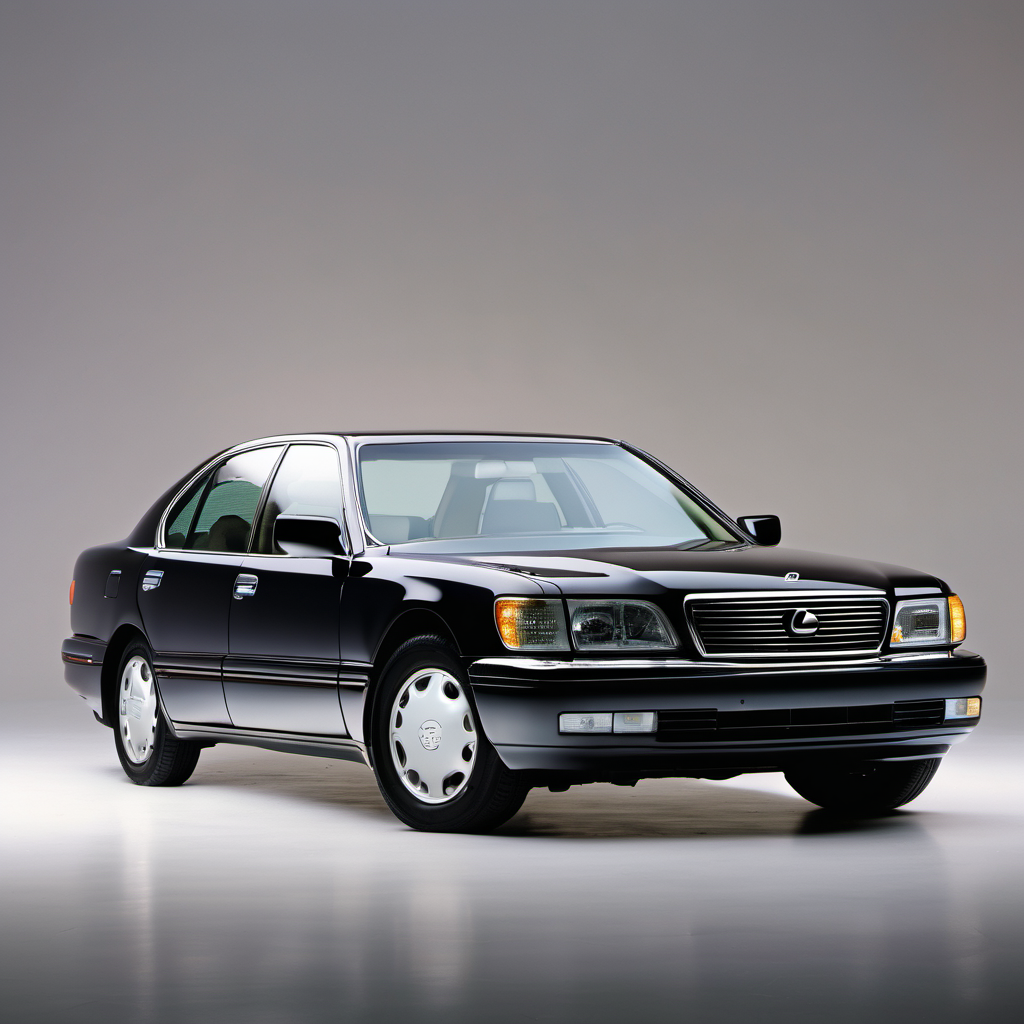
1994 Lexus LS 400
1994 Lexus
LS 400

Direct rival at launch — also a Japanese luxury V8 sedan with strong engine longevity. Generally easier to find in better condition today, with somewhat more parts availability.

1994 BMW
740i

Same full-size luxury sedan segment and RWD layout. The E38 platform is well-regarded but maintenance costs run higher and parts are more expensive.

No catalog match
1994 Mercedes-Benz
S420

The W140 S-Class was the Q45's primary target. Imposing and well-engineered, but complex systems and expensive parts make ownership at this age demanding.

No catalog match
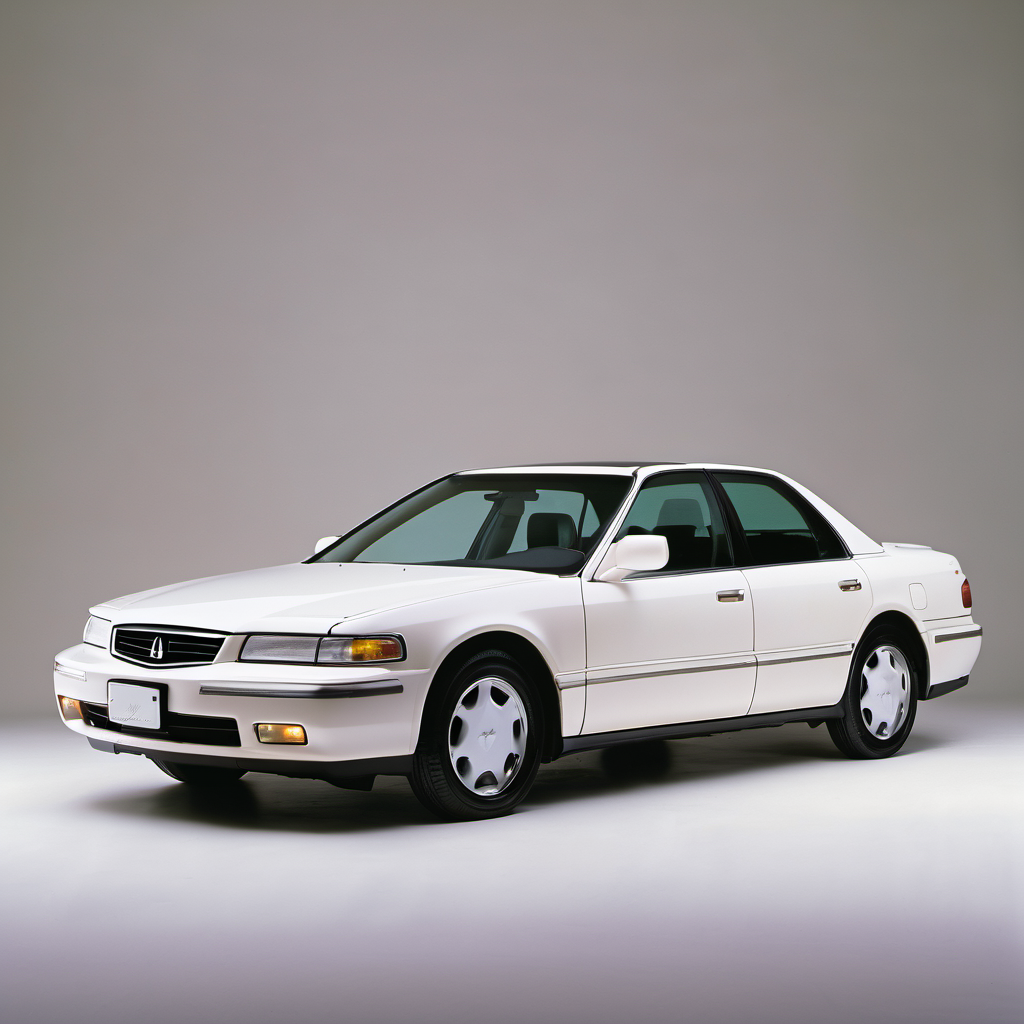
1994 Acura Legend
1994 Acura
Legend

A step smaller but similarly positioned as a Japanese luxury alternative. The Legend V6 is arguably easier to maintain and parts are slightly more available.

If you're shopping for one

Red flags
  • Any underbody rust penetrating through the floor pan or structural subframe — walk away
  • No timing belt records and owner is unwilling to negotiate for the service
  • Active suspension warning lights or visibly uneven ride height
  • Overheating history or evidence of a cracked/repaired head (white smoke, milky oil, coolant loss without visible leak)
  • Electrical gremlins such as non-functional windows, dead gauges, or intermittent starting issues — wiring harness repairs on a 30-year-old car are costly and time-consuming
What to inspect
  • Full underbody inspection for rust on the subframe, floor pan, and brake/fuel lines — this is the #1 concern on any Wisconsin-area example
  • Timing belt service history — if unknown, budget for immediate replacement before driving
  • Active suspension (TEMS) function — bounce each corner and listen for pump noise; sagging or uneven ride height signals expensive repairs
  • All coolant hoses for softness, cracking, or swelling at the ends
  • Engine oil condition on the dipstick — dark, sludgy oil suggests neglected maintenance that may have already damaged the engine
  • Brake lines and calipers for rust-through and seized pistons
AI profile generated 4 days ago · claude-sonnet-4-6 · v2.