Cooling system failure (hoses, expansion tank, water pump)
high- Typically appears
- Any mileage on a 30-year-old car
- Estimated repair
- $400 – $1,200
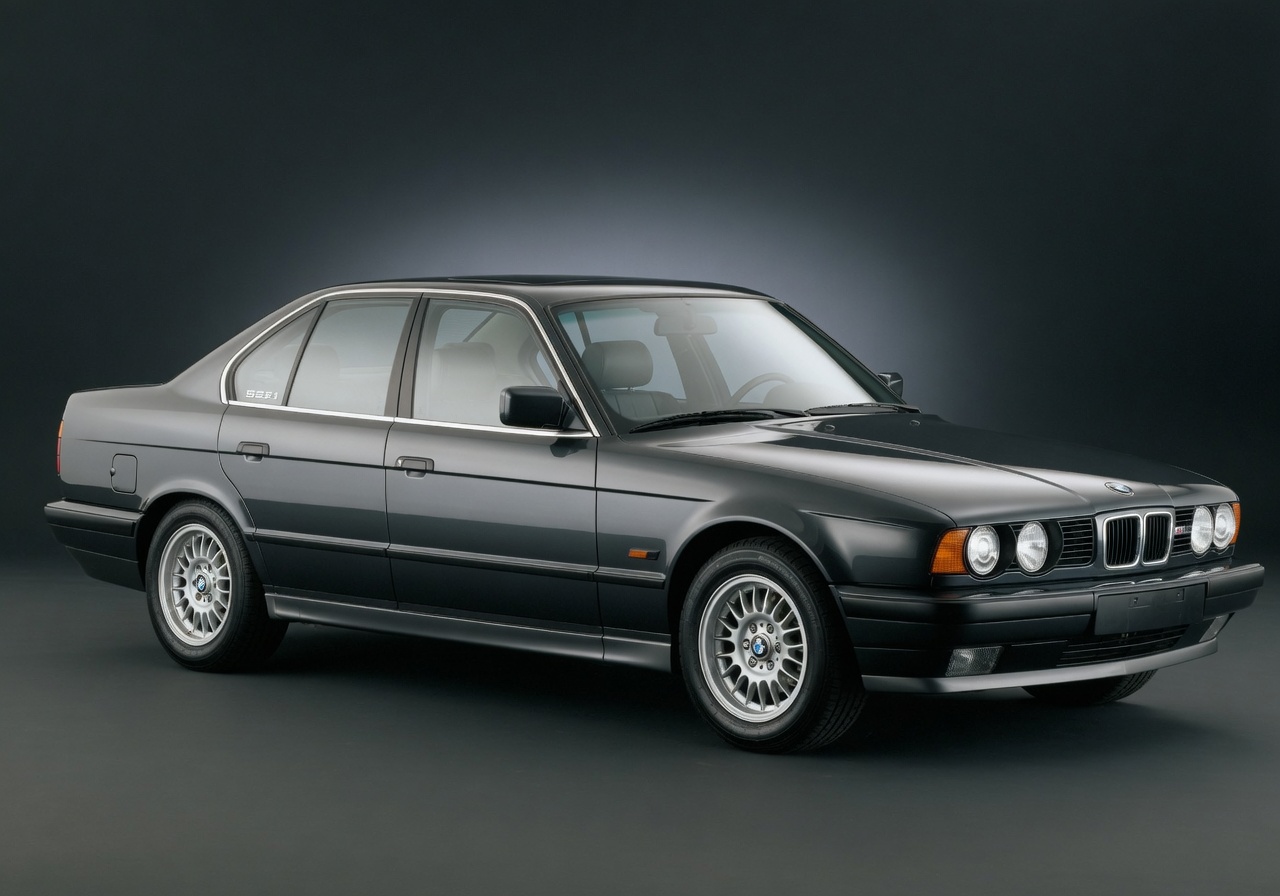
1994 BMW
Sedan
The 1994 BMW 5 Series (E34 generation) is a rear-wheel-drive executive sedan built around BMW's core philosophy of balanced handling and driver engagement. This generation ran from 1988 through 1995 and is widely regarded as one of BMW's finest — a proper driver's car with a well-sorted chassis, a slick inline-six, and a cabin that has aged gracefully. The E34 525i was the volume seller in 1994, pairing a 2.5L M50/M52-family inline-six with a smooth automatic or a sporting manual gearbox. At 30 years old, this car has crossed firmly into classic/enthusiast territory. Mechanically it is robust when maintained, but deferred maintenance and age-related failure of rubber, plastic, and electrical components are now the primary concerns — not design flaws. Parts availability is still excellent through the BMW aftermarket, and the E34 has a loyal global community. This is not a vehicle for buyers who want hassle-free, set-and-forget ownership. It rewards owners who stay on top of service intervals and address small problems before they cascade. In the right hands, an honest E34 525i can comfortably see another 100k miles.
The 1994 BMW 5 Series (E34 generation) is a rear-wheel-drive executive sedan built around BMW's core philosophy of balanced handling and driver engagement. This generation ran from 1988 through 1995 and is widely regarded as one of BMW's finest — a proper driver's car with a well-sorted chassis, a slick inline-six, and a cabin that has aged gracefully. The E34 525i was the volume seller in 1994, pairing a 2.5L M50/M52-family inline-six with a smooth automatic or a sporting manual gearbox. At 30 years old, this car has crossed firmly into classic/enthusiast territory. Mechanically it is robust when maintained, but deferred maintenance and age-related failure of rubber, plastic, and electrical components are now the primary concerns — not design flaws. Parts availability is still excellent through the BMW aftermarket, and the E34 has a loyal global community. This is not a vehicle for buyers who want hassle-free, set-and-forget ownership. It rewards owners who stay on top of service intervals and address small problems before they cascade. In the right hands, an honest E34 525i can comfortably see another 100k miles.
Original rubber hoses and plastic expansion tanks are 30 years old. A cooling failure on this engine can quickly lead to a warped head — the most expensive outcome by far.
The M50 engine is oil-dependent. Sludge from long intervals accelerates VANOS wear and cam chain wear. Shorter intervals are cheap insurance on a 30-year-old engine.
Collapsed mounts cause driveline vibration and can allow the engine to shift enough to damage adjacent components.
DOT 4 fluid is hygroscopic; on a car this age, moisture contamination is near-certain without regular flushing. Degraded fluid reduces braking performance and corrodes ABS components.
Wisconsin road salt accelerates metal-to-rubber bonding breakdown. Worn rear trailing arm bushings in particular affect safety and tire wear.
Original equipment ignition components on a 30-year-old car should be considered overdue. Misfires on a cold Wisconsin start stress the catalytic converter and oxygen sensors.
Cold cranking demands are high on the M50 in sub-zero temps. A weak battery that starts the car fine in summer will fail at –10°F.
Older fuel systems accumulate tank sediment over decades. A restricted filter causes lean conditions and stresses the fuel pump.
Always defer to the manufacturer's service manual for warranty-mandated intervals.
Budget at the higher end of the maintenance range for the first year of ownership while deferred items are sorted. Once the car is fully refreshed, ongoing costs drop significantly. Parts are reasonably priced through the BMW aftermarket, but labor on European cars runs higher than domestic vehicles at most shops. Avoid dealer pricing — independent BMW specialists will cut your bill substantially.
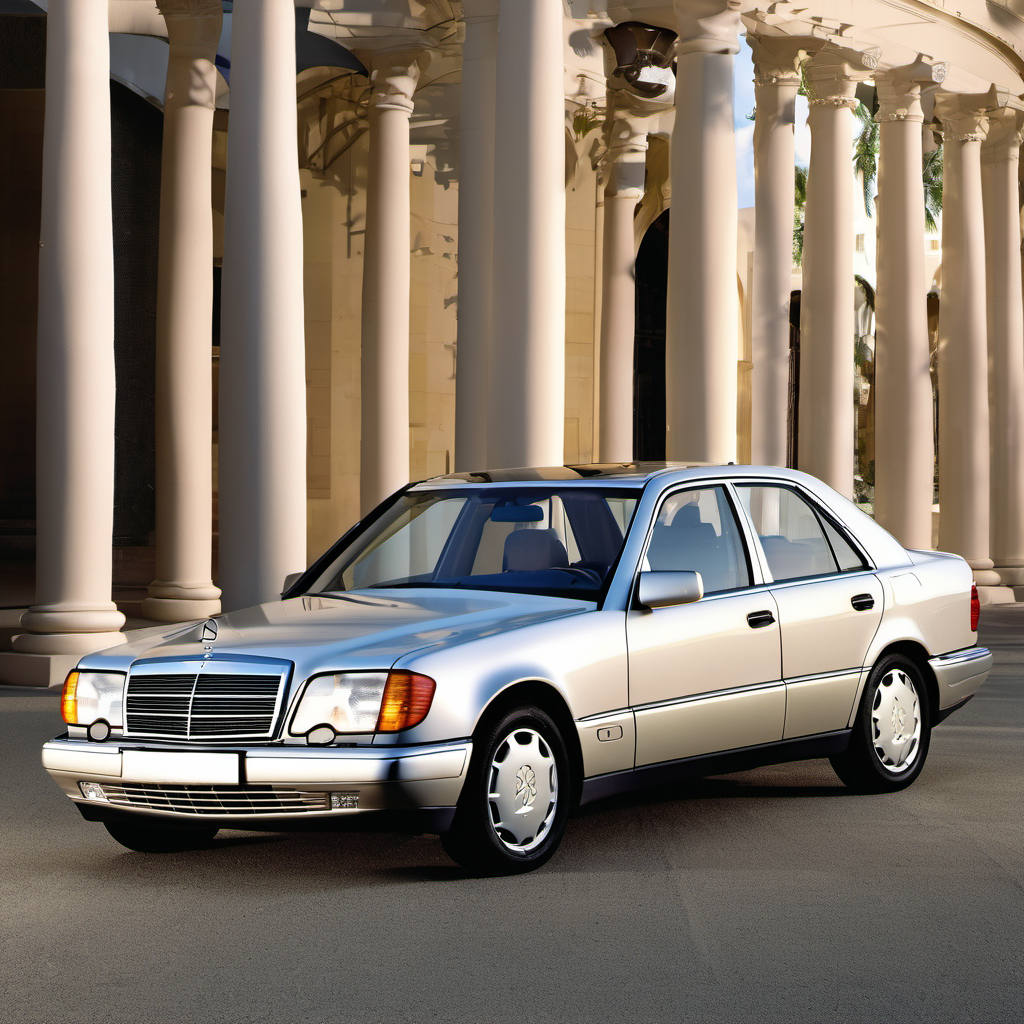
Direct European executive sedan rival from the same era. The W124 E-Class is similarly durable and well-regarded, with comparable ownership costs. Often considered slightly more conservative to drive but equally well-built.
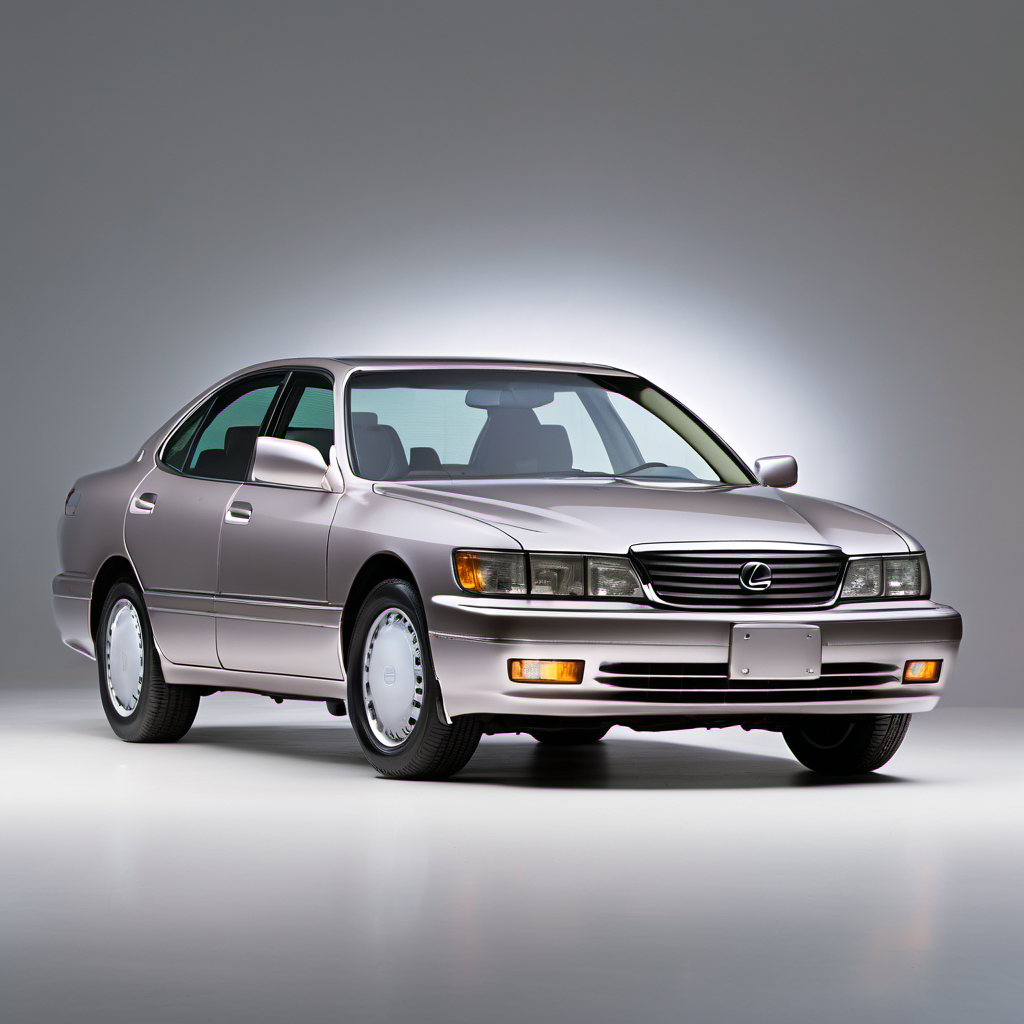
Lower acquisition cost, significantly lower maintenance costs, and strong reliability — though it sacrifices RWD dynamics and driving engagement. A practical alternative if low-hassle ownership matters more than feel.
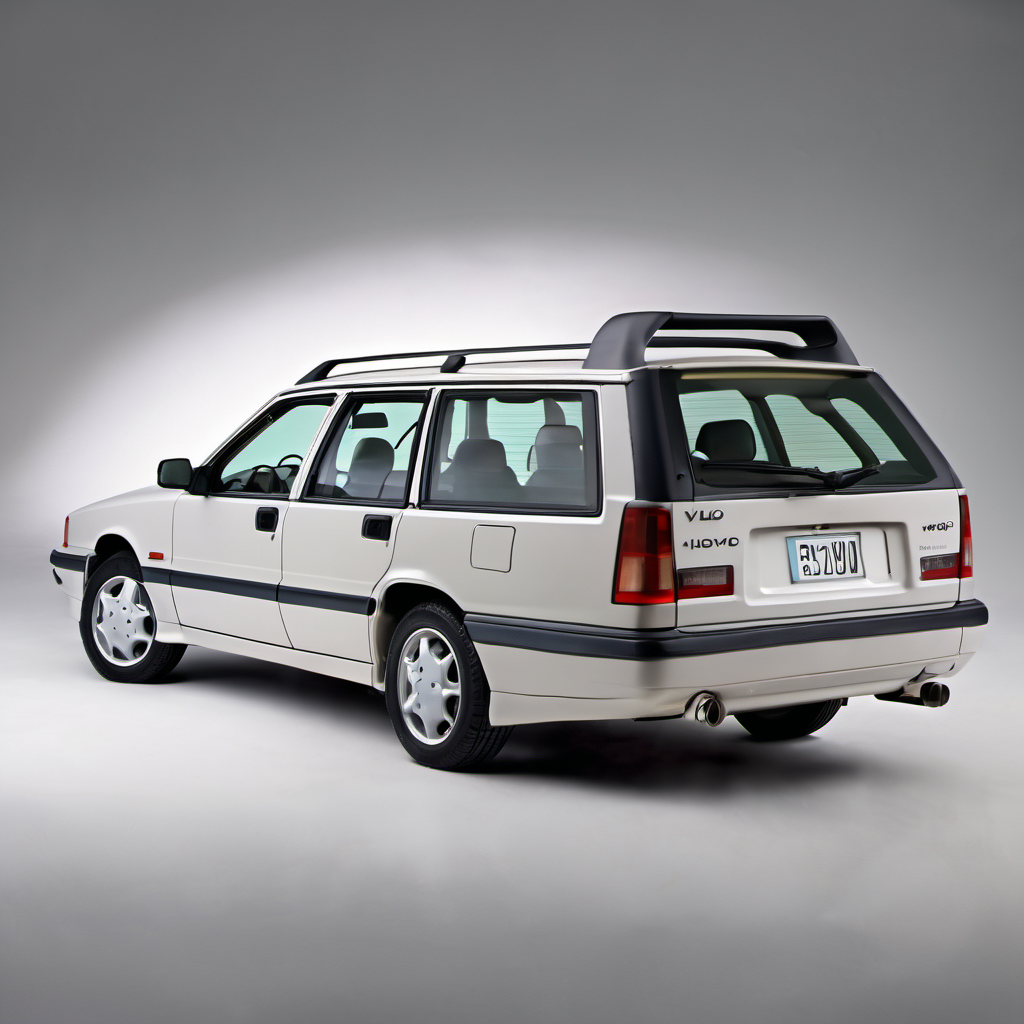
Swedish executive sedan from the same era with strong safety credentials and durable drivetrain. FWD versus RWD, but a better fit for Wisconsin winters without dedicated snow tires.
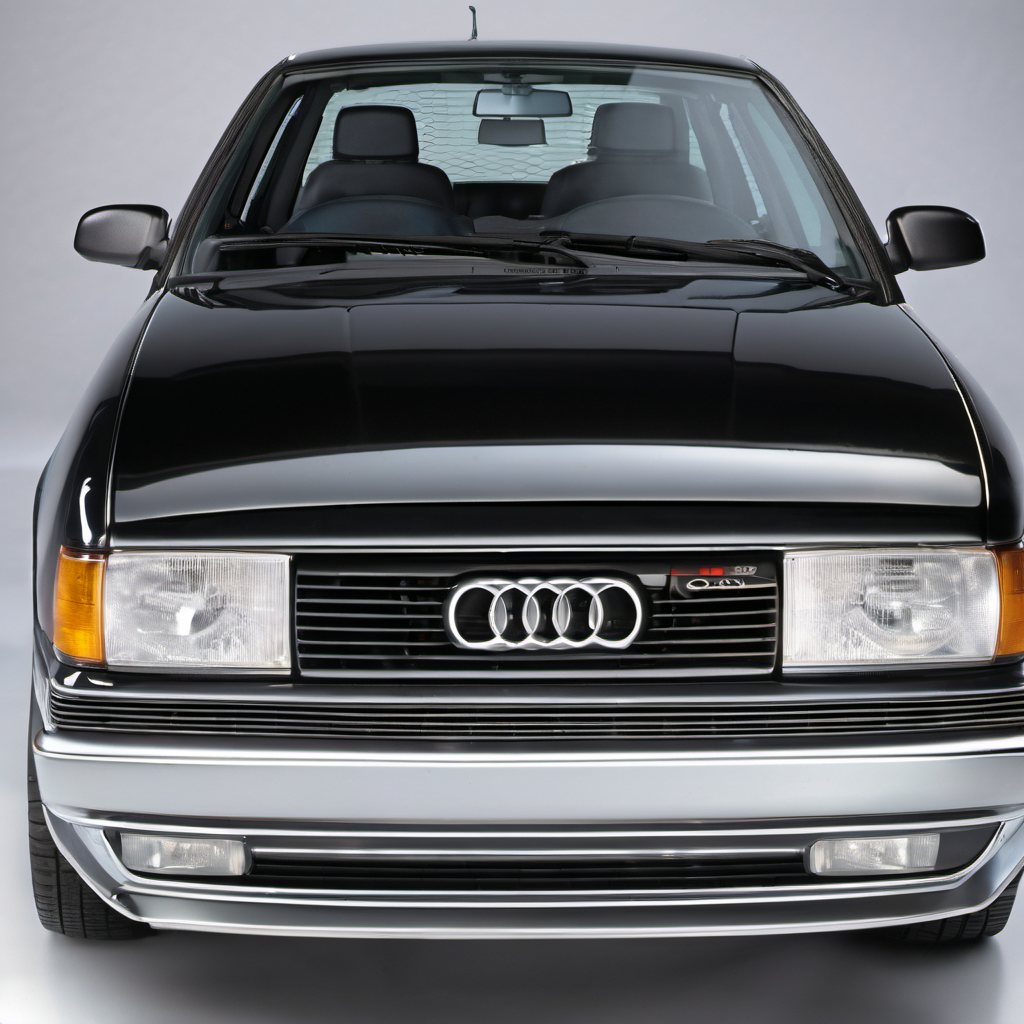
German executive sedan with available Quattro AWD — a compelling winter advantage over the RWD BMW. Comparable prestige and driving character, though electrical complexity is equally demanding at this age.