Rust — floor pans, frame rails, and subframe
high- Typically appears
- All mileages on Midwest cars
- Estimated repair
- $500 – $3,500
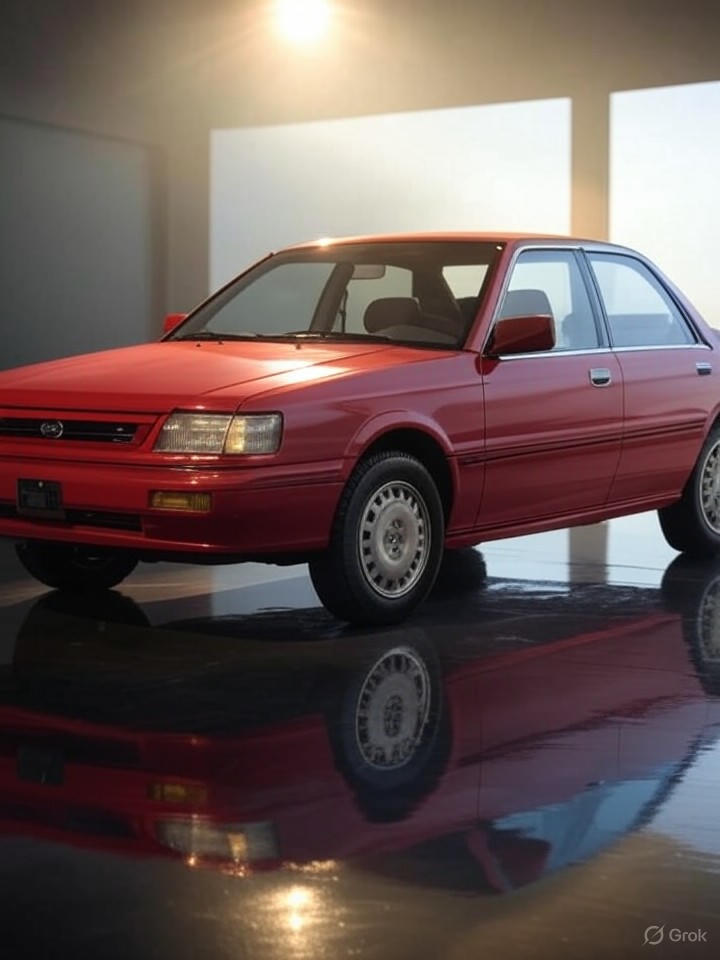
1993 Subaru
Sedan
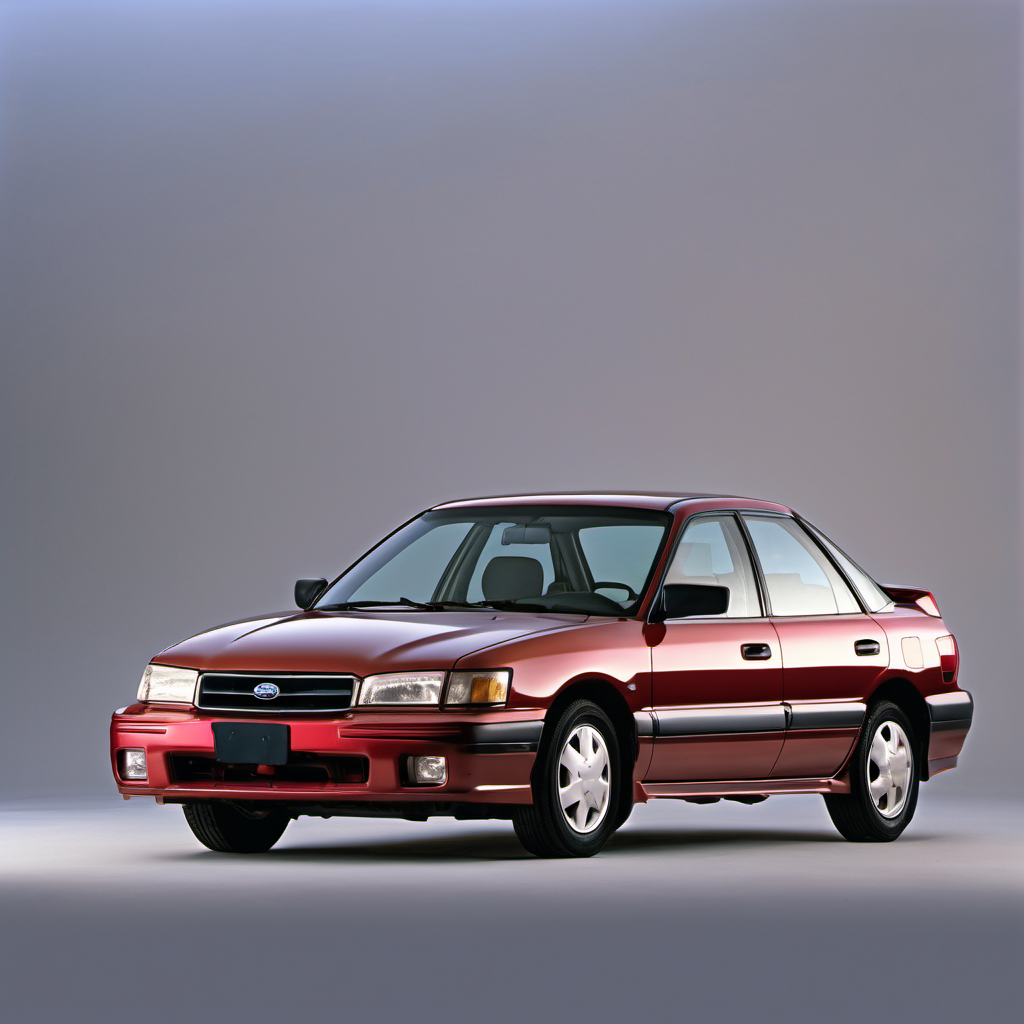
The 1993 Subaru Loyale is the final year of Subaru's original rear-wheel-drive-derived compact lineup, a nameplate that ran from 1990 through 1994 in North America. It replaced the Leone/DL/GL series and was itself replaced by the Impreza for 1993–94. The Loyale was Subaru's entry-level offering — simple, light, and built around that era's trademark boxy practicality. It is now a rare, aging vehicle with a 30-year-old platform. The 1.8L flat-four (EA82 or EJ18 depending on trim) paired with either a 5-speed manual or 3-speed automatic was never quick, but it was durable when maintained. The FWD sedan is the most basic configuration; AWD wagons were also sold in this generation. Parts availability has shrunk considerably as the car ages out of the mainstream supply chain. Owning one today means accepting a classic-car ownership mindset: routine maintenance is non-negotiable, rust is the primary enemy, and mechanical simplicity is your friend. For a vintage Subaru enthusiast or someone needing a cheap winter beater with character, it still has appeal — but go in with eyes open.
The 1993 Subaru Loyale is the final year of Subaru's original rear-wheel-drive-derived compact lineup, a nameplate that ran from 1990 through 1994 in North America. It replaced the Leone/DL/GL series and was itself replaced by the Impreza for 1993–94. The Loyale was Subaru's entry-level offering — simple, light, and built around that era's trademark boxy practicality. It is now a rare, aging vehicle with a 30-year-old platform. The 1.8L flat-four (EA82 or EJ18 depending on trim) paired with either a 5-speed manual or 3-speed automatic was never quick, but it was durable when maintained. The FWD sedan is the most basic configuration; AWD wagons were also sold in this generation. Parts availability has shrunk considerably as the car ages out of the mainstream supply chain. Owning one today means accepting a classic-car ownership mindset: routine maintenance is non-negotiable, rust is the primary enemy, and mechanical simplicity is your friend. For a vintage Subaru enthusiast or someone needing a cheap winter beater with character, it still has appeal — but go in with eyes open.
The EA/EJ 1.8L is an interference engine — a snapped belt will bend valves and potentially destroy the engine. At this vehicle's age, replace it regardless of mileage if you can't confirm the last service.
30-year-old coolant hoses, the radiator, and the thermostat housing are all corrosion and failure risks. A cooling failure on this engine leads directly to head gasket damage.
Older flat-fours rely on consistent oil changes to prevent sludge and oil passage restrictions. Do not stretch intervals on a high-mileage engine.
Cracked boots allow grease to escape and grit to enter the CV joint. On a 30-year-old FWD car, this is a near-certainty without regular attention.
Brake fluid absorbs moisture over time, lowering its boiling point and accelerating internal corrosion in calipers and wheel cylinders — critical in a salt-belt environment.
Rubber degrades with age independent of mileage. On a 30+ year old vehicle, any original rubber is a ticking clock.
Lake Geneva roads are heavily salted. Inspect frame rails, floor pans, subframe mounts, and brake lines every autumn. Treat bare metal with a penetrating rust inhibitor.
Cold cranking demands spike when temps drop below 0°F. A marginal battery that starts fine in October will likely leave you stranded in January.
Always defer to the manufacturer's service manual for warranty-mandated intervals.
On paper, the Loyale looks cheap to own. In practice, deferred maintenance on a 30-year-old car catches up fast. Budget on the higher end of the maintenance range if history is unknown or if rust remediation is needed. Parts can be expensive when they require sourcing from specialty suppliers.
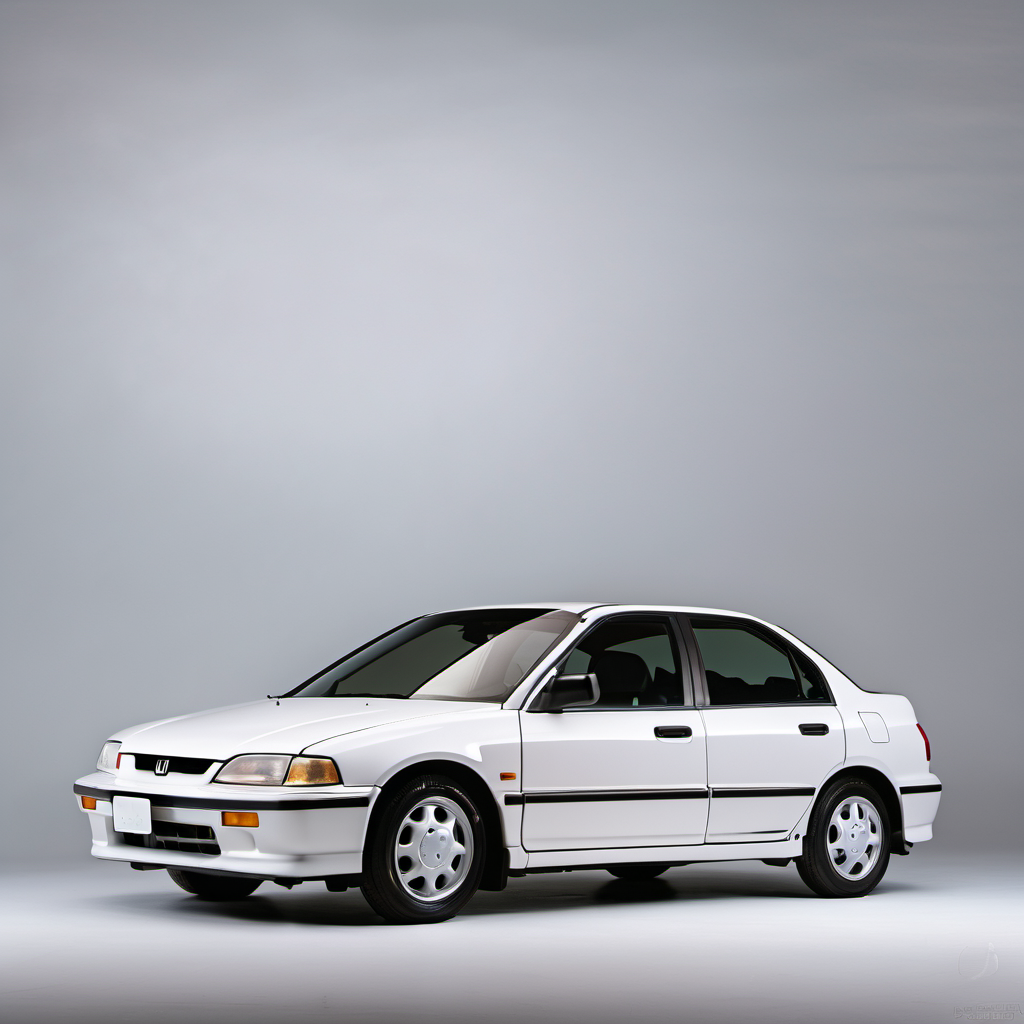
Same era, same compact-economy segment. The Civic is simpler to find parts for today and has better long-term parts support, but lacks AWD availability.
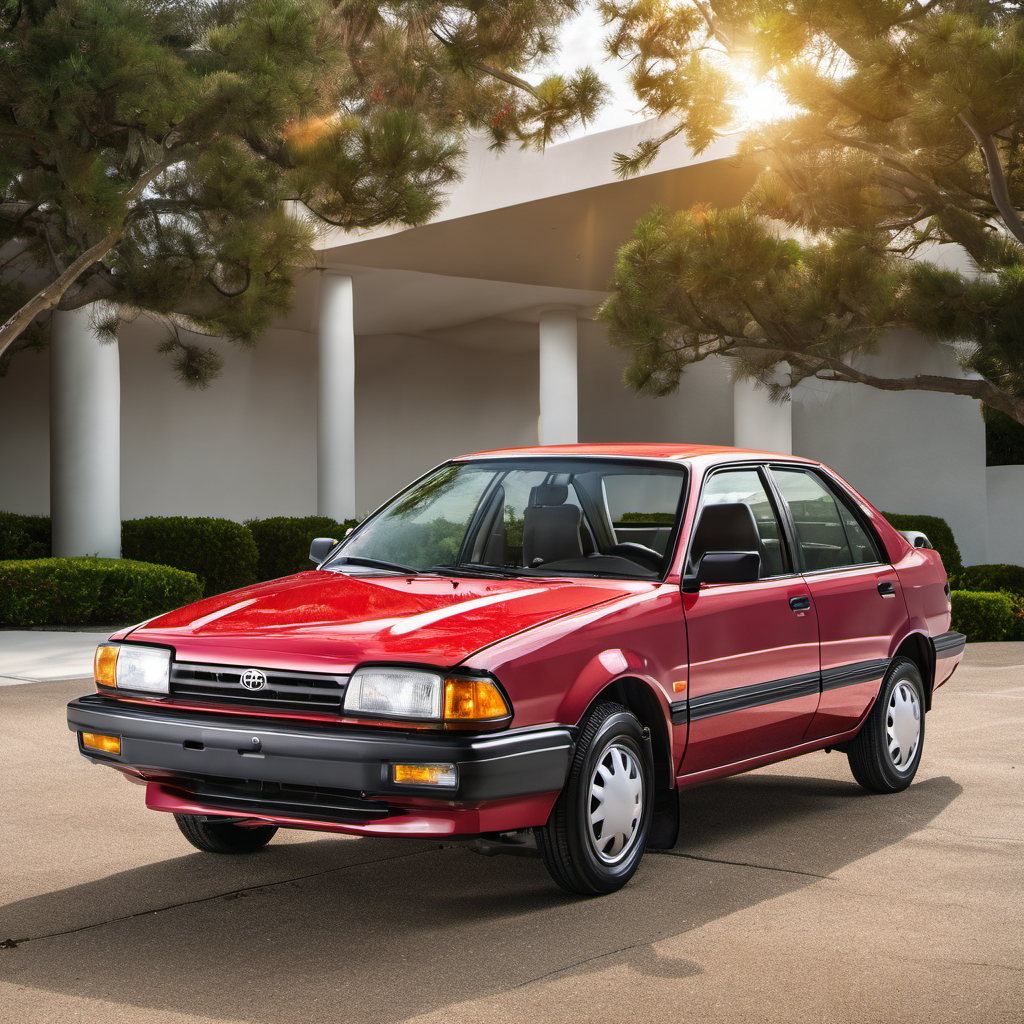
Direct segment competitor in price and mission. Better parts availability than the Loyale today, with a similarly durable inline-four.
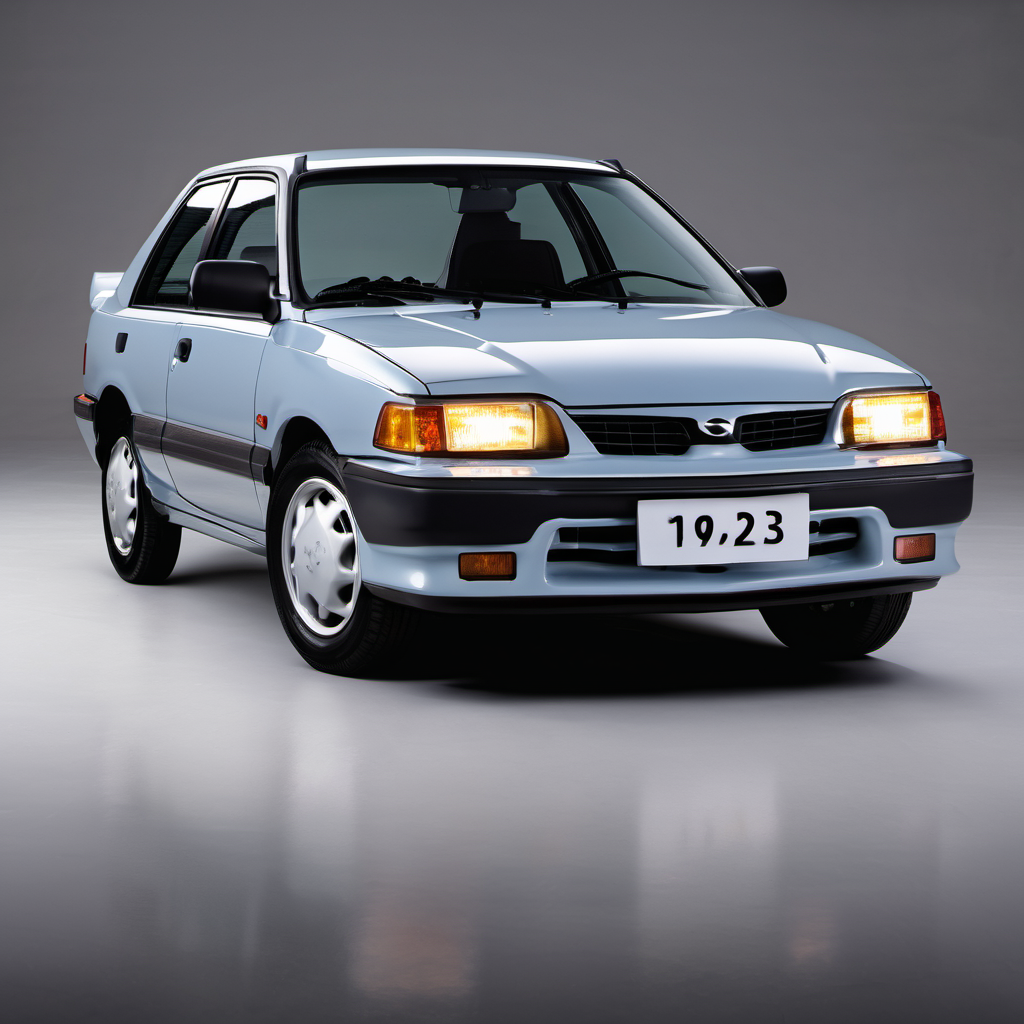
Comparable price, FWD compact, similar vintage. Shares the same era reliability profile and the same parts-scarcity challenge.
If you want a 1990s Subaru with more capability and better parts availability, the Legacy (same era) offers AWD and a more modern platform, and survivor examples are more common.