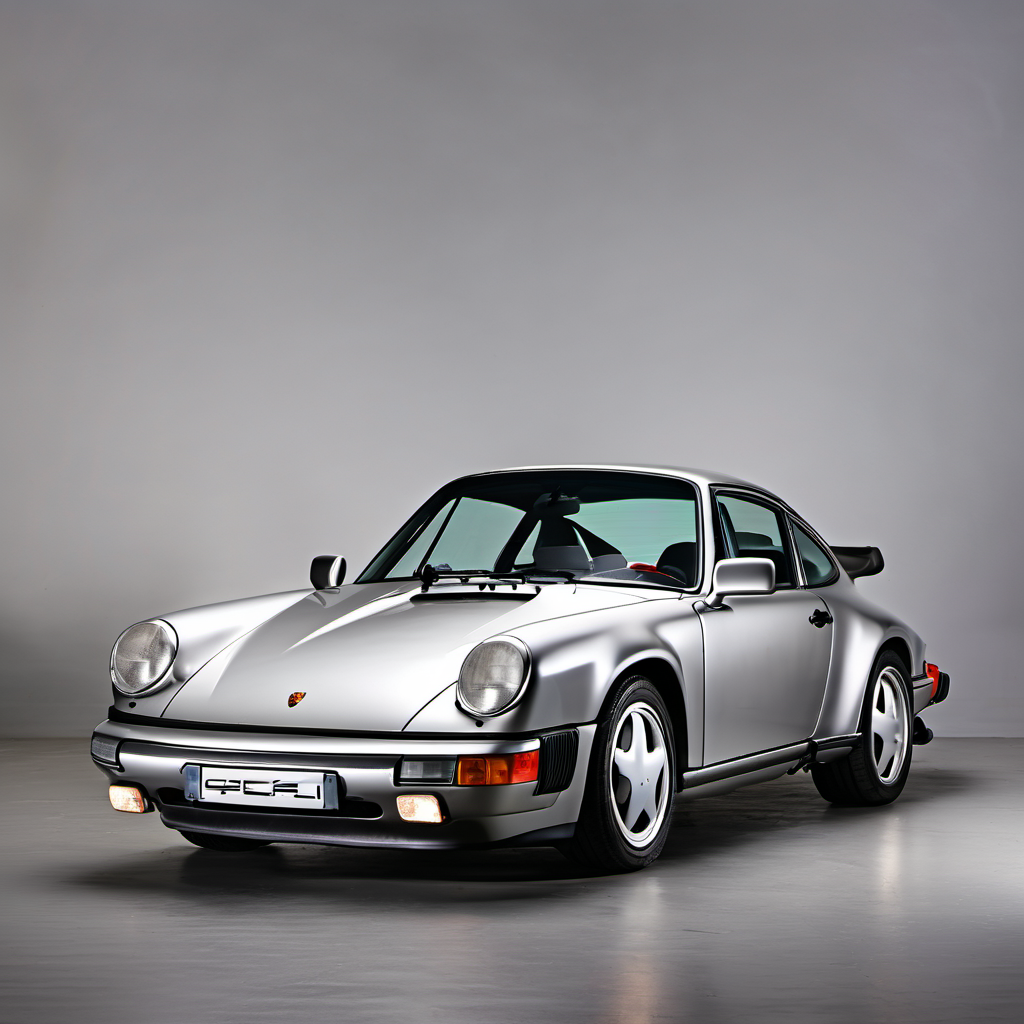
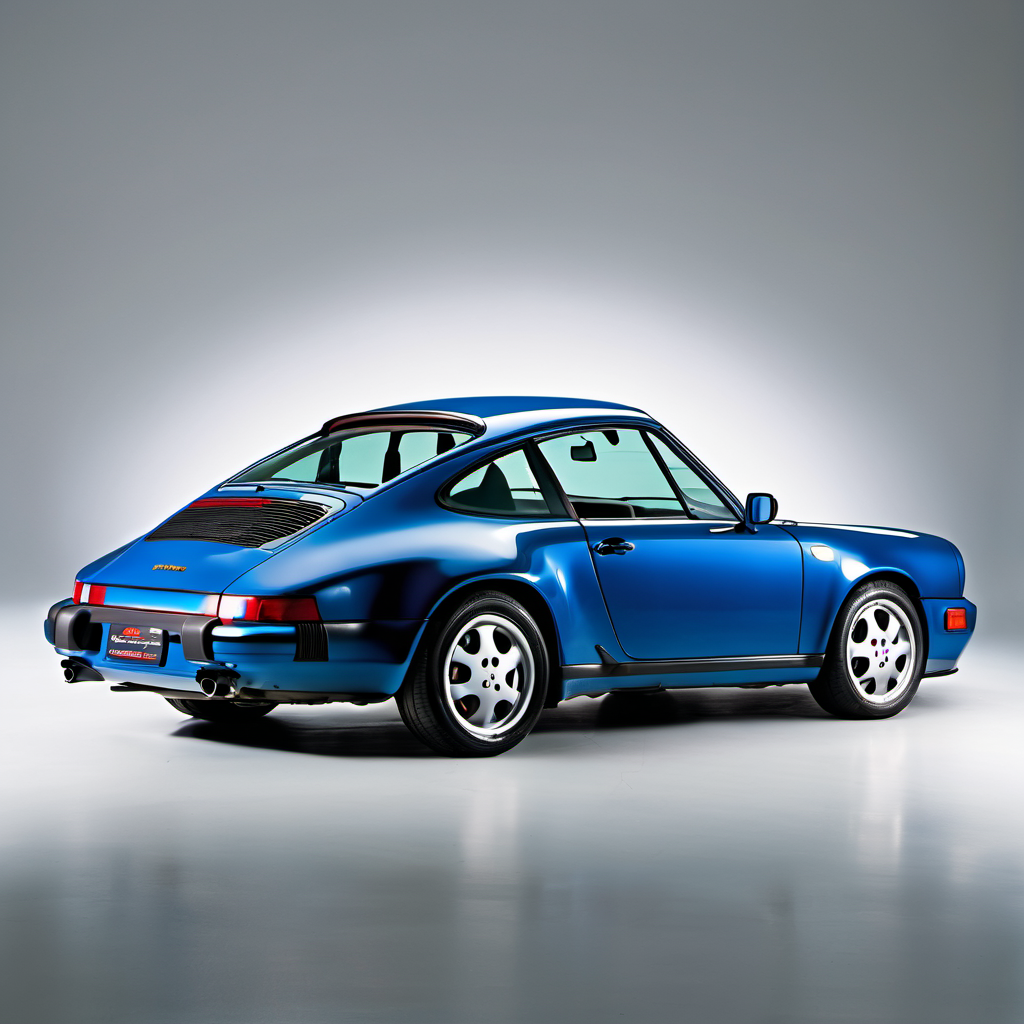
1993 Porsche 911 Coupe

1993 Porsche

911Coupe

Coupe

The 1993 Porsche 911 (internally coded 964) is the tail end of an era — it's the last 911 generation to use the classic air-cooled, rear-mounted flat-six before Porsche switched to water cooling with the 993 and eventually 996. The 964 Carrera 2 (RWD) and Carrera 4 (AWD) were offered as Coupe, Targa, and Cabriolet. The 3.6L engine makes 247 hp and delivers a driving experience that 911 purists still chase today. These cars were built to be driven hard and maintained meticulously. An air-cooled 911 that has been properly cared for — fresh oil on schedule, correct-spec fluids, no deferred repairs — can run reliably for decades. One that has been neglected, stored improperly, or maintained on the cheap will cost you. Parts are available but not cheap, and specialist labor is not optional. In the collector market, well-sorted 964 Coupes have held and increased in value, which means sellers are motivated to dress up problems. Buy cautiously, inspect thoroughly, and budget for a proper pre-purchase inspection by a Porsche specialist before committing.

Reliability
3/5
Verified data
Specs shown for 911 Carrera 4/2 — the most common configuration. Other trims may vary in engine, drivetrain, or fuel economy. Sign in to see your vehicle's exact specs.
Engine
[object Object]
Drivetrain
RWD
Fuel
Premium gasoline
MPG
15 city / 23 hwy / 18 combined
Seats
Doors
Body
Two Seaters

Overview

AI-curated

The 1993 Porsche 911 (internally coded 964) is the tail end of an era — it's the last 911 generation to use the classic air-cooled, rear-mounted flat-six before Porsche switched to water cooling with the 993 and eventually 996. The 964 Carrera 2 (RWD) and Carrera 4 (AWD) were offered as Coupe, Targa, and Cabriolet. The 3.6L engine makes 247 hp and delivers a driving experience that 911 purists still chase today. These cars were built to be driven hard and maintained meticulously. An air-cooled 911 that has been properly cared for — fresh oil on schedule, correct-spec fluids, no deferred repairs — can run reliably for decades. One that has been neglected, stored improperly, or maintained on the cheap will cost you. Parts are available but not cheap, and specialist labor is not optional. In the collector market, well-sorted 964 Coupes have held and increased in value, which means sellers are motivated to dress up problems. Buy cautiously, inspect thoroughly, and budget for a proper pre-purchase inspection by a Porsche specialist before committing.

Known for
  • Last air-cooled 911 generation before the switch to water cooling
  • Rear-engine, rear-wheel-drive handling character beloved by purists
  • Strong, durable 3.6L flat-six when properly maintained
  • Rising collector value — well-maintained examples are appreciating assets
  • Tiptronic automatic option rare for the era; most are 5-speed manuals
Best for
  • Enthusiast drivers who want a classic sports car they can still use daily
  • Collectors seeking the last air-cooled 911 at a still-accessible price point
  • Owners willing to commit to proper, scheduled maintenance
  • Weekend canyon/road drives — not primarily a commuter
Watch for
  • Engine case stud failures — a well-known and expensive 964 failure mode
  • Rear torsion bar tube corrosion, especially on upper Midwest cars with salt exposure
  • Deferred maintenance from prior owners trying to flip appreciating values
  • Rust in the rocker panels, battery box, and front trunk floor
  • Tiptronic transmission issues if equipped — this gearbox has a troubled history in this generation

Common issues by mileage

6 known

Engine Case Stud Failure

medium
Typically appears
80k–150k+ mi
Estimated repair
$4,000 – $9,000

Rear Torsion Bar Tube Rust / Corrosion

high
Typically appears
All mileages on Midwest / salt-belt cars
Estimated repair
$1,500 – $5,000

IMS / Flywheel End Main Seal Oil Leak

high
Typically appears
60k–120k mi
Estimated repair
$800 – $2,200

Oxygen Sensor / Heater Circuit Failure

medium
Typically appears
60k–100k mi
Estimated repair
$300 – $800

Rocker Panel and Battery Box Rust

high
Typically appears
All mileages — age and climate dependent
Estimated repair
$1,000 – $6,000

Brake Master Cylinder / ABS Hydraulic Unit Failure

medium
Typically appears
80k–130k mi
Estimated repair
$600 – $2,500

Maintenance schedule

  1. 1
    Every 5,000–7,500 miles or annually Engine oil and filter change — use correct air-cooled spec (typically 10W-40 or 20W-50 depending on climate)

    The air-cooled flat-six relies entirely on oil for cooling as well as lubrication. Low oil or degraded oil accelerates engine case stud wear and can cause catastrophic overheating.

  2. 2
    Every 30,000 miles Spark plug replacement and ignition wire inspection

    The rear-mounted, air-cooled engine runs hot. Plugs and wires degrade faster than in water-cooled applications and misfires can go unnoticed until damage occurs.

  3. 3
    Every 2 years or 24,000 miles Coolant / heat exchanger fluid and brake fluid flush

    Brake fluid absorbs moisture over time — critical in a performance car. The heat exchangers (cabin heat) use a separate fluid circuit that is often ignored on these cars.

  4. 4
    Annually before winter storage Inspect rear torsion bar tubes and undercarriage for rust; apply fresh undercoating if needed

    Wisconsin road salt is the number-one enemy of 964 structural integrity. Torsion bar tube rust is an expensive repair that is far cheaper to prevent.

  5. 5
    Every 30,000 miles or when disturbing clutch/flywheel Inspect flywheel-end main seal and replace if seeping

    Oil leaking onto the clutch is a common 964 failure. Catching it early avoids a clutch replacement on top of the seal job.

  6. 6
    Every 60,000 miles Fuel injector cleaning and fuel filter replacement

    30-year-old fuel delivery components benefit from cleaning. Dirty injectors cause rough idle and poor fuel economy, which are easy to misdiagnose on an air-cooled engine.

  7. 7
    Annually Battery condition test and terminal cleaning

    The 964's electrical system is sensitive to low voltage. Wisconsin winters will kill a marginal battery quickly, and a dead battery in a stored collector car can cause electrical gremlins.

  8. 8
    Every 2 years Inspect all rubber: engine lid seals, door seals, targa/cabriolet seals if applicable, CV boots

    Wisconsin temperature swings (-20°F to 90°F) crack rubber fast. Failed CV boots accelerate joint wear; failed engine lid seals cause oil smell in the cabin.

Always defer to the manufacturer's service manual for warranty-mandated intervals.

Cost of ownership

Annual maintenance
$1,800 – $5,000
Fuel
Premium unleaded required. At 18 MPG combined and ~12,000 miles/year, expect roughly $2,000–$2,500/year at current upper Midwest premium prices.
Insurance
Collector or agreed-value policy strongly recommended. Expect $800–$2,000/year depending on usage, storage, and driver profile. Full-coverage daily-driver rates will be higher.

Ownership costs are high relative to most 30-year-old vehicles because this is a specialized, low-production sports car with expensive parts and labor. A healthy car in steady-state maintenance runs $1,800–$3,500/year. If deferred maintenance is discovered — and it often is on used examples — a single catch-up service visit can run $3,000–$10,000+. Budget accordingly and never skip the pre-purchase inspection.
Seasonal care

Lake Geneva, WI
Winter
  • Do not drive on salted roads if at all avoidable — the torsion bar tubes and rocker panels are rust-vulnerable and this car is worth protecting. Store it if possible.
  • If storing for winter: use a fuel stabilizer, connect a battery tender to maintain charge, and store on a breathable car cover in a climate-controlled or at least dry space.
  • If driving in winter: rinse the undercarriage after every salt exposure. Do not let brine sit.
  • Use a full-synthetic oil rated for low-temperature starts if the car will be driven in sub-zero temps. Cold starts are hard on the flat-six.
  • Confirm wiper blades and washer fluid are rated for -20°F. The rear-engine layout means visibility is already limited — don't make it worse.
  • Check battery load before the first cold snap. The 964's electrical accessories will drain a weak battery overnight in the cold.
Summer
  • Monitor oil temperature closely during spirited driving — the air-cooled engine is more heat-sensitive than modern water-cooled cars. The oil temp gauge is not a decoration.
  • Check tire pressure at cool morning temps before long drives; heat soak raises pressure and the 964's narrow rear-engine handling is sensitive to tire pressure imbalance.
  • Inspect the A/C system (if equipped) for refrigerant and compressor condition — R12 systems on 1993 cars may have been converted to R134a, and the quality of that conversion varies widely.
  • After long highway runs, avoid immediately shutting the engine off; let it idle briefly to allow heat to dissipate from the air-cooled engine.
  • Clean and inspect rubber seals around the engine lid and front trunk; summer UV accelerates cracking in aged rubber.

Comparable vehicles

If you're shopping for one

Red flags
  • No service records or vague ownership history — a major concern on an appreciating collectible
  • Fresh undercoating that could be hiding rust — lift it and inspect before the coat dries your options
  • Overheating history of any kind — the air-cooled engine does not forgive heat events
  • Engine noise at idle (ticking, rattling) — can indicate stud issues or oil starvation damage
  • Oil leaks from multiple locations — some seepage is normal on a 30-year-old Porsche, but heavy leaks suggest years of neglect
  • Mismatched paint or filler in structural areas — indicates accident repair that may not have been done to Porsche standards
What to inspect
  • Engine case studs — have a Porsche specialist perform a compression test and inspect for any signs of stud failure (oil leaks near the cylinders, overheating history, prior engine-out work)
  • Rear torsion bar tubes — get the car on a lift and inspect for rust; this is a structural component and rust here is a serious red flag
  • Full service history documentation — without it, assume all deferred maintenance is due
  • Rocker panels and battery box for rust perforation — probe with a screwdriver if the seller allows
  • Clutch feel and flywheel-end oil leak — slipping clutch or oil smell from the rear of the engine indicates a costly repair
  • A/C system refrigerant type and conversion quality if converted from R12 to R134a
  • Tiptronic-equipped cars: verify smooth shifts in all ranges and check for slipping — this gearbox has known issues and rebuilds are expensive
  • Title history and any evidence of track use, flood, or accident — appreciating values bring out cosmetically restored problem cars
AI profile generated 4 days ago · claude-sonnet-4-6 · v2.