Cooling system failure — hoses, water pump, thermostat
high- Typically appears
- All mileages on 30-year-old cars
- Estimated repair
- $800 – $2,500
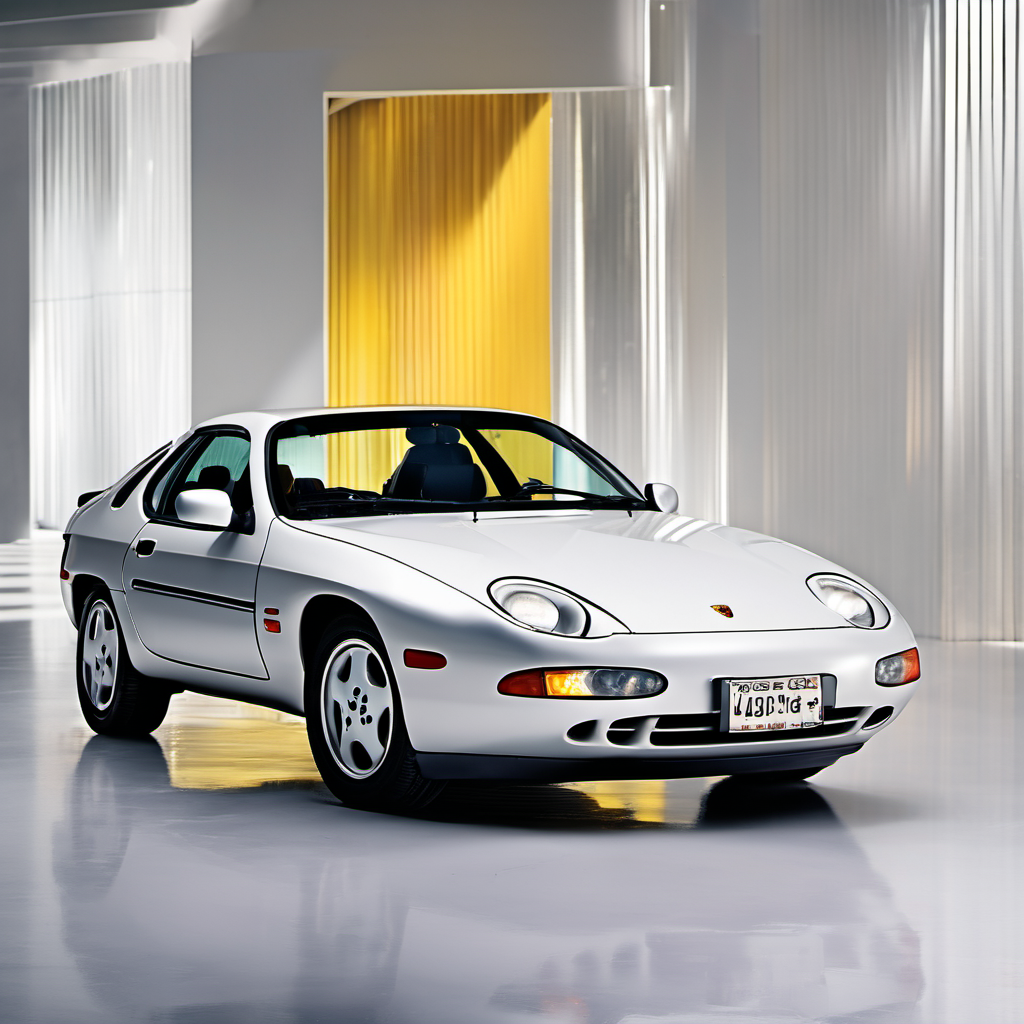
1993 Porsche
Hatchback
The 1993 Porsche 928 GTS is the final and most refined evolution of Porsche's front-engine, rear-transaxle grand tourer — a car that was in continuous production from 1978 through 1995. The GTS version introduced for 1992 brought the largest engine ever fitted to the 928: a 5.4L V8 producing 345 horsepower. It is a genuine driver's car with a sophisticated chassis, a smooth wide-body stance, and enough straight-line power to humiliate most modern sports cars. The 928 was always the 'other' Porsche — overshadowed commercially by the 911 — but it was arguably the more complete automobile. Porsche intended it as a 911 successor, and in many ways it delivered: quieter, more planted at high speed, and more livable day-to-day. The GTS trim added flared rear fenders, a deeper front spoiler, and a power bump that made it the quickest production 928 ever built. Owning one in 2024 means committing to a specialist vehicle. Parts are expensive, some items are no longer made new, and only a shop with genuine 928 experience should touch the major mechanical systems. That said, a well-sorted 928 GTS is an attainable piece of automotive history that rewards careful, informed ownership.
The 1993 Porsche 928 GTS is the final and most refined evolution of Porsche's front-engine, rear-transaxle grand tourer — a car that was in continuous production from 1978 through 1995. The GTS version introduced for 1992 brought the largest engine ever fitted to the 928: a 5.4L V8 producing 345 horsepower. It is a genuine driver's car with a sophisticated chassis, a smooth wide-body stance, and enough straight-line power to humiliate most modern sports cars. The 928 was always the 'other' Porsche — overshadowed commercially by the 911 — but it was arguably the more complete automobile. Porsche intended it as a 911 successor, and in many ways it delivered: quieter, more planted at high speed, and more livable day-to-day. The GTS trim added flared rear fenders, a deeper front spoiler, and a power bump that made it the quickest production 928 ever built. Owning one in 2024 means committing to a specialist vehicle. Parts are expensive, some items are no longer made new, and only a shop with genuine 928 experience should touch the major mechanical systems. That said, a well-sorted 928 GTS is an attainable piece of automotive history that rewards careful, informed ownership.
The 928's aluminum V8 is sensitive to overheating. Original rubber hoses on any surviving car are dangerously old. A burst hose or failed water pump can destroy the engine within minutes. This is the single most important preventive job on any 928.
The 928 uses a timing belt driving both camshafts. Belt failure is catastrophic — this is an interference engine. On a 30-year-old car, replace it on a time basis even if mileage is low.
The torque tube connecting the engine to the rear transaxle has a center bearing that wears over time. A failing bearing causes driveline vibration and, if ignored, can damage the torque tube itself — a much larger repair.
Fuel hoses on a 1993 car are 30+ years old. Cracked or seeping fuel lines are a fire hazard. Injector O-rings dry out and leak, causing rough idle and potential fire risk.
Rubber bushings degrade with age. Worn rear bushings cause unpredictable handling at the limit — serious at the speeds this car is capable of.
The 5.4L V8 runs hot and benefits from a quality full synthetic. Frequent changes protect the valve train and cam followers, which are expensive to repair.
Wiring harness insulation on early-1990s German cars becomes brittle with age. Shorts can cause electrical gremlins or worse. Catching it early is far cheaper than diagnosing cascading electrical failures.
DOT brake fluid is hygroscopic — it absorbs moisture over time, lowering boiling point. On a performance car driven near its limits, degraded fluid is a safety risk. Two-year intervals are non-negotiable.
Always defer to the manufacturer's service manual for warranty-mandated intervals.
The 928 is not an expensive car to buy relative to its performance — it's an expensive car to own. Annual maintenance on a well-sorted example runs $1,500–$3,000 in a good year. A year with a major job (torque tube, cooling system overhaul, timing belt) can push $5,000+ easily. Parts sourcing requires specialist vendors; many items are not available at national parts chains. Budget honestly before buying, and never defer maintenance on this car.
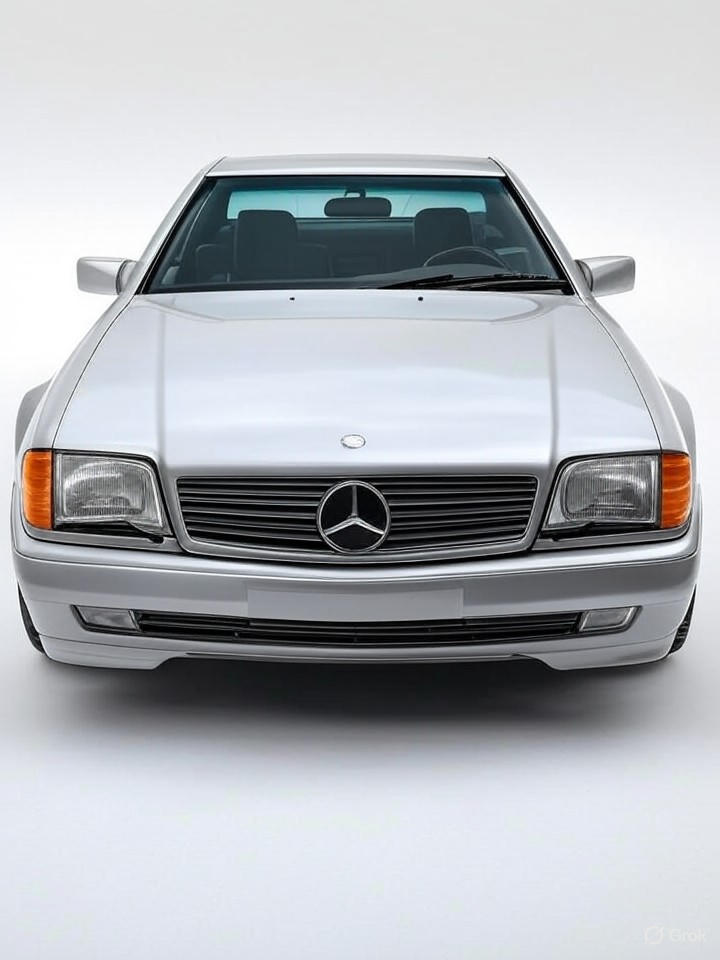
Another German front-engine V8 grand tourer of the same era. More parts availability and a larger service network than the 928, but a similar ownership profile: expensive to maintain, rewarding when sorted.
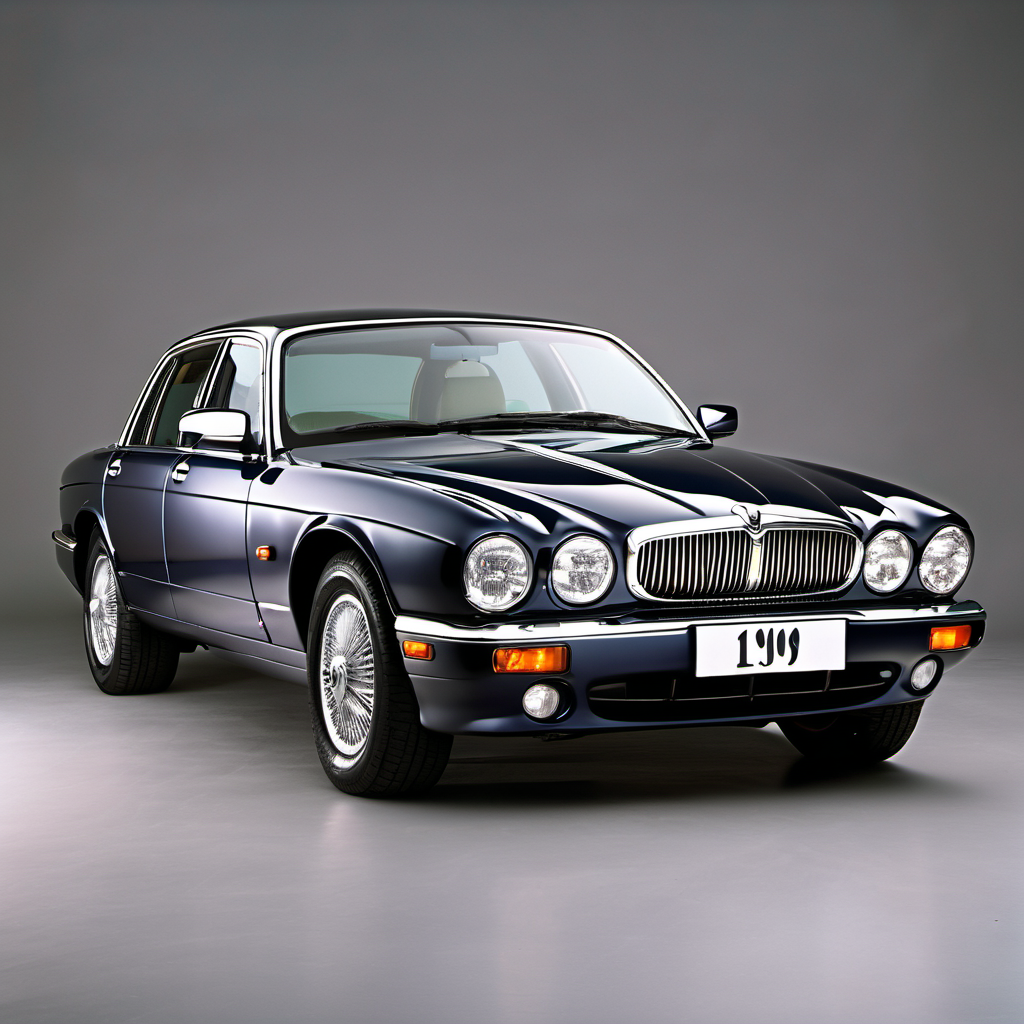
V12-powered GT coupe from the same period at similar price points today. The XJS shares the 928's character as an undervalued exotic — beautiful, capable, and demanding of proper care.
Comparable performance envelope and price range in today's market. The Ferrari badge comes with higher parts costs and more drama; the 928 is more practical day-to-day but shares the specialist-only service requirement.
No catalog match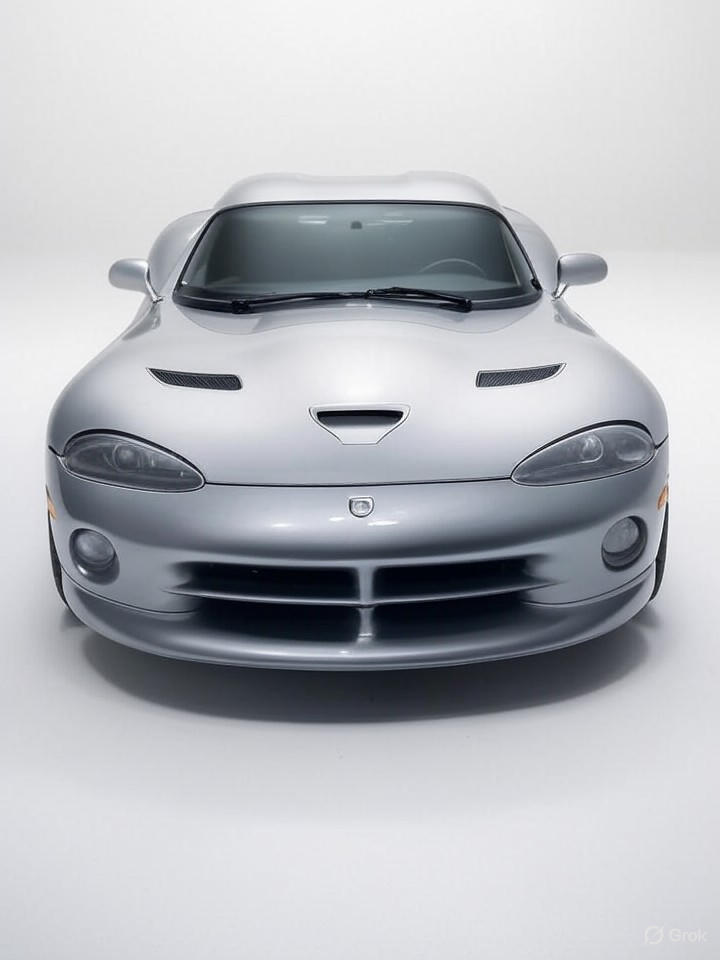
American V10 exotic from the same era with similar raw performance numbers. Far simpler mechanically than the 928, but a completely different ownership experience — no creature comforts, no forgiveness.