M120 V12 Timing Chain Guide & Tensioner Failure
high- Typically appears
- 80k–150k+ mi
- Estimated repair
- $3,000 – $7,000
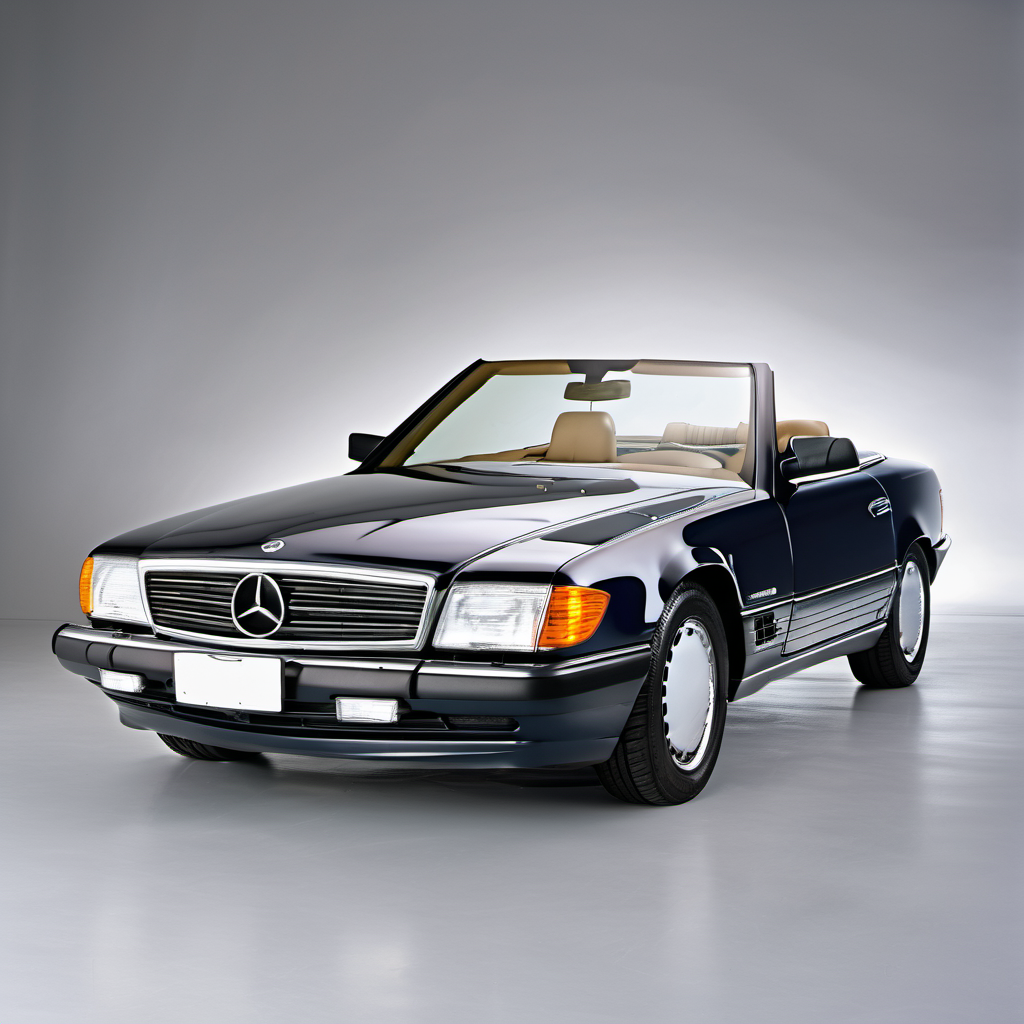
1993 Mercedes-Benz
6.0L V12 (M120) · Convertible
The 1993 Mercedes-Benz 600 SL (R129 chassis) is the flagship of the second-generation SL-Class lineup, powered by a 6.0-liter M120 V12 engine — one of the most technically ambitious naturally aspirated engines Mercedes ever put in a road car. It was hand-assembled, lavishly equipped, and priced to compete with Ferraris of the era. At the time of its introduction, it was broadly considered the finest convertible in the world. As a 30-plus-year-old German grand tourer, the 600 SL demands respect and budget. The M120 V12 is mechanically robust when maintained, but its complexity means every repair costs more than a comparable V8 SL. The R129's hydraulic top mechanism, active roll bar system, and early electronics are the primary maintenance headaches on aging examples. A well-sorted, documented car is a genuine pleasure; a neglected one is a money pit. This is a collector's car now, not a daily driver. It belongs in a garage, receives fresh fluids on a calendar schedule rather than just a mileage schedule, and should only be serviced by a shop with Mercedes-Benz R129/M120 experience. Parts availability is workable but not cheap, and sourcing some items requires patience.
The 1993 Mercedes-Benz 600 SL (R129 chassis) is the flagship of the second-generation SL-Class lineup, powered by a 6.0-liter M120 V12 engine — one of the most technically ambitious naturally aspirated engines Mercedes ever put in a road car. It was hand-assembled, lavishly equipped, and priced to compete with Ferraris of the era. At the time of its introduction, it was broadly considered the finest convertible in the world. As a 30-plus-year-old German grand tourer, the 600 SL demands respect and budget. The M120 V12 is mechanically robust when maintained, but its complexity means every repair costs more than a comparable V8 SL. The R129's hydraulic top mechanism, active roll bar system, and early electronics are the primary maintenance headaches on aging examples. A well-sorted, documented car is a genuine pleasure; a neglected one is a money pit. This is a collector's car now, not a daily driver. It belongs in a garage, receives fresh fluids on a calendar schedule rather than just a mileage schedule, and should only be serviced by a shop with Mercedes-Benz R129/M120 experience. Parts availability is workable but not cheap, and sourcing some items requires patience.
The M120 V12's timing chain tensioners and VVT system are oil-pressure dependent. Degraded oil accelerates chain guide wear, which is an engine-threatening failure on this motor.
Plastic chain guides crack and crumble with age. This is the single most expensive preventable failure on the M120. Address rattle immediately — do not drive until inspected.
Hydraulic seals dry out with age and inactivity. Fluid level drops slowly before a full pump or cylinder failure. Catching it early saves thousands.
The V12 runs a complex dual-circuit cooling system. Old coolant causes corrosion in aluminum passages and can mask a failing thermostat until an overheat event occurs.
The V12 has two banks of six cylinders. Worn plugs cause misfires that are hard to diagnose individually and can foul catalytic converters. Budget time — this is a significant labor job.
This car has a large accessory and standby electrical load. A weak battery causes wide-ranging electronic faults and hard starts in sub-zero temps. A quality AGM battery is strongly recommended.
Brake fluid absorbs moisture over time, lowering its boiling point. The R129 uses the same hydraulic fluid circuit for braking and the roll bar system on some configurations — clean fluid protects both.
The M120 uses 12 injectors across two banks. Partial clogs on any injector cause uneven running that is difficult to isolate. Regular maintenance keeps the fuel system balanced.
Always defer to the manufacturer's service manual for warranty-mandated intervals.
This is a high-cost-of-ownership vehicle by any measure. Routine annual maintenance (oil, filters, inspections) runs $1,500–$2,500 at an independent shop familiar with Mercedes. In years when age-related items come due — top seals, cooling system, timing chain service — costs can easily reach $4,000–$7,000+. Budget accordingly and never defer maintenance; deferred items on an M120 V12 compound quickly.
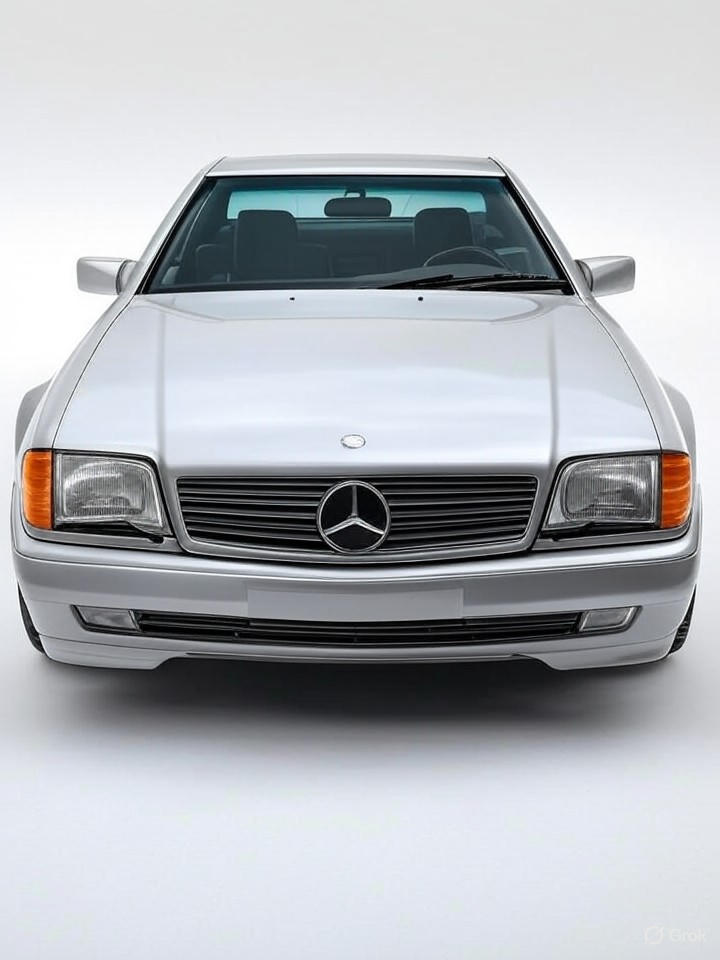
Same R129 chassis, same era, but with the 5.0L M119 V8. Lower purchase price, meaningfully lower maintenance cost, and nearly as fast — a more practical entry into the R129 SL experience.
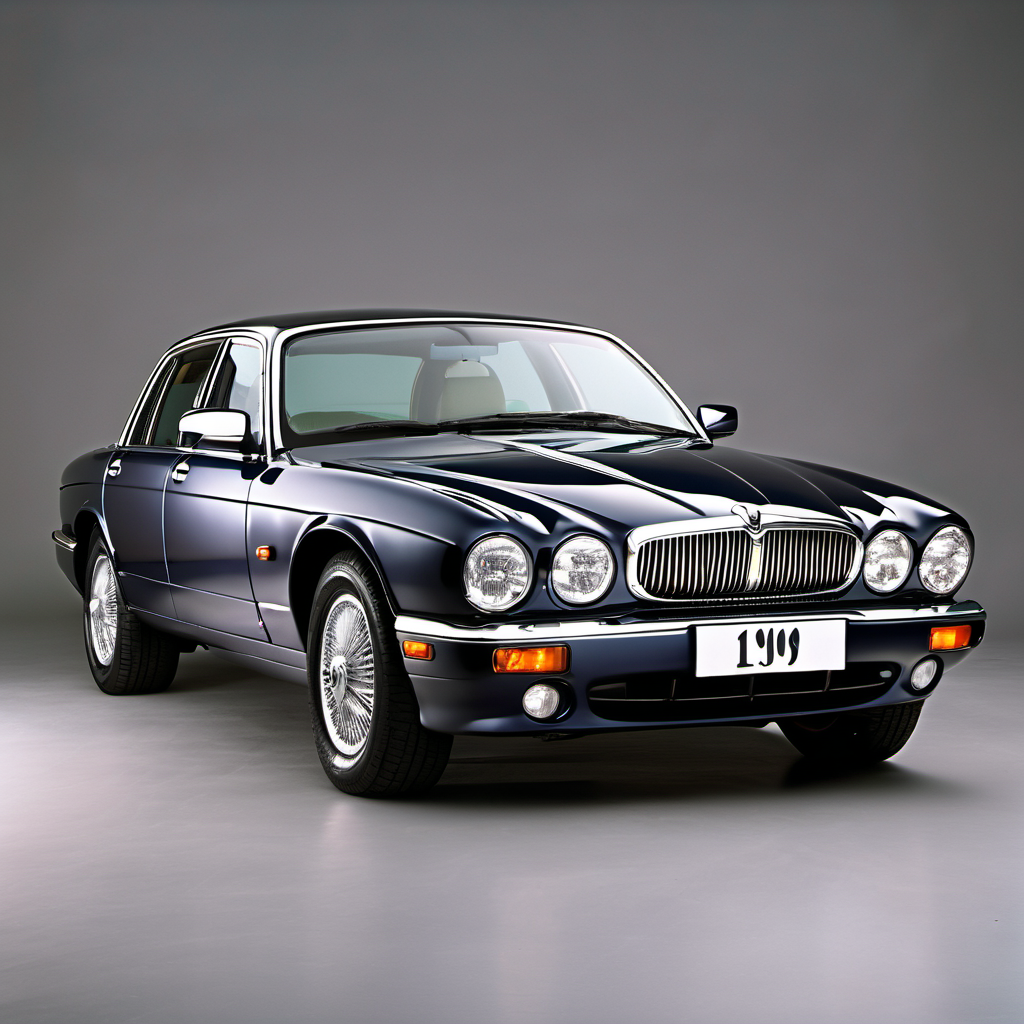
British V12 flagship convertible from the same era at similar price points. Comparable complexity and maintenance demands, with its own dedicated collector community.
German V12 grand tourer from the same generation. Coupe rather than convertible, but shares the flagship V12 character and similarly demanding maintenance profile.
No catalog match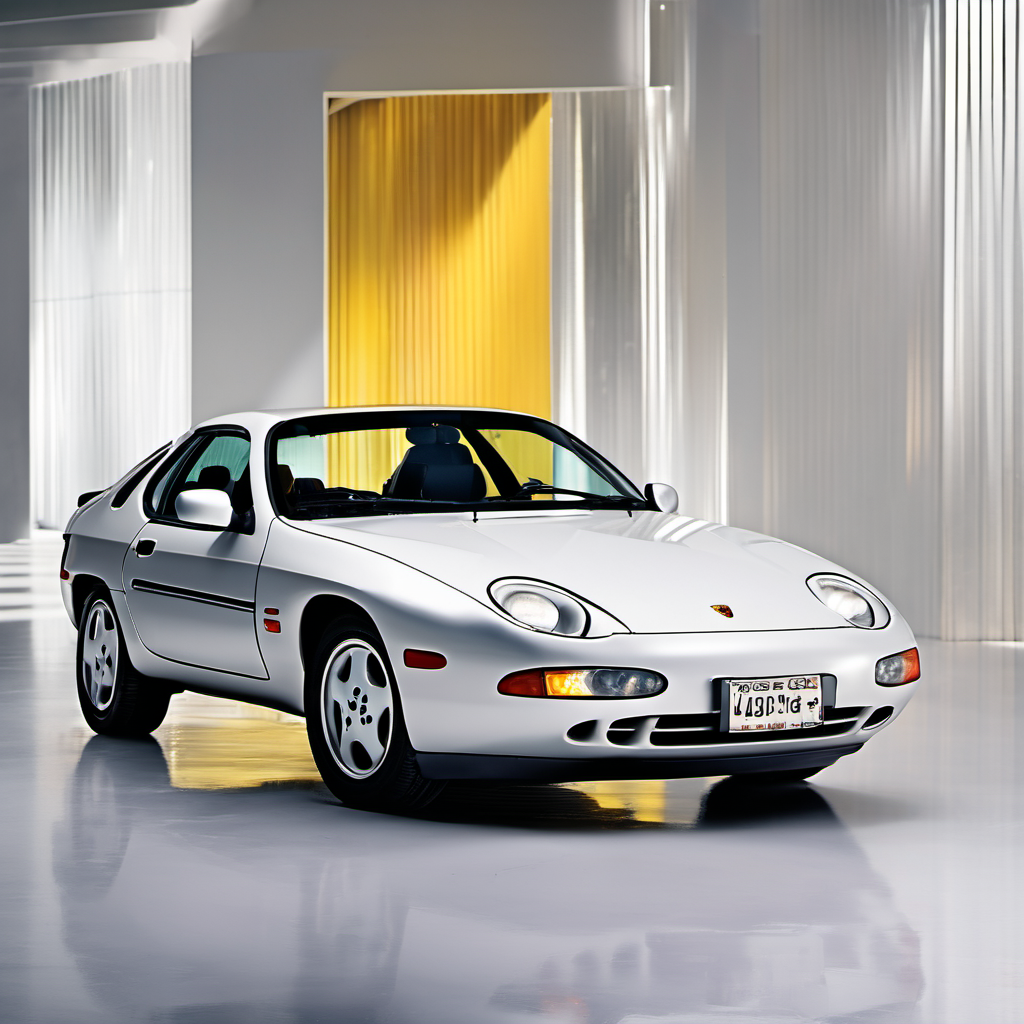
High-end German V8 grand tourer from the same era. More driver-focused, lighter, and in many ways simpler mechanically — a strong alternative for someone who wants the period German GT experience with less hydraulic complexity.