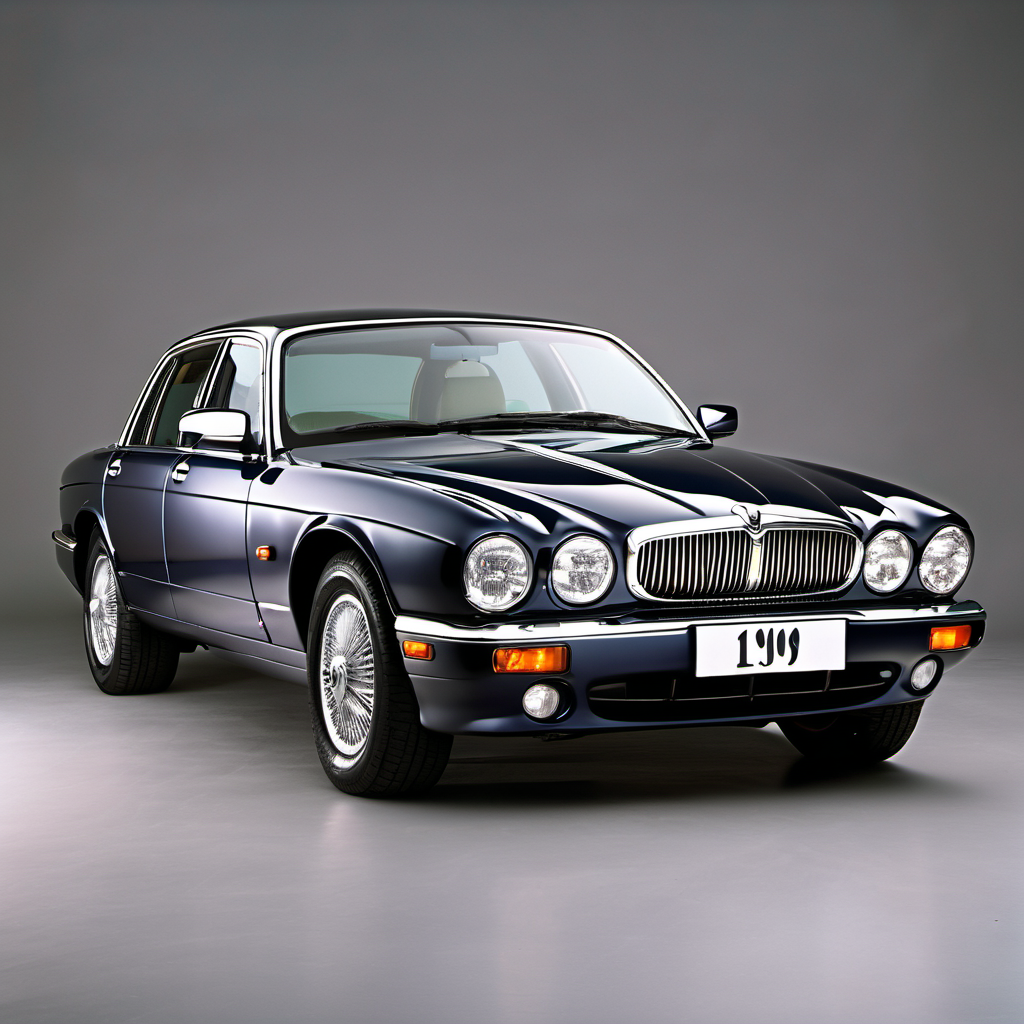
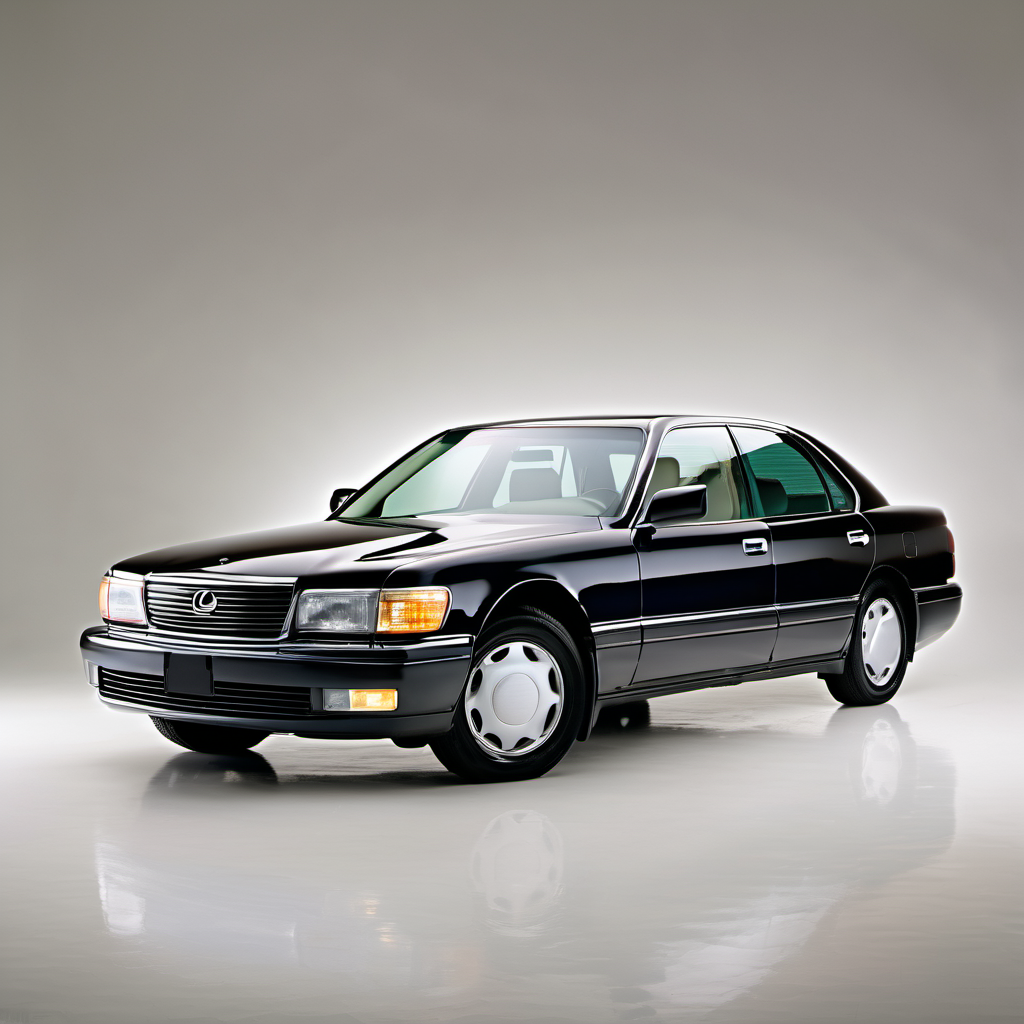
1993 Jaguar XJ Sedan

1993 Jaguar

XJSedan

Sedan

The 1993 Jaguar XJ (XJ40 series) is a full-size British luxury sedan powered by a 4.0L inline-six and paired with a ZF 4-speed automatic. It represents the tail end of the XJ40 generation, which ran from 1987 through 1994, and is one of the more refined versions of that run — Jaguar had sorted out many of the earlier XJ40 electrical gremlins by the early '90s, though plenty remain. This car is genuinely beautiful, genuinely fast for its era, and genuinely rewarding to drive when it's running right. The ride quality is exceptional, the interior is wood-and-leather British elegance, and the 4.0L straight-six pulls smoothly and has real low-end torque. These qualities made it a serious competitor to the BMW 5/7 Series and Mercedes S-Class of its day. The honest caveat: this is a 30-plus-year-old British luxury car. Parts availability is narrowing, independent specialists are rare outside major metro areas, and the Lucas-era electronics can produce bizarre, cascading electrical faults. Plan to spend more on maintenance than a Japanese or German contemporary of similar age. Budget accordingly — and find a shop that knows Jaguars before you buy.

Reliability
2/5
Verified data
Specs shown for XJ6 — the most common configuration. Other trims may vary in engine, drivetrain, or fuel economy. Sign in to see your vehicle's exact specs.
Engine
[object Object]
Drivetrain
RWD
Fuel
Premium gasoline
MPG
15 city / 22 hwy / 18 combined
Seats
Doors
Body
Compact Cars

Overview

AI-curated

The 1993 Jaguar XJ (XJ40 series) is a full-size British luxury sedan powered by a 4.0L inline-six and paired with a ZF 4-speed automatic. It represents the tail end of the XJ40 generation, which ran from 1987 through 1994, and is one of the more refined versions of that run — Jaguar had sorted out many of the earlier XJ40 electrical gremlins by the early '90s, though plenty remain. This car is genuinely beautiful, genuinely fast for its era, and genuinely rewarding to drive when it's running right. The ride quality is exceptional, the interior is wood-and-leather British elegance, and the 4.0L straight-six pulls smoothly and has real low-end torque. These qualities made it a serious competitor to the BMW 5/7 Series and Mercedes S-Class of its day. The honest caveat: this is a 30-plus-year-old British luxury car. Parts availability is narrowing, independent specialists are rare outside major metro areas, and the Lucas-era electronics can produce bizarre, cascading electrical faults. Plan to spend more on maintenance than a Japanese or German contemporary of similar age. Budget accordingly — and find a shop that knows Jaguars before you buy.

Known for
  • Silky 4.0L AJ6 inline-six engine with strong mid-range torque
  • Exceptional ride comfort and refined, hushed cabin
  • Distinctive, timeless British luxury styling
  • Complex and aging Lucas electrical architecture
  • Nicer fit-and-finish than earlier XJ40 model years
Best for
  • Enthusiast owners who enjoy the ownership experience and have a Jaguar-savvy mechanic
  • Fair-weather weekend drivers who store the car properly in winter
  • Buyers who want classic British luxury at a fraction of its original cost
  • Collectors looking for a sorted, low-mile example
Watch for
  • Lucas electrical system failures — dashboard warning lights, power accessories, and ECU faults are common
  • Cooling system issues; overheating can cause serious engine damage quickly
  • Rust on floor pans, sills, and around the rear subframe on cars that saw road salt
  • Deferred maintenance — these cars punish neglect severely
  • Parts scarcity and high labor time; many repairs take significantly longer than comparable German cars

Common issues by mileage

6 known

Cooling system failure / overheating

high
Typically appears
Any mileage on a 30-year-old car
Estimated repair
$400 – $1,200

Lucas electrical gremlins — dash warning lights, power accessories, faulty sensors

high
Typically appears
Any mileage
Estimated repair
$200 – $1,500

Crankshaft position sensor failure — hard start or no-start

medium
Typically appears
80k–150k mi
Estimated repair
$150 – $400

ZF 4HP22 transmission service / valve body issues

medium
Typically appears
80k–120k mi
Estimated repair
$300 – $2,500

Vacuum system leaks — affects climate control, brake booster, idle quality

high
Typically appears
Any mileage on a 30-year-old car
Estimated repair
$150 – $700

Rust — sills, floor pans, rear subframe mounting points (especially salt-state cars)

high
Typically appears
Any mileage
Estimated repair
$500 – $4,000

Maintenance schedule

  1. 1
    Every 2 years regardless of mileage Coolant flush and cooling system inspection

    The AJ6 engine is sensitive to overheating. Age-hardened hoses, a fatigued thermostat, or a weak water pump can cause catastrophic head damage quickly. This is the single most important preventive service on this car.

  2. 2
    Every 5,000 miles or 6 months Engine oil and filter change — use correct viscosity (10W-40 or 15W-40 per Jaguar spec)

    Short interval warranted given the engine's age and the fact that many owners drive these infrequently, allowing oil to acidify. The AJ6 has known issues with sludge if oil is left too long.

  3. 3
    Every 3–4 years Inspect and replace vacuum lines

    The climate control system and other functions depend on a complex vacuum network. Aged rubber vacuum hoses crack and collapse, causing erratic heat/AC behavior and rough idle.

  4. 4
    Every 30,000 miles Transmission fluid service

    The ZF 4HP22 automatic benefits from clean fluid, especially in cold-climate operation. Many of these cars have never had a fluid change.

  5. 5
    Every fall before winter storage or daily-driver season Battery condition test

    The Lucas electrical system is sensitive to low voltage. A marginal battery causes cascading electrical faults. In Lake Geneva winters, a weak battery will leave you stranded.

  6. 6
    Every 2 years Inspect brake hydraulic lines and rubber hoses

    30-year-old brake hardware is a safety concern. Rubber hoses collapse internally; steel lines rust from the outside in cold, salted roads.

  7. 7
    Every 3 years or when symptoms appear Inspect fuel system — fuel injectors, fuel rail O-rings, fuel lines

    Age-hardened O-rings on the fuel rail are a known fire risk on this generation. A fuel smell under the hood is not normal — address it immediately.

  8. 8
    Annually Chassis lubrication and suspension bushing inspection

    Rubber bushings throughout the suspension and subframe mounts harden and crack with age, especially in temperature extremes. Worn bushings cause vague, wandering handling.

Always defer to the manufacturer's service manual for warranty-mandated intervals.

Cost of ownership

Annual maintenance
$1,500 – $5,000
Fuel
Premium gasoline required. At 18 MPG combined and ~12,000 miles/year, expect roughly $2,000–$2,600/year depending on pump prices.
Insurance
Typically $800–$1,400/year for a well-maintained example used as a secondary or weekend vehicle; verify agreed-value coverage with your insurer given its collector status.

The 1993 XJ is inexpensive to acquire but not inexpensive to own. Routine maintenance costs are manageable with a good independent Jaguar specialist, but one significant repair — cooling system, transmission, or electrical harness work — can easily exceed the car's market value. Budget a minimum of $1,500/year for routine upkeep assuming no major surprises, and keep a $3,000–$5,000 reserve for unexpected repairs. This is not an economical car; it is a rewarding one for the right owner.
Seasonal care

Lake Geneva, WI
Winter
  • Do not daily-drive this car on salted Wisconsin roads — salt accelerates the sill, floor pan, and subframe rust that already plagues XJ40s. Store it from November through April if at all possible.
  • If driving in winter, flush the undercarriage with fresh water after every salt exposure. Inspect sills and floor seams for rust blistering each spring.
  • Test the battery every fall. The Lucas electrical system will produce bizarre faults — or simply not start — when battery voltage drops below ~12.4V in the cold.
  • Use a trickle/maintenance charger (float charger) during storage. Extended time off a charger in cold temperatures will kill the battery and can cause electrical module issues.
  • Switch to a lighter-weight oil (e.g., 10W-40) for winter if the car must be driven, to aid cold cranking. Sub-zero starts on thick oil stress the AJ6's oil pump.
  • Fill the washer reservoir with a rated -20°F or lower fluid. The XJ40 windshield washer lines run in locations prone to freezing and cracking.
Summer
  • Inspect the cooling system before summer — hoses, thermostat, water pump, and coolant condition. Overheating in traffic is a real risk and causes expensive head damage fast.
  • Check tire pressure monthly; pressure drops roughly 1 PSI per 10°F temperature change and these cars run large, expensive tires.
  • Run the A/C system early in the season to verify it holds charge. The climate control on XJ40s is vacuum-driven and complex; address refrigerant leaks before peak heat.
  • Inspect rubber fuel system components for cracking. Heat accelerates degradation of aged O-rings on the fuel rail — a fuel smell is a fire hazard, not a quirk.

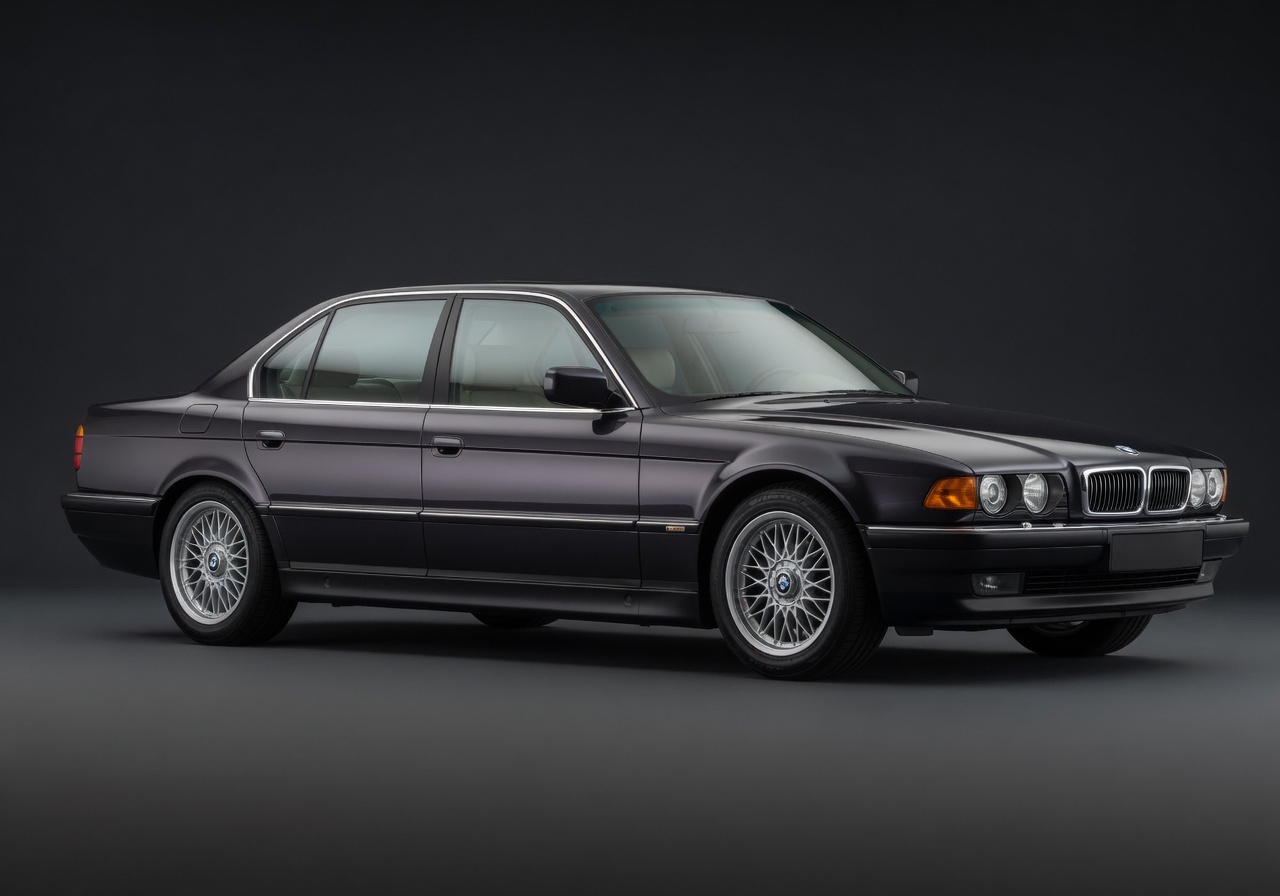
Comparable vehicles

If you're shopping for one

Red flags
  • Multiple dashboard warning lights that the seller dismisses as 'just the Jag doing its thing' — this is a real problem, not a quirk.
  • Any rust bubbling on the sills or around the B-pillar base — full structural rust repair on an XJ40 can be a money pit.
  • Milky residue on the oil filler cap or dipstick — coolant in the oil means head gasket failure, which is a major repair on this engine.
  • A seller who cannot produce any service records for a 30-year-old car.
  • Fuel odor anywhere in or around the car — aged fuel rail O-rings are a fire hazard and a must-fix, not a negotiating chip.
  • A very low asking price — these cars are cheap to buy for a reason. A sorted, running example costs real money to maintain; a neglected one costs much more.
What to inspect
  • Cooling system: pressure-test the system and check for milky oil (head gasket) or white exhaust smoke before any purchase.
  • Rust: get the car on a lift and inspect sills, floor pan seams, rear subframe mounts, and the trunk floor. Wisconsin-titled cars are high risk.
  • Electrical: test every power accessory — windows, mirrors, locks, climate control, instrument cluster warnings. Budget repair time for anything that doesn't work.
  • Fuel system: smell around the engine bay and fuel rail for any fuel odor. Check that no injector O-ring seepage is present.
  • Transmission: drive it through all gears at highway speed. Slippage, late shifts, or shudder on a cold start are expensive warning signs.
  • Service history: insist on records. A car with no documented history is a gamble; these cars punish missed maintenance severely.
AI profile generated 4 days ago · claude-sonnet-4-6 · v2.