1993 Jeep Wrangler SUV

1993 Jeep

WranglerSUV

SUV

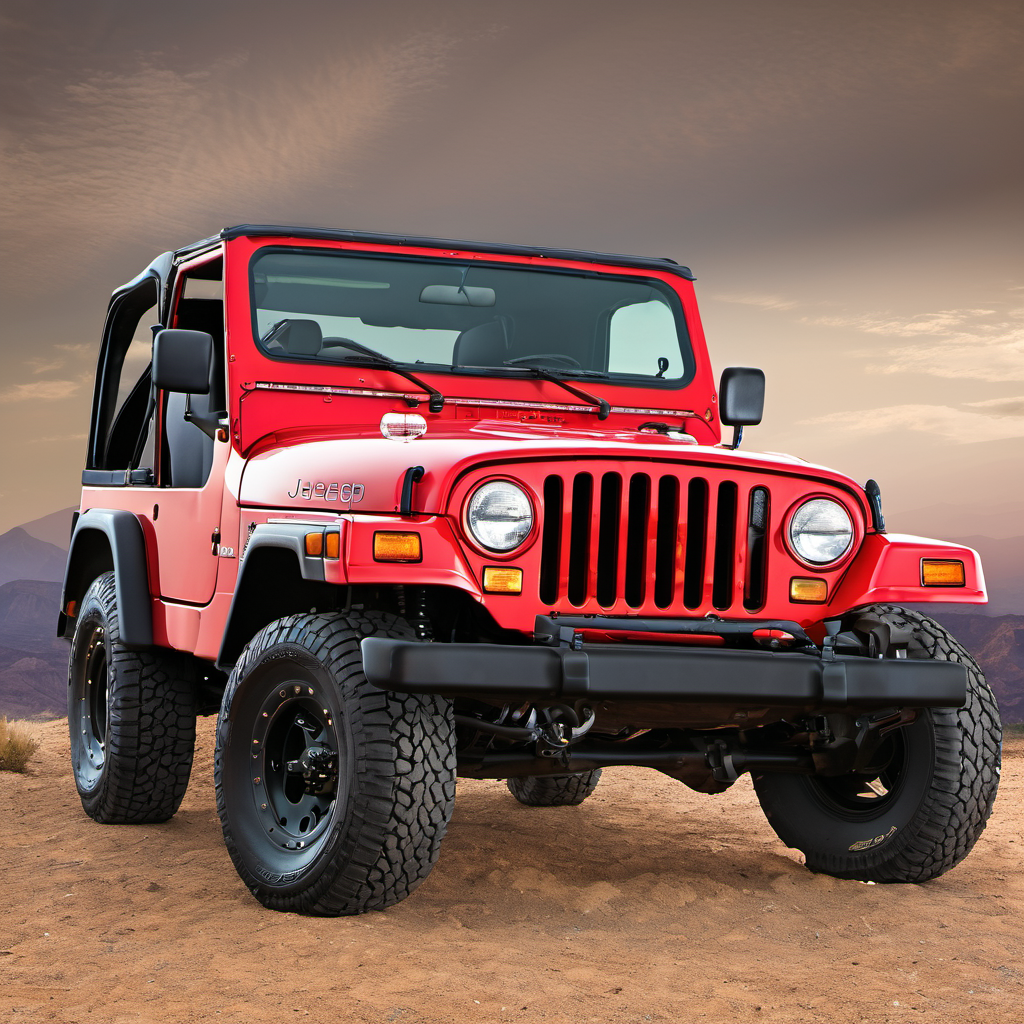
The 1993 Jeep Wrangler (YJ generation, 1987–1995) is a body-on-frame, solid-axle off-roader that was built when Jeep still prioritized trail capability over creature comforts. The 2.5L four-cylinder (the base engine that year) is a simple, carbureted/TBI unit with a well-earned reputation for durability when properly maintained, though it's underpowered for serious rock crawling or highway passing. Many YJs are still on the road today, a testament to their mechanical simplicity. The YJ is instantly recognizable by its square headlights — a departure from the classic round look — and its narrow, upright body. Ride quality is stiff, wind noise at highway speeds is significant, and weather sealing in the soft top is minimal. These are features, not bugs, to the owners who love them. At 30+ years old, any surviving 1993 Wrangler is a used vehicle that demands careful inspection. Rust is the number-one killer of YJs, particularly in salt-belt states like Wisconsin. Mechanically these trucks are simple enough that a competent owner or independent shop can handle most repairs without exotic tools.

Reliability
3/5
Verified data
Specs shown for Wrangler 4WD — the most common configuration. Other trims may vary in engine, drivetrain, or fuel economy. Sign in to see your vehicle's exact specs.
Engine
[object Object]
Drivetrain
AWD
Fuel
Gasoline
MPG
16 city / 19 hwy / 17 combined
Seats
Doors
Body
Special Purpose Vehicles

Overview

AI-curated

The 1993 Jeep Wrangler (YJ generation, 1987–1995) is a body-on-frame, solid-axle off-roader that was built when Jeep still prioritized trail capability over creature comforts. The 2.5L four-cylinder (the base engine that year) is a simple, carbureted/TBI unit with a well-earned reputation for durability when properly maintained, though it's underpowered for serious rock crawling or highway passing. Many YJs are still on the road today, a testament to their mechanical simplicity. The YJ is instantly recognizable by its square headlights — a departure from the classic round look — and its narrow, upright body. Ride quality is stiff, wind noise at highway speeds is significant, and weather sealing in the soft top is minimal. These are features, not bugs, to the owners who love them. At 30+ years old, any surviving 1993 Wrangler is a used vehicle that demands careful inspection. Rust is the number-one killer of YJs, particularly in salt-belt states like Wisconsin. Mechanically these trucks are simple enough that a competent owner or independent shop can handle most repairs without exotic tools.

Known for
  • Bulletproof solid Dana 30/35 axle combination (capable with proper maintenance)
  • Simple, wrench-friendly mechanicals — few electronic complications
  • Legendary off-road capability and aftermarket support
  • Removable doors, fold-down windshield, open-air driving experience
  • Iconic status and strong resale value even at high mileage
Best for
  • Off-road and trail enthusiasts
  • Owners who want to do their own wrenching
  • Weekend adventurers and overlanders on a budget
  • Collectors of classic American 4x4s
Watch for
  • Frame and floor rust — critical in Wisconsin salt-belt conditions
  • Dana 35 rear axle fragility under aggressive off-road use or larger tires
  • Soft-top and door seal deterioration leaving the interior wet
  • 2.5L four-cylinder is gutless on highway or when loaded/lifted
  • Outdated safety — no airbags, minimal crash protection by modern standards

Common issues by mileage

6 known

Frame and floor pan rust

high
Typically appears
Any mileage — age-driven, not mileage-driven
Estimated repair
$500 – $4,000

Soft-top leaks and deteriorated door seals

high
Typically appears
Any — most original tops are past service life
Estimated repair
$300 – $1,200

Dana 35 rear axle failure (U-joints, axle shafts, diff)

medium
Typically appears
80k–150k mi or after any aggressive off-road use
Estimated repair
$300 – $1,500

Cooling system deterioration (hoses, radiator, thermostat)

high
Typically appears
Any — all original cooling components are 30+ years old
Estimated repair
$150 – $700

Throttle body injection (TBI) and fuel system issues — injector, fuel pump, lines

medium
Typically appears
80k–200k mi
Estimated repair
$200 – $900

Leaking transfer case and manual transmission seals

medium
Typically appears
100k+ mi
Estimated repair
$150 – $600

Maintenance schedule

  1. 1
    Every 3,000–4,000 miles (conventional oil) or 5,000 miles (synthetic) — this engine predates modern extended-drain recommendations Engine oil and filter change

    The 2.5L TBI I4 runs hot and works hard; frequent oil changes are the single best longevity investment at this age.

  2. 2
    Every 2 years / 30,000 miles Inspect and flush cooling system

    All original hoses, clamps, and possibly the radiator are 30+ years old. A cooling failure on the trail or highway is a serious problem.

  3. 3
    Every 15,000 miles or annually Inspect and grease all U-joints (front and rear driveshafts, axle shafts)

    Neglected U-joints are a leading cause of driveline failure on YJs, especially ones used off-road.

  4. 4
    Every 30,000 miles or annually Check all differential and transfer case fluid levels

    Seal leaks are common at this age. Running low on gear oil will destroy axles and differentials silently.

  5. 5
    Every spring (after Wisconsin salt season ends) Inspect frame, floor pans, and body mounts for rust

    Salt-belt rust is the primary structural threat to any 30-year-old Jeep. Catching it early means a grinder and rattle-can; catching it late means a welder and real money.

  6. 6
    Every 30,000 miles Replace spark plugs, plug wires, distributor cap, and rotor

    The TBI ignition system is simple but these components age out. Hard starting, rough idle, and poor fuel economy are the symptoms of neglect here.

  7. 7
    Every 2–3 years or as needed Inspect and replace soft-top hardware and seals

    Cracked bows, torn fabric, and dead zipper sliders let in water that destroys the floor, carpet, and creates mold — especially damaging with Wisconsin's winter moisture.

  8. 8
    Annually Brake inspection — pads, shoes, calipers, wheel cylinders, hard lines

    Brake lines on 30-year-old vehicles in salt states are a safety concern. Inspect for rust, bubbling, and soft spots every year without fail.

Always defer to the manufacturer's service manual for warranty-mandated intervals.

Cost of ownership

Annual maintenance
$600 – $2,000
Fuel
At 17 MPG combined and typical Wisconsin driving, expect $1,800–$2,400/year at current fuel prices. Short trips and highway towing push this higher.
Insurance
Generally low — classic/agreed-value policies are available for well-preserved examples. Standard liability on a daily driver typically runs $600–$1,100/year depending on your record and coverage level.

A well-maintained YJ Wrangler is a relatively affordable vehicle to own IF rust is not a major factor. The mechanicals are simple and parts are cheap and abundant. The wildcard is deferred maintenance and rust repair — both can turn a $5,000 truck into a $10,000 project quickly. Budget on the higher end for a Wisconsin daily driver. Factor in tire costs if the vehicle wears oversized off-road rubber, which dramatically increases wear on the Dana 35 and axle U-joints.
Seasonal care

Lake Geneva, WI
Winter
  • Flush and treat the undercarriage with a quality rust inhibitor before first snowfall — this is the single most important winter prep step for a 30-year-old body-on-frame Wrangler in Wisconsin.
  • Check battery condition and load-test it before cold weather. A weak battery will fail during sub-zero starts; the 2.5L is hard to crank in the cold.
  • Switch to a full-synthetic 5W-30 or 0W-30 engine oil for winter to improve cold-start lubrication before oil pressure builds.
  • Inspect and top off coolant mixture — verify freeze protection to at least -34°F. Do not assume the 30-year-old coolant is still effective.
  • Soft-top and door seal integrity matters most in winter. Water intrusion that freezes inside the vehicle can crack plastic trim, damage the floor, and cause mold. Seal any gaps before winter.
  • Use a winter-rated washer fluid (rated to -20°F or lower). The YJ's windshield is nearly vertical and collects road spray constantly; running out of fluid on a Wisconsin highway is a visibility emergency.
Summer
  • Monitor engine temperature closely during slow off-road driving or idling — the 2.5L can heat-soak in stop-and-go or trail use, especially with an aging radiator.
  • Check tire pressure weekly in summer; ambient temperature swings in the Midwest can cause significant pressure variation, and off-road tires at wrong pressure are a handling and wear risk.
  • Inspect A/C function early in the season if equipped. Many YJs have non-functional A/C due to R-12 refrigerant (pre-1994 system). R-134a retrofits are available but require proper conversion.
  • UV exposure degrades the soft top fabric rapidly in summer sun. Treat the vinyl top and windows with a protectant to extend service life.

Comparable vehicles

AI profile generated 4 days ago · claude-sonnet-4-6 · v2.