Head Gasket Failure (3.9L V8)
high- Typically appears
- 60–150k mi
- Estimated repair
- $1,800 – $3,500

1993 Land Rover
SUV
The 1993 Land Rover Range Rover is the last full model year of the original 'Classic' generation, a truck-based SUV that essentially invented the luxury off-road segment when it debuted in 1970. By 1993 it had received fuel injection and a larger 3.9L Rover V8 (derived from the old Buick 215), along with a more refined interior — but the bones are still very much early-70s technology. This is a collector-grade vehicle with genuine off-road pedigree, not a daily driver for the unprepared. Owning a Classic Range Rover in 2024 means accepting that you are maintaining a 30+ year old British truck. Parts availability has tightened significantly, specialist knowledge is required for anything beyond routine maintenance, and the electrical system in particular is infamous for gremlins that can strand you without warning. Budget generously for upkeep — or enjoy watching it sit. That said, a well-maintained example with sorted electrics, a healthy engine, and addressed rust is a genuinely capable, characterful machine. The 3.9L V8 is smooth, the ride quality is remarkable for its era, and the four-wheel drive system with center differential and low-range transfer case can handle terrain that defeats much newer vehicles. It rewards patient, mechanically sympathetic owners.
The 1993 Land Rover Range Rover is the last full model year of the original 'Classic' generation, a truck-based SUV that essentially invented the luxury off-road segment when it debuted in 1970. By 1993 it had received fuel injection and a larger 3.9L Rover V8 (derived from the old Buick 215), along with a more refined interior — but the bones are still very much early-70s technology. This is a collector-grade vehicle with genuine off-road pedigree, not a daily driver for the unprepared. Owning a Classic Range Rover in 2024 means accepting that you are maintaining a 30+ year old British truck. Parts availability has tightened significantly, specialist knowledge is required for anything beyond routine maintenance, and the electrical system in particular is infamous for gremlins that can strand you without warning. Budget generously for upkeep — or enjoy watching it sit. That said, a well-maintained example with sorted electrics, a healthy engine, and addressed rust is a genuinely capable, characterful machine. The 3.9L V8 is smooth, the ride quality is remarkable for its era, and the four-wheel drive system with center differential and low-range transfer case can handle terrain that defeats much newer vehicles. It rewards patient, mechanically sympathetic owners.
The 3.9L Rover V8 has narrow oil passages and runs hot. Frequent oil changes are the single best investment to prevent sludge buildup and extend engine life. Use a quality conventional or synthetic blend of the correct viscosity.
Head gasket failures on this engine are almost always preceded by a cooling system problem. On a 30-year-old vehicle, every rubber hose, the radiator cap, and the thermostat housing should be considered wear items regardless of appearance.
The vast majority of Lucas electrical gremlins trace back to corroded ground straps or dirty multi-pin connectors. Annual cleaning and dielectric grease application prevents the most common failure modes.
Aged ATF/gear oil in the transfer case and diffs breaks down and allows wear on gears and bearings. Fresh fluid is cheap insurance on expensive drivetrain components.
Rubber brake lines this age can look fine externally while internally collapsing, causing dragging calipers or brake pull. Steel lines are susceptible to rust perforation in Wisconsin salt conditions.
The steel bulkhead is a structural component. Once it rots through, repair costs can exceed the vehicle's value. Catching it early allows for manageable weld repair or rust treatment.
The 3.9L V8 uses a conventional distributor ignition system. Worn ignition components cause misfires and hard starts — especially in cold Wisconsin winters. These are inexpensive parts relative to the diagnosis time they can save.
A clogged fuel filter puts strain on the fuel pump — a component that is expensive and inconvenient to replace on this vehicle. Keeping the filter fresh is cheap prevention.
Always defer to the manufacturer's service manual for warranty-mandated intervals.
A 1993 Range Rover Classic is not cheap to own. Even in a 'good' year with no major repairs, expect $1,500–$2,500 in routine maintenance on a vehicle this age. A year with a head gasket, electrical chasing, or rust repair can easily hit $3,000–$5,000 at an independent shop — more at a Land Rover specialist. Fuel costs are significant at 12 MPG. Owners who plan for this budget and treat it as a hobby vehicle typically find the experience rewarding. Those expecting a modern SUV's reliability and running costs will be disappointed.
Same era, same luxury off-road SUV mission — but substantially more reliable, with a longer-lived powertrain and far better rust resistance. Often commands a higher price on the used market for good reason.
Direct contemporary luxury off-roader with similar boxy pedigree and serious capability. Even more expensive to maintain, but mechanical build quality is generally stronger.
No catalog match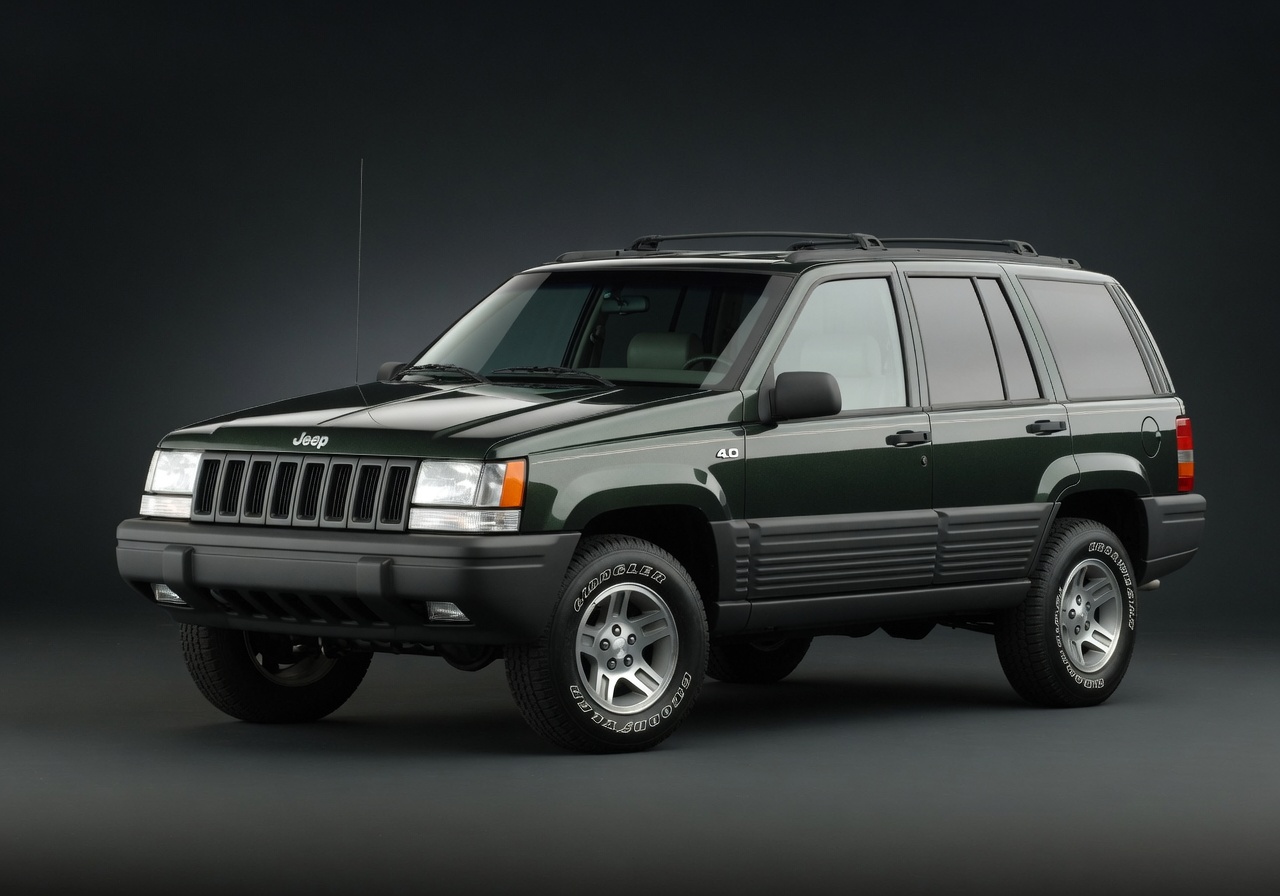
More modern platform for the same era, better parts availability, and significantly lower ownership cost — though it lacks the Range Rover's cache and long-travel suspension refinement.
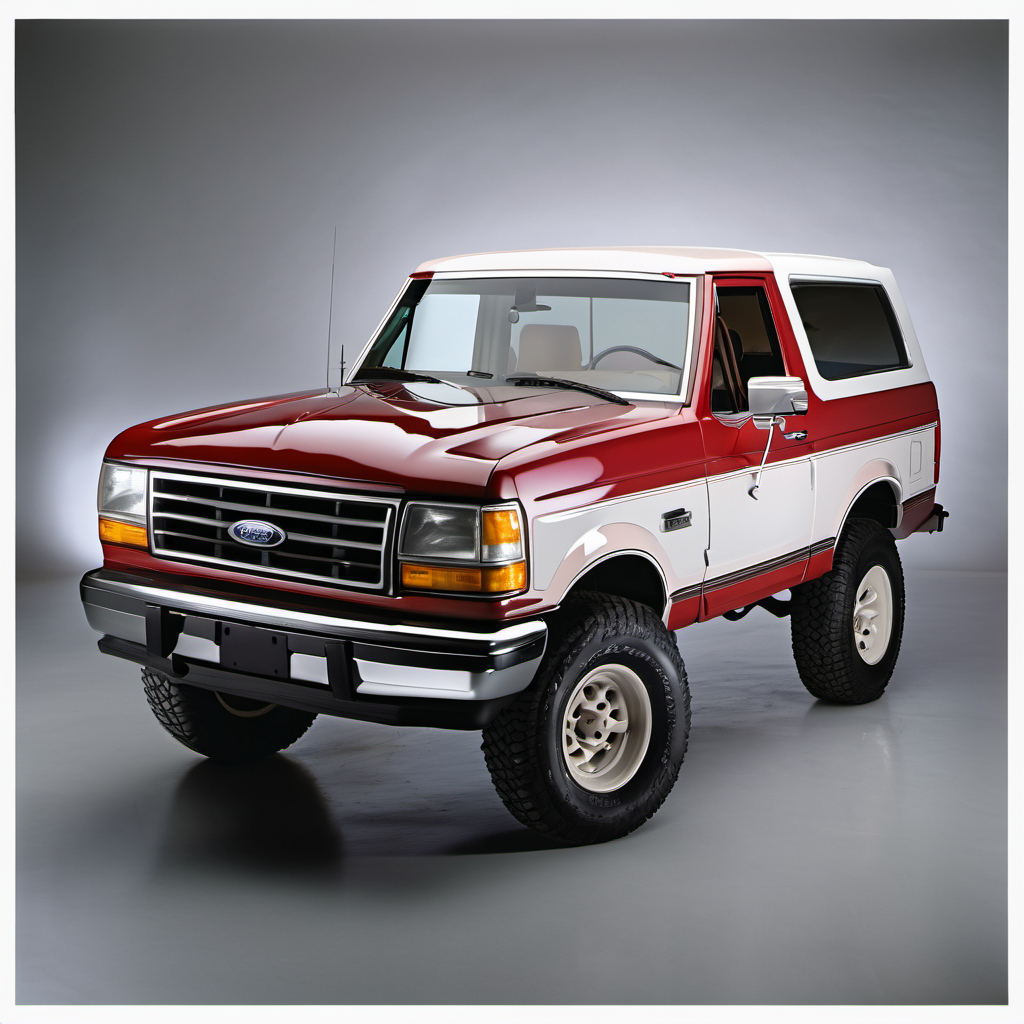
Truck-based 4WD SUV from the same era with far better parts availability and lower maintenance costs. Less refined on-road but equally capable off it, with a strong enthusiast support network.