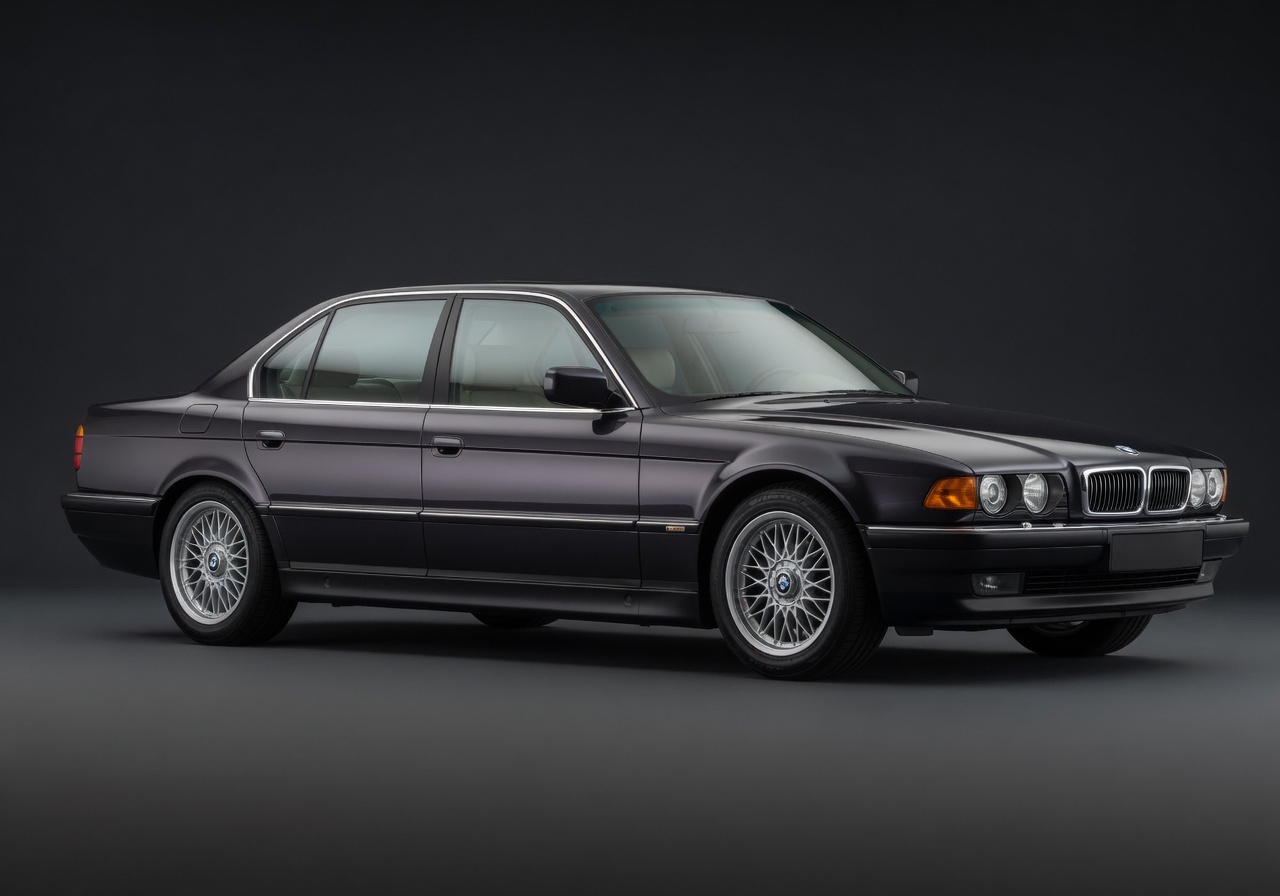
1993 BMW 7 Series Sedan

1993 BMW

7 SeriesSedan

Sedan

The 1993 BMW 7 Series (E32 generation) is BMW's full-size luxury flagship sedan, sharing its platform with the sophisticated but complex engineering philosophy BMW was known for in that era. The E32 740i/740iL was powered by BMW's M60 4.0L V8 — a major step up from the earlier M30 inline-six models — and offered a refined, rear-wheel-drive driving experience wrapped in genuine executive-class comfort. By 1993, the E32 was in its final model year before the E38 replaced it in 1994. That means parts availability is increasingly a concern, and the electronics — advanced for their time — are now 30+ years old. This is a car that rewards meticulous maintenance and punishes neglect severely. For a buyer in the Lake Geneva area, be realistic: this is a collector or enthusiast car at this point, not a daily driver. Salt corrosion on an aging German chassis is a genuine structural concern, and finding a shop fluent in early-90s BMW electronics is not trivial. Budget generously for ownership.

Reliability
2/5
Verified data
Specs shown for 740i — the most common configuration. Other trims may vary in engine, drivetrain, or fuel economy. Sign in to see your vehicle's exact specs.
Engine
[object Object]
Drivetrain
RWD
Fuel
Premium gasoline
MPG
14 city / 20 hwy / 16 combined
Seats
Doors
Body
Midsize Cars

Overview

AI-curated

The 1993 BMW 7 Series (E32 generation) is BMW's full-size luxury flagship sedan, sharing its platform with the sophisticated but complex engineering philosophy BMW was known for in that era. The E32 740i/740iL was powered by BMW's M60 4.0L V8 — a major step up from the earlier M30 inline-six models — and offered a refined, rear-wheel-drive driving experience wrapped in genuine executive-class comfort. By 1993, the E32 was in its final model year before the E38 replaced it in 1994. That means parts availability is increasingly a concern, and the electronics — advanced for their time — are now 30+ years old. This is a car that rewards meticulous maintenance and punishes neglect severely. For a buyer in the Lake Geneva area, be realistic: this is a collector or enthusiast car at this point, not a daily driver. Salt corrosion on an aging German chassis is a genuine structural concern, and finding a shop fluent in early-90s BMW electronics is not trivial. Budget generously for ownership.

Known for
  • Silky, smooth M60 4.0L V8 with strong mid-range torque
  • Driver-focused luxury — firm, communicative ride by large-sedan standards
  • Complex but innovative electronics for its era (early CAN-bus architecture)
  • Exceptionally well-appointed interior with long-term comfort
Best for
  • Enthusiast collectors who enjoy maintaining classic German engineering
  • Drivers wanting a distinctive, characterful luxury sedan
  • Low-mileage, garage-kept second or third vehicle
Watch for
  • Nikasil cylinder bore corrosion on M60 V8s (major engine damage if untreated)
  • Aging wiring harnesses and brittle plastic connectors throughout
  • Cooling system components (radiator, expansion tank, hoses) are 30+ years old
  • Rust and salt corrosion on undercarriage, subframe mounts, and brake lines
  • Very limited repair shop expertise in this region — budget for specialty labor

Common issues by mileage

6 known

Nikasil Cylinder Bore Wear (M60 V8)

high
Typically appears
60–150k mi
Estimated repair
$4,000 – $12,000

Cooling System Failure (Radiator, Expansion Tank, Hoses)

high
Typically appears
Any mileage on unserviced systems
Estimated repair
$600 – $1,800

Wiring Harness Degradation and Brittle Connectors

high
Typically appears
80k+ mi or 20+ years
Estimated repair
$500 – $4,000

Power Window Regulator and Door Mechanism Failure

medium
Typically appears
80–150k mi
Estimated repair
$200 – $600

Fuel Pump and Fuel Level Sender Failure

medium
Typically appears
80–130k mi
Estimated repair
$400 – $900

Rear Subframe and Differential Mount Rust/Failure

medium
Typically appears
Any — worse in salt-belt states
Estimated repair
$800 – $3,000

Maintenance schedule

  1. 1
    Every 5,000 miles or annually Engine oil and filter change using full-synthetic 5W-30

    The M60 V8 has tight tolerances and is sensitive to oil quality. Extended OCI intervals common on newer BMWs are not appropriate for this 30-year-old engine.

  2. 2
    Every 3 years or when purchasing used Full cooling system inspection and service (hoses, clamps, expansion tank, thermostat, coolant flush)

    Plastic expansion tanks and aging hoses are a known failure point. A blown hose or cracked tank in Wisconsin winter can leave you stranded and cause serious overheating damage.

  3. 3
    Every 30,000 miles Spark plug and ignition system inspection

    The M60 V8 has 16 plugs (two per cylinder). Cold Wisconsin winters make a strong ignition system critical for reliable cold starts.

  4. 4
    Every 40,000–50,000 miles Transmission fluid change (ZF 4HP24 automatic)

    BMW did not originally specify scheduled trans fluid changes, but at this age, fresh fluid protects the aging ZF unit and improves cold-weather shift quality.

  5. 5
    Annually, before winter Full brake system inspection including brake lines for corrosion

    Salt-belt brake line rust is a genuine safety hazard on 30-year-old vehicles. Steel lines should be inspected closely and replaced if pitting or perforation is found.

  6. 6
    Every fall, before sub-zero temperatures arrive Battery load test and cable/terminal inspection

    The 7 Series has high electrical demands. A marginal battery that starts the car in October will often fail in January. Corroded terminals on a 30-year-old car are common.

  7. 7
    Every 50,000 miles Differential and rear axle fluid check

    The rear differential is a long-life unit but fluid breaks down over decades. Fresh gear oil reduces wear and helps with cold-weather engagement smoothness.

  8. 8
    Every 2–3 years Wiring harness and electrical connector inspection

    Insulation on 30-year-old BMW wiring becomes brittle, especially near heat sources. Catching a cracked connector early is far cheaper than diagnosing an intermittent fault.

Always defer to the manufacturer's service manual for warranty-mandated intervals.

Cost of ownership

Annual maintenance
$1,500 – $5,000
Fuel
Premium unleaded required. At 16 MPG combined and typical driving, expect $2,500–$3,500/year in fuel depending on mileage and local prices.
Insurance
Relatively affordable as a low-value collector/classic — typically $800–$1,500/year for liability and agreed-value coverage. Verify your insurer treats it as a classic, as standard policies may not reflect actual replacement cost.

This car is inexpensive to acquire but carries real ongoing costs. A clean, maintained E32 740i may sell for $5,000–$12,000 today, but routine annual maintenance at an independent BMW-capable shop will run $1,500–$3,000 in a good year. Any deferred maintenance catch-up — cooling system, brakes, tires, wiring — can easily push costs to $5,000+ in a single year. Do not buy this car expecting Honda Civic running costs.

Seasonal care

Lake Geneva, WI
Winter
  • Load-test the battery every fall — the M60 V8's high compression and cold-start fueling demands will kill a marginal battery on a -10°F morning.
  • Switch to full-synthetic 5W-30 if not already; cold-start oil flow through a 30-year-old engine matters more than on a modern car.
  • Inspect all brake lines and fuel lines for rust perforation before winter — Wisconsin road salt accelerates corrosion on unprotected steel lines.
  • Use winter-rated washer fluid rated to at least -20°F; the 7 Series has a large windshield and long hood that accumulates road spray quickly.
  • Install dedicated winter tires — RWD combined with the 7 Series' weight makes all-seasons genuinely dangerous on packed snow or ice.
  • Apply a corrosion inhibitor or undercoating spray to exposed undercarriage areas, especially subframe mounts and suspension attachment points.
Summer
  • Monitor coolant temperature closely — the aging cooling system is most likely to fail under sustained high-heat conditions; verify the radiator and expansion tank are in good shape before summer.
  • Check tire pressure monthly; heat causes pressure to rise and the wide, performance-oriented tires on the 7 Series are sensitive to over-inflation.
  • Inspect and recharge the A/C system if needed — the R-134a (or retrofitted) system on a 30-year-old car often has slow leaks that leave you without cooling on a hot Wisconsin July day.
  • Check power steering fluid level and hose condition; heat accelerates aging on rubber hoses throughout the hydraulic system.

Comparable vehicles

1993 Mercedes-Benz
S-Class (W140)

Direct full-size luxury flagship competitor from the same era. The W140 is equally complex but parts availability is somewhat better. Same collector-car ownership dynamic applies.

No catalog match
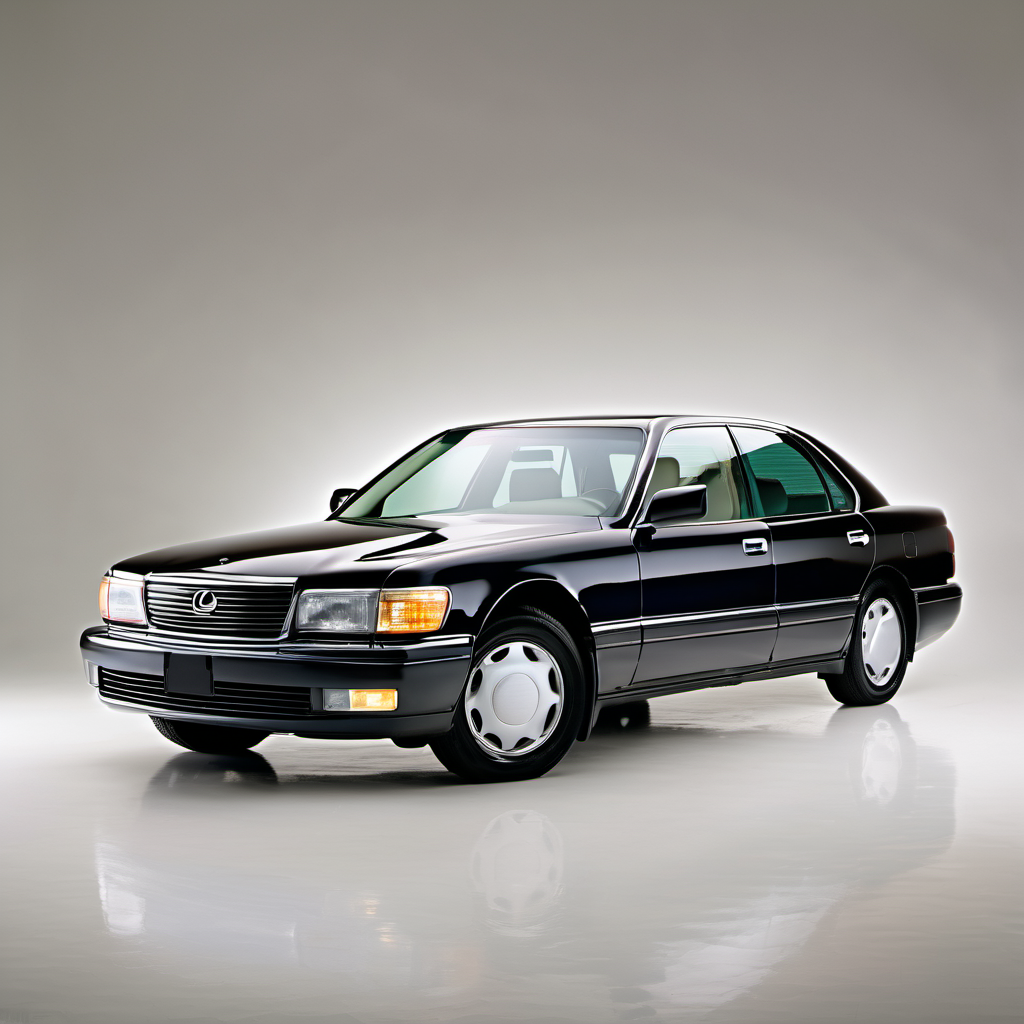
1993 Lexus LS 400
1993 Lexus
LS 400

Same luxury-flagship mission, same era, but dramatically more reliable. The 1UZ-FE V8 is one of the most durable engines ever built. Far better choice for a daily driver; less driver engagement than the BMW.
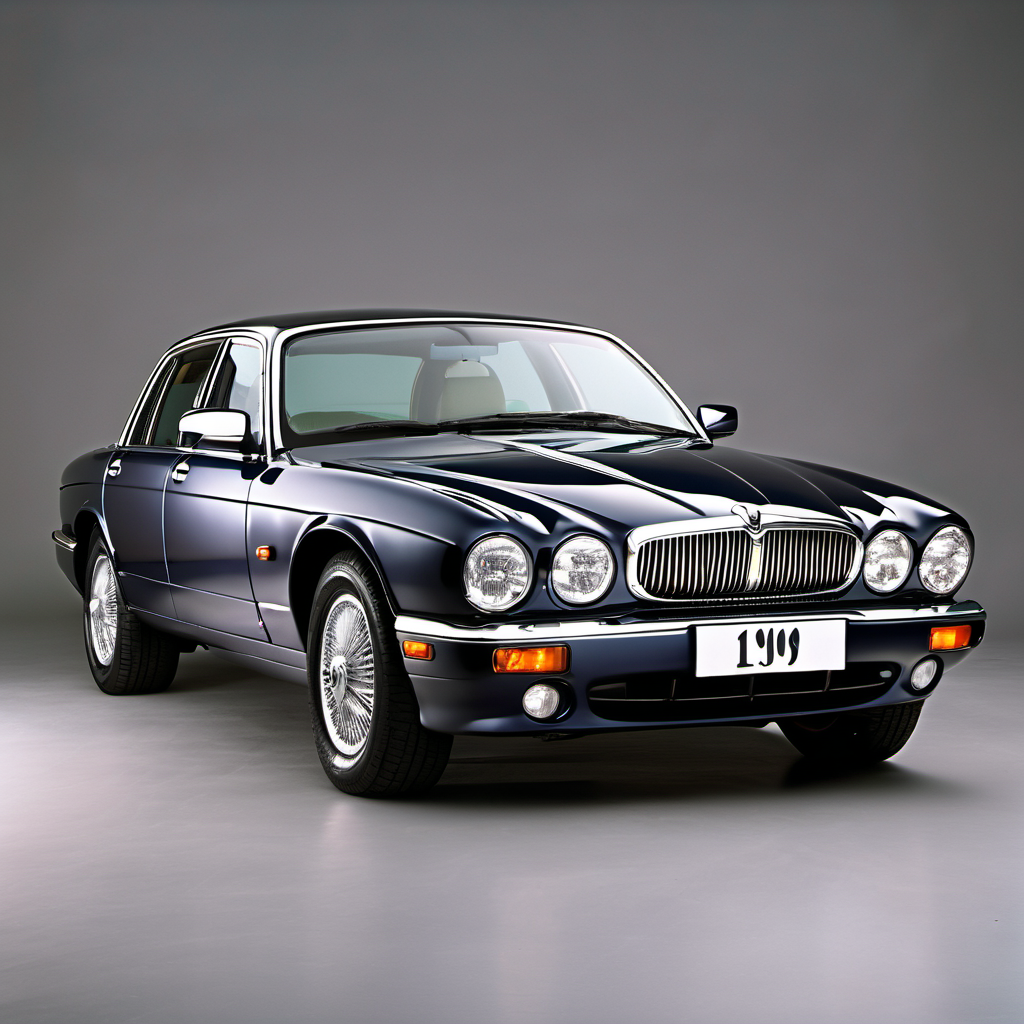
1993 Jaguar XJ6
1993 Jaguar
XJ6

Similar price point, full-size luxury sedan, V8-powered. Equally complex and finicky in old age, but offers distinct British character. Parts supply can be even harder to find than the BMW.

1993 Audi
V8 Quattro

German full-size luxury sedan from the same period with the added benefit of Quattro AWD — a real advantage in Wisconsin winters. Equally complex and expensive to maintain.

No catalog match

If you're shopping for one

Red flags
  • Any evidence of overheating in the service history or on inspection — M60 heads warp and the repair is expensive.
  • No documented service history; on a 30-year-old car, mystery history almost always means deferred maintenance.
  • Visible rust on the rear subframe or floor pans — structural rust repair on an E32 is rarely economical.
  • Automatic transmission that slips, hunts for gears, or shifts harshly cold — ZF rebuilds are not cheap.
  • Any seller claiming this car is 'cheap to maintain' or 'needs nothing' — at 30 years old, it always needs something.
What to inspect
  • Pull a compression test or leakdown test on the M60 V8 — Nikasil bore wear shows up as low, uneven compression readings, particularly on cylinders 1 and 4.
  • Start the engine cold and watch for white/blue smoke at idle; excessive blow-by on a cold start is a red flag for cylinder bore damage.
  • Inspect the entire undercarriage for rust, especially rear subframe mounts, trailing arm brackets, and steel brake lines.
  • Check all cooling system components visually — look for the telltale white residue of a weeping expansion tank or cracked radiator neck.
  • Test every electrical function: windows, sunroof, seat adjusters, climate control, instrument cluster. Repairs are time-consuming and parts are scarce.
  • Look for signs of overheating history — warped or discolored aluminum on the valve covers, coolant staining, or a milky residue on the oil cap.
AI profile generated 4 days ago · claude-sonnet-4-6 · v2.