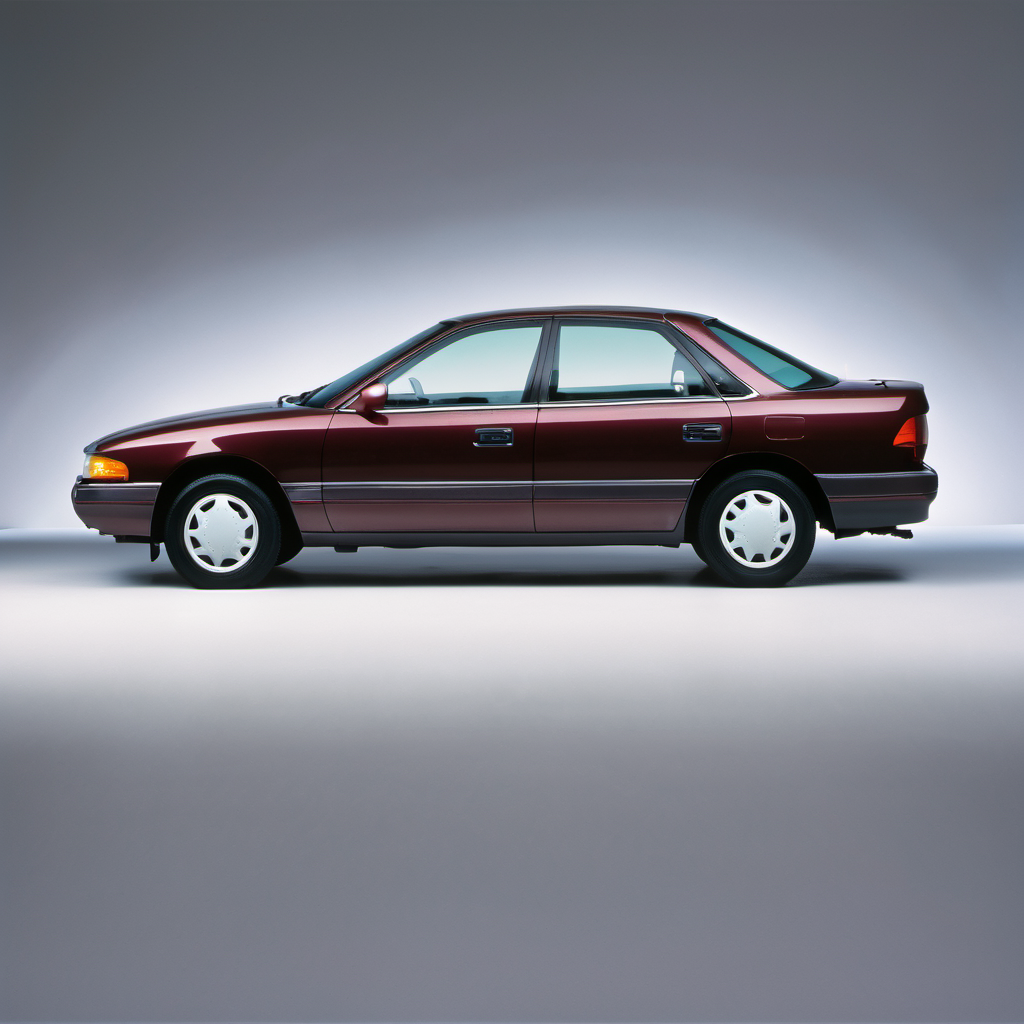
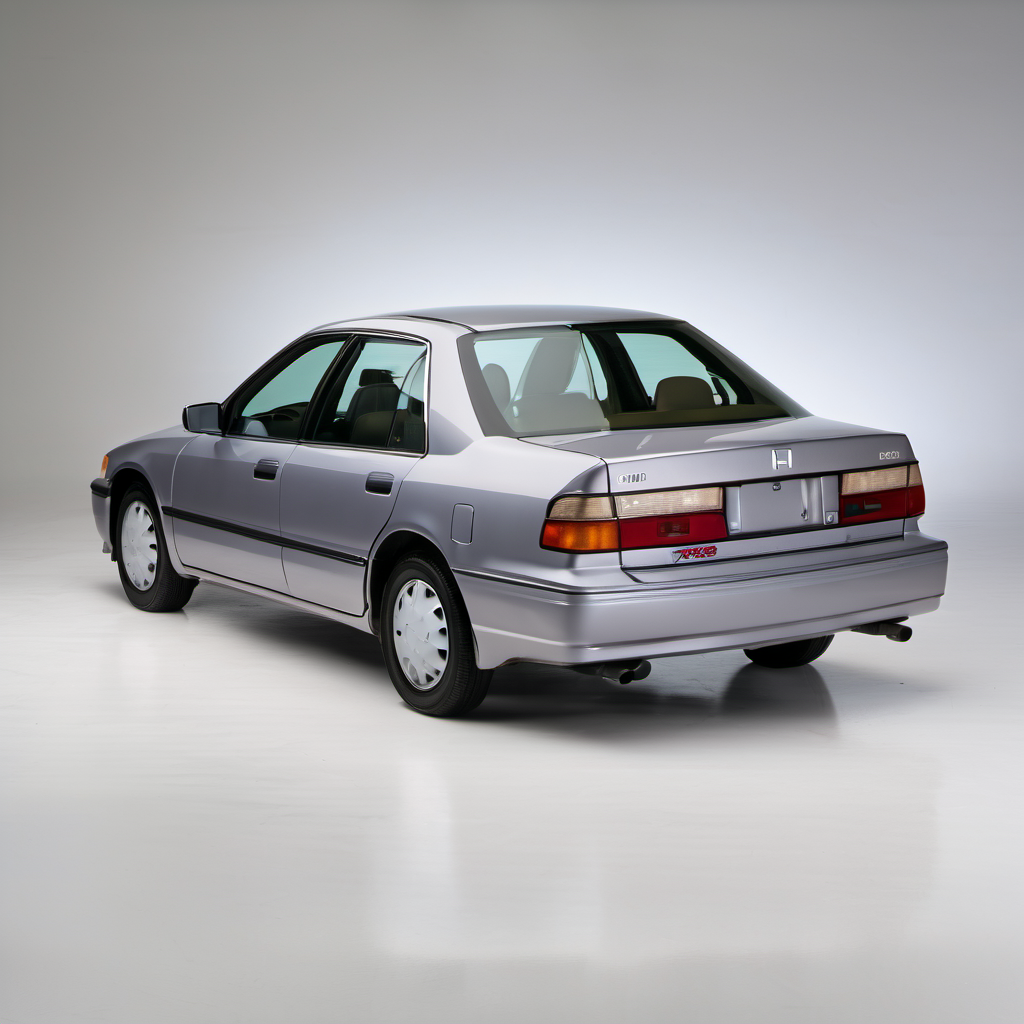
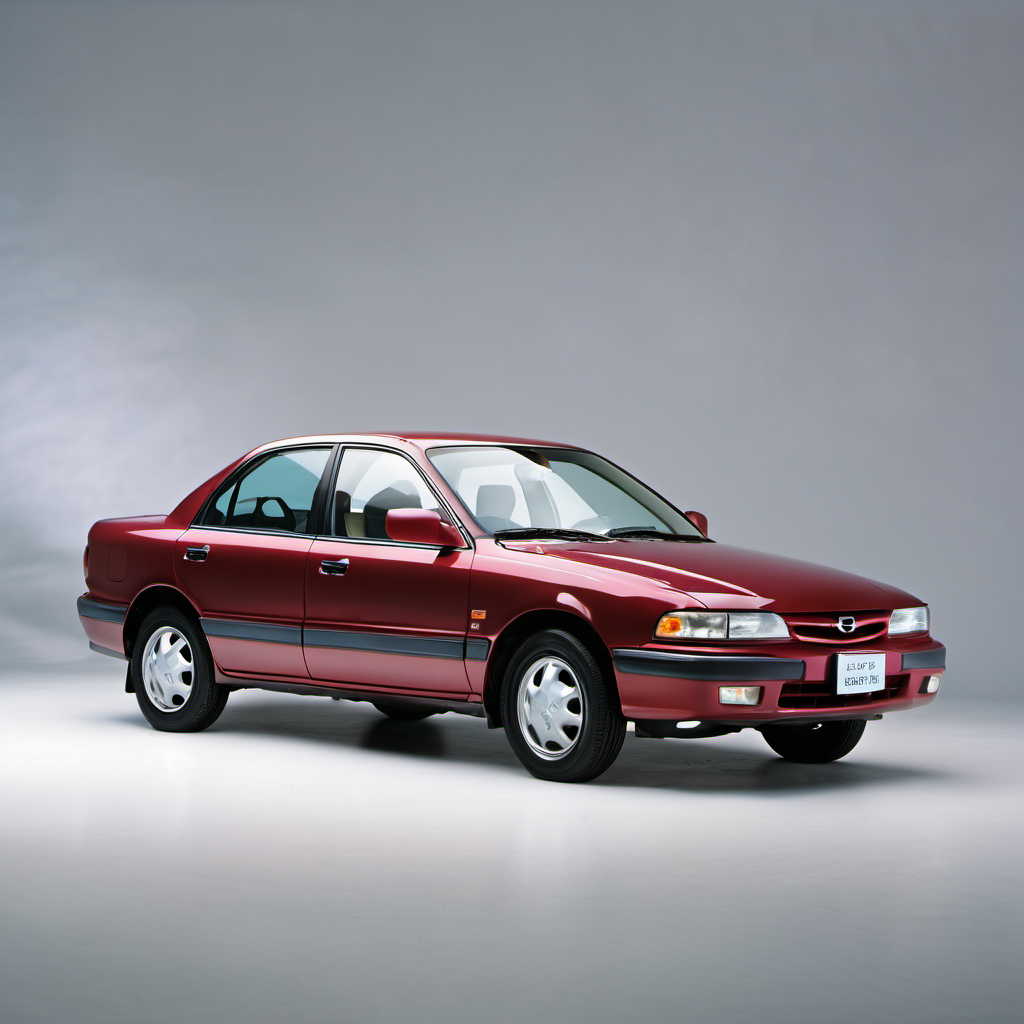
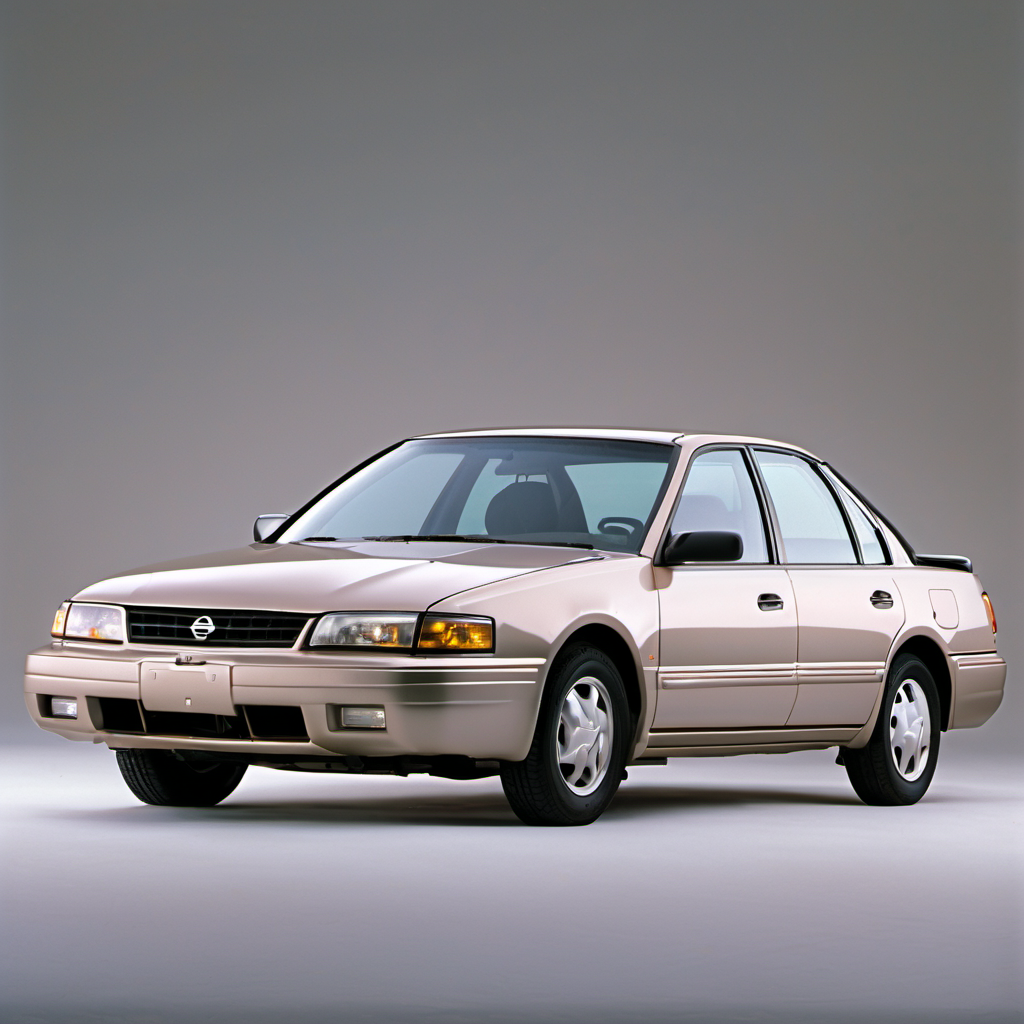
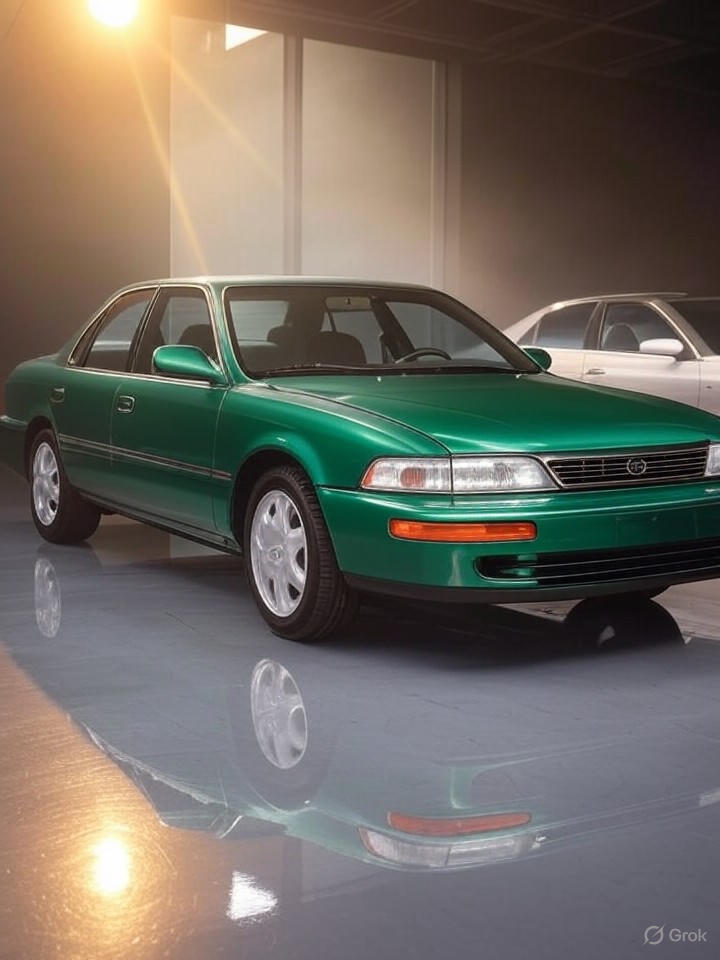
1993 Hyundai Sonata Sedan

1993 Hyundai

SonataSedan

Sedan

The 1993 Hyundai Sonata is a front-wheel-drive mid-size sedan from the second generation of Hyundai's flagship family car. At the time, it represented Hyundai's push upmarket — offering more space and refinement than the Excel and Elantra at a budget-friendly price. It was available with either a 2.0L four-cylinder or an optional 3.0L V6, and came reasonably well-equipped for its era. By today's standards, this is a 30-year-old economy sedan. Surviving examples are rare and typically accumulated high miles long ago. Parts availability has thinned considerably, and the ownership experience is very much DIY or independent-shop territory. This is not a vehicle you buy for reliability — you buy it as a very cheap daily driver or a project car, with realistic expectations. In Lake Geneva's harsh winters, the biggest concerns on any surviving '93 Sonata are rust (the underbody and rocker panels are almost certainly compromised), aged rubber throughout, and an electrical system that has had 30-plus years to develop gremlins. A thorough pre-purchase inspection is non-negotiable.

Reliability
2/5
Verified data
Specs shown for Sonata — the most common configuration. Other trims may vary in engine, drivetrain, or fuel economy. Sign in to see your vehicle's exact specs.
Engine
[object Object]
Drivetrain
FWD
Fuel
Gasoline
MPG
18 city / 25 hwy / 20 combined
Seats
Doors
Body
Midsize Cars

Overview

AI-curated

The 1993 Hyundai Sonata is a front-wheel-drive mid-size sedan from the second generation of Hyundai's flagship family car. At the time, it represented Hyundai's push upmarket — offering more space and refinement than the Excel and Elantra at a budget-friendly price. It was available with either a 2.0L four-cylinder or an optional 3.0L V6, and came reasonably well-equipped for its era. By today's standards, this is a 30-year-old economy sedan. Surviving examples are rare and typically accumulated high miles long ago. Parts availability has thinned considerably, and the ownership experience is very much DIY or independent-shop territory. This is not a vehicle you buy for reliability — you buy it as a very cheap daily driver or a project car, with realistic expectations. In Lake Geneva's harsh winters, the biggest concerns on any surviving '93 Sonata are rust (the underbody and rocker panels are almost certainly compromised), aged rubber throughout, and an electrical system that has had 30-plus years to develop gremlins. A thorough pre-purchase inspection is non-negotiable.

Known for
  • Budget-friendly pricing when new
  • Comfortable, spacious interior for its class
  • Simple, serviceable 2.0L four-cylinder engine
  • Early example of Hyundai's mid-size ambitions
Best for
  • Buyers needing the cheapest possible transportation with very low expectations
  • DIY mechanics comfortable with older, simple fuel-injected engines
  • Short-distance, low-stakes daily driving
Watch for
  • Severe underbody and rocker-panel rust on Wisconsin examples
  • Aged coolant hoses, belts, and rubber seals that are long overdue for replacement
  • Transmission slipping or failure — the 4-speed automatic on these is known to be weak
  • Electrical gremlins from decades of aging wiring and connectors
  • Parts scarcity: many body and trim pieces are no longer in production

Common issues by mileage

6 known

Automatic transmission slipping or failure

high
Typically appears
80,000–150,000 mi
Estimated repair
$800 – $2,200

Coolant hose and radiator leaks

high
Typically appears
Any mileage on a 30-year-old vehicle
Estimated repair
$150 – $600

Timing belt failure (interference engine — catastrophic if it breaks)

high
Typically appears
Every 60k mi — unknown if ever replaced on aged examples
Estimated repair
$250 – $550

Underbody and rocker panel rust

high
Typically appears
All mileages — age and road salt driven
Estimated repair
$500 – $3,000

Oxygen sensor failure / fuel trim issues

medium
Typically appears
80,000+ mi
Estimated repair
$100 – $300

Distributor and ignition system degradation

medium
Typically appears
100,000+ mi
Estimated repair
$150 – $450

Maintenance schedule

  1. 1
    Every 60,000 miles or immediately if unknown Timing belt and water pump replacement

    The 2.0L is an interference engine — a snapped belt destroys the engine. On a 30-year-old car, assume it has never been done unless you have documentation.

  2. 2
    Immediately on acquisition, then every 2 years Full coolant system inspection and flush

    Hoses, clamps, and the radiator are all well past their designed service life. A cooling system failure in a Wisconsin summer or winter can leave you stranded.

  3. 3
    Immediately, then every 30,000 miles Inspect and replace all drive belts

    30-year-old belts crack and fail without warning. Inspect for glazing, cracking, and fraying.

  4. 4
    Every 30,000 miles or immediately if fluid is dark/burnt Automatic transmission fluid change

    The 4-speed automatic is the weakest link on these cars. Fresh fluid is the cheapest insurance against an expensive rebuild.

  5. 5
    Every year — critical on Wisconsin-driven vehicles Inspect brake lines and fuel lines for rust and corrosion

    Road salt attacks steel brake and fuel lines. A leaking brake line is a safety emergency. Never defer this inspection.

  6. 6
    Every fall before winter Battery load test and terminal cleaning

    Sub-zero starts in Lake Geneva are hard on any battery. A 30-year-old vehicle's charging system should also be tested — alternators and voltage regulators of this era are not immune to age.

  7. 7
    Every 30,000 miles or at first sign of rough idle Spark plugs, distributor cap, and ignition wires

    The MPFI system on this engine is sensitive to ignition quality. Old plug wires cause misfires and poor fuel economy.

  8. 8
    Annually Inspect all rubber bushings, CV boots, and strut mounts

    Three decades of Wisconsin freeze-thaw cycles destroy rubber. Cracked CV boots pack in salt water and destroy joints quickly.

Always defer to the manufacturer's service manual for warranty-mandated intervals.

Cost of ownership

Annual maintenance
$600 – $2,500
Fuel
Moderate — EPA 20 mpg combined. At 12,000 miles/year and $3.40/gal, expect roughly $2,000/year in fuel.
Insurance
Generally low — liability-only coverage on a vehicle this age and value typically runs $400–$700/year in Wisconsin depending on your record.

The purchase price on a '93 Sonata will be low — but budget aggressively for immediate deferred maintenance. Timing belt, coolant hoses, belts, brakes, and rust inspection can easily run $1,000–$2,000 the first year alone. This car is cheap to insure and fuel, but it is not cheap to keep safe and reliable. If a single major repair (transmission, engine) comes up, it will likely exceed the car's market value.
Seasonal care

Lake Geneva, WI
Winter
  • Flush and refill coolant to the correct -34°F freeze point before first hard freeze — original coolant is certainly long gone.
  • Load-test the battery every fall; cold-cranking amps drop sharply below 0°F and the charging system on this era of Hyundai is not robust.
  • Switch to a full-synthetic or low-viscosity conventional oil (5W-30) to ease cold starts below 0°F.
  • Inspect brake lines and fuel lines for rust every fall — road salt in Lake Geneva accelerates corrosion on 30-year-old steel lines.
  • Use winter-rated washer fluid rated to at least -20°F; the original reservoir and pump are aged and vulnerable to freezing if you use summer fluid.
  • Check that the heater core and blower work fully before winter — a failed heater on a 30-year-old car is a comfort and defrost safety issue.
Summer
  • Check coolant level and hose condition before hot weather — the aging cooling system is most stressed in stop-and-go summer heat.
  • Inspect the A/C system for refrigerant leaks; this car uses the older R-134a system and seals degrade with age.
  • Check tire pressure monthly — summer heat raises PSI and these tires are likely aged; inspect sidewalls for cracking.
  • Inspect the radiator cap seal and pressure rating annually — a faulty cap causes overheating even with good coolant.

Comparable vehicles

If you're shopping for one

Red flags
  • Any rust perforation in the floor, rocker panels, or frame — walk away immediately.
  • Automatic transmission that slips, hesitates, or clunks into gear — a rebuild will exceed the car's value.
  • Overheating at idle or in traffic — indicates a cooling system that has already been neglected past the point of cheap fixes.
  • Check engine light with no explanation from the seller — on a 30-year-old car, diagnostics can uncover expensive surprises.
  • Evidence of oil in the coolant reservoir (brown, milky sludge) — head gasket failure is expensive on this engine.
  • Seller cannot provide any maintenance history — on a car this age, unknown history means assume the worst.
What to inspect
  • Crawl under the car and inspect all rocker panels, frame rails, and floor pans for rust perforation — this is the make-or-break check on any Wisconsin car this old.
  • Check brake lines and fuel lines along the undercarriage for active rust, pinhole leaks, or soft spots.
  • Ask for documentation of timing belt replacement — no paperwork means assume it has never been done.
  • Test the automatic transmission through all gears; any slipping, shuddering, or delay on engagement is a red flag.
  • Start the engine cold and watch for white/blue smoke, rough idle, or coolant smell from the heater — signs of head gasket issues.
  • Inspect all coolant hoses by squeezing them; they should be firm but pliable, not rock-hard, cracked, or mushy.
AI profile generated 4 days ago · claude-sonnet-4-6 · v2.