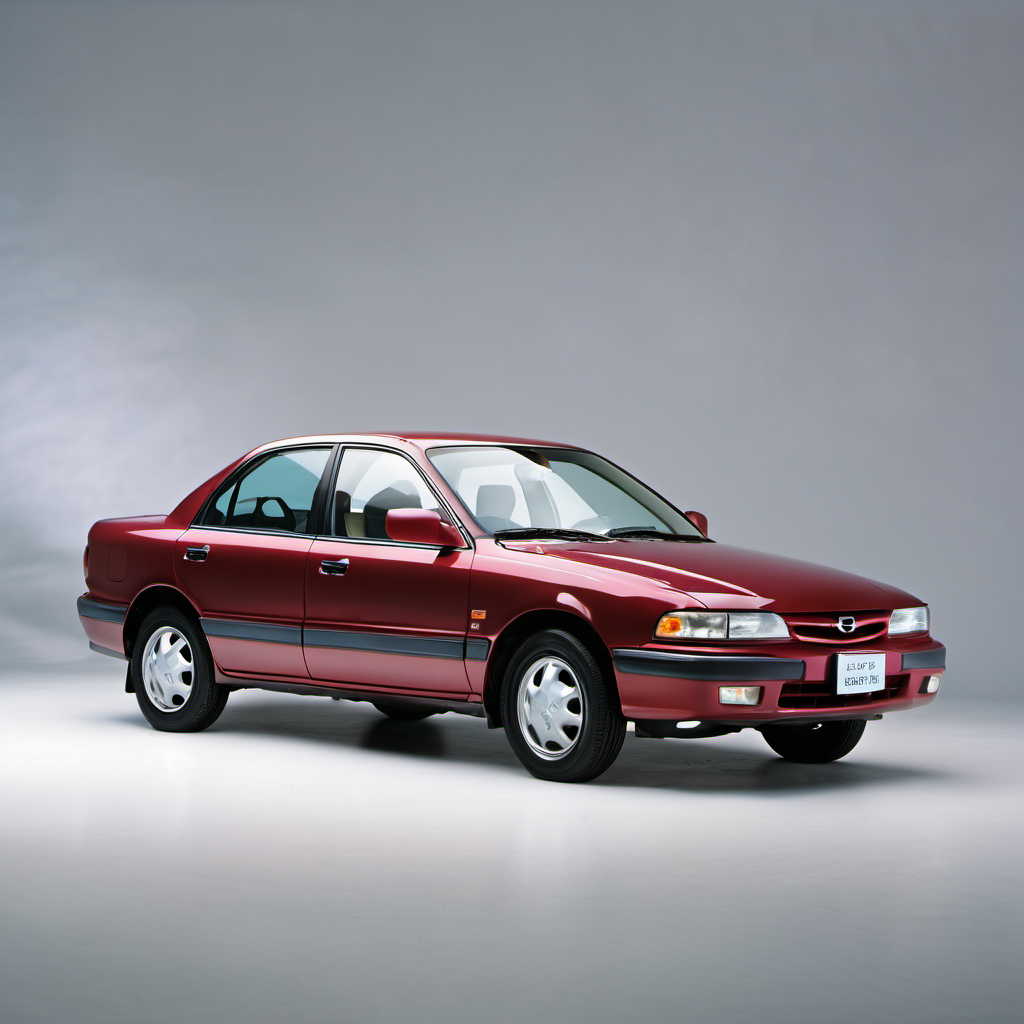
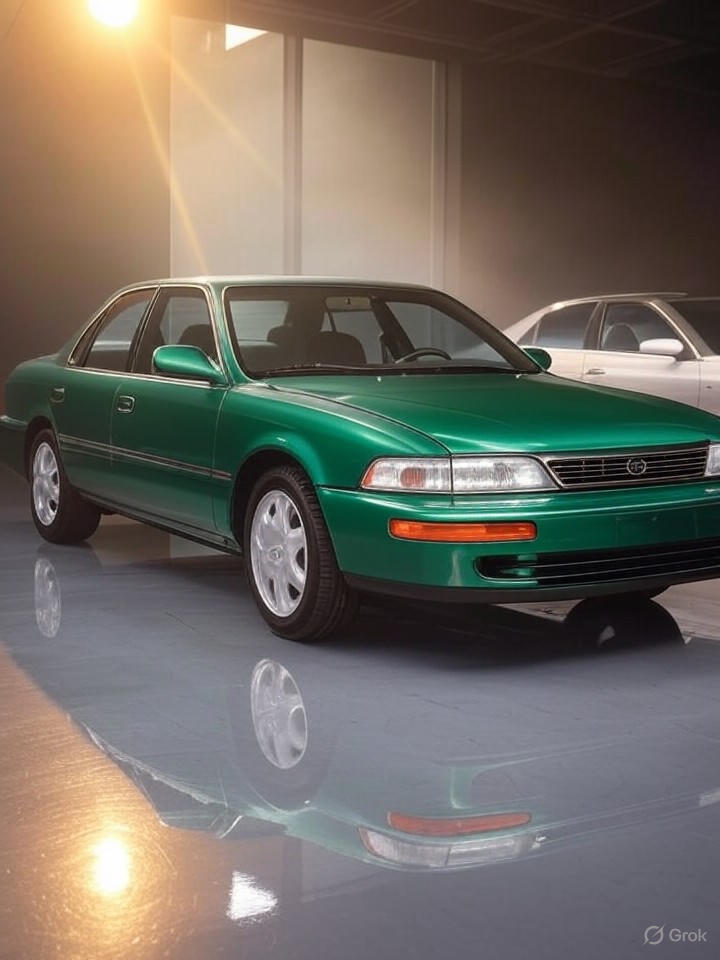
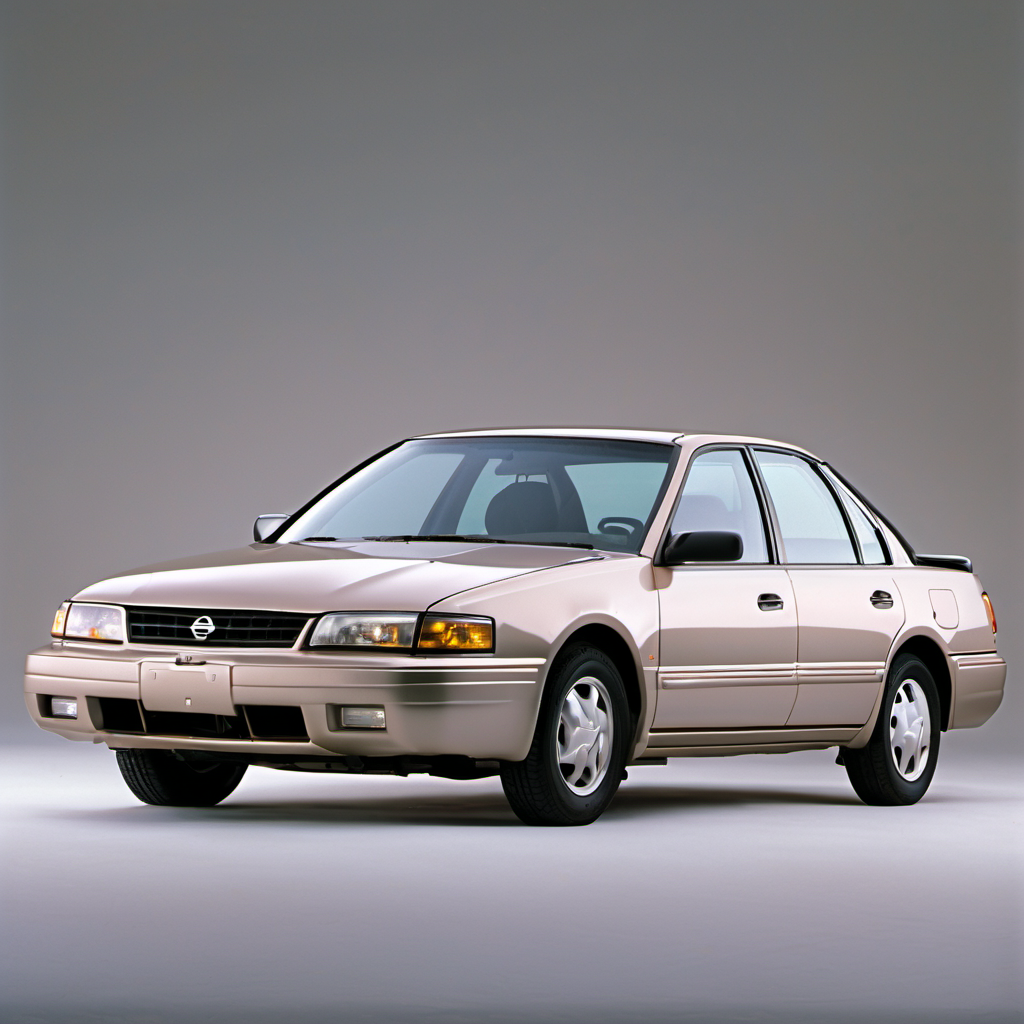
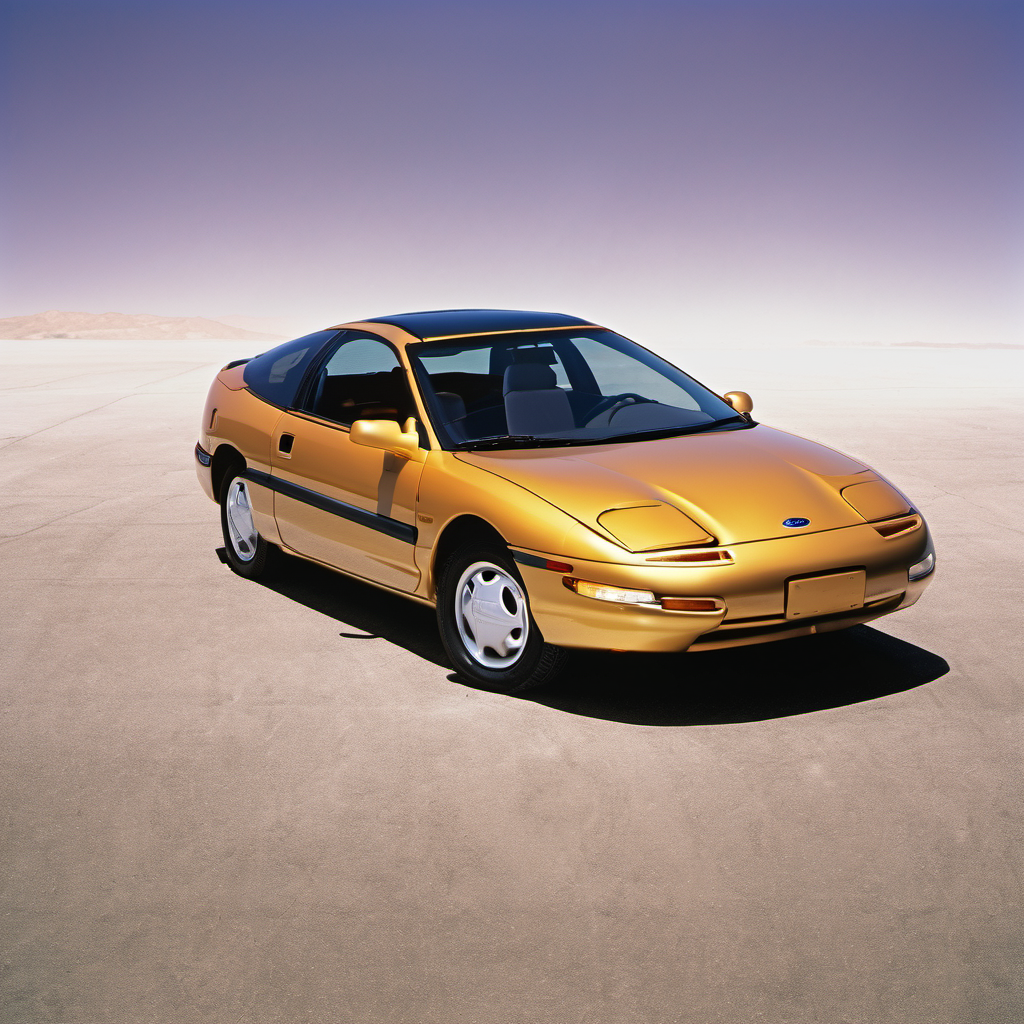
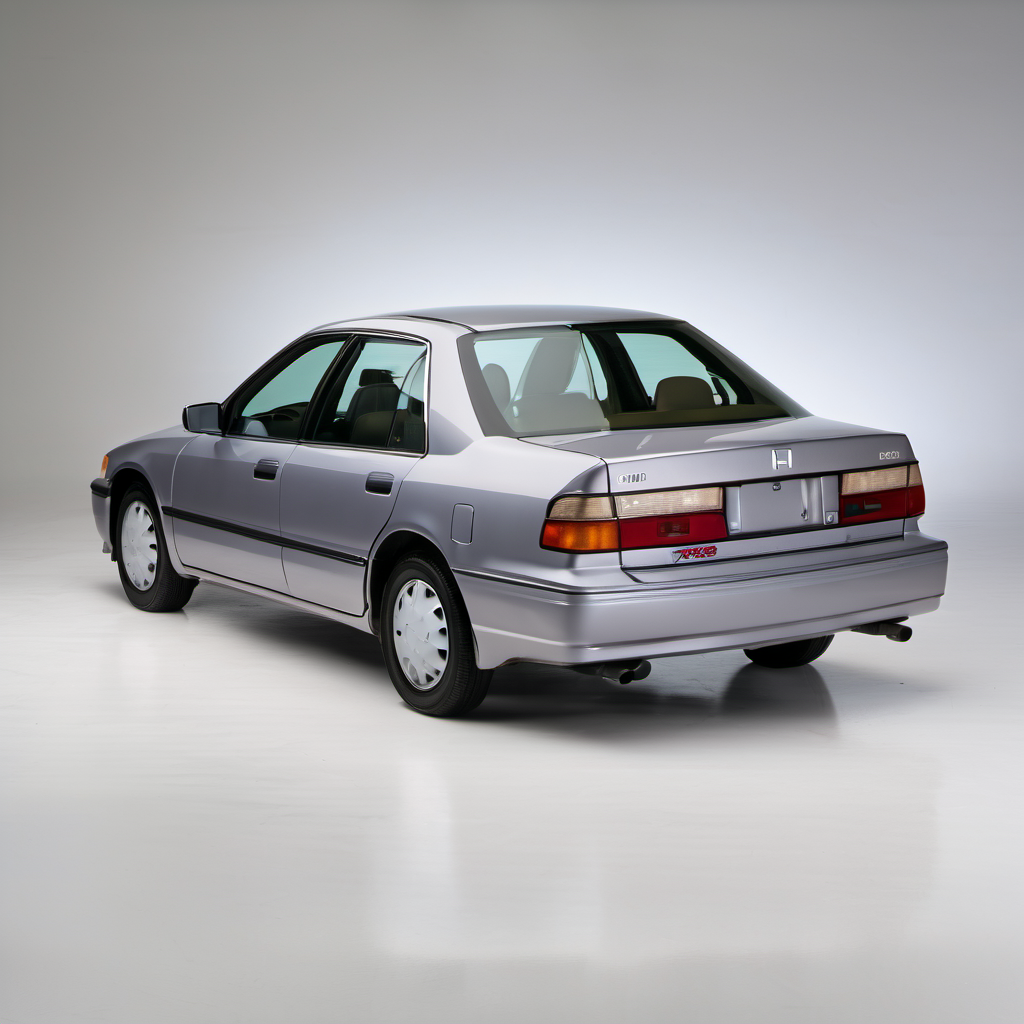
1993 MAZDA 626 Sedan

1993 MAZDA

626Sedan

Sedan

The 1993 Mazda 626 is a front-wheel-drive compact sedan that earned a loyal following for its balanced mix of driving enjoyment and everyday practicality. Built on a proven platform shared with the Ford Probe, the fourth-generation 626 offered a more driver-focused feel than most economy sedans of its era, with crisp steering and a tidy chassis that aged well. The base powertrain is a 2.0L four-cylinder paired with either a 5-speed manual or 4-speed automatic. The manual-equipped cars are generally the more reliable choice — the automatic transmission in this generation has a well-documented weakness. Rust protection on 1990s Mazdas was adequate but not exceptional, so Wisconsin examples need a close look underneath. At 30+ years old, virtually every 1993 626 still on the road is a high-mileage survivor. Parts availability is manageable thanks to the Ford platform overlap, but trim-specific items (emblems, interior pieces) can be scarce. A well-kept example is a rewarding, inexpensive driver; a neglected one is a money pit.

Reliability
3/5
Verified data
Specs shown for 626 — the most common configuration. Other trims may vary in engine, drivetrain, or fuel economy. Sign in to see your vehicle's exact specs.
Engine
[object Object]
Drivetrain
FWD
Fuel
Gasoline
MPG
21 city / 28 hwy / 23 combined
Seats
Doors
Body
Midsize Cars

Overview

AI-curated

The 1993 Mazda 626 is a front-wheel-drive compact sedan that earned a loyal following for its balanced mix of driving enjoyment and everyday practicality. Built on a proven platform shared with the Ford Probe, the fourth-generation 626 offered a more driver-focused feel than most economy sedans of its era, with crisp steering and a tidy chassis that aged well. The base powertrain is a 2.0L four-cylinder paired with either a 5-speed manual or 4-speed automatic. The manual-equipped cars are generally the more reliable choice — the automatic transmission in this generation has a well-documented weakness. Rust protection on 1990s Mazdas was adequate but not exceptional, so Wisconsin examples need a close look underneath. At 30+ years old, virtually every 1993 626 still on the road is a high-mileage survivor. Parts availability is manageable thanks to the Ford platform overlap, but trim-specific items (emblems, interior pieces) can be scarce. A well-kept example is a rewarding, inexpensive driver; a neglected one is a money pit.

Known for
  • More driver-focused handling than typical economy sedans of the era
  • Shared Ford CD2 platform — some parts cross with Ford Probe
  • Automatic transmission weakness (4-speed unit in 4-cyl models)
  • Reliable 2.0L F2 four-cylinder engine when maintained
  • Comfortable, well-finished interior for its class
Best for
  • Budget-conscious drivers wanting a reliable daily commuter
  • DIY mechanics comfortable with early-90s Japanese cars
  • Collectors seeking an affordable, underappreciated classic
  • Drivers who prefer a manual transmission
Watch for
  • Automatic transmission failure — extremely common on 4-cyl cars
  • Rust on floor pans, rear wheel arches, and subframe
  • Age-related rubber deterioration: hoses, belts, bushings
  • Cooling system neglect leading to head gasket issues
  • Hard-to-source body trim and interior pieces

Common issues by mileage

6 known

Automatic Transmission Failure (4-speed)

high
Typically appears
60–120k mi
Estimated repair
$1,200 – $2,800

Cooling System Failure / Head Gasket

medium
Typically appears
80–150k mi
Estimated repair
$600 – $1,800

Distributor and Ignition System Wear

high
Typically appears
80–140k mi
Estimated repair
$150 – $450

Subframe and Floor Pan Rust

high
Typically appears
Any mileage on salt-belt cars
Estimated repair
$400 – $2,500

Oxygen Sensor Failure (upstream)

medium
Typically appears
80–130k mi
Estimated repair
$80 – $220

Suspension Bushings and Tie Rod Wear

high
Typically appears
90k+ mi
Estimated repair
$200 – $700

Maintenance schedule

  1. 1
    Every 3,000–4,000 miles (older engine, conventional oil recommended) Engine oil and filter change

    The F2 engine tolerates neglect poorly. Sludge buildup accelerates wear on cam journals and valve train components on a 30-year-old engine.

  2. 2
    Every 2 years or 30,000 miles Coolant flush and thermostat inspection

    Neglected coolant causes corrosion inside the block and radiator. Head gasket replacement on this engine is expensive — keep the cooling system clean.

  3. 3
    Every 60,000 miles or 5 years Timing belt replacement

    The 2.0L F2 is an interference engine. A broken timing belt causes catastrophic valve damage. On any used 626, verify or replace this immediately if history is unknown.

  4. 4
    Every 30,000 miles — do NOT skip Automatic transmission fluid service

    The 4-speed automatic is the most failure-prone component on this car. Fresh fluid extends its life. Never flush a high-mileage unit that hasn't been serviced — a fluid change only on neglected units.

  5. 5
    Every 30,000 miles Distributor cap, rotor, spark plugs, and wires

    The distributor-based ignition system degrades with age and heat cycles. Worn ignition components cause rough idle, poor fuel economy, and hard starts in cold weather.

  6. 6
    Every 4 years or 50,000 miles Serpentine/accessory belt and tensioner inspection

    Rubber belts on a 30-year-old vehicle crack and fail without warning. Replace proactively.

  7. 7
    Every 2–3 years Brake fluid flush

    Brake fluid absorbs moisture over time, lowering boiling point and promoting caliper and master cylinder corrosion — especially in a wet, salty Wisconsin climate.

  8. 8
    Annually, before winter Undercarriage rust inspection and treatment

    Wisconsin road salt is brutal on 30-year-old unibody cars. Inspect subframe mounting points, floor pans, and rear wheel arches each fall. Treat bare metal before it progresses.

Always defer to the manufacturer's service manual for warranty-mandated intervals.

Cost of ownership

Annual maintenance
$600 – $1,800
Fuel
Fuel costs are modest given the 23 MPG combined rating. At current Wisconsin pump prices, expect roughly $1,400–$1,700/year for average driving (~12,000 mi). Regular 87 octane.
Insurance
Insurance is typically very low — liability-only coverage on a car this age is common and can run $400–$700/year in the Lake Geneva area depending on driver history.

The 1993 626 is cheap to insure and fuel, but maintenance costs on a 30-year-old car can be unpredictable. A well-maintained example with a manual transmission can be owned for under $1,000/year in routine upkeep. Automatic-equipped cars carry a significant financial risk: a transmission job alone can cost more than the car is worth. Budget a contingency fund for cooling system, ignition, and suspension work on any high-mileage survivor.
Seasonal care

Lake Geneva, WI
Winter
  • Switch to a 5W-30 conventional or full-synthetic oil before temperatures drop below 10°F — cold-start oil flow is critical on the aging F2 engine.
  • Test the battery and replace if it's 4+ years old. Cold cranking amps drop sharply in sub-zero Lake Geneva winters and the charging system on these cars is marginal when taxed.
  • Flush washer fluid reservoir and lines with -20°F rated fluid immediately. The reservoir sits low and exposed; any remaining summer fluid will freeze and crack the pump.
  • Inspect the ignition system (distributor cap, wires, plugs) before winter. A marginal system that starts fine in summer will fail at -10°F.
  • Apply silicone to all door and trunk seals — rubber is 30 years old and will freeze shut against bare metal.
  • Inspect undercarriage for open rust or compromised underbody seams before salt season. Any exposed metal should be treated to prevent rapid escalation through winter.
Summer
  • Check coolant concentration and condition — the F2 engine runs warm in traffic. A 50/50 mix protects to ~265°F boiling point; degraded coolant does not.
  • Inspect the radiator for external corrosion and the hoses for softness or cracking. Summer heat accelerates hose failure on aged rubber.
  • Check tire pressure monthly — ambient temperature swings of 40°F between Wisconsin spring and summer can shift pressure by 4–6 PSI.
  • Verify A/C system function early in the season. The R-12 refrigerant this car originally used requires a retrofit to R-134a if not already done — confirm with the shop before a summer breakdown.

Comparable vehicles

If you're shopping for one

Red flags
  • Any automatic transmission that slips, shudders, or has a delayed 1-2 shift — walk away unless you're pricing in a rebuild.
  • Rust holes or soft spots in floor pans or around rear wheel arches — structural rust on a unibody this old is rarely worth repairing.
  • Overheating history or milky oil — head gasket damage is expensive and the engine may already be warped.
  • No timing belt service records on a high-mileage car — unknown interference engine risk.
  • R-12 A/C system that hasn't been retrofitted to R-134a — adds immediate cost and signals deferred maintenance overall.
  • Missing or non-functional gauges — the instrument cluster on these cars can develop faults that are now very difficult to source parts for.
What to inspect
  • Transmission behavior: test the automatic at highway speeds for slipping, shudder, or delayed engagement. These are signs of imminent failure.
  • Timing belt service record — this is an interference engine. No record means replace it before driving the car further.
  • Undercarriage: crawl under and inspect subframe mounting points, rear control arm brackets, and floor pans for rust perforation. Wisconsin cars are high risk.
  • Coolant condition and overflow tank — look for brown or oily coolant that signals a compromised head gasket.
  • Distributor cap and wires — pull the cap and look for carbon tracking or moisture, both common on 30-year-old ignition systems.
  • All rubber: inspect coolant hoses, vacuum lines, and CV axle boots for cracking or leaks.
AI profile generated 18 days ago · claude-sonnet-4-6 · v2.