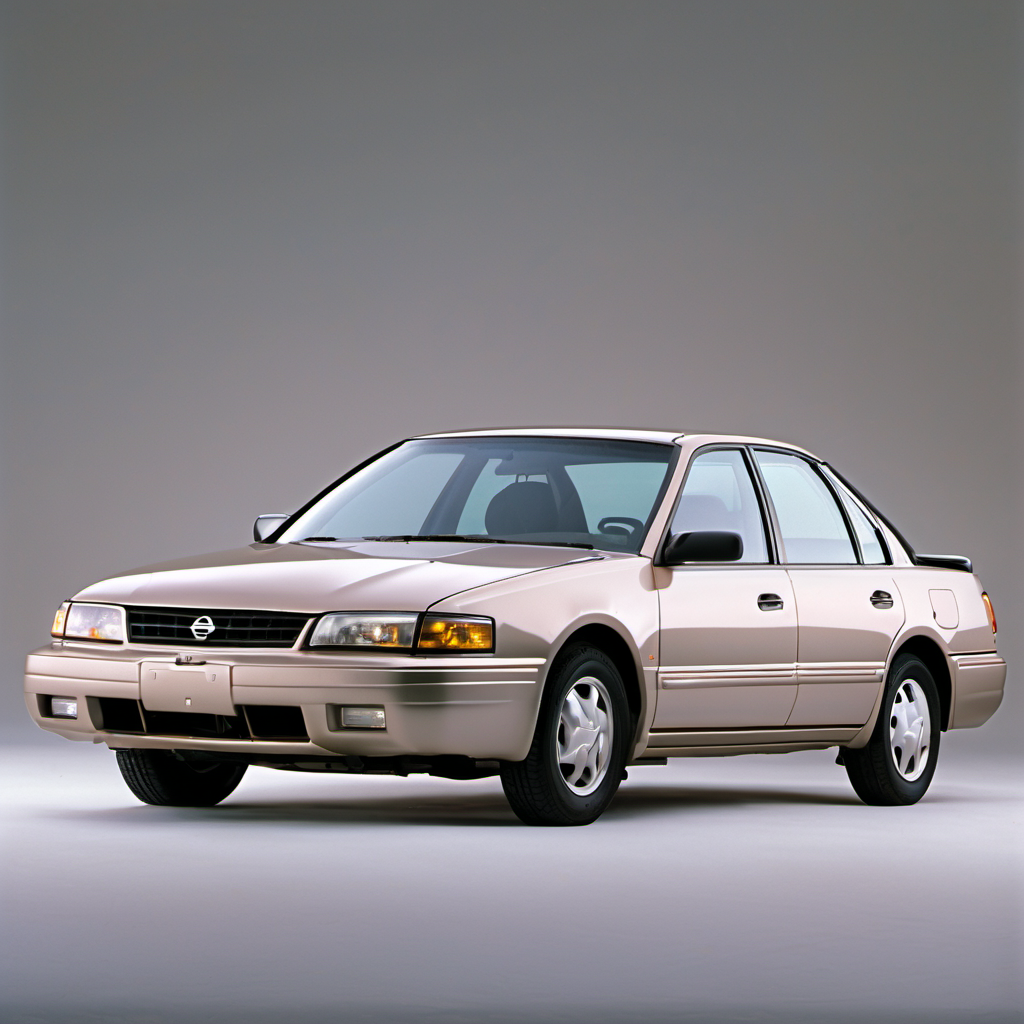
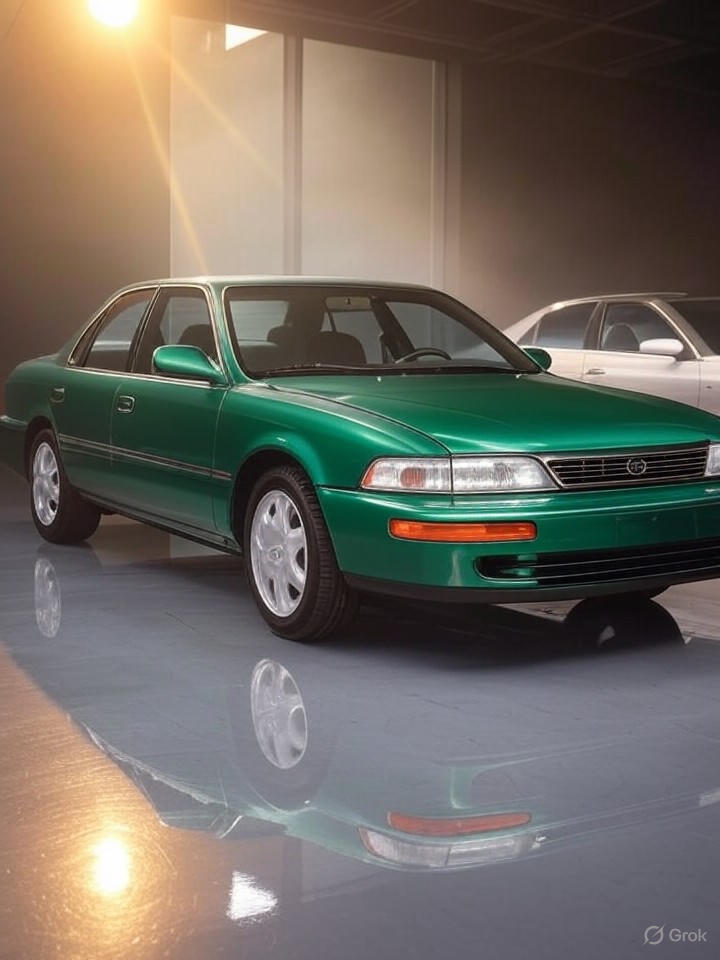
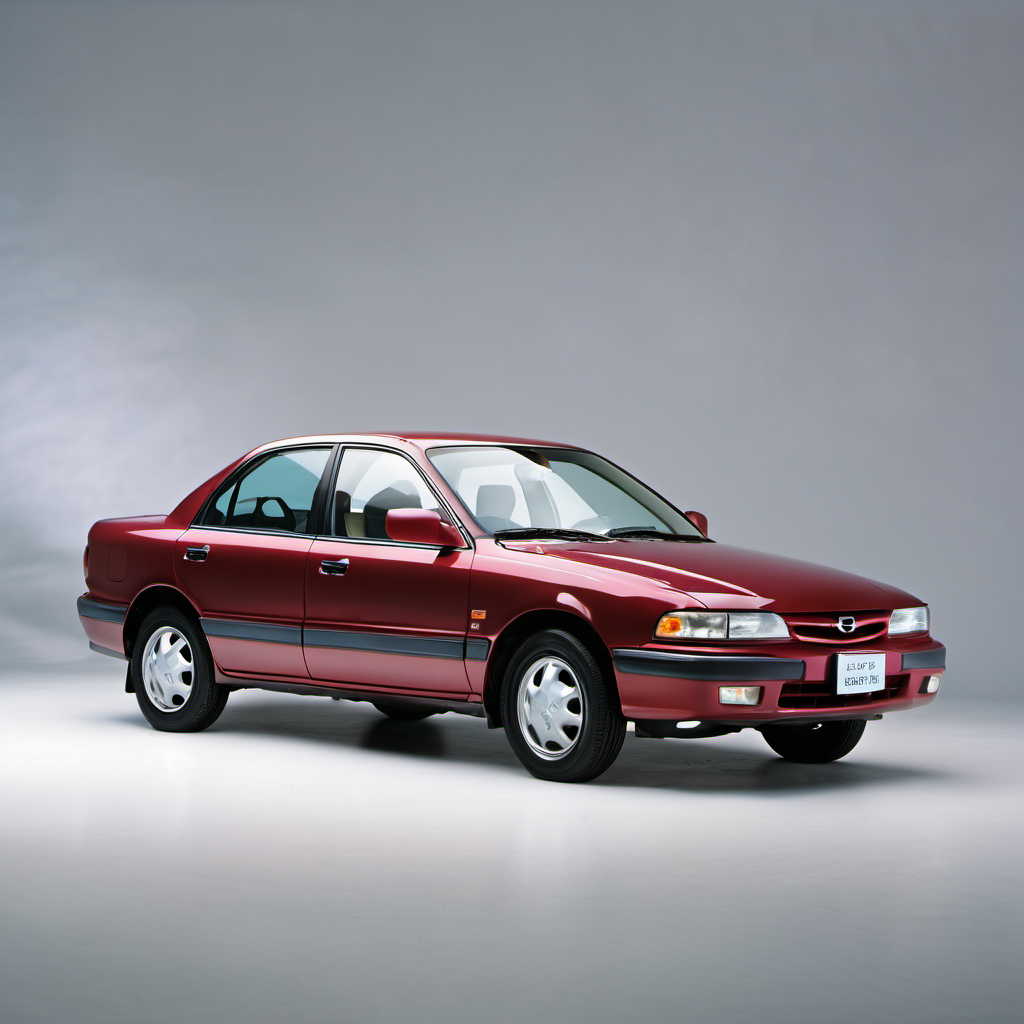
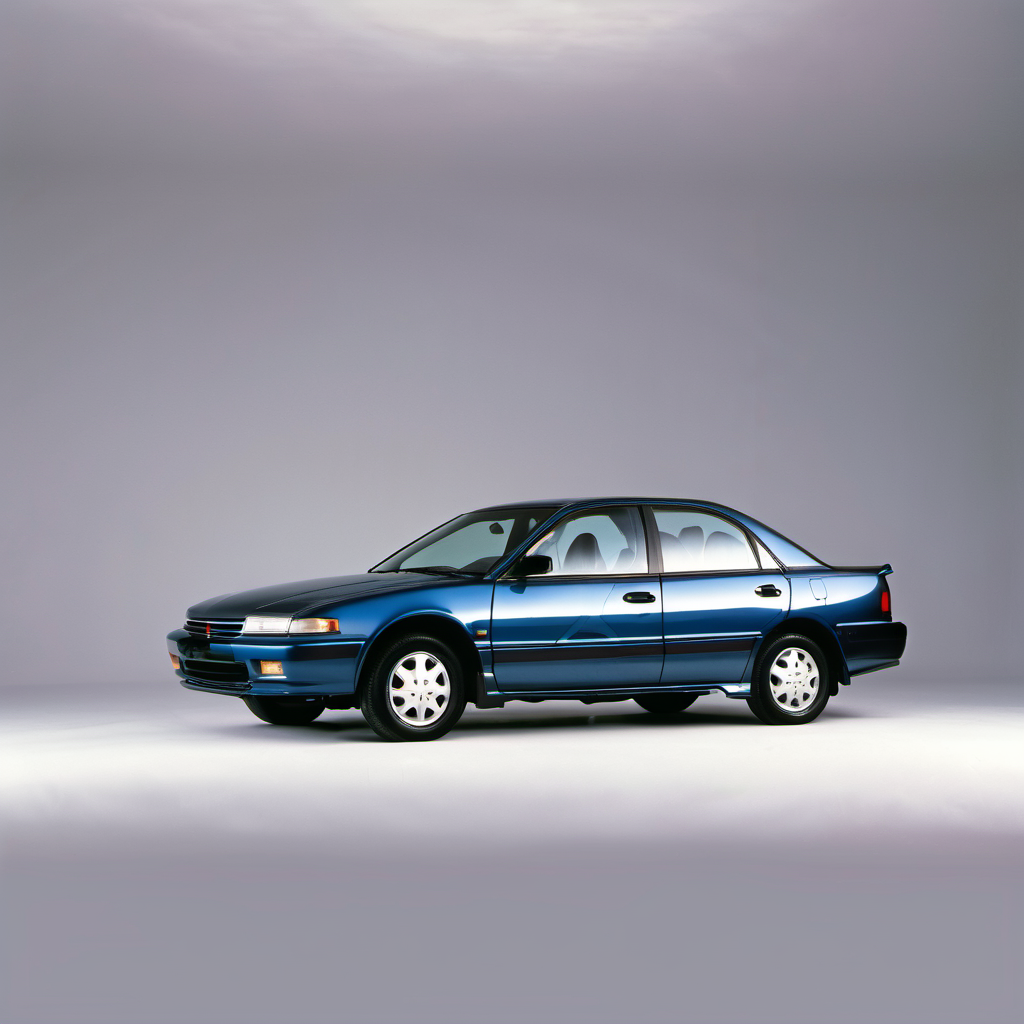
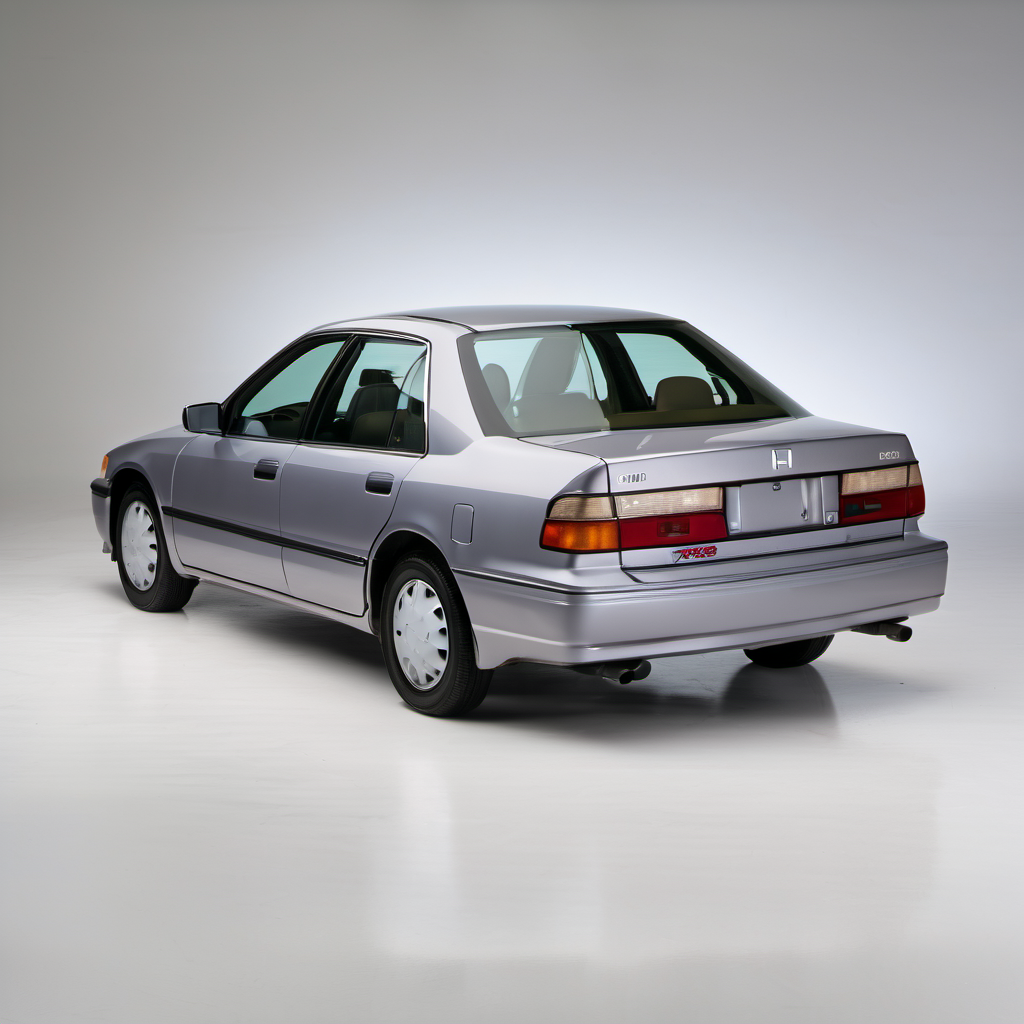
1993 Nissan Altima Sedan

1993 Nissan

AltimaSedan

2.4L I4 (KA24DE) · Sedan

The 1993 Nissan Altima was the first model year of the nameplate, replacing the aging Stanza as Nissan's mid-size family sedan. It arrived with a fresh 2.4L inline-4 engine, a modern platform, and a notably more spacious cabin than its predecessor — punching above its class for the price. It was a solid value play when new and remains one of the more honest, straightforward sedans of the early 1990s to own and maintain. At 30+ years old, every surviving example is a high-mileage used car. The mechanicals are proven and parts are still available, but expect to deal with the full slate of age-related issues: rubber, cooling system components, oxygen sensors, and rust — especially relevant here in Lake Geneva where road salt is a winter fact of life. This is a vehicle for a mechanically inclined owner or someone with a trusted shop. Budget for deferred maintenance at purchase, inspect the undercarriage carefully for corrosion, and you'll find a simple, no-frills sedan that rewards basic care.

Reliability
3/5
Verified data
Engine
2.4L I4 (KA24DE)
Drivetrain
FWD
Fuel
Gasoline
MPG
23 city / 29 hwy / 26 combined
Seats
5
Doors
4
Body
Sedan
MSRP
$13,499

Overview

AI-curated

The 1993 Nissan Altima was the first model year of the nameplate, replacing the aging Stanza as Nissan's mid-size family sedan. It arrived with a fresh 2.4L inline-4 engine, a modern platform, and a notably more spacious cabin than its predecessor — punching above its class for the price. It was a solid value play when new and remains one of the more honest, straightforward sedans of the early 1990s to own and maintain. At 30+ years old, every surviving example is a high-mileage used car. The mechanicals are proven and parts are still available, but expect to deal with the full slate of age-related issues: rubber, cooling system components, oxygen sensors, and rust — especially relevant here in Lake Geneva where road salt is a winter fact of life. This is a vehicle for a mechanically inclined owner or someone with a trusted shop. Budget for deferred maintenance at purchase, inspect the undercarriage carefully for corrosion, and you'll find a simple, no-frills sedan that rewards basic care.

Known for
  • Bulletproof KA24DE inline-4 engine that responds well to basic maintenance
  • Roomy cabin for its class and price point
  • Simple, serviceable mechanicals with wide parts availability
  • Good fuel economy for a mid-90s non-VTEC 4-cylinder
  • One of the smoothest-riding compact sedans of its era
Best for
  • Budget-conscious daily driver buyers comfortable with older cars
  • Mechanically inclined owners who do their own work
  • Low-mileage local driving where reliability over long trips isn't critical
  • Someone needing inexpensive transportation with cheap parts
Watch for
  • Rust on rocker panels, floor pans, and subframe — critical in Wisconsin
  • Coolant system neglect leading to head gasket failure on KA24DE
  • Original timing chain and guides at 30+ years old
  • Distributor and distributor O-ring leaks (oil contamination causing misfires)
  • Catalytic converter and exhaust rot from age and salt exposure

Common issues by mileage

6 known

Distributor O-ring oil leak / distributor failure

high
Typically appears
80k+ mi or any age-worn example
Estimated repair
$80 – $250

Coolant system degradation leading to overheating or head gasket failure

high
Typically appears
Any example 20+ years old
Estimated repair
$150 – $1,800

Timing chain stretch / chain guide wear

medium
Typically appears
120k+ mi
Estimated repair
$400 – $900

Oxygen sensor failure (front upstream sensor)

high
Typically appears
80k–150k mi
Estimated repair
$80 – $200

Rust and corrosion — rocker panels, subframe, floor pans

high
Typically appears
Any Wisconsin/rust-belt vehicle
Estimated repair
$200 – $3,000

Exhaust system rot — catalytic converter, flex pipe, muffler

high
Typically appears
Any vehicle 15+ years old in the Midwest
Estimated repair
$150 – $700

Maintenance schedule

  1. 1
    Every 2 years regardless of mileage Engine coolant full flush and refill

    Old coolant loses its corrosion inhibitors and attacks aluminum components in the KA24DE head. On a 30-year-old car, assume it needs doing at purchase unless you have proof otherwise.

  2. 2
    At purchase; every 60k mi thereafter Timing chain inspection

    The KA24DE uses a timing chain, not a belt — no scheduled replacement — but chains stretch and guides wear with age. A rattle on cold start is a warning sign. Address early; a jumped chain can bend valves.

  3. 3
    Every 2 years or 30k mi Distributor cap, rotor, and O-ring inspection

    The distributor O-ring on the KA24DE is a known leak point. Oil gets into the cap and causes misfires. Cheap fix when caught early; neglected it ruins the distributor.

  4. 4
    Every 30k mi Spark plugs and wires

    Standard copper plugs on a 30-year-old car wear faster than modern iridium setups. Fresh plugs and wires are cheap insurance against cold-start misfires in Wisconsin winters.

  5. 5
    Every fall and after every significant winter storm Undercarriage wash and inspection

    Road salt is the number-one killer of first-gen Altimas in the Midwest. Regular washing of the undercarriage slows rust progression significantly. Inspect rockers, subframe mounts, and floor pans each fall.

  6. 6
    Every 2–3 years Brake fluid flush

    Brake fluid absorbs moisture over time, lowering its boiling point and accelerating internal corrosion in calipers and wheel cylinders — a real concern on an older vehicle.

  7. 7
    Annually All rubber hoses, belts, and bushings inspection

    On a vehicle this age, rubber degrades from ozone, heat cycles, and time regardless of mileage. Hose collapse on the coolant system or a snapped accessory belt can leave you stranded.

  8. 8
    Every fall before winter season Battery load test

    Cold cranking amps drop sharply in sub-zero temps. A battery that starts fine in September may not turn the engine over in a Lake Geneva January. Load test annually, replace proactively every 4–5 years.

Always defer to the manufacturer's service manual for warranty-mandated intervals.

Cost of ownership

Annual maintenance
$600 – $1,800
Fuel
At ~26 MPG combined and roughly 12,000 miles/year, expect around $1,300–$1,600/year at current Wisconsin gas prices for regular unleaded.
Insurance
Liability-only coverage on a vehicle this age typically runs $400–$800/year depending on your driving record. Full coverage rarely makes financial sense given the vehicle's market value.

A well-maintained first-gen Altima is genuinely cheap to run — parts are inexpensive and the KA24DE is easy to work on. The wildcard is deferred maintenance and rust repair. Budget $600–$1,000/year for routine upkeep; add a repair cushion of $1,000–$2,000 if the car has unknown history. Total cost of ownership is low, but only if you stay ahead of maintenance rather than reacting to failures.
Seasonal care

Lake Geneva, WI
Winter
  • Load test the battery every October — sub-zero starts will expose any weakness immediately. Replace if the battery is over 4 years old.
  • Switch to a winter-grade windshield washer fluid rated to at least -20°F. The standard stuff freezes solid in a Wisconsin cold snap.
  • Wash the undercarriage every 10–14 days during active salting season. Pay extra attention to the rocker panels, wheel wells, and the area around the subframe mounts.
  • Check coolant freeze protection with an inexpensive tester — confirm it's good to at least -34°F. Old coolant loses its protection concentration over time.
  • Inspect wiper blades and consider switching to winter-style blades that don't pack with ice.
  • Keep the fuel tank above half when possible — helps prevent fuel line condensation and adds weight for traction on slippery roads.
Summer
  • Inspect the cooling system thoroughly before summer heat arrives — check the thermostat, radiator cap, and all hoses. Overheating is the KA24DE's main summer vulnerability.
  • Check tire pressure monthly. Pressure rises roughly 1 PSI per 10°F of temperature increase; over-inflated tires reduce traction and wear unevenly.
  • Test A/C operation early in the season. The refrigerant on a 30-year-old system has almost certainly leaked down; a recharge and leak inspection will be needed if it's blowing warm.
  • Watch engine temperature gauge closely in stop-and-go traffic on hot days — a marginal cooling system that gets by in spring can overheat in August.

Comparable vehicles

If you're shopping for one

Red flags
  • Any rust-through on the floor pans or subframe — structural integrity is compromised and repair costs can exceed the vehicle's value.
  • Overheating history or evidence of head gasket repair — the KA24DE can survive it, but a botched repair will fail again.
  • No maintenance records and high mileage — timing chain, cooling system, and distributor work are all mileage-sensitive and expensive if all deferred at once.
  • Mismatched paint panels or signs of significant body repair — indicates collision history that may have damaged structural components.
  • Engine that won't idle smoothly when cold — on a car this age, it often signals multiple deferred ignition and fuel system issues compounding each other.
What to inspect
  • Full undercarriage rust inspection — rocker panels, subframe mounts, floor pans, and exhaust. This is the single most important check on any Midwest Altima of this era.
  • Cold-start the engine and listen for timing chain rattle before it warms up — a rattle that disappears after 30 seconds is an early warning sign.
  • Check for oil in the distributor cap — lift the cap and look for oil contamination, a sign the distributor O-ring has been leaking.
  • Look for coolant in the oil (milky residue on the dipstick or oil cap) and oil in the coolant (rainbow sheen in the overflow tank) — both point to head gasket failure.
  • Inspect all rubber coolant hoses by squeezing them — they should feel firm and supple, not spongy, cracked, or rock-hard.
  • Test the A/C, heater, all power accessories, and lights — replacements for interior trim and electrical components are increasingly hard to find.
  • Check for exhaust leaks by listening for ticking or hissing from the manifold, flex pipe, and cat — full exhaust replacement on a 30-year-old car adds up fast.
AI profile generated 4 days ago · claude-sonnet-4-6 · v2.