1993 BMW 3 Series Sedan

1993 BMW

3 SeriesSedan

Sedan

The 1993 BMW 3 Series (E36 generation) is the second model year of BMW's third-generation compact sport sedan, widely regarded as one of the best-balanced BMWs ever built. It sits on a stretched wheelbase versus its E30 predecessor, offering more rear legroom without sacrificing the taut, rear-wheel-drive handling BMW is famous for. In 318i trim — the most common configuration with the 1.8L four-cylinder — it's an approachable entry into the 3 Series lineup that still delivers sharp steering and a rewarding driving experience. At 30-plus years old, any surviving example is now a classic-adjacent used car. Values have stabilized and in some cases risen for clean examples. That cuts both ways: well-kept cars are a genuine pleasure, but neglected ones can carry decades of deferred maintenance on aging German engineering. Budget and inspection discipline matter more here than on a modern car. The 1993 318i is not a fast car by modern standards, but it rewards drivers who enjoy the act of driving. Parts availability is solid through BMW specialists and the aftermarket. An honest independent shop with European car experience is your best friend for keeping this car on the road affordably.

Reliability
3/5
Verified data
Specs shown for 318i/318is — the most common configuration. Other trims may vary in engine, drivetrain, or fuel economy. Sign in to see your vehicle's exact specs.
Engine
[object Object]
Drivetrain
RWD
Fuel
Premium gasoline
MPG
19 city / 28 hwy / 22 combined
Seats
Doors
Body
Subcompact Cars

Overview

AI-curated

The 1993 BMW 3 Series (E36 generation) is the second model year of BMW's third-generation compact sport sedan, widely regarded as one of the best-balanced BMWs ever built. It sits on a stretched wheelbase versus its E30 predecessor, offering more rear legroom without sacrificing the taut, rear-wheel-drive handling BMW is famous for. In 318i trim — the most common configuration with the 1.8L four-cylinder — it's an approachable entry into the 3 Series lineup that still delivers sharp steering and a rewarding driving experience. At 30-plus years old, any surviving example is now a classic-adjacent used car. Values have stabilized and in some cases risen for clean examples. That cuts both ways: well-kept cars are a genuine pleasure, but neglected ones can carry decades of deferred maintenance on aging German engineering. Budget and inspection discipline matter more here than on a modern car. The 1993 318i is not a fast car by modern standards, but it rewards drivers who enjoy the act of driving. Parts availability is solid through BMW specialists and the aftermarket. An honest independent shop with European car experience is your best friend for keeping this car on the road affordably.

Known for
  • Exceptional rear-wheel-drive balance and steering feel
  • Sturdy E36 chassis with excellent long-term structural integrity
  • Strong BMW enthusiast community and parts availability
  • Timeless, clean styling that has aged well
  • Rewarding manual transmission experience
Best for
  • Driving enthusiasts who enjoy a connected, analog experience
  • Owners willing to learn basic maintenance or have a trusted shop
  • Weekend or secondary vehicle use where reliability pressure is lower
  • Budget-conscious entry into classic BMW ownership
Watch for
  • Cooling system components (plastic parts become brittle with age)
  • Rust in rocker panels, floor pans, and around the rear subframe mounts — critical in Wisconsin
  • Deferred maintenance by previous owners on a now-cheap car
  • Electrical gremlins from aging wiring harnesses and connectors
  • Expensive repairs if neglected — parts are available but labor is specialized

Common issues by mileage

6 known

Cooling system failure (plastic components)

high
Typically appears
60–150k mi
Estimated repair
$400 – $900

Oxygen sensor failure or degraded wiring

high
Typically appears
80–150k mi
Estimated repair
$150 – $400

Valve cover gasket oil leak

high
Typically appears
60–120k mi
Estimated repair
$100 – $250

Rear subframe mount rust/cracking (structural)

medium
Typically appears
Any mileage on salt-road cars
Estimated repair
$500 – $2,000

Window regulator failure (front or rear)

medium
Typically appears
80–150k mi
Estimated repair
$150 – $350

VANOS unit wear (timing rattles, power loss at low RPM)

medium
Typically appears
80–150k mi
Estimated repair
$300 – $800

Maintenance schedule

  1. 1
    Every 5 years or at purchase if history unknown Full cooling system refresh (thermostat, water pump, upper/lower hoses, expansion tank, radiator cap)

    All plastic cooling components become brittle with age. A single failure can cause rapid overheating and engine damage. On a 30-year-old car, replace the whole system proactively — it's far cheaper than a blown head gasket.

  2. 2
    Every 5,000 miles or 6 months Engine oil and filter change — use 5W-30 or 5W-40 full synthetic

    The M42 tolerates oil consumption as it ages. Fresh oil on a short interval protects the VANOS and timing chain components. Don't rely on BMW's original long-change intervals on a 30-year-old engine.

  3. 3
    Every fall before winter Inspect and clean battery terminals; load-test battery

    Cold cranking in Lake Geneva winters is hard on an aging battery. Corroded terminals make it worse. A battery that passes a summer test can still fail at -10°F.

  4. 4
    Every 2 years Brake fluid flush

    BMW specifies this, and for good reason — brake fluid absorbs moisture over time, lowering its boiling point. On a sporty RWD car, this matters.

  5. 5
    Every spring after winter driving season Inspect rocker panels, floor pans, and rear subframe mounts for rust

    Wisconsin road salt attacks these specific areas on E36s. The rear subframe mounts in particular can crack the unibody if rust is ignored — a structural repair, not just cosmetic.

  6. 6
    Every 30,000 miles Spark plugs and ignition wires

    The M42 is sensitive to ignition system condition. Worn plugs or cracked wires cause rough idle and misfires that can be misdiagnosed as something more expensive.

  7. 7
    Every 30,000 miles Fuel filter replacement

    30-year-old fuel systems can harbor varnish deposits. A clean fuel filter protects the injectors and maintains steady fuel pressure.

  8. 8
    Before first freeze (typically mid-October in Lake Geneva) Switch to winter tires on dedicated wheels

    RWD in Wisconsin snow without winter tires is genuinely dangerous. All-seasons are not a substitute. Dedicated steel wheels save the cost of seasonal remounting on your main wheels.

Always defer to the manufacturer's service manual for warranty-mandated intervals.

Cost of ownership

Annual maintenance
$800 – $2,500
Fuel
Premium fuel recommended; at roughly 22 mpg combined and 12,000 miles/year, expect $1,800–$2,200/year at current Wisconsin gas prices for premium.
Insurance
Typically low — older vehicle with low market value. Expect $600–$1,100/year for full coverage depending on your driving record and insurer. Agreed-value or collector car insurance may be worth exploring if the car is well-preserved.

On a good year with no major surprises, you're looking at $800–$1,200 in routine maintenance. Budget $2,000–$2,500 in any year when you hit a cooling system service, suspension refresh, or rust repair. Parts for the E36 are widely available through BMW specialists and the aftermarket at reasonable prices — labor is where costs climb if you're not doing any of it yourself. This is not a cheap car to own if neglected; it's a reasonable car to own if you stay ahead of it.

Seasonal care

Lake Geneva, WI
Winter
  • Install dedicated winter tires before freeze — RWD on snow with all-seasons is a serious safety risk in Walworth County conditions.
  • Load-test the battery every fall. Cold cranking amps drop sharply below 0°F; a marginal battery will leave you stranded.
  • Switch to a full-synthetic 5W-30 or 5W-40 if not already using one — thinner cold-start viscosity protects the M42 during sub-zero starts.
  • Fill the washer reservoir with -20°F or colder rated fluid. The 1993 3 Series reservoir is exposed and standard fluid will freeze solid in the lines.
  • Apply an undercarriage rinse every 2–3 weeks during active salting season, paying special attention to the rear subframe area and rocker panels.
  • Check tire pressure weekly — pressure drops roughly 1 PSI per 10°F temperature drop, and under-inflated tires on RWD in winter is a handling liability.
Summer
  • Inspect the cooling system closely before summer — check for weeping hoses, a soft expansion tank, or a thermostat that's sticking. The plastic components fail under heat load.
  • Check A/C refrigerant and cabin air circulation. The E36 A/C system uses R-134a and seals age; recharging may be needed on cars that sat.
  • Check tire pressure after temperature rises — pressure increases with heat and overinflated tires reduce contact patch and braking performance.
  • Inspect brake pads and rotors before summer driving — heat soak on RWD performance driving (even spirited highway runs) accelerates wear.
  • Look for fresh oil seepage around the valve cover after the first hot days — gaskets that hold in cool weather often weep once fully heat-soaked.

Comparable vehicles

1993 Mercedes-Benz
C-Class

W202 C-Class debuted in 1994 as the direct rival in the compact luxury sedan segment. Similar price point used, RWD, European sport sedan character. Slightly more conservative driving feel but comparable ownership complexity.

No catalog match
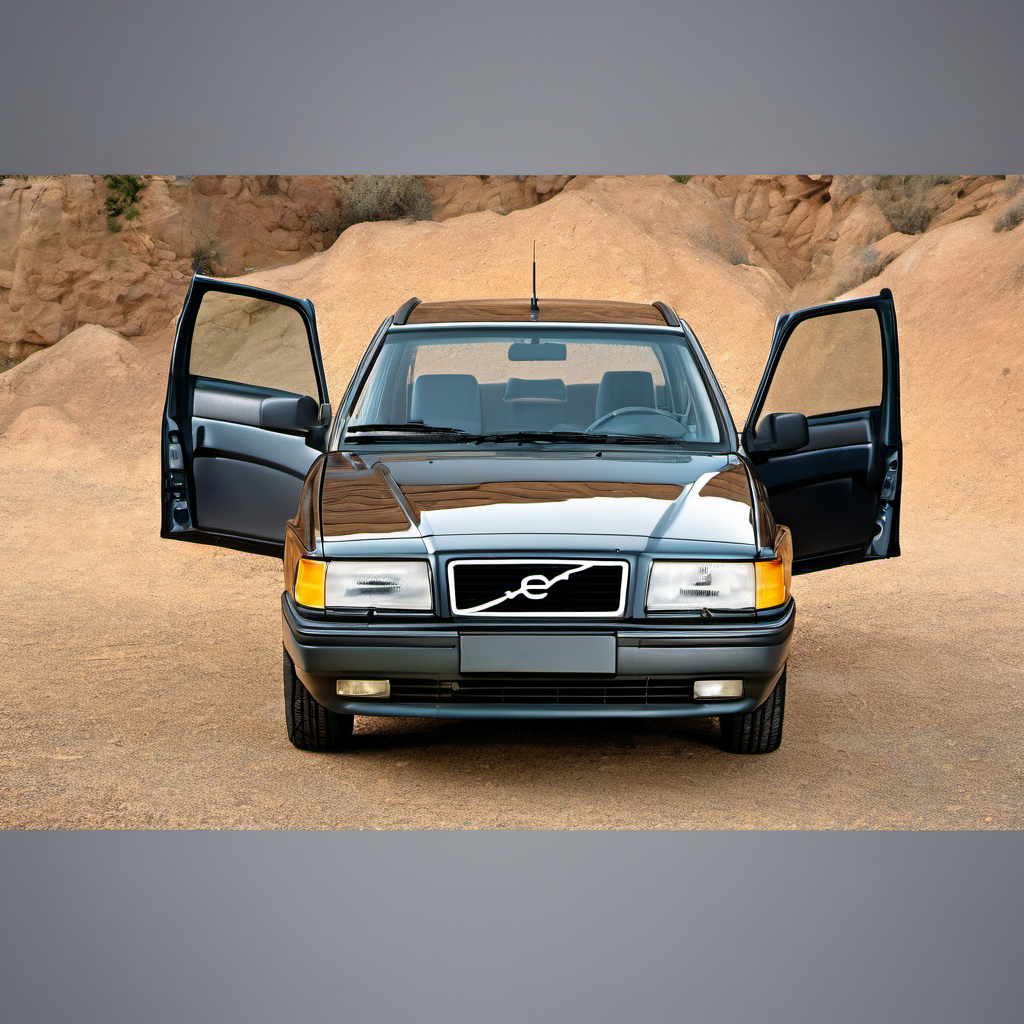
1993 Volvo 850
1993 Volvo
850

Front-wheel-drive Swedish sport sedan in the same era and price range. More practical and arguably more rust-resistant for Wisconsin, but lacks the E36's driving engagement. A better choice if reliability and winter practicality outweigh driving fun.

1993 Audi
80

Direct segment competitor with quattro AWD available — a real advantage for Wisconsin winters. More complex drivetrain but stronger all-weather capability. Similar European ownership cost profile.

No catalog match
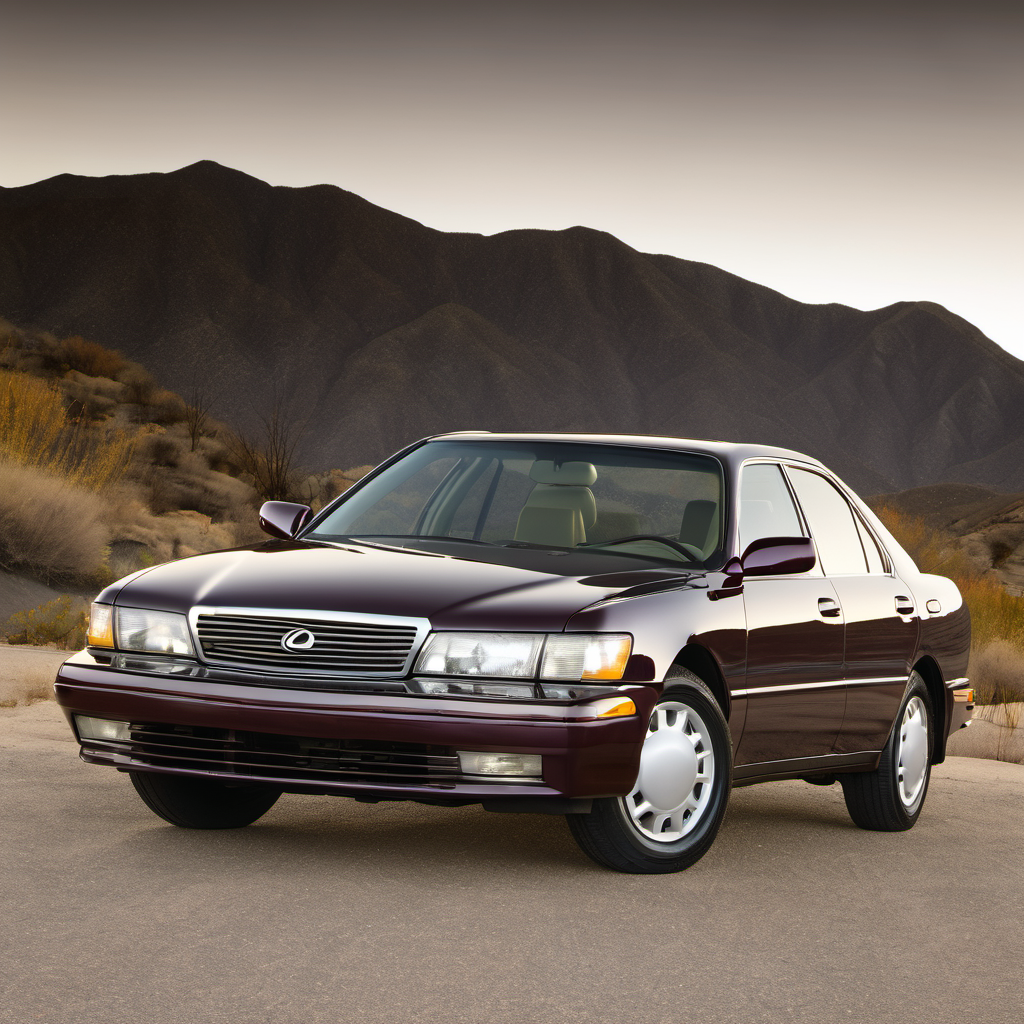
1993 Lexus ES 300
1993 Lexus
ES 300

If the goal is a reliable, comfortable compact/mid luxury sedan rather than a driver's car, the ES 300 of this era is far more forgiving to maintain and has a better long-term reliability track record, though it sacrifices the BMW's dynamic character entirely.

If you're shopping for one

Red flags
  • Rust perforation anywhere on the undercarriage, especially near the rear subframe — this can be a structural write-off.
  • Overheating history or a recently replaced head gasket with no explanation of root cause — the cooling system likely wasn't addressed.
  • Seller recently dropped the price significantly or is motivated to sell fast — on a 30-year-old BMW, that almost always means a known problem.
  • Freshly detailed engine bay on an old car with no service records — cleaning hides oil leaks and makes inspection harder.
  • Mismatched tire brands or severely worn tires — signals an owner who deferred even basic maintenance.
  • Check engine light on or recently cleared codes with no repair documentation.
What to inspect
  • Undercarriage: rocker panels, floor pans, and rear subframe mounting points for rust perforation — this is the single most important inspection point on any Wisconsin-titled E36.
  • Cooling system: squeeze hoses for brittleness, check expansion tank for cracks or cloudiness, look for white staining (coolant weeps) around hose connections.
  • Oil leaks: valve cover gasket, front and rear crankshaft seals, oil filter housing gasket. Some seepage is normal on a 30-year-old engine; active dripping is a negotiating point.
  • Drive the car cold from a true cold start — listen for timing chain rattle or VANOS chatter on initial startup that clears after warm-up.
  • All four power windows, sunroof (if equipped), and the HVAC blower — these are known failure points and replacement parts add up fast.
  • Service records: a car with no paperwork has been driven by someone who didn't care. Walk away or price accordingly.
  • Accident history via VIN report and physical inspection of panel gaps, paint texture inconsistencies, and straight frame rails under the hood.
AI profile generated 4 days ago · claude-sonnet-4-6 · v2.