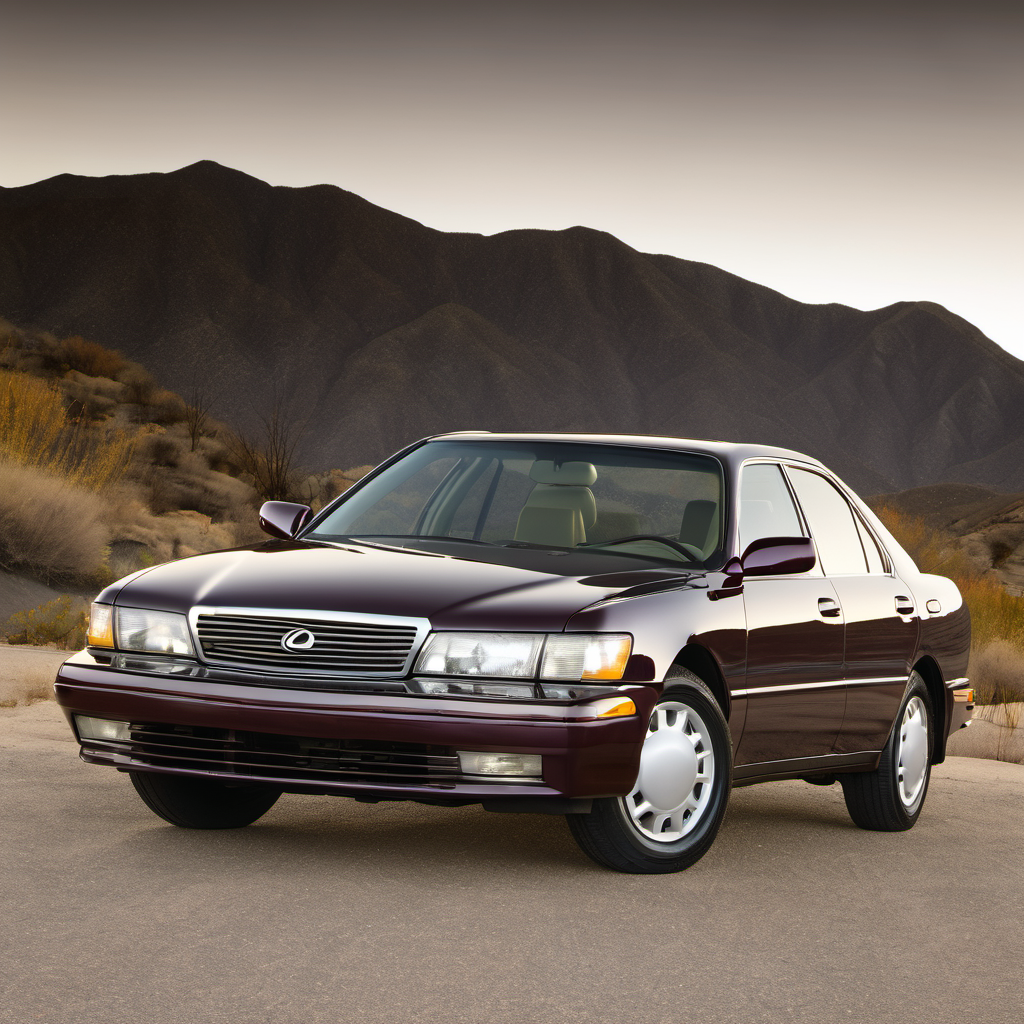
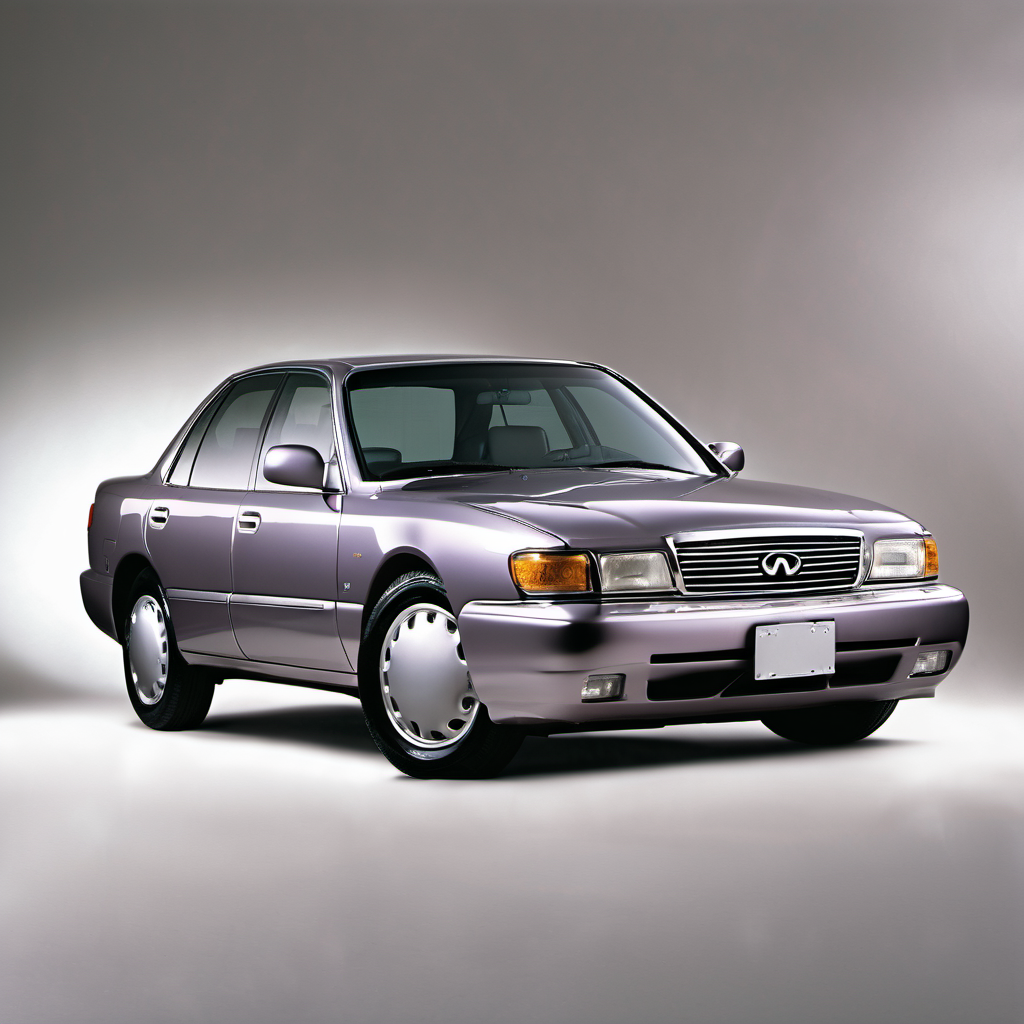
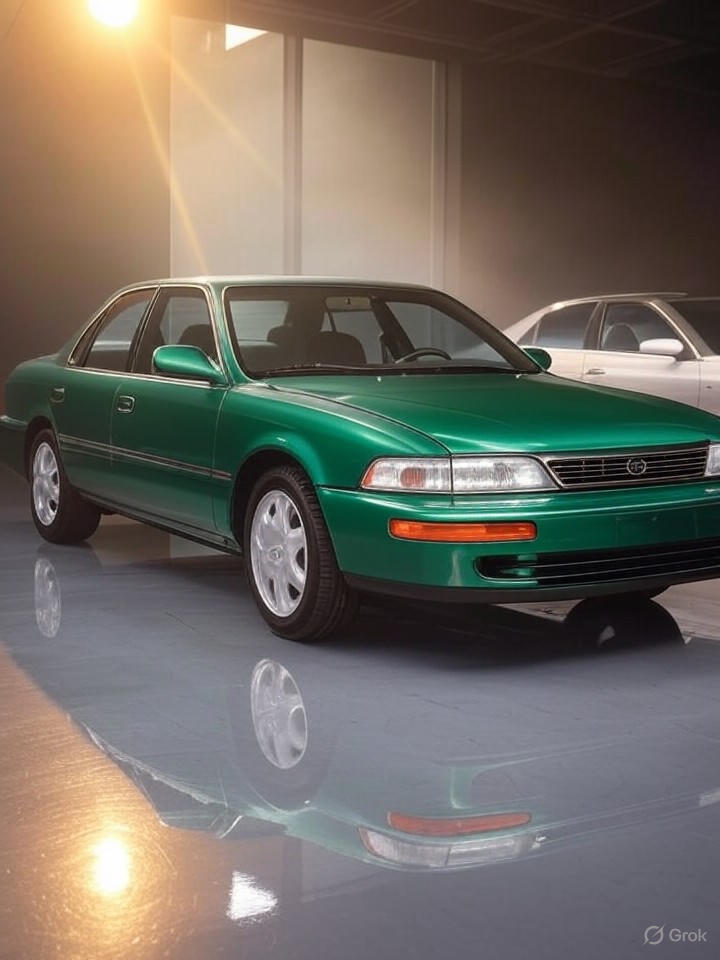
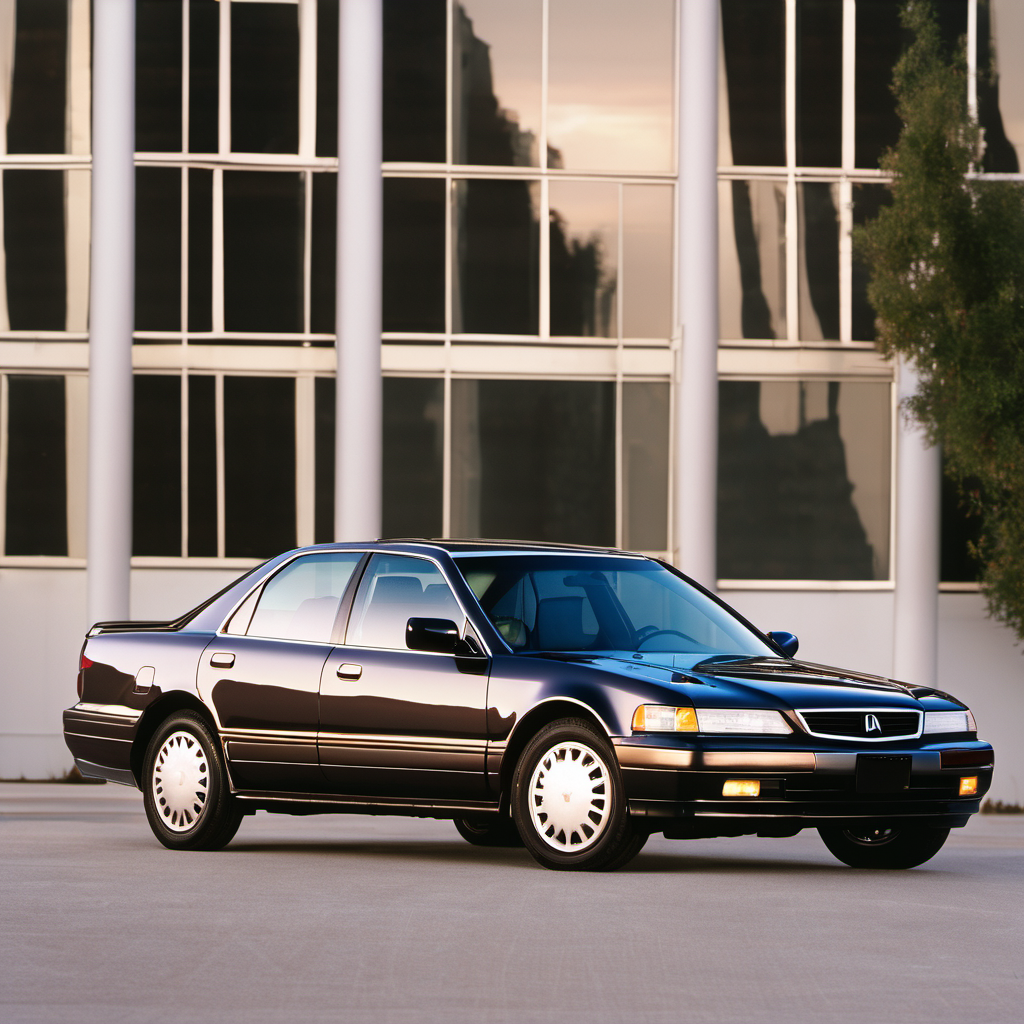
1993 Lexus ES Sedan

1993 Lexus

ESSedan

Sedan

The 1993 Lexus ES 300 is the second-generation ES (XV10 platform), a front-wheel-drive luxury sedan built on the same bones as the Toyota Camry but finished to a notably higher standard. It arrived with a smooth 3.0L 2VZ-FE V6, a refined interior, and a quiet ride that made it an immediate hit with buyers looking for European-style luxury at a more reasonable price. By 1993 this car was approaching the end of its second-generation run — the XV20 arrived for 1997 — so parts availability is still solid thanks to shared Toyota components. Build quality was excellent for the era, and many of these have survived well past 200k miles with attentive maintenance. For a 30-year-old luxury car it represents good value, but age-related wear is the real story now: rubber seals, cooling system components, and the automatic transmission deserve close attention on any example you're considering.

Reliability
4/5
Verified data
Specs shown for ES 300 — the most common configuration. Other trims may vary in engine, drivetrain, or fuel economy. Sign in to see your vehicle's exact specs.
Engine
[object Object]
Drivetrain
FWD
Fuel
Gasoline
MPG
16 city / 22 hwy / 18 combined
Seats
Doors
Body
Compact Cars

Overview

AI-curated

The 1993 Lexus ES 300 is the second-generation ES (XV10 platform), a front-wheel-drive luxury sedan built on the same bones as the Toyota Camry but finished to a notably higher standard. It arrived with a smooth 3.0L 2VZ-FE V6, a refined interior, and a quiet ride that made it an immediate hit with buyers looking for European-style luxury at a more reasonable price. By 1993 this car was approaching the end of its second-generation run — the XV20 arrived for 1997 — so parts availability is still solid thanks to shared Toyota components. Build quality was excellent for the era, and many of these have survived well past 200k miles with attentive maintenance. For a 30-year-old luxury car it represents good value, but age-related wear is the real story now: rubber seals, cooling system components, and the automatic transmission deserve close attention on any example you're considering.

Known for
  • Whisper-quiet cabin for its era
  • Shared Toyota platform means parts are affordable and available
  • Smooth, willing 3.0L V6 that ages well with clean oil
  • Plush ride quality tuned for comfort over sport
  • Strong long-term reliability when properly maintained
Best for
  • Buyers wanting affordable, low-drama luxury transportation
  • Owners comfortable with DIY or independent-shop maintenance
  • Highway commuters who prioritize refinement and comfort
  • First-time luxury car buyers on a budget
Watch for
  • Age-hardened rubber: coolant hoses, vacuum lines, and door seals all need inspection
  • Automatic transmission condition — fluid service history is critical at this age
  • Undercarriage rust from decades of road salt exposure in Wisconsin
  • Air conditioning system likely needs recharge or component work after 30 years
  • Deferred maintenance is common on older luxury cars; budget for catch-up work

Common issues by mileage

6 known

Coolant hose and radiator failure

high
Typically appears
Any mileage on a 30-year-old example
Estimated repair
$250 – $800

Automatic transmission fluid degradation / slipping

high
Typically appears
80k+ mi, or any neglected example
Estimated repair
$150 – $3,500

Power steering rack leak or pump wear

medium
Typically appears
100k+ mi
Estimated repair
$300 – $900

A/C system refrigerant loss and compressor wear

high
Typically appears
Any — age-related on all examples
Estimated repair
$200 – $1,200

Suspension bushing and strut deterioration

high
Typically appears
100k+ mi or any high-age example
Estimated repair
$400 – $1,400

Maintenance schedule

  1. 1
    Every 5,000 miles or 6 months Engine oil and filter change

    Clean oil is the single biggest factor in keeping this V6 alive past 200k. On a 30-year-old engine, shorter intervals help catch any early seal weeping.

  2. 2
    Every 2 years; inspect hoses every oil change Coolant flush and hose inspection

    Original or age-hardened hoses crack without warning. A coolant failure in a Wisconsin winter can strand you or crack the block. Replace proactively.

  3. 3
    Every 30,000 miles; immediately if history is unknown Automatic transmission fluid change

    The 4-speed auto on this car responds well to fresh fluid. Dark, burnt-smelling fluid is the number-one sign that expensive transmission work is coming.

  4. 4
    Every 60,000 miles or 5 years — check history immediately Timing belt replacement

    The 3.0L 2VZ-FE is an interference engine. A snapped timing belt means bent valves and a repair bill that can exceed the car's value. Confirm replacement history on any used purchase.

  5. 5
    Every 30,000 miles Spark plugs and ignition wires

    Worn plugs and cracked ignition wires are a common cause of rough running and poor fuel economy on this engine at high mileage.

  6. 6
    Every 2 years Brake fluid flush

    Brake fluid absorbs moisture over time, lowering the boiling point. Wisconsin winters demand confident, fade-free braking — don't skip this.

  7. 7
    Every fall before winter season Undercarriage inspection and rust treatment

    Decades of road salt in Wisconsin take a real toll. Inspect brake lines, fuel lines, and subframe mounting points for corrosion every year.

  8. 8
    Every fall; replace if 4+ years old Battery load test

    Sub-zero temperatures crush a marginal battery's cranking amps. A 30-year-old car with an unknown battery history is high-risk for a cold-morning no-start.

Always defer to the manufacturer's service manual for warranty-mandated intervals.

Cost of ownership

Annual maintenance
$600 – $1,800
Fuel
At 18 MPG combined and ~12,000 miles/year, expect roughly $1,400–$1,700/year at current Midwest gas prices. Premium fuel is not required.
Insurance
Typically low — this is a 30-year-old luxury sedan with modest market value. Expect $600–$1,000/year for full coverage depending on driving record and ZIP code.

Day-to-day costs are modest for a luxury car. The main financial risk is deferred maintenance catching up — particularly timing belt, transmission, and cooling system work. A well-maintained example is genuinely cheap to run; a neglected one can surprise you with $2,000–$4,000 in catch-up repairs in year one.
Seasonal care

Lake Geneva, WI
Winter
  • Load-test the battery every fall — sub-zero cranking on a weak battery is how these end up stranded in a Lake Geneva parking lot in January.
  • Switch to a full-synthetic 5W-30 if not already used; it flows better at cold startup and protects the V6 during those first few seconds of -10°F mornings.
  • Fill the washer reservoir with rated -20°F or lower fluid — the stock reservoir is not heated and slush on the windshield is a real safety issue at highway speed.
  • Inspect brake lines and fuel lines for rust and pinhole corrosion before winter; road salt accelerates failures on any 30-year-old car.
  • Keep the gas tank at least half full to reduce condensation in the fuel system and add weight over the front wheels in slick conditions.
  • Install dedicated winter tires — this is a FWD sedan with 1990s traction control (none). Proper rubber makes a dramatic difference on snowy Wisconsin roads.
Summer
  • Check coolant concentration and hose condition before summer heat arrives — an aging cooling system that manages Wisconsin winters can still fail in July stop-and-go traffic.
  • Inspect and recharge the A/C system if needed; R-134a retrofits from the original R-12 are common on this vintage and fittings can weep over time.
  • Check tire pressure monthly — every 10°F rise in temperature adds about 1 PSI, and over-inflated tires on hot pavement reduce grip and wear unevenly.
  • Park in shade when possible; the interior plastics and leather on a 30-year-old car are brittle and UV exposure accelerates cracking.

Comparable vehicles

If you're shopping for one

Red flags
  • Any sign of coolant in the oil (milky dipstick) or white exhaust smoke — head gasket or worse.
  • Transmission that hesitates, slips between gears, or has no service history; a rebuild on this unit can cost more than a low-mileage replacement car.
  • Frame or subframe rust that is structural — not just surface scale but actual pitting or perforation of metal.
  • Evidence of flood damage: musty smell, corrosion on connectors under the dash, staining on carpet backing.
  • A check engine light with no explanation from the seller — at this age it often signals ignored deferred maintenance.
  • Odometer rollback: look for mismatched wear on pedals, steering wheel, and seat bolster versus the claimed mileage.
What to inspect
  • Pull the timing belt cover or confirm replacement records — this is a non-negotiable check on any example given the interference engine design.
  • Check transmission fluid color and smell on the dipstick; dark brown or burnt fluid means the transmission has been neglected.
  • Inspect all coolant hoses by squeezing — they should feel firm and pliable, not hard and brittle or spongy.
  • Look under the car for rust on brake lines, fuel lines, and the subframe, especially where they pass through the rocker panel area — 30 Wisconsin winters leave marks.
  • Run the A/C for 10 minutes and confirm cold air; if it blows warm, budget for refrigerant service or compressor work.
  • Check power steering fluid level and look for leaks at the rack — steering rack replacements are the priciest common repair on this platform.
AI profile generated 4 days ago · claude-sonnet-4-6 · v2.