Timing Belt Failure (Interference Engine)
high- Typically appears
- 60–80k mi intervals (or every 4–5 years by age)
- Estimated repair
- $350 – $600
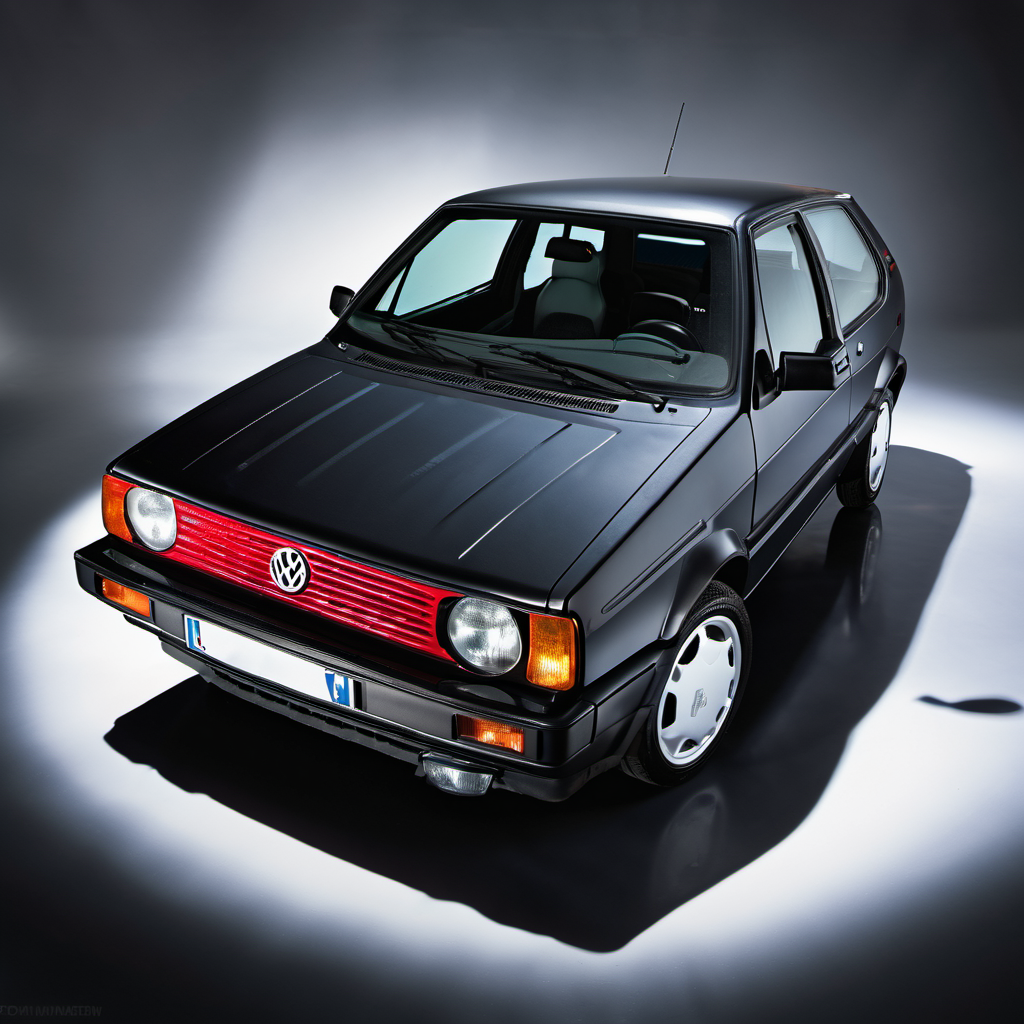
1992 Volkswagen
2.0L I4 (8-valve) · Hatchback
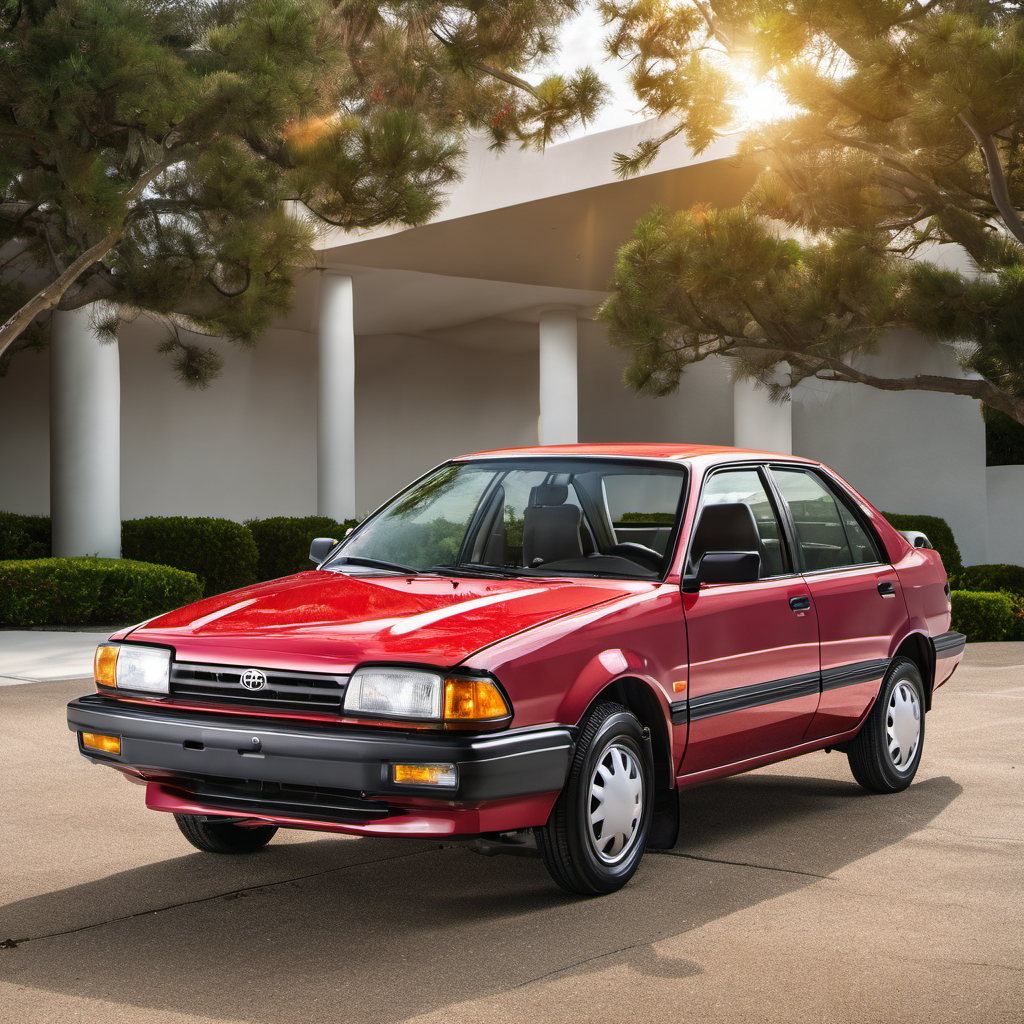
The 1992 Volkswagen GTI is the third-generation (Mk2/Mk3 transition era) hot hatch that helped define the affordable sport-compact segment in America. This particular model year sits at the launch of the Mk3 platform in the U.S., offering a more refined, slightly heavier body over the beloved Mk2, with a focus on tighter fit-and-finish and improved passive safety. It packed a peppy 2.0L 8-valve inline-4 backed by a slick 5-speed manual, front-wheel drive, and a sport-tuned suspension that made it genuinely fun to drive without the fuel or maintenance bill of a sports car. At 30-plus years old, any surviving 1992 GTI is a collector-adjacent driver. The enthusiast community is strong — parts support from VW specialists and the aftermarket is still solid for Mk3-generation components. That said, age-related wear, deferred maintenance, and rust are the primary concerns on any example you'll find today. In Lake Geneva's climate, rust is the number-one enemy of this car. Wisconsin road salt has taken out the floorpans, rocker panels, and subframe mounts on a large percentage of Midwestern examples. A clean, rust-free body is the single most important thing to verify before buying.
The 1992 Volkswagen GTI is the third-generation (Mk2/Mk3 transition era) hot hatch that helped define the affordable sport-compact segment in America. This particular model year sits at the launch of the Mk3 platform in the U.S., offering a more refined, slightly heavier body over the beloved Mk2, with a focus on tighter fit-and-finish and improved passive safety. It packed a peppy 2.0L 8-valve inline-4 backed by a slick 5-speed manual, front-wheel drive, and a sport-tuned suspension that made it genuinely fun to drive without the fuel or maintenance bill of a sports car. At 30-plus years old, any surviving 1992 GTI is a collector-adjacent driver. The enthusiast community is strong — parts support from VW specialists and the aftermarket is still solid for Mk3-generation components. That said, age-related wear, deferred maintenance, and rust are the primary concerns on any example you'll find today. In Lake Geneva's climate, rust is the number-one enemy of this car. Wisconsin road salt has taken out the floorpans, rocker panels, and subframe mounts on a large percentage of Midwestern examples. A clean, rust-free body is the single most important thing to verify before buying.
This is an interference engine — a broken belt means bent valves and a destroyed engine. At 30+ years old, replace on a time basis even if mileage is low. Always do the water pump at the same time.
The original plastic coolant flanges and hoses are extremely brittle at this age. Inspect every fitting and hose; proactively replace plastic components with aluminum or silicone upgrades before they strand you.
The 2.0L 8V tolerates a range of oils, but frequent changes are cheap insurance on a 30-year-old engine. Use a quality conventional or synthetic 5W-40 per VW spec.
Nearly universal at this age. Oil dripping onto exhaust components is a fire risk; don't defer this repair.
Brake fluid absorbs moisture over time, lowering its boiling point and promoting internal corrosion. Wisconsin's winter salt environment accelerates this on brake lines and calipers.
Lake Geneva roads are heavily salted. Inspect subframe mounts, floorpan seams, and rocker panels every year. Apply cavity wax or rust inhibitor to exposed areas before snow season.
Aged O2 sensors cause poor fuel trim, rough idle, and increased fuel consumption. Replacement is straightforward and keeps the engine running cleanly.
Cold Wisconsin winters are brutal on aging batteries. A battery that starts the car fine in September can fail at -10°F in January. Test before the cold season hits.
Always defer to the manufacturer's service manual for warranty-mandated intervals.
Day-to-day running costs are modest — fuel and routine consumables are cheap. The wild card is age-related repairs: coolant system overhauls, rust remediation, and electrical work can push annual costs well above average in a bad year. Budget a repair reserve on top of routine maintenance, especially in the first year of ownership while you learn what the car needs.
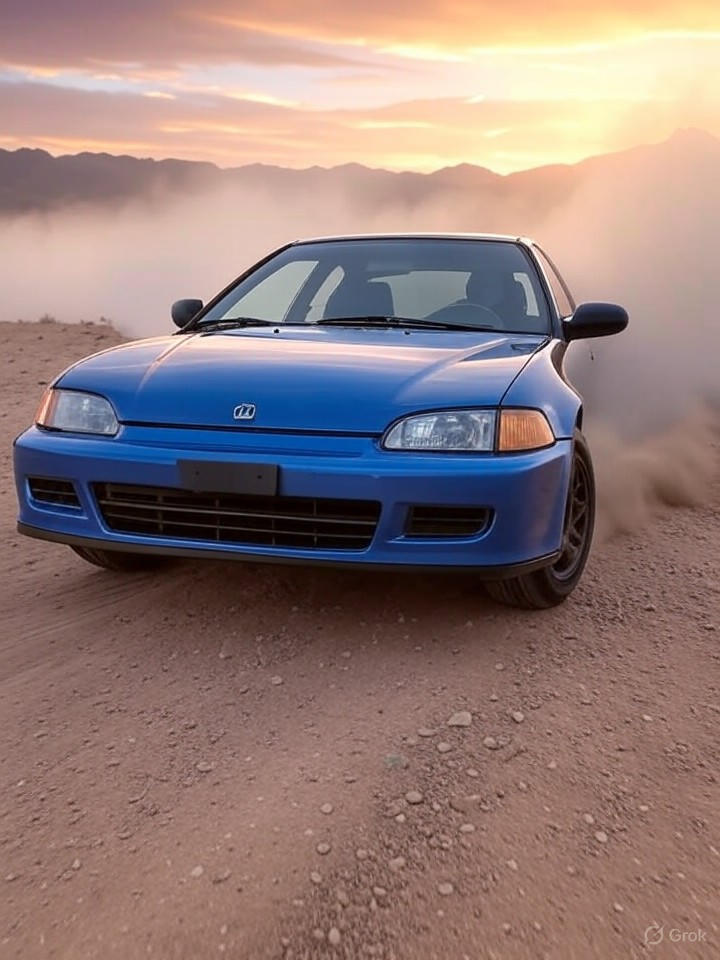
Same affordable sport-compact segment, similar FWD hatchback format and displacement; generally easier to find rust-free Midwestern examples with better parts availability.
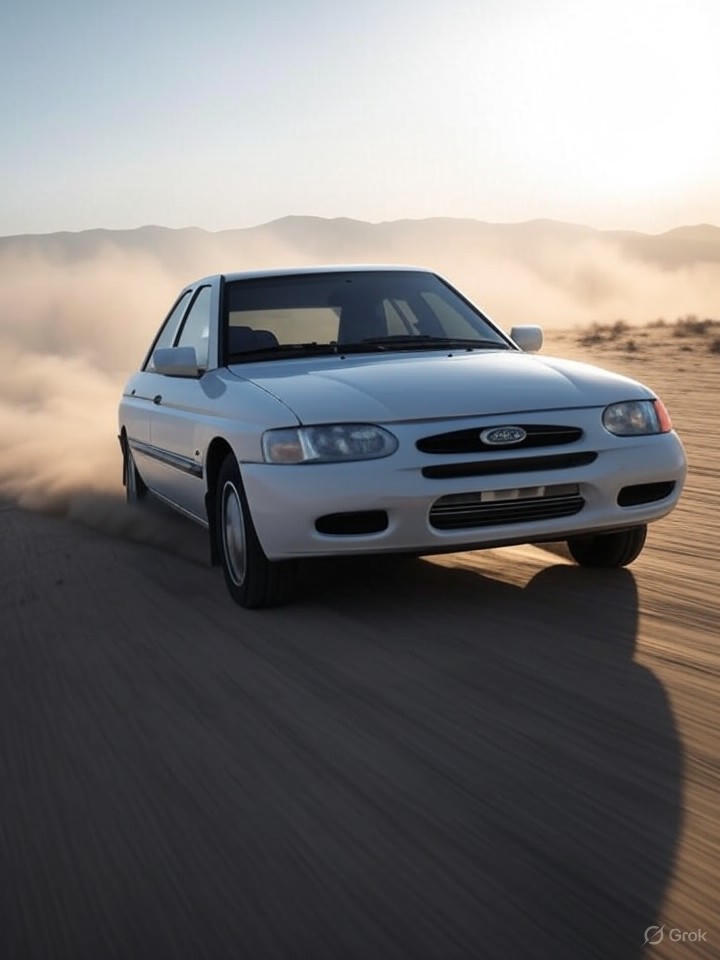
Budget-tier sport hatch from the same era; less involving to drive but simpler mechanically and easier to source parts for in the U.S.
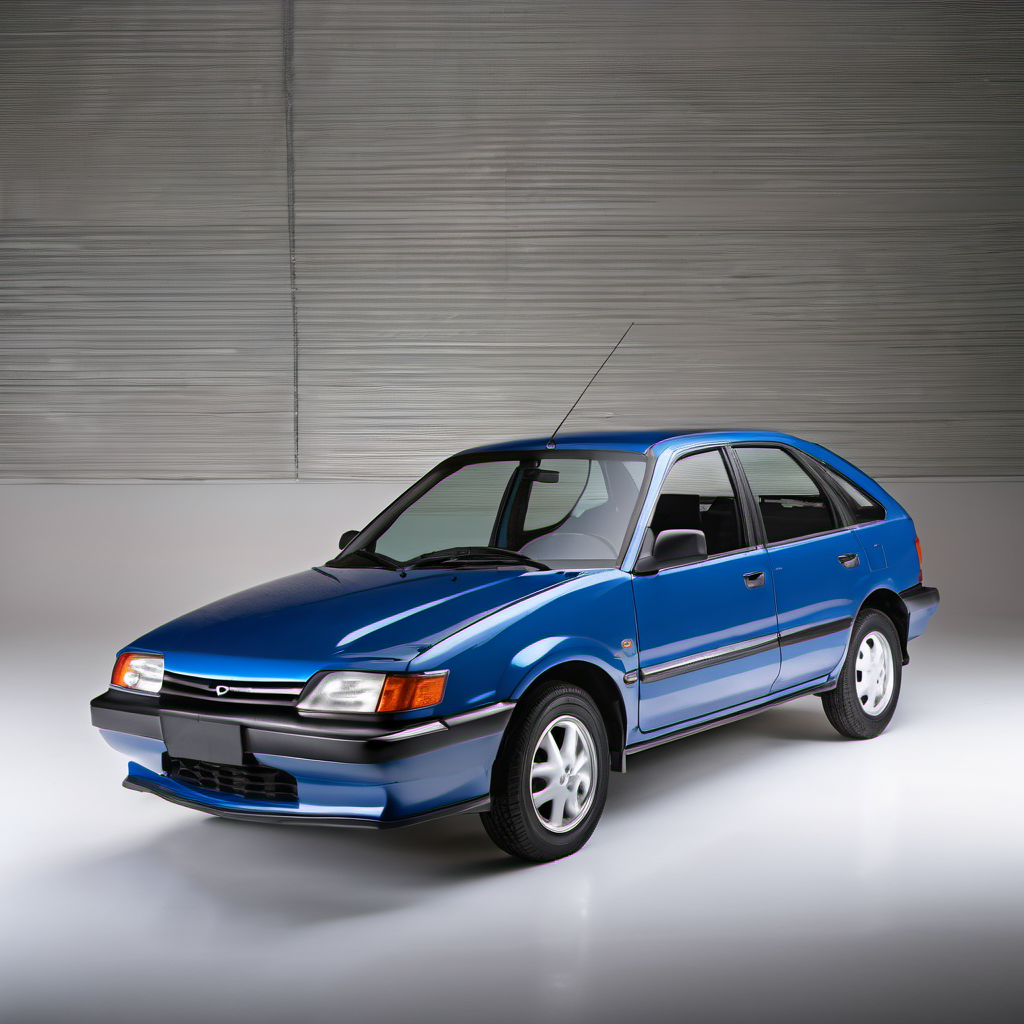
Similar compact FWD hatchback with Mazda's reputation for mechanical durability; comparable fun-to-drive character at a similar price point.
Same compact segment and era; significantly more reliable long-term, though less sporty — a sensible alternative if pure driving engagement is less important than dependability.