Rust — rockers, rear arches, and floor pans
high- Typically appears
- All mileages on salt-belt cars
- Estimated repair
- $500 – $3,500
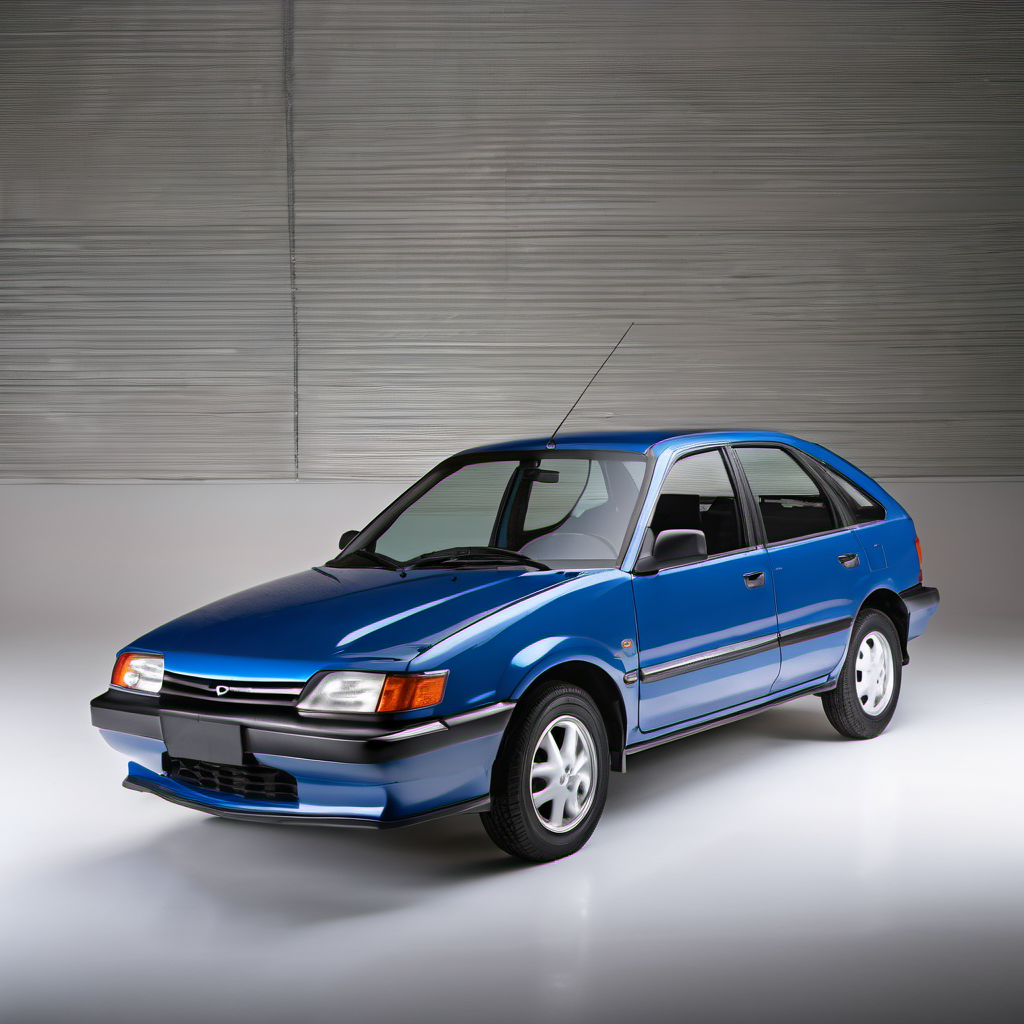
1992 MAZDA
Hatchback
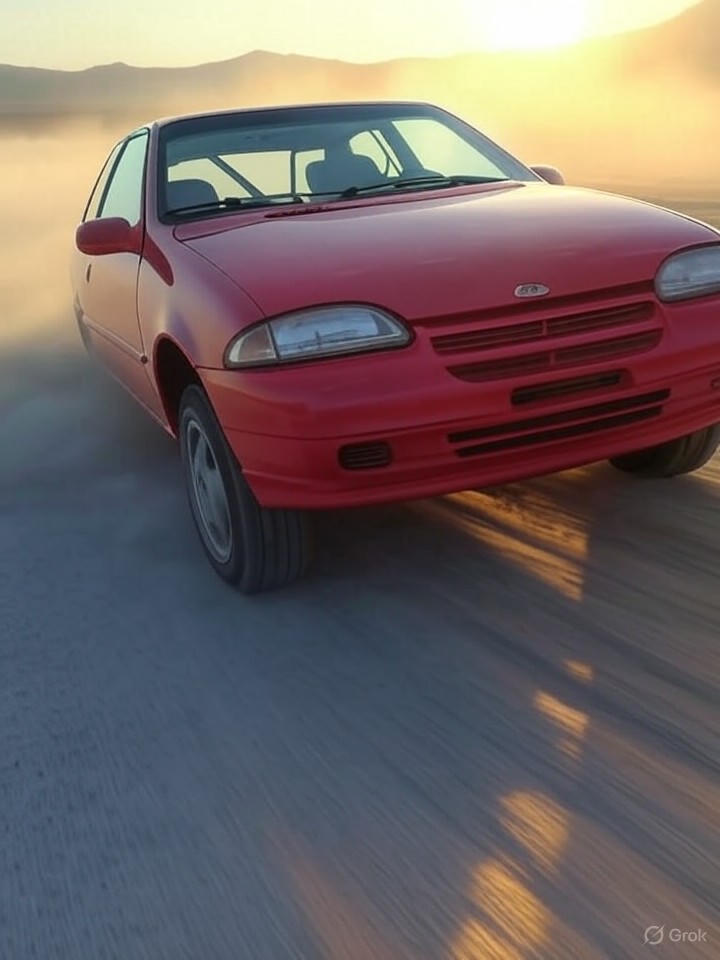
The 1992 Mazda 323 Hatchback is a compact, front-wheel-drive economy car built on Mazda's BG platform. Powered by a 1.6L four-cylinder engine, it was designed squarely around low running costs and urban maneuverability — not performance. By 1992 the 323 nameplate was winding down in the U.S., making this one of the final model years before Mazda consolidated its lineup around the Protegé. These cars earned a reputation for being mechanically simple and easy to work on, which kept ownership costs low when they were maintained. The light curb weight (around 2,100 lbs) means even the modest 82 hp engine feels adequate in city driving. Rust is the primary enemy of surviving examples — the BG platform's thin sheetmetal and rocker panels are notorious for corrosion, especially in salt-belt states like Wisconsin. At 30+ years old, any survivor is effectively a vintage vehicle. Parts availability has thinned considerably, and finding a clean, rust-free example is the real challenge. For someone who can do their own wrenching or has a trusted independent shop, a well-preserved 323 can still be a reliable and cheap-to-run daily driver.
The 1992 Mazda 323 Hatchback is a compact, front-wheel-drive economy car built on Mazda's BG platform. Powered by a 1.6L four-cylinder engine, it was designed squarely around low running costs and urban maneuverability — not performance. By 1992 the 323 nameplate was winding down in the U.S., making this one of the final model years before Mazda consolidated its lineup around the Protegé. These cars earned a reputation for being mechanically simple and easy to work on, which kept ownership costs low when they were maintained. The light curb weight (around 2,100 lbs) means even the modest 82 hp engine feels adequate in city driving. Rust is the primary enemy of surviving examples — the BG platform's thin sheetmetal and rocker panels are notorious for corrosion, especially in salt-belt states like Wisconsin. At 30+ years old, any survivor is effectively a vintage vehicle. Parts availability has thinned considerably, and finding a clean, rust-free example is the real challenge. For someone who can do their own wrenching or has a trusted independent shop, a well-preserved 323 can still be a reliable and cheap-to-run daily driver.
The B6 is an interference engine — a snapped belt means bent valves and a very expensive repair. On a 30-year-old car, replace by age even if mileage is low.
Older engines with worn seals benefit from more frequent changes. Use a conventional or high-mileage oil appropriate for the climate.
30-year-old rubber hoses are failure-prone. A coolant failure in sub-zero Wisconsin temperatures can quickly cause engine damage.
Salt accelerates corrosion rapidly on BG-platform 323s. Catching surface rust early with rust converter and undercoating can extend the car's life significantly.
Torn boots let grit into the joint. Replacing just the boot early is far cheaper than replacing the entire axle after the joint fails.
The small engine requires a strong battery for cold cranking. A marginal battery that starts fine in September will often fail at -10°F in January.
On a distributor-based ignition system this old, fresh ignition components ensure reliable cold starts and prevent misfires.
Brake fluid absorbs moisture over time, lowering its boiling point. Steel brake lines on salt-road cars are also prone to rust-through — a safety-critical failure point.
Always defer to the manufacturer's service manual for warranty-mandated intervals.
Day-to-day ownership is cheap. Fuel, insurance, and routine maintenance are all minimal. The financial risk on a car this age is a single large repair — a timing belt failure, rust remediation, or finding an obsolete part. Budget a contingency fund for unexpected repairs rather than counting on a predictable maintenance schedule.
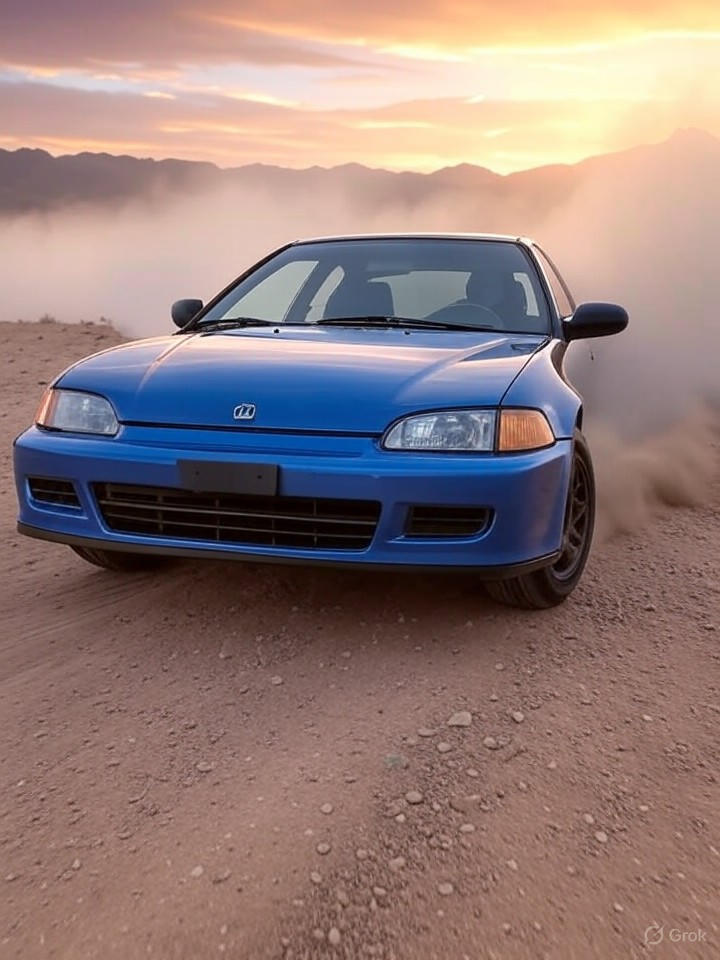
Same era, same mission — economy FWD hatchback with a reputation for longevity. Better parts availability and a larger owner community than the 323, but rust is just as big a concern on surviving examples.
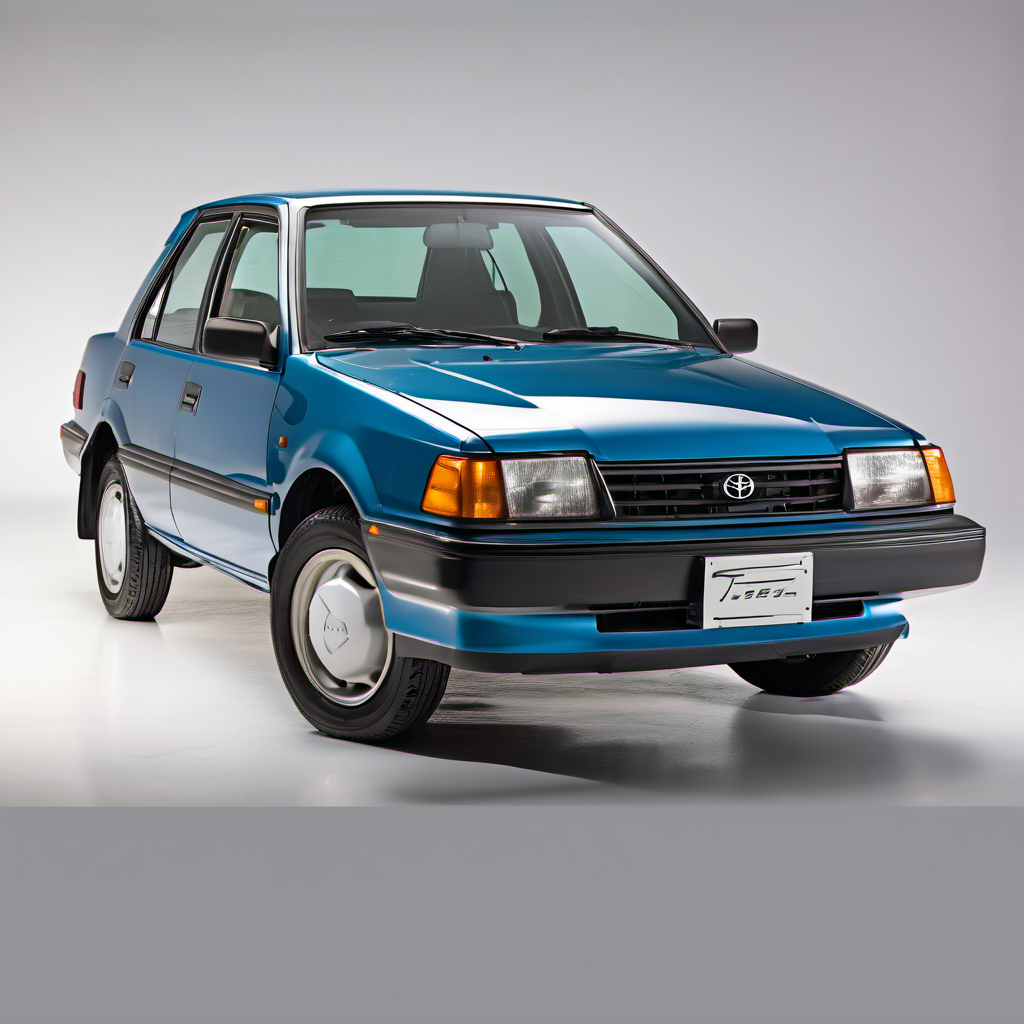
Direct competitor in the budget compact segment. Slightly simpler mechanically, similar fuel economy, and similar rust vulnerabilities on upper-Midwest survivors.
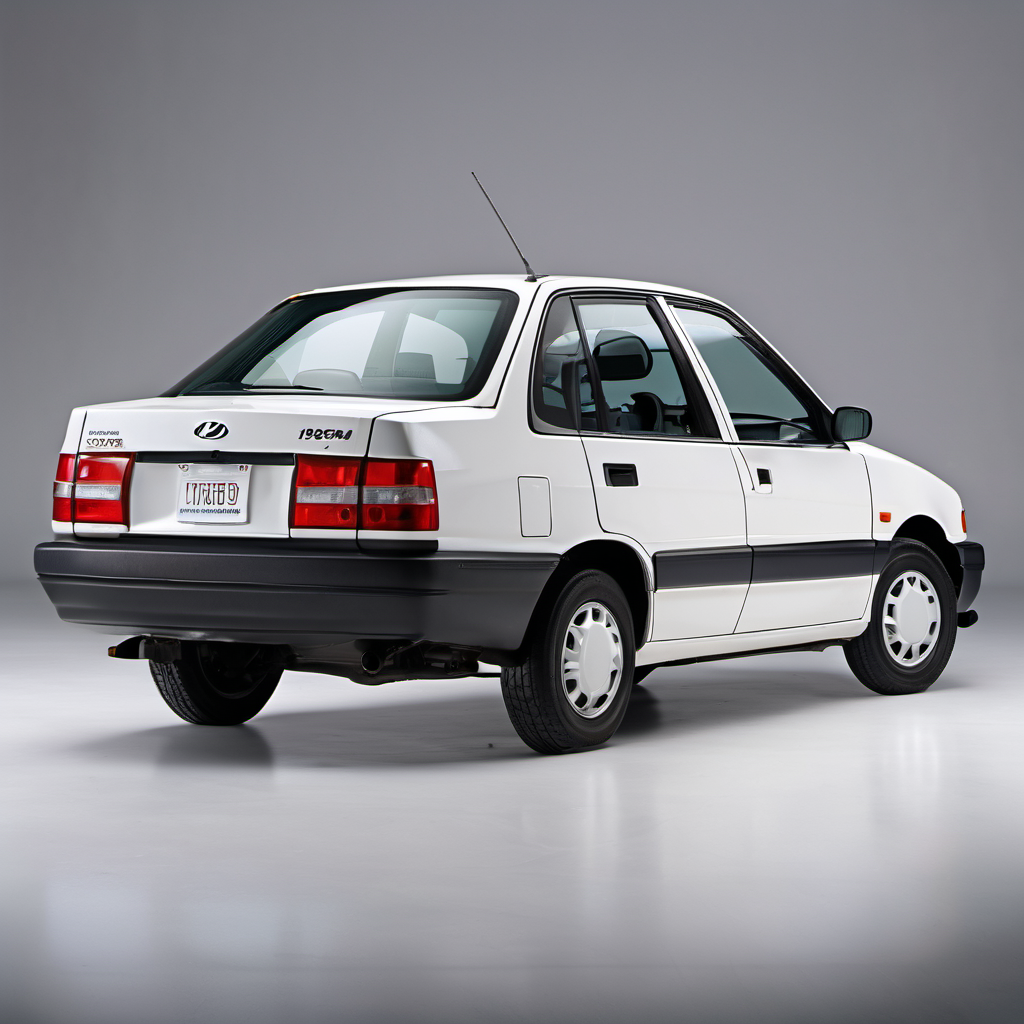
Occupied the same price and size class, though the Excel had notably weaker long-term reliability than the 323. Useful as a comparison point for what the 323 did better.
Another bare-bones economy hatchback from the same era with a similar ownership profile — ultra-low running costs, simple mechanicals, and rust as the primary threat to survival.