Timing belt failure
high- Typically appears
- Any mileage — age/time matters as much as miles
- Estimated repair
- $180 – $350
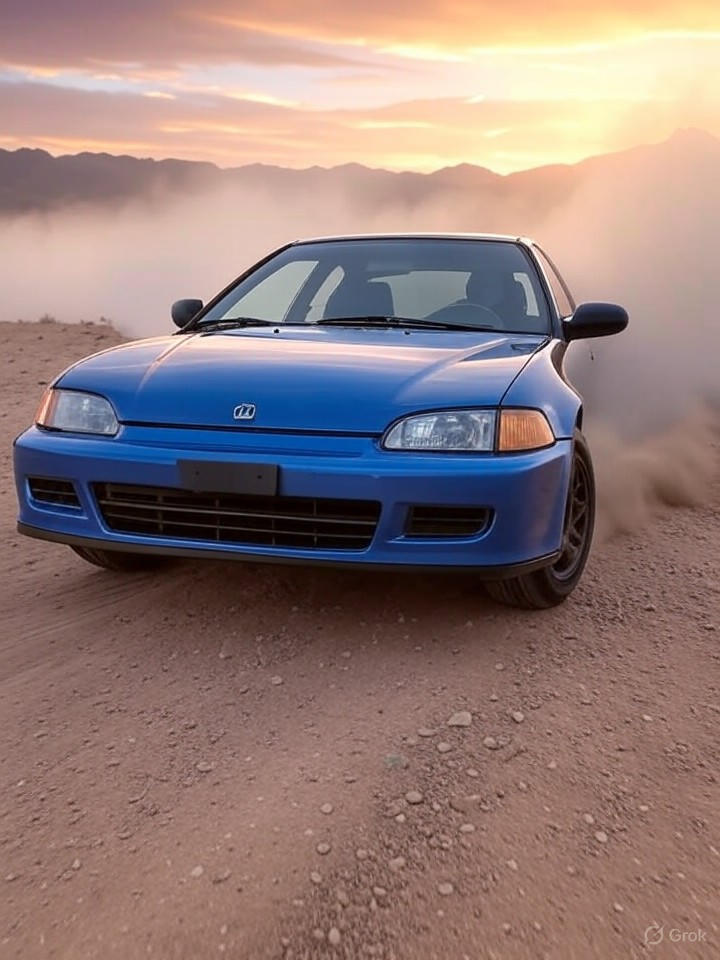
1992 Honda
Hatchback
The 1992 Honda Civic Hatchback is a fifth-generation Civic (EG chassis), widely regarded as one of the most reliable and practical economy cars of its era. Lightweight, fuel-efficient, and easy to work on, it became a staple of budget-conscious commuters and enthusiasts alike. At 30+ years old, surviving examples have almost always been heavily used, modified, or both — condition varies wildly. The 5th-gen hatch came in CX, DX, and Si trims, with the CX being the most stripped-down and the Si carrying the sportier D16Z6 VTEC engine. Most examples you'll encounter today are high-mileage survivors. The good news: Honda's D-series engines are legendarily durable if the oil was changed and the timing belt was serviced. The bad news: at this age, deferred maintenance and rust are the real threats, not the drivetrain. For a Lake Geneva-area buyer, rust is the single biggest concern. Wisconsin road salt is brutal, and a 30+ year old unibody Civic that spent its life here may have serious structural and floor pan corrosion. Any purchase must include a thorough undercarriage inspection.
The 1992 Honda Civic Hatchback is a fifth-generation Civic (EG chassis), widely regarded as one of the most reliable and practical economy cars of its era. Lightweight, fuel-efficient, and easy to work on, it became a staple of budget-conscious commuters and enthusiasts alike. At 30+ years old, surviving examples have almost always been heavily used, modified, or both — condition varies wildly. The 5th-gen hatch came in CX, DX, and Si trims, with the CX being the most stripped-down and the Si carrying the sportier D16Z6 VTEC engine. Most examples you'll encounter today are high-mileage survivors. The good news: Honda's D-series engines are legendarily durable if the oil was changed and the timing belt was serviced. The bad news: at this age, deferred maintenance and rust are the real threats, not the drivetrain. For a Lake Geneva-area buyer, rust is the single biggest concern. Wisconsin road salt is brutal, and a 30+ year old unibody Civic that spent its life here may have serious structural and floor pan corrosion. Any purchase must include a thorough undercarriage inspection.
At 30+ years old, if you don't have documented proof of replacement, treat it as overdue immediately. Belt failure on some D-series variants can bend valves.
Old seals and worn tolerances on a high-mileage engine benefit from fresh oil more frequently than modern vehicles. Use the shorter interval if the car sees mostly short trips.
Old Honda cooling systems are prone to acidic coolant eating aluminum components. Fresh coolant protects the radiator and head gasket.
The distributor is a known wear item on this generation. Fresh ignition components prevent hard starts and misfires, especially in cold Wisconsin winters.
Torn boots let grease escape and allow grit in, leading to rapid CV joint failure. Catch it early and you can repack rather than replace.
Brake fluid absorbs moisture over time, lowering boiling point. On an older vehicle, this is especially important before winter when braking demands increase.
Wisconsin road salt accelerates floor pan, rocker, and subframe corrosion. Catching rust early (treat or weld) is far cheaper than structural repairs later.
The original-spec electrical system and small battery are sensitive to cold. A marginal battery that starts fine in October will likely fail in January in Lake Geneva.
Always defer to the manufacturer's service manual for warranty-mandated intervals.
This is one of the cheapest cars to own if it's already rust-free and well-maintained. Parts are inexpensive and widely available. The risk is sinking $800–$2,500+ into rust repairs or a neglected drivetrain on a car worth $1,500–$4,000 at best. Vet the condition thoroughly before buying, and annual costs can be very low. Buy a rough one and the math gets ugly fast.

Same era, same mission — reliable FWD economy car with a proven 4-cylinder. Comparable reliability reputation, similar parts availability, slightly larger cabin.
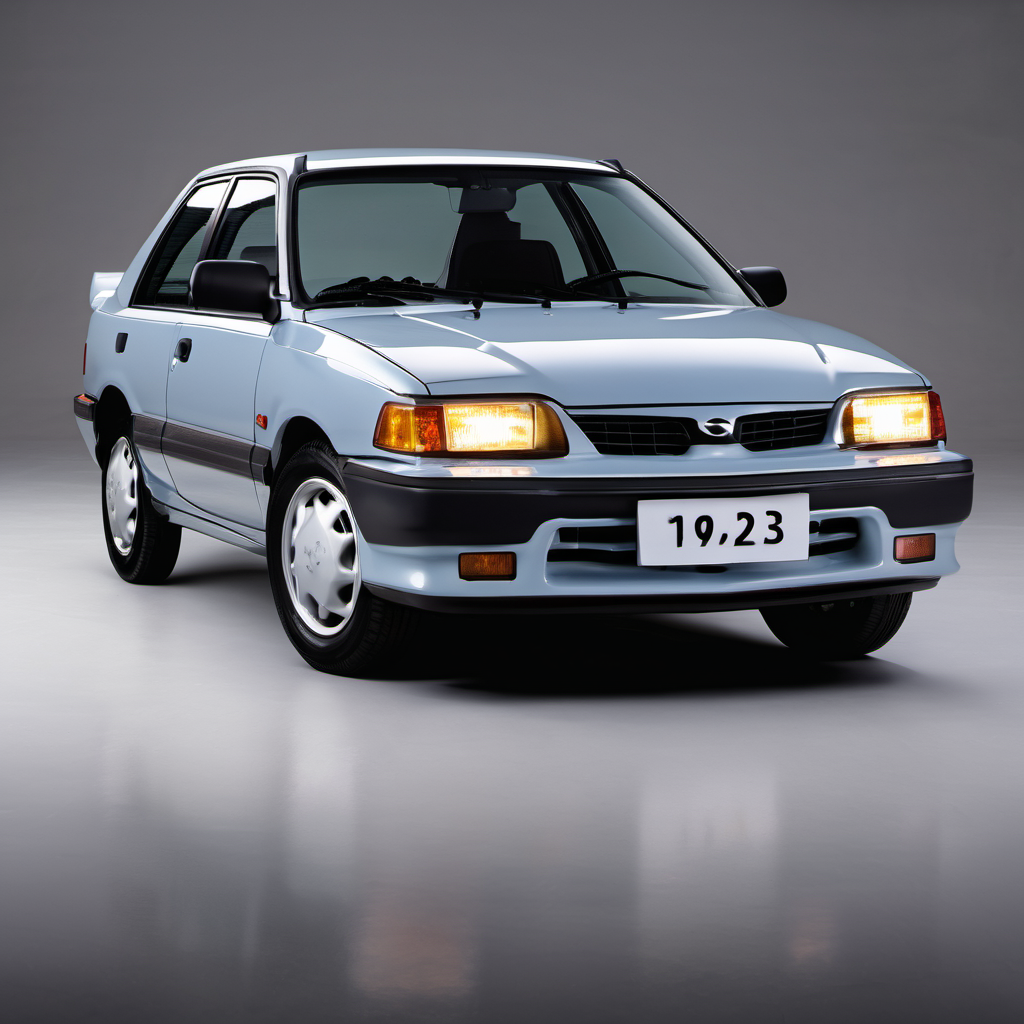
Lightweight FWD hatchback from the same period. Less common, so parts can be harder to find, but similarly simple and durable mechanically.
Budget FWD compact from the same era. Rust-resistant polymer body panels are actually an advantage in Wisconsin, though the drivetrain isn't as proven as Honda's.
No catalog match
Even lighter and more fuel-efficient FWD hatchback at a similar price point. Simpler mechanically but smaller and less refined than the Civic.