Rust — floor pans, rockers, and rear wheel arches
high- Typically appears
- All mileages on salt-belt cars
- Estimated repair
- $800 – $4,000
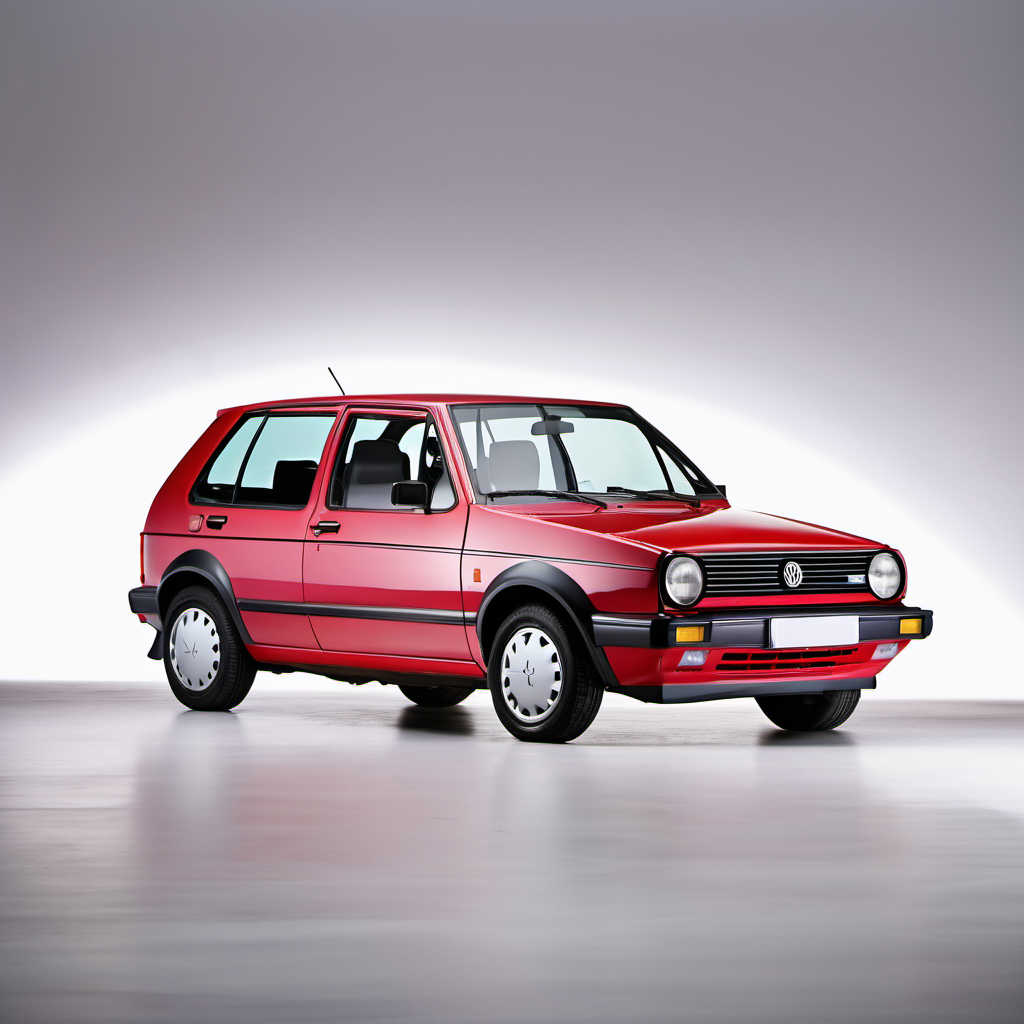
1992 Volkswagen
2.0L I4 (ABA) · Hatchback
The 1992 Volkswagen Golf (Mk2/Mk3 transition era) is a compact, front-wheel-drive hatchback that earned a loyal following for its solid European build quality, punchy small engines, and practical two- or four-door body. By 1992, North American Golfs were transitioning into the Mk3 generation, offering a more refined interior and updated suspension over the outgoing Mk2. These cars were assembled with tighter tolerances than most Japanese or domestic competitors of the era, and many survivors are still on the road today thanks to the 1.8L or 2.0L four-cylinder engines that respond well to basic maintenance. At 30-plus years old, any surviving 1992 Golf is now a vintage car, not a daily driver in the traditional sense. Parts availability has thinned for some body and trim components, but mechanical pieces — especially for the 2.0L ABA engine — remain relatively accessible through specialty VW suppliers. Expect to do work on rubber, cooling, and fuel systems on any example you encounter. For Lake Geneva owners, rust is the single biggest enemy of this generation. Wisconsin road salt attacks Mk2/Mk3 floor pans, rocker panels, and rear wheel arches aggressively. A clean, rust-free body is worth more than any mechanical fix.
The 1992 Volkswagen Golf (Mk2/Mk3 transition era) is a compact, front-wheel-drive hatchback that earned a loyal following for its solid European build quality, punchy small engines, and practical two- or four-door body. By 1992, North American Golfs were transitioning into the Mk3 generation, offering a more refined interior and updated suspension over the outgoing Mk2. These cars were assembled with tighter tolerances than most Japanese or domestic competitors of the era, and many survivors are still on the road today thanks to the 1.8L or 2.0L four-cylinder engines that respond well to basic maintenance. At 30-plus years old, any surviving 1992 Golf is now a vintage car, not a daily driver in the traditional sense. Parts availability has thinned for some body and trim components, but mechanical pieces — especially for the 2.0L ABA engine — remain relatively accessible through specialty VW suppliers. Expect to do work on rubber, cooling, and fuel systems on any example you encounter. For Lake Geneva owners, rust is the single biggest enemy of this generation. Wisconsin road salt attacks Mk2/Mk3 floor pans, rocker panels, and rear wheel arches aggressively. A clean, rust-free body is worth more than any mechanical fix.
Plastic and rubber cooling components on 30-year-old cars are well past service life. Overheating damage on the ABA engine is expensive.
Aged rubber vacuum lines crack and collapse, causing rough idle, stalling, and poor fuel economy on these older VW fuel systems.
30-year-old fuel system rubber is brittle. Fuel leaks are a fire risk and a common failure point on this generation.
Older VW engines tolerate neglect poorly. Frequent oil changes are cheap insurance on a car this age.
Salt and moisture seize hinges and latches. Grease prevents the stuck-door headaches common on aged European cars in Wisconsin winters.
Lake Geneva road salt is the primary killer of this generation Golf. Catching surface rust early and sealing it prevents structural damage.
The 2.0L ABA is an interference engine. A snapped belt means bent valves and a very expensive repair.
Cold Wisconsin winters demand a strong battery. Older German cars draw more parasitic current on aging electrical systems, and sub-zero cranking will expose any weak cell.
Always defer to the manufacturer's service manual for warranty-mandated intervals.
Day-to-day fuel and insurance costs are low, but a 30-year-old European car requires a meaningful maintenance budget. Budget $600/year minimum for routine items; plan for $1,500–$2,000 in years when age-related parts (cooling, fuel system, suspension bushings) need attention. Rust repair can be a major one-time expense depending on the car's history.
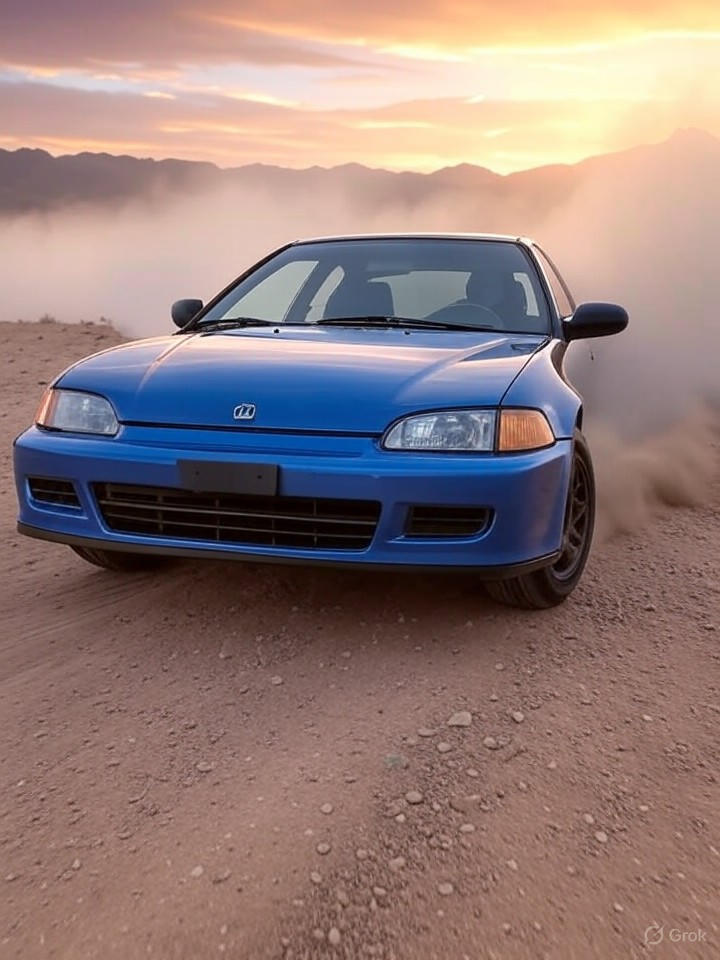
Same compact hatchback segment, similar price point, more parts availability, and arguably better rust resistance — a common cross-shop for practical small-car buyers.

Reliable compact with strong parts support; slightly less sporty feel but easier and cheaper to maintain at this age, making it a practical alternative.
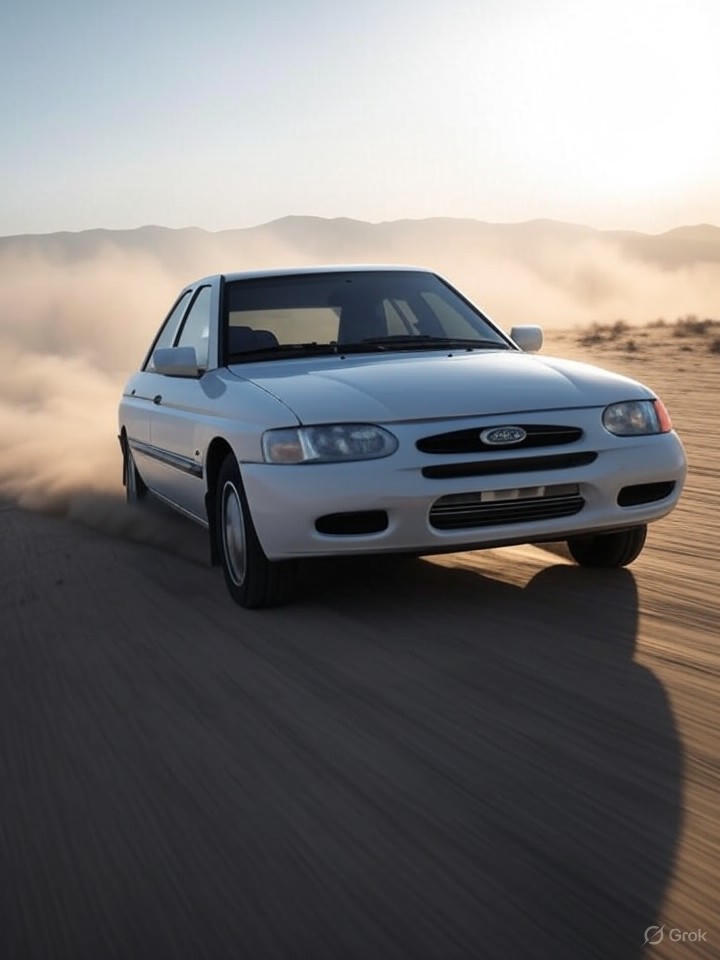
Budget competitor in the same segment; much lower parts cost but significantly less build quality and driving refinement than the Golf.
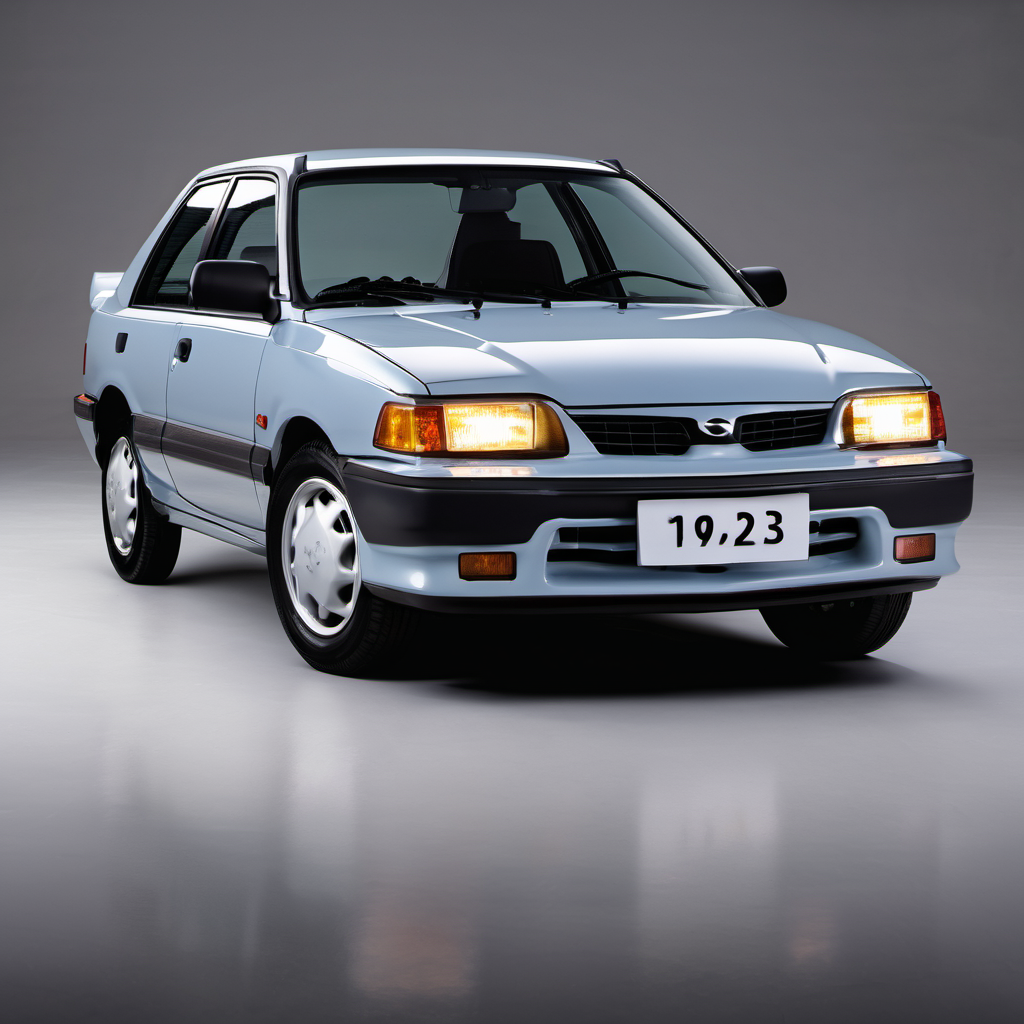
Similar sporty compact hatchback with strong reliability and good driver engagement — shares the Golf's appeal to enthusiasts without the European-parts hunting.