G60 Supercharger (G-Lader) Wear and Failure
high- Typically appears
- 60–120k mi
- Estimated repair
- $600 – $2,000
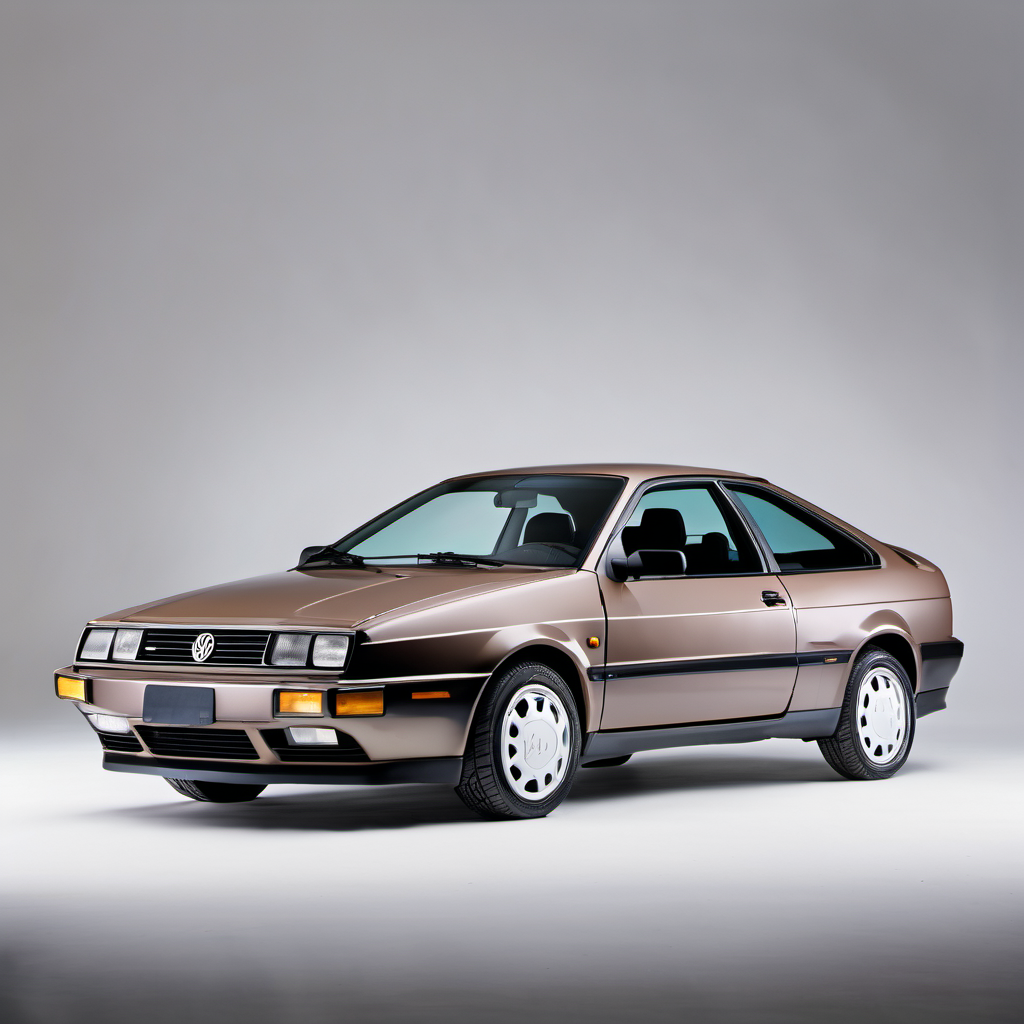
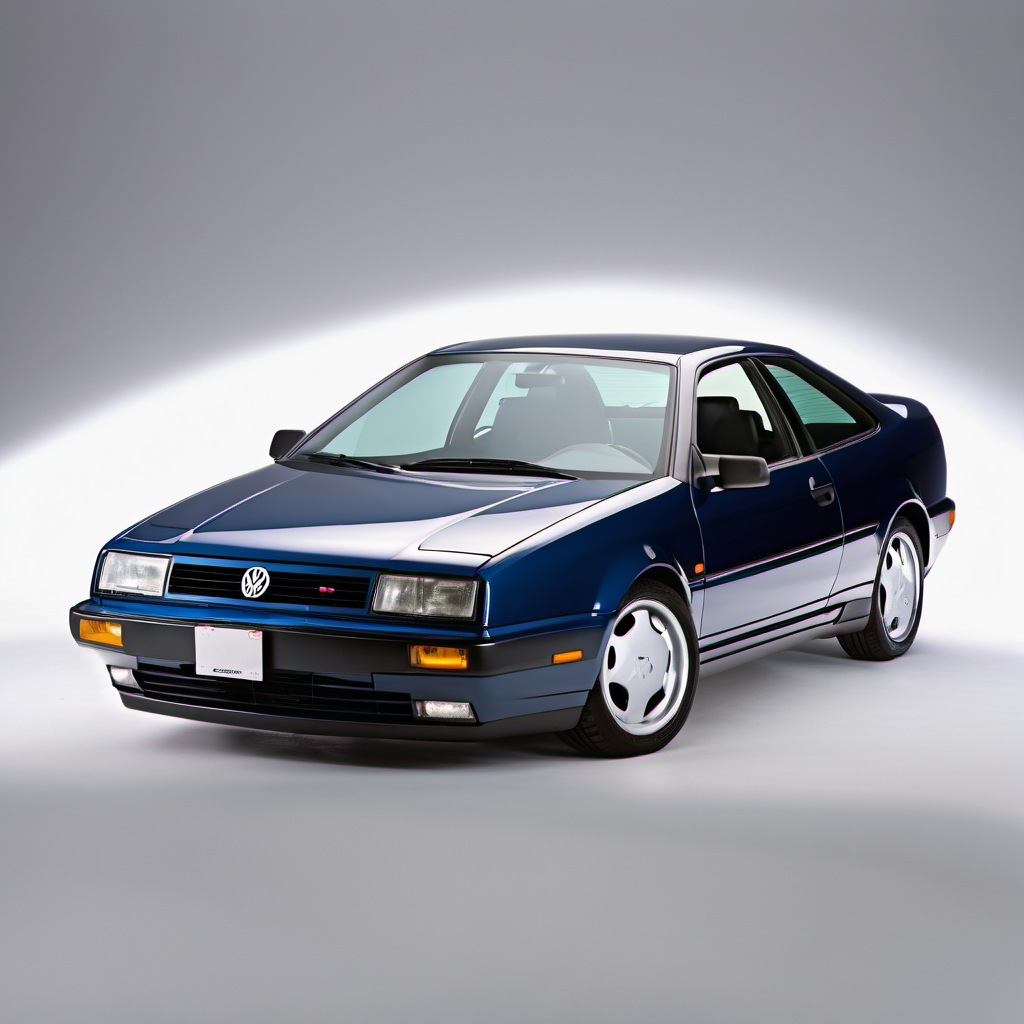
1992 Volkswagen
Coupe
The 1992 Volkswagen Corrado is a front-wheel-drive sport coupe built on VW's A2 platform and sold in the U.S. from 1990 through 1994. It was positioned as the spiritual successor to the Scirocco — sharper styling, a standard rear spoiler that deployed automatically above 45 mph, and a more premium feel than the Golf it shared bones with. The 1992 model year was a turning point: U.S. cars transitioned away from the supercharged G60 engine toward the VR6, though a small number of G60 1.8L four-cylinder cars were still sold early in the model year. The supplied data identifies a 1.8L four-cylinder (G60), placing this car in that earlier window. The Corrado was never a volume seller — VW moved fewer than 15,000 total units over five U.S. model years — which means the used-car support ecosystem is thin. Parts can require sourcing from specialty suppliers or Germany. Enthusiast ownership is common, which cuts both ways: some examples are well-maintained and lightly modded, while others have been pushed hard or have deferred maintenance hiding under clean paint. For a daily driver in the Lake Geneva area, the Corrado is a challenging choice. Wisconsin winters are harsh on aging European unibodies, and this car is now over 30 years old. As a weekend driver or enthusiast car for someone already comfortable working on VW products, it can be tremendously rewarding. Expect to budget meaningfully for maintenance and unexpected repairs — this is a collector/hobby car at this point, not an appliance.
The 1992 Volkswagen Corrado is a front-wheel-drive sport coupe built on VW's A2 platform and sold in the U.S. from 1990 through 1994. It was positioned as the spiritual successor to the Scirocco — sharper styling, a standard rear spoiler that deployed automatically above 45 mph, and a more premium feel than the Golf it shared bones with. The 1992 model year was a turning point: U.S. cars transitioned away from the supercharged G60 engine toward the VR6, though a small number of G60 1.8L four-cylinder cars were still sold early in the model year. The supplied data identifies a 1.8L four-cylinder (G60), placing this car in that earlier window. The Corrado was never a volume seller — VW moved fewer than 15,000 total units over five U.S. model years — which means the used-car support ecosystem is thin. Parts can require sourcing from specialty suppliers or Germany. Enthusiast ownership is common, which cuts both ways: some examples are well-maintained and lightly modded, while others have been pushed hard or have deferred maintenance hiding under clean paint. For a daily driver in the Lake Geneva area, the Corrado is a challenging choice. Wisconsin winters are harsh on aging European unibodies, and this car is now over 30 years old. As a weekend driver or enthusiast car for someone already comfortable working on VW products, it can be tremendously rewarding. Expect to budget meaningfully for maintenance and unexpected repairs — this is a collector/hobby car at this point, not an appliance.
The G-Lader uses a separate oil reservoir. Neglecting this is the single most common cause of expensive supercharger failure.
Rubber hoses and plastic fittings are 30+ years old. An overheating event on the G60 can cause serious engine damage quickly.
Interference engine — belt failure means bent valves at minimum. On an old car, do the water pump, tensioner, and idler at the same time.
Original sensors on surviving examples are long overdue. Faulty sensors cause rich running, poor fuel economy, and potential catalytic converter damage.
DOT 4 fluid is hygroscopic. Old fluid lowers boiling point and accelerates corrosion in aging ABS modulators.
Valve cover, cam seals, and transmission input shaft seals commonly seep on 30-year-old VW engines. Small leaks become big ones fast.
The G60 boost system depends on numerous rubber hoses that crack with age. A boost leak will rob power dramatically and is often misdiagnosed.
Cold-cranking demand on a 30-year-old electrical system is significant. A weak battery that starts fine in September will fail at -10°F in January.
Always defer to the manufacturer's service manual for warranty-mandated intervals.
This is a hobby/enthusiast car and should be budgeted as one. Routine maintenance is moderate in cost, but parts sourcing for G60-specific components (supercharger rebuild kits, specific sensors, trim) can be slow and expensive. Labor costs are elevated because fewer shops are comfortable working on early-90s VW. Budget on the high end of that range in any year you do timing belt, cooling system, or supercharger work — and budget extra for surprises on a 30-year-old car.
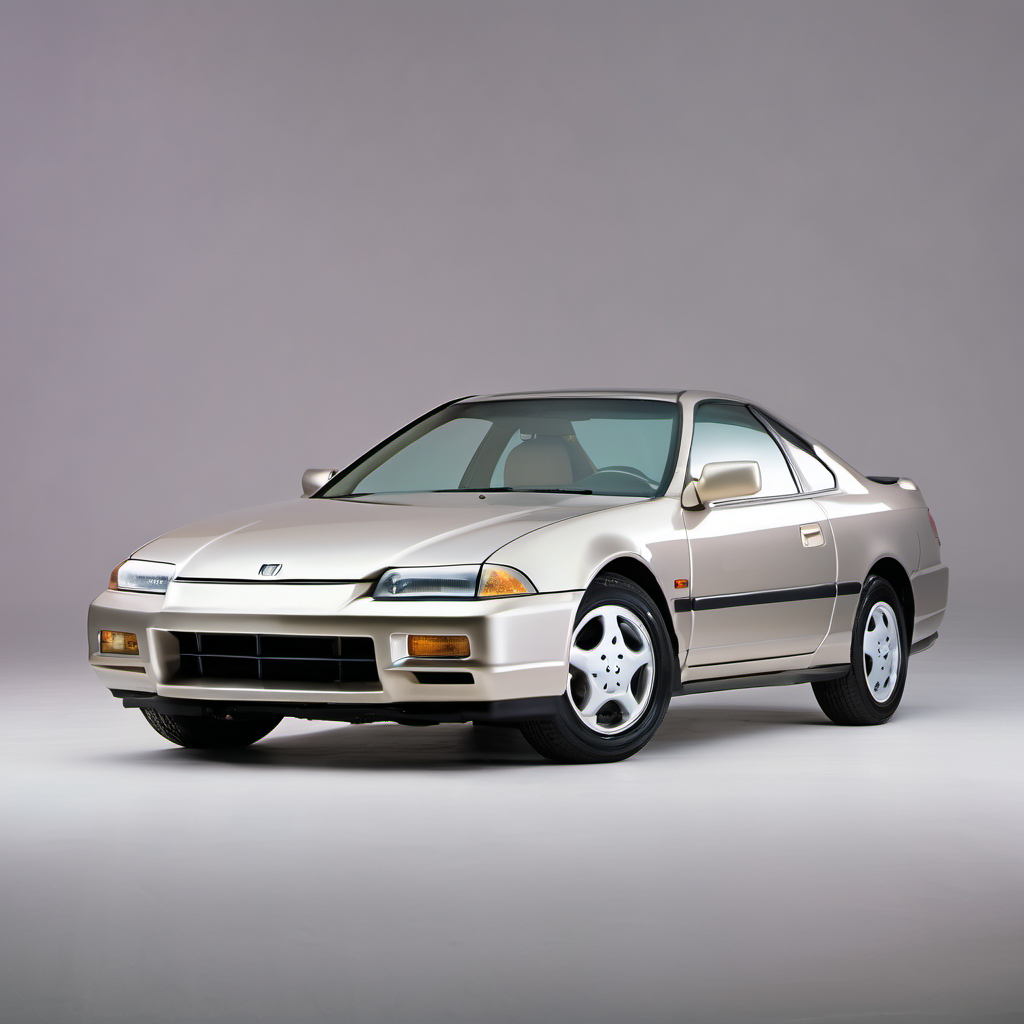
FWD Japanese sport coupe from the same era, similar power and price point, far better parts availability and reliability reputation.
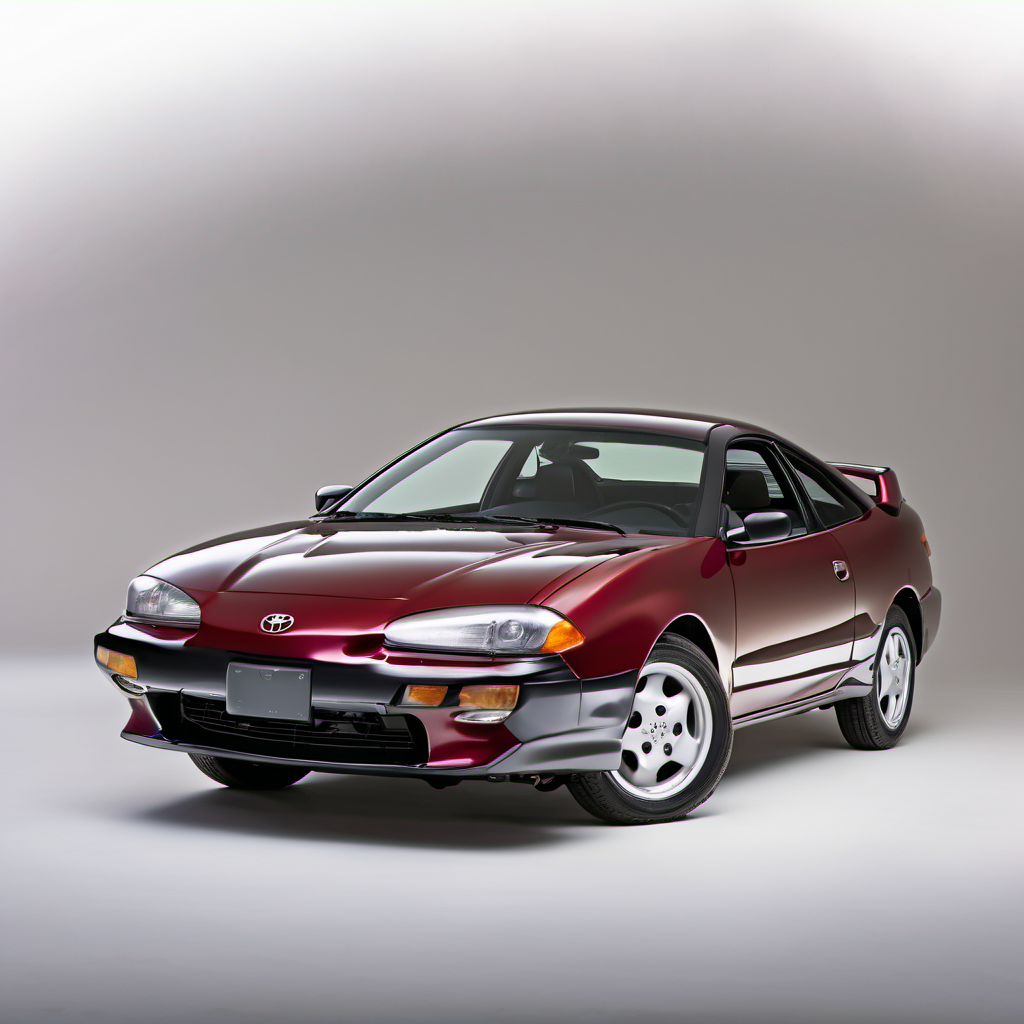
FWD sport coupe, similar mission and price, known for longevity and much easier to source parts for in the U.S.
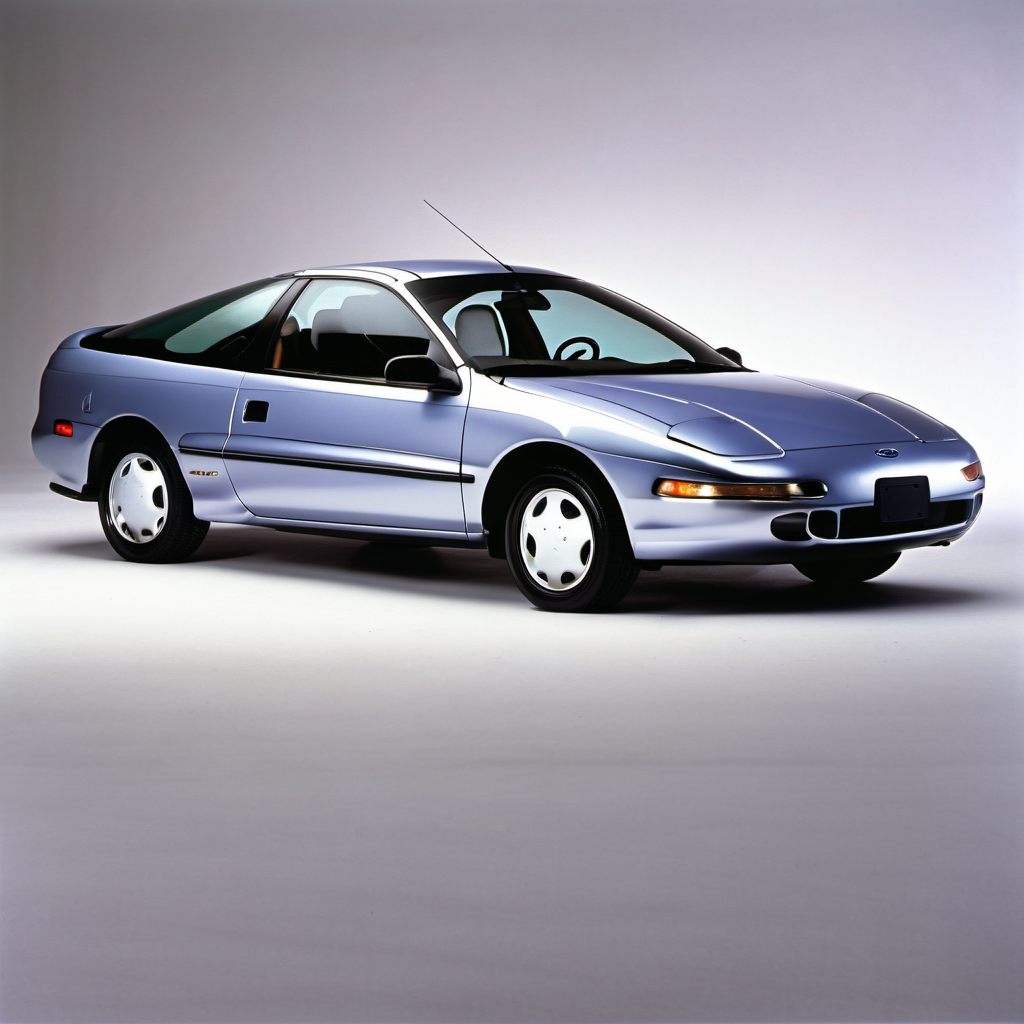
FWD American-market sport coupe, turbocharged option, similar daily-driving usability with better domestic parts support.
Same body and platform but with the far more reliable and tuneable VR6 engine — if you want a Corrado, the VR6 is the more practical choice.