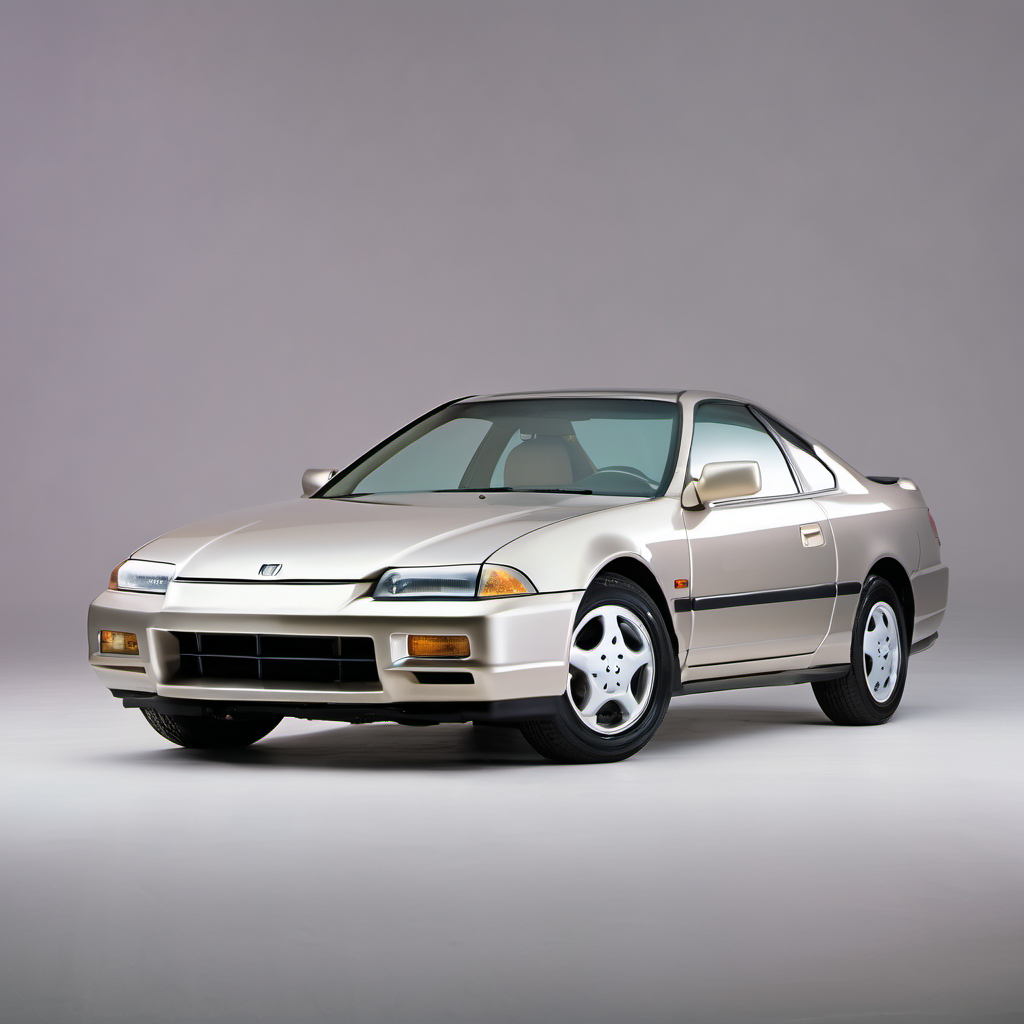
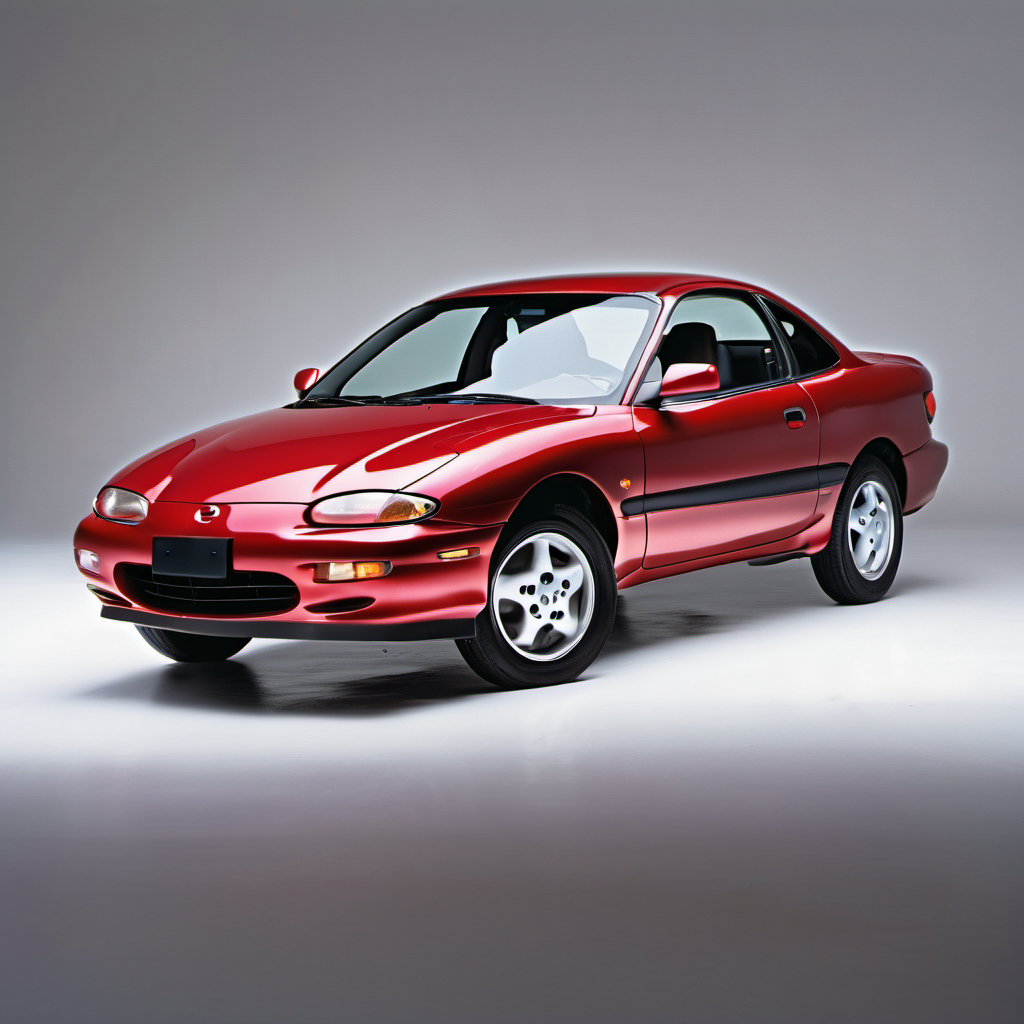
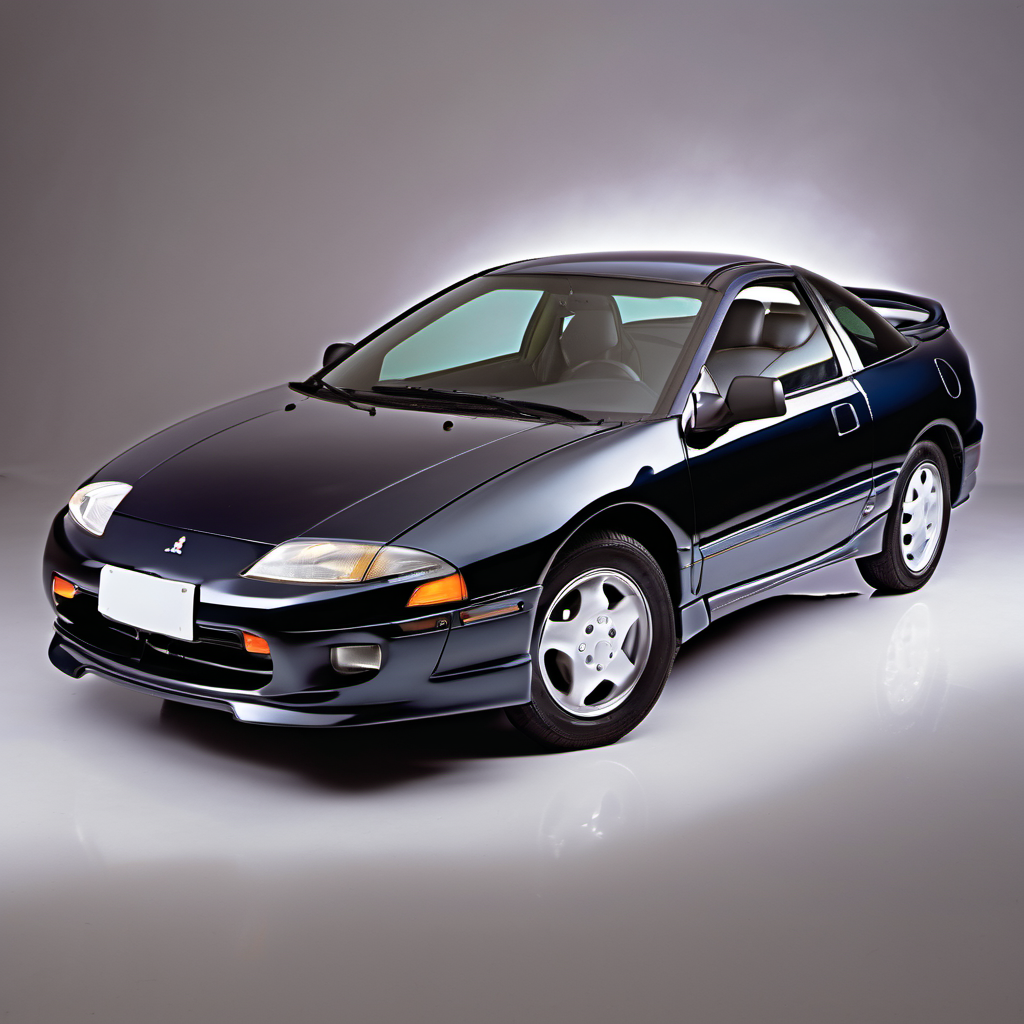
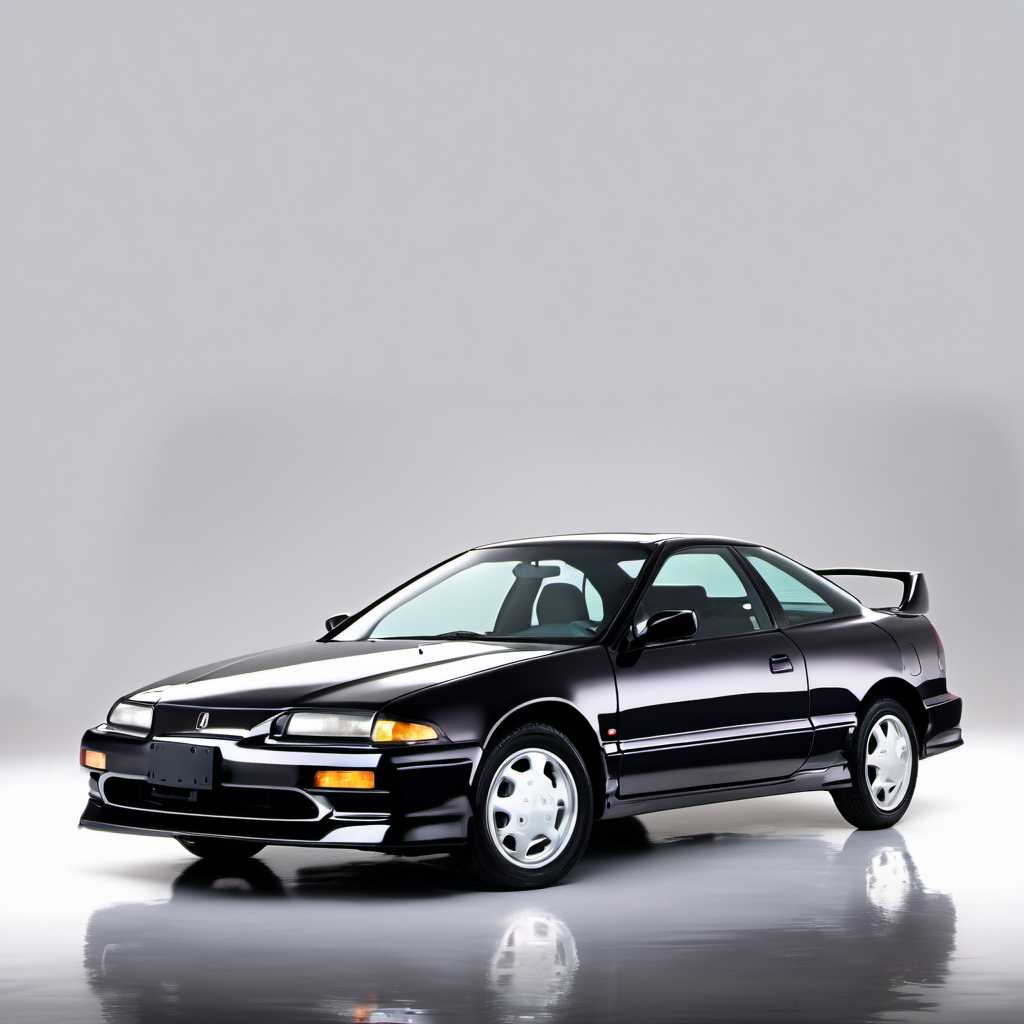
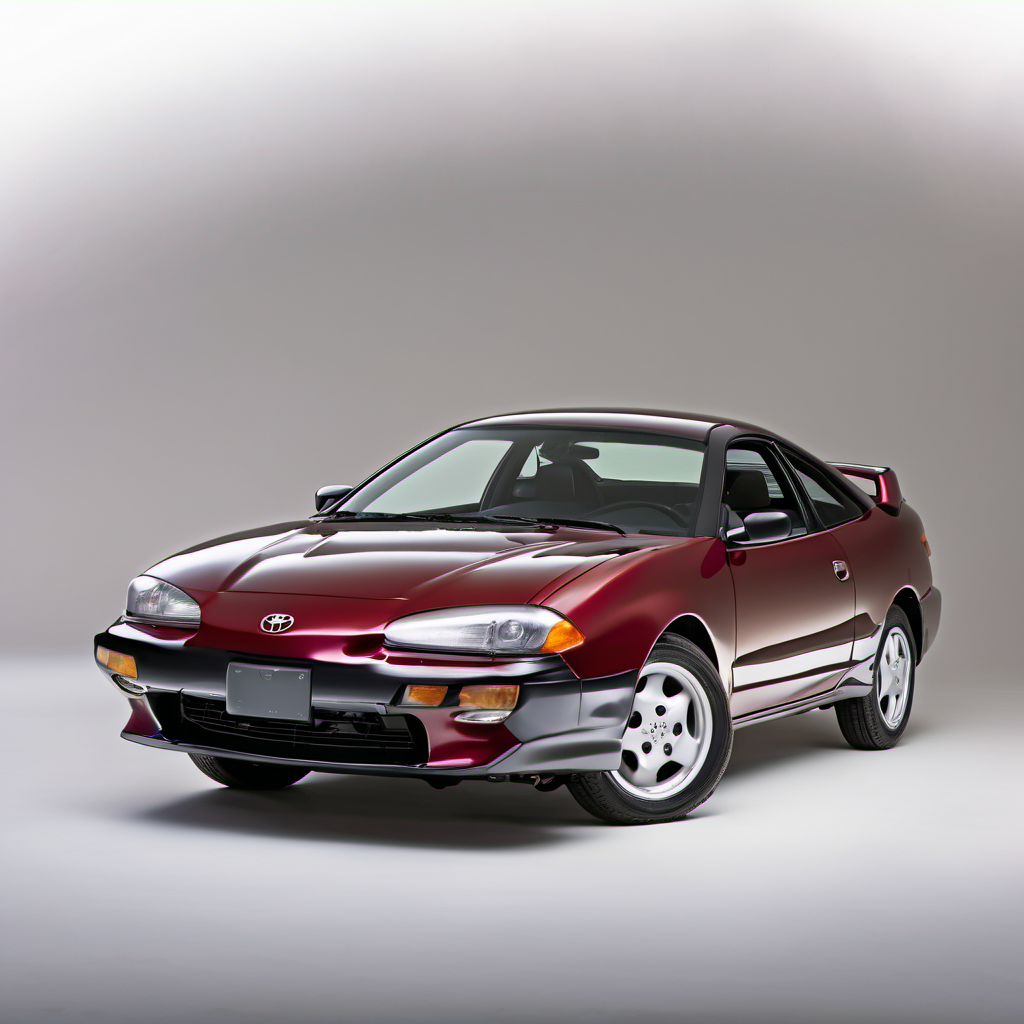
1992 Honda Prelude Coupe

1992 Honda

PreludeCoupe

Coupe

The 1992 Honda Prelude is a front-wheel-drive sport coupe from Honda's fourth generation (1991–1996), aimed squarely at the enthusiast compact market. It was Honda's flagship sporty coupe of the era, offered with either a 2.2L or 2.3L four-cylinder and a driver-focused interior. The Si trim introduced Honda's first four-wheel steering system (4WS), making it a genuine standout in the segment. By 1992 the Prelude had matured into a refined, tight-handling coupe with a reputation for solid build quality and a willing engine. It's not fast by modern standards, but the chassis balance, precise steering, and rev-happy DOHC engine make it enjoyable to drive. Parts availability has thinned out over the past decade, which is an increasingly important planning consideration. At 30+ years old, any survivor today is either a well-maintained enthusiast car or a high-mileage daily driver. Rust — especially in Wisconsin — is the primary enemy. Expect to put money into rubber, cooling system components, and any deferred maintenance before feeling confident in daily use.

Reliability
4/5
Verified data
Specs shown for Prelude — the most common configuration. Other trims may vary in engine, drivetrain, or fuel economy. Sign in to see your vehicle's exact specs.
Engine
[object Object]
Drivetrain
FWD
Fuel
Gasoline
MPG
19 city / 27 hwy / 22 combined
Seats
Doors
Body
Subcompact Cars

Overview

AI-curated

The 1992 Honda Prelude is a front-wheel-drive sport coupe from Honda's fourth generation (1991–1996), aimed squarely at the enthusiast compact market. It was Honda's flagship sporty coupe of the era, offered with either a 2.2L or 2.3L four-cylinder and a driver-focused interior. The Si trim introduced Honda's first four-wheel steering system (4WS), making it a genuine standout in the segment. By 1992 the Prelude had matured into a refined, tight-handling coupe with a reputation for solid build quality and a willing engine. It's not fast by modern standards, but the chassis balance, precise steering, and rev-happy DOHC engine make it enjoyable to drive. Parts availability has thinned out over the past decade, which is an increasingly important planning consideration. At 30+ years old, any survivor today is either a well-maintained enthusiast car or a high-mileage daily driver. Rust — especially in Wisconsin — is the primary enemy. Expect to put money into rubber, cooling system components, and any deferred maintenance before feeling confident in daily use.

Known for
  • Sharp, precise handling for a FWD coupe
  • Rev-happy 2.2L DOHC four-cylinder engine
  • Optional four-wheel steering (4WS) on Si trim
  • Driver-oriented cockpit with low seating position
  • Strong Honda reliability when properly maintained
Best for
  • Enthusiast drivers who want an affordable classic sport coupe
  • Commuters who prioritize fun-to-drive over practicality
  • DIY mechanics comfortable with 1990s Honda platforms
  • Collectors looking for a clean, unmolested Japanese classic
Watch for
  • Heavy rust on floor pans, rocker panels, and subframe — critical in Wisconsin
  • 4WS system maintenance on Si trims (fluid leaks, pump wear)
  • Aging rubber: coolant hoses, belts, and suspension bushings are all 30+ years old
  • Dwindling OEM and quality aftermarket parts supply
  • High miles on original clutch or automatic transmission

Common issues by mileage

6 known

Timing belt failure / overdue replacement

high
Typically appears
Any mileage on a 30-year-old car
Estimated repair
$350 – $650

Coolant hose and radiator leaks

high
Typically appears
80k+ mi or age-related
Estimated repair
$150 – $600

4WS (four-wheel steering) fluid leaks and pump wear (Si trim only)

medium
Typically appears
100k+ mi
Estimated repair
$200 – $900

Distributor failure / ignition system degradation

medium
Typically appears
100k–180k mi
Estimated repair
$150 – $400

Worn suspension bushings and ball joints

high
Typically appears
Any high-mileage example
Estimated repair
$300 – $800

Rust perforation on rocker panels, floor pans, and rear wheel wells

high
Typically appears
Any age / road-salt exposure
Estimated repair
$500 – $3,500

Maintenance schedule

  1. 1
    Every 90k mi or immediately if history unknown Timing belt and water pump replacement

    This is an interference engine — a snapped timing belt means bent valves and a destroyed engine. At 30+ years old, replace it regardless of mileage if records are missing.

  2. 2
    Every 2–3 years or at purchase Full coolant system flush and hose inspection

    Original rubber hoses are now over 30 years old. A burst hose causes instant overheating and can take the engine with it. Inspect and replace any hose that feels spongy, cracked, or stiff.

  3. 3
    Every 3,000–5,000 mi Engine oil and filter change

    Older DOHC engines benefit from more frequent oil changes. Oil condition matters more than an interval sticker at this age.

  4. 4
    Every 30k mi Spark plugs and ignition wires

    Aged plug wires cause misfires and rough idle on these distributored engines. Inexpensive insurance.

  5. 5
    Inspect clutch at purchase; trans fluid every 30k mi Clutch inspection (manual) or transmission fluid change (automatic)

    Original clutches are well past service life on most examples. Auto trans fluid degrades and darkens — a cheap fluid change can extend life significantly.

  6. 6
    Every 15k mi or annually 4WS fluid check and system inspection (Si only)

    The 4WS pump and rack seals crack with age. Low fluid leads to erratic rear steering behavior, which is a genuine safety issue.

  7. 7
    Every 2 years Brake fluid flush

    Glycol-based brake fluid absorbs moisture over time, lowering boiling point. On a 30-year-old car, fresh fluid is non-negotiable.

  8. 8
    Every fall before winter Underbody rust inspection and treatment

    Wisconsin road salt is devastating to unibodies. Annual inspection and rust inhibitor application on exposed metal can add years to the car's structural life.

Always defer to the manufacturer's service manual for warranty-mandated intervals.

Cost of ownership

Annual maintenance
$600 – $1,800
Fuel
At 22 MPG combined, expect roughly $1,400–$1,800/year at typical Wisconsin driving distances (~12,000 mi/year) and current mid-grade gas prices.
Insurance
Typically $600–$1,100/year for a 30-year-old coupe in Wisconsin; actual rate depends on driver history and agreed-value vs. stated-value coverage. Classic/antique coverage may be worth exploring.

Day-to-day fuel and insurance costs are low — this is an affordable car to run in a normal year. The wildcard is deferred maintenance on a 30+ year old chassis. Budget on the higher end of the maintenance range in the first year of ownership while you catch up on belts, hoses, and fluids. Rust repair is the biggest potential cost surprise and is very common in Wisconsin examples.
Seasonal care

Lake Geneva, WI
Winter
  • Swap to dedicated winter tires — the Prelude's low-profile performance tires offer minimal traction on snow and ice, and the FWD layout does not compensate for inadequate rubber.
  • Inspect and replace the battery if it's more than 3–4 years old. Cold cranking a 30-year-old engine at sub-zero temps demands a strong battery.
  • Use a fuel-system deicer additive periodically and keep the tank above half to prevent moisture accumulation in older fuel lines.
  • Fill the washer reservoir with -20°F or better fluid before the first freeze — the stock reservoir and lines are vulnerable to cracking if plain water is left in.
  • Rinse the underbody weekly during heavy salt periods, paying close attention to the rocker panels and rear wheel wells where this generation is known to rust through.
  • Check the condition of the coolant mix — it should be tested to at least -34°F for Wisconsin winters. Old coolant loses freeze protection.
Summer
  • Inspect the cooling system thoroughly before summer — this engine does not tolerate overheating. Check thermostat operation, radiator flow, and hose condition.
  • Check tire pressure after the first hot days; pressure rises 1 PSI for every 10°F increase in ambient temperature, which can cause uneven wear and handling changes.
  • Verify A/C refrigerant charge and check for leaks at the condenser — the low-slung front end makes the condenser vulnerable to debris. R-12 to R-134a conversion may be needed if not already done.
  • Inspect brake pads and rotors — heat soak in summer combined with aged brake components can reduce stopping performance noticeably.

Comparable vehicles

If you're shopping for one

Red flags
  • Any rust perforation on the unibody, especially rocker panels and floor — repair costs can exceed the car's value.
  • No timing belt service history on a 135k+ mile example — walk away or budget $500+ immediately.
  • Milky or sludgy oil on the dipstick — potential head gasket issue or severe neglect.
  • R-12 A/C system that hasn't been converted — recharge will be expensive and the refrigerant hard to source.
  • Odometer that doesn't match the wear on pedal pads, steering wheel, and seat bolsters — mileage rollback is not unheard of on classic Japanese sport coupes.
  • 4WS warning light on or inoperative rear steering — hydraulic system repair can be costly and parts are scarce.
What to inspect
  • Poke every inch of the rocker panels, floor pans, and rear wheel arches with a screwdriver — rust perforation here is a structural and financial dealbreaker.
  • Pull the valve cover: look for sludge, milky oil, or a neglected timing belt tensioner.
  • Ask for timing belt and water pump service records. If none exist, price that job into your offer.
  • Test the 4WS system (Si only): at low parking-lot speeds the rear wheels should toe in noticeably during tight turns. Any grinding, hesitation, or warning light is a red flag.
  • Check all four corners of the windshield and rear glass for rust bubbling in the trim channels — a very common failure point on fourth-gen Preludes.
  • Start the engine cold and listen for valve train noise or a rough idle before it warms up — points to deferred oil changes or worn cam components.
AI profile generated 4 days ago · claude-sonnet-4-6 · v2.