VR6 Cooling System Failure (hoses, thermostat, water pump)
high- Typically appears
- Any mileage on a 30-year-old car
- Estimated repair
- $400 – $900
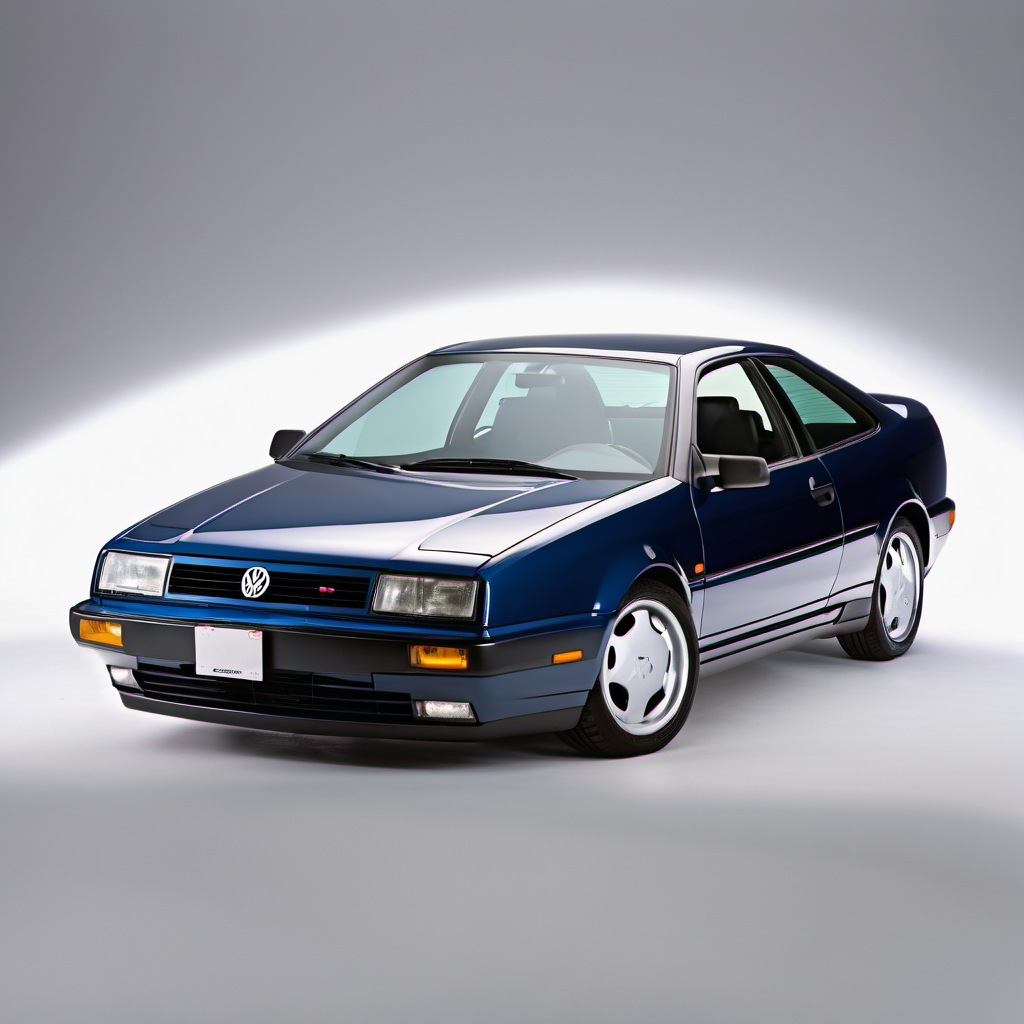
1993 Volkswagen
Hatchback
The 1993 Volkswagen Corrado is the final model year of VW's front-wheel-drive sport coupe, built in Wolfsburg from 1988 to 1995. The '93 U.S.-market car came exclusively with the 2.8L VR6 engine — a narrow-angle six-cylinder that VW crammed into a four-cylinder engine bay — making it one of the most sonically satisfying and mechanically interesting coupes of its era. It replaced the earlier G60 supercharged four-cylinder that plagued earlier Corrados with reliability headaches. The Corrado was a proper sport coupe: low, wide, planted, and quick. Its most famous party trick is the electrically deployed rear spoiler that automatically rises above 45 mph and retracts when you shut the car off. It also had a sophisticated multi-link rear suspension and four-wheel disc brakes at a time when most competitors still used rear drums. With only about 4,000 total U.S.-market Corrados sold across all years, the '93 VR6 is legitimately rare. Owning one today means accepting the reality of a 30+ year-old low-production European car. Parts availability has shrunk considerably, and many specialists have moved on. That said, a well-maintained VR6 Corrado is a rewarding driver and a genuine collector piece. Budget generously for maintenance and be prepared to source parts internationally.
The 1993 Volkswagen Corrado is the final model year of VW's front-wheel-drive sport coupe, built in Wolfsburg from 1988 to 1995. The '93 U.S.-market car came exclusively with the 2.8L VR6 engine — a narrow-angle six-cylinder that VW crammed into a four-cylinder engine bay — making it one of the most sonically satisfying and mechanically interesting coupes of its era. It replaced the earlier G60 supercharged four-cylinder that plagued earlier Corrados with reliability headaches. The Corrado was a proper sport coupe: low, wide, planted, and quick. Its most famous party trick is the electrically deployed rear spoiler that automatically rises above 45 mph and retracts when you shut the car off. It also had a sophisticated multi-link rear suspension and four-wheel disc brakes at a time when most competitors still used rear drums. With only about 4,000 total U.S.-market Corrados sold across all years, the '93 VR6 is legitimately rare. Owning one today means accepting the reality of a 30+ year-old low-production European car. Parts availability has shrunk considerably, and many specialists have moved on. That said, a well-maintained VR6 Corrado is a rewarding driver and a genuine collector piece. Budget generously for maintenance and be prepared to source parts internationally.
The VR6's cooling system is already 30+ years old. Original rubber hoses are ticking time bombs. An overheated VR6 warps the head — a $2,000+ repair. Do this first.
The VR6 uses a timing chain, not a belt — but the plastic tensioner guides crack with age. A failed tensioner causes catastrophic engine damage.
30-year-old rubber vacuum lines crack and collapse. Vacuum leaks cause rough idle, poor fuel economy, and hard starts on the VR6.
Brake fluid absorbs moisture over time. On a car this age, old fluid in the calipers accelerates corrosion and lowers boiling point — critical on a performance coupe.
Early-'90s VW wiring insulation becomes brittle and crumbles. Inspect particularly around the engine bay firewall pass-throughs and door hinge areas.
The VR6 has tight tolerances and small oil passages. Use the correct viscosity (5W-40 full synthetic is typical). Extended drain intervals are not appropriate on a 30-year-old engine.
The spoiler mechanism is famous for failing. A spoiler stuck up or stuck down is both a safety distraction and an MOT-style compliance issue. Lubricate the hinges annually.
Wisconsin road salt is brutal. Inspect subframe mounting points, floor pan seams, and fuel/brake lines every fall. Treat bare metal immediately. A rusted subframe can render the car unsafe regardless of mechanical condition.
Always defer to the manufacturer's service manual for warranty-mandated intervals.
The Corrado VR6 is cheap to buy but expensive to own correctly. Annual maintenance costs swing wildly depending on what deferred work you inherit at purchase. A car that has been properly sorted by a knowledgeable previous owner will cost $800–$1,200/year to maintain. A neglected example can easily demand $3,000–$5,000 in the first year just to make right. Parts sourcing is the biggest wildcard — some items simply aren't available domestically and must come from Europe, adding both cost and wait time. Budget conservatively and don't buy one if an unexpected $1,500 repair bill would be a hardship.
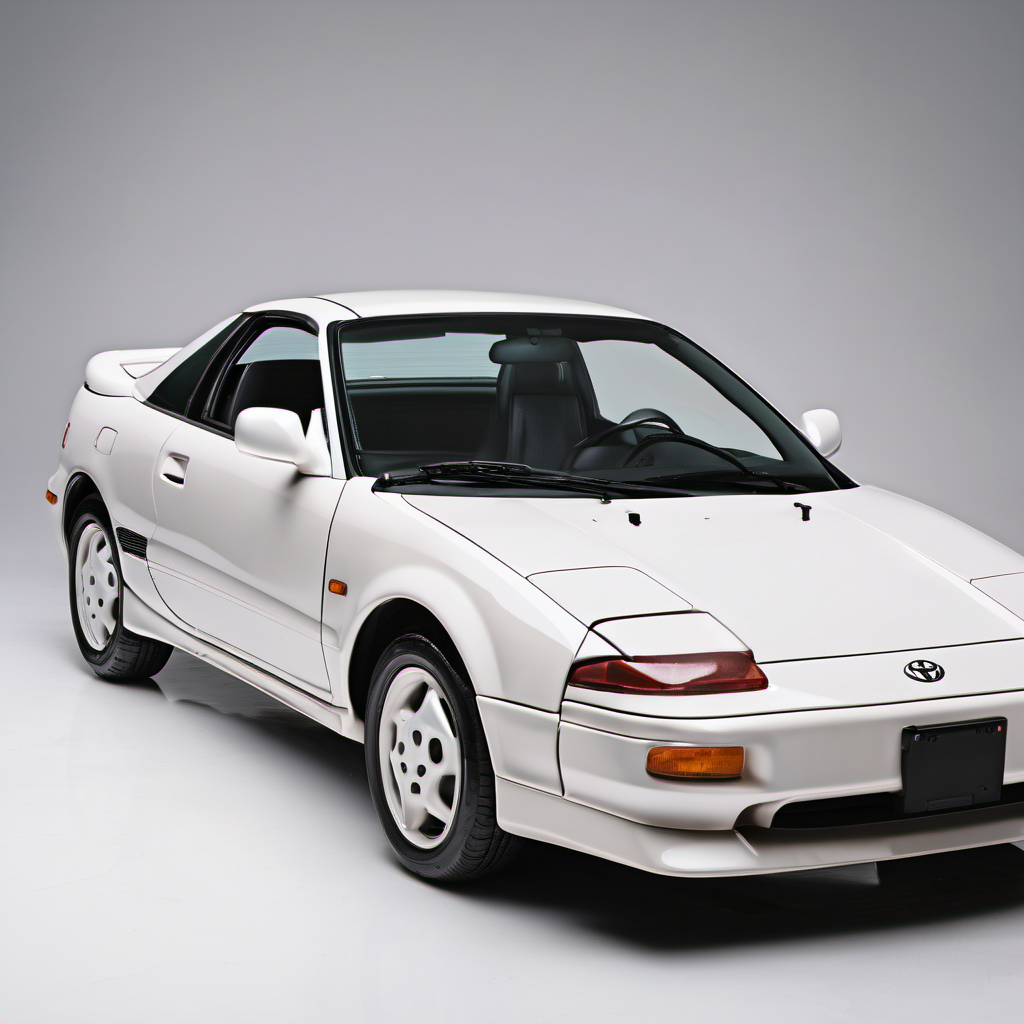
Two-seat Japanese sport coupe from the same era. Far better parts availability and reliability, but mid-engine RWD layout is a completely different driving experience.
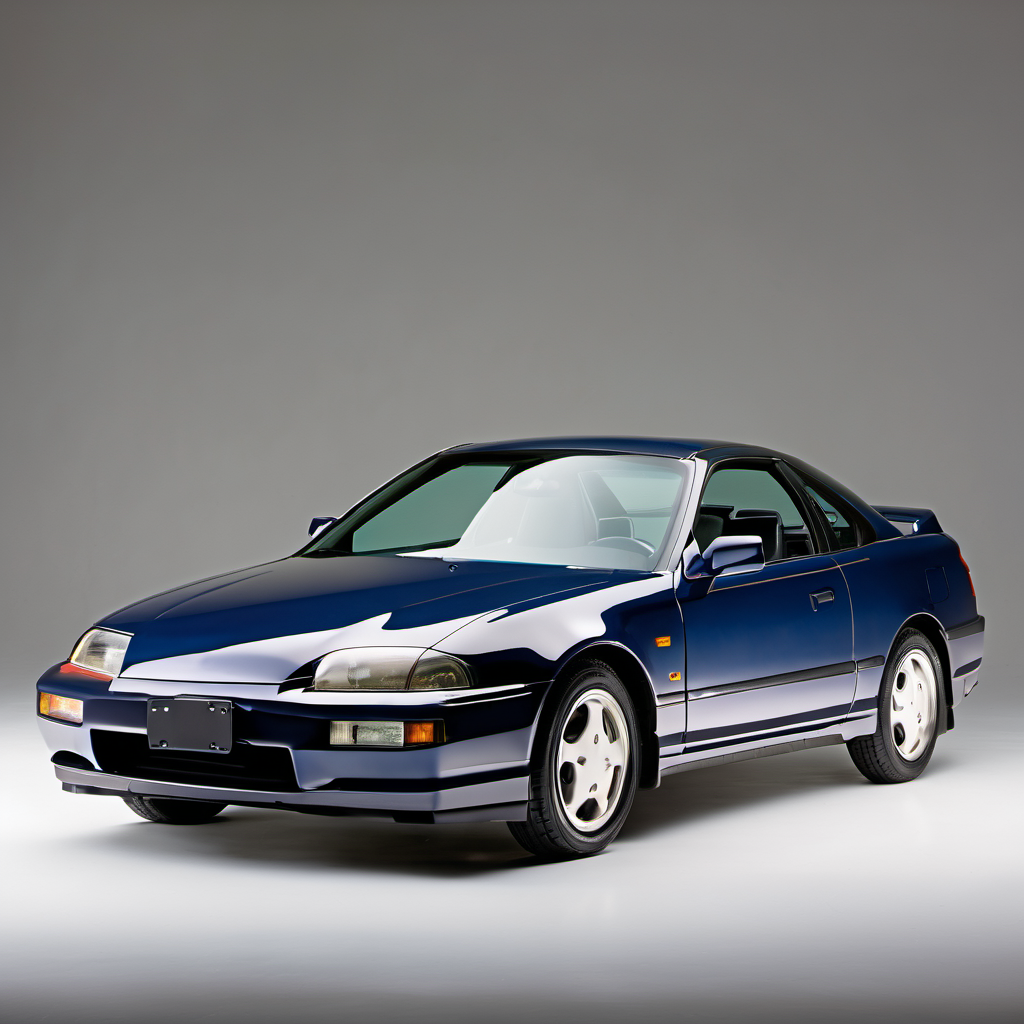
FWD sport coupe, similar footprint and price bracket. Much more reliable and easier to maintain, but lacks the VR6's character and exclusivity.
Another rare '90s sport coupe with a unique engine. Similar collector appeal and maintenance intensity — rotary engine demands its own specialist knowledge, much like the VR6.
No catalog match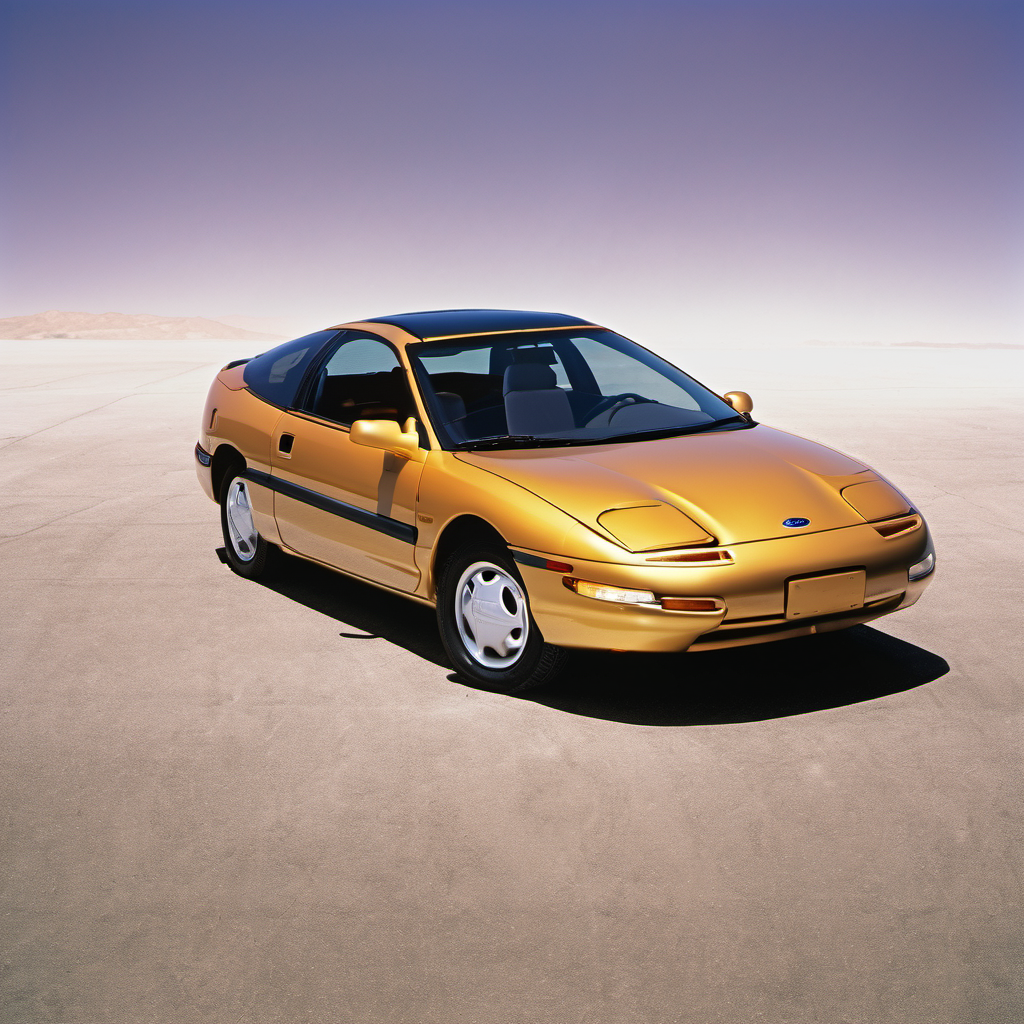
FWD sport coupe with Mazda V6 running gear. Cheaper to maintain and easier to find parts, but significantly less exclusive and collectible.