Floor pan and rocker panel rust
high- Typically appears
- All mileages — age-driven
- Estimated repair
- $800 – $4,500
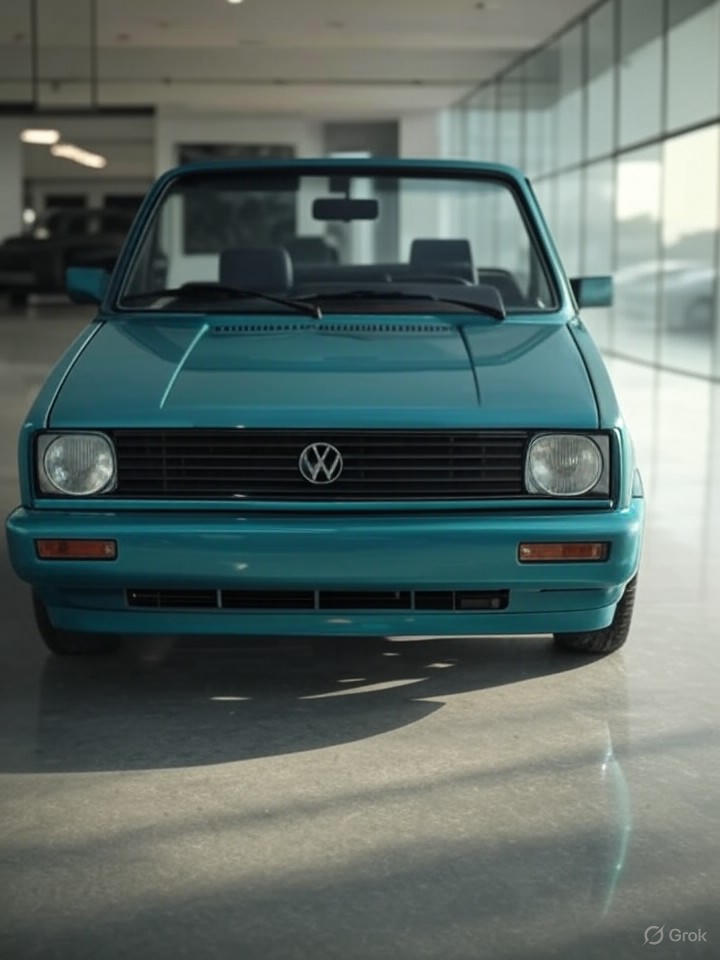
1992 Volkswagen
Convertible
The 1992 Volkswagen Cabriolet is the final generation of VW's long-running Golf-based open-top, sold in the US from 1980 through 1993. By 1992 the car had been refreshed with a slightly rounded nose and updated interior, but the chassis and drivetrain were largely unchanged from the original design. It was built in Osnabrück by Karmann and carried a reputation as an affordable, stylish European convertible — not a performance machine, but a genuinely fun everyday driver. Power comes from VW's 1.8L single-cam four-cylinder with Digifant fuel injection, producing a modest 81 hp. The five-speed manual (or optional three-speed automatic) keeps things simple and easy to work on. At 30-plus years old, every example on the road today is a project or enthusiast car — expect age-related wear to dominate any repair list. For Lake Geneva buyers, this is a fair-weather cruiser. Rust is the single biggest concern with these cars in the upper Midwest, and any serious buyer should crawl underneath before handing over money.
The 1992 Volkswagen Cabriolet is the final generation of VW's long-running Golf-based open-top, sold in the US from 1980 through 1993. By 1992 the car had been refreshed with a slightly rounded nose and updated interior, but the chassis and drivetrain were largely unchanged from the original design. It was built in Osnabrück by Karmann and carried a reputation as an affordable, stylish European convertible — not a performance machine, but a genuinely fun everyday driver. Power comes from VW's 1.8L single-cam four-cylinder with Digifant fuel injection, producing a modest 81 hp. The five-speed manual (or optional three-speed automatic) keeps things simple and easy to work on. At 30-plus years old, every example on the road today is a project or enthusiast car — expect age-related wear to dominate any repair list. For Lake Geneva buyers, this is a fair-weather cruiser. Rust is the single biggest concern with these cars in the upper Midwest, and any serious buyer should crawl underneath before handing over money.
Road salt in Wisconsin is brutal on 30-year-old unibody floors. Catching surface rust early is far cheaper than panel replacement.
Rubber coolant hoses on a 30+ year old car are overdue regardless of appearance. A coolant failure in sub-zero temps can mean engine damage.
Vinyl tops degrade from UV and cold. Keeping seals pliable prevents water intrusion that accelerates floor rust.
Digifant ignition components are inexpensive and directly affect cold-start reliability — critical in Wisconsin winters.
Vacuum lines on this era of VW become brittle and crack with age, causing rough idle, poor fuel economy, and hard starting.
Brake line corrosion from road salt is a genuine safety concern on older Midwestern cars. Brake fluid also absorbs moisture over time.
Cold-cranking a 1.8L with an aging electrical system in sub-zero temps requires a battery at full capacity.
These engines use a non-interference valvetrain design but still benefit from clean oil to maintain valve train and Digifant system health.
Always defer to the manufacturer's service manual for warranty-mandated intervals.
On paper, annual operating costs are low if the car is running well and used seasonally. In practice, a 30+ year old European convertible in the upper Midwest will demand periodic investment in rust repair, rubber components, and electrical work. Budget $600–$2,500/year for routine upkeep on a well-maintained example, and considerably more in years when major jobs come due (top replacement, brake lines, etc.). Parts sourcing from the VW enthusiast community can help keep costs down versus dealership channels.
Same era, same price range, RWD roadster vs. FWD convertible. More driver-focused and generally more rust-resistant, with stronger enthusiast parts support.
No catalog match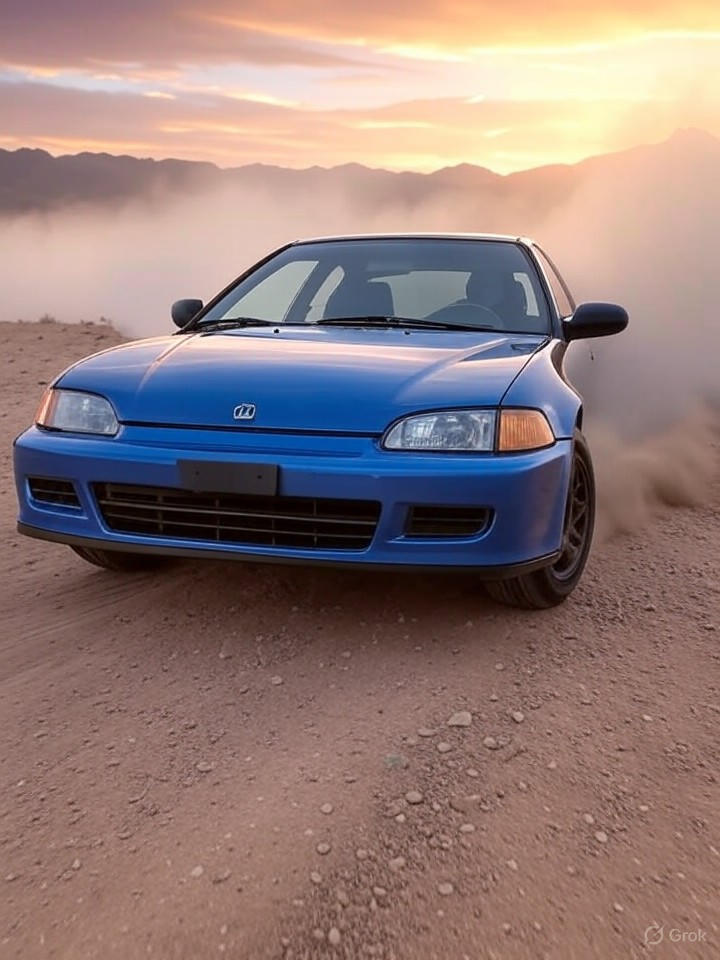
Compact FWD two-seat open-top Honda with a reputation for better long-term reliability and easier parts availability than the VW.
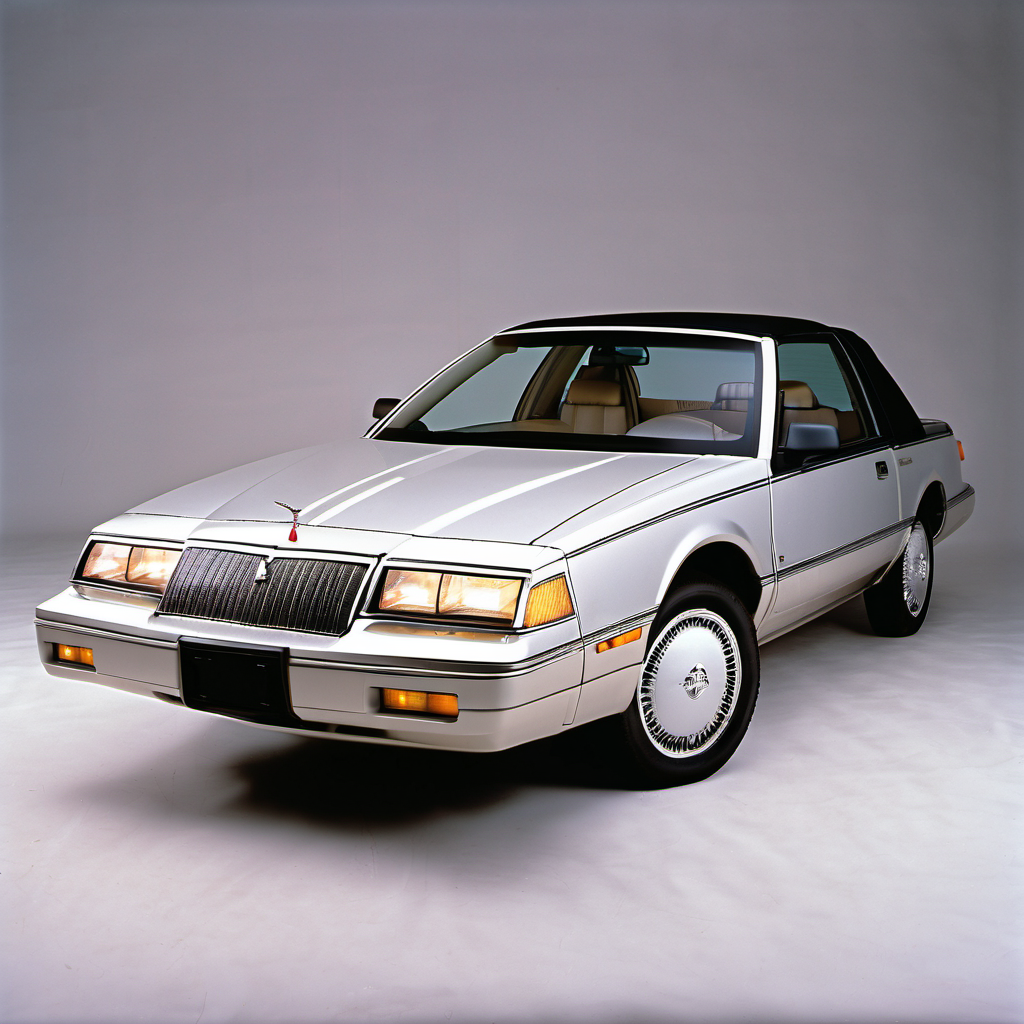
American-market convertible from the same era at a similar used-car price point, with a larger cabin and more parts availability but less European character.
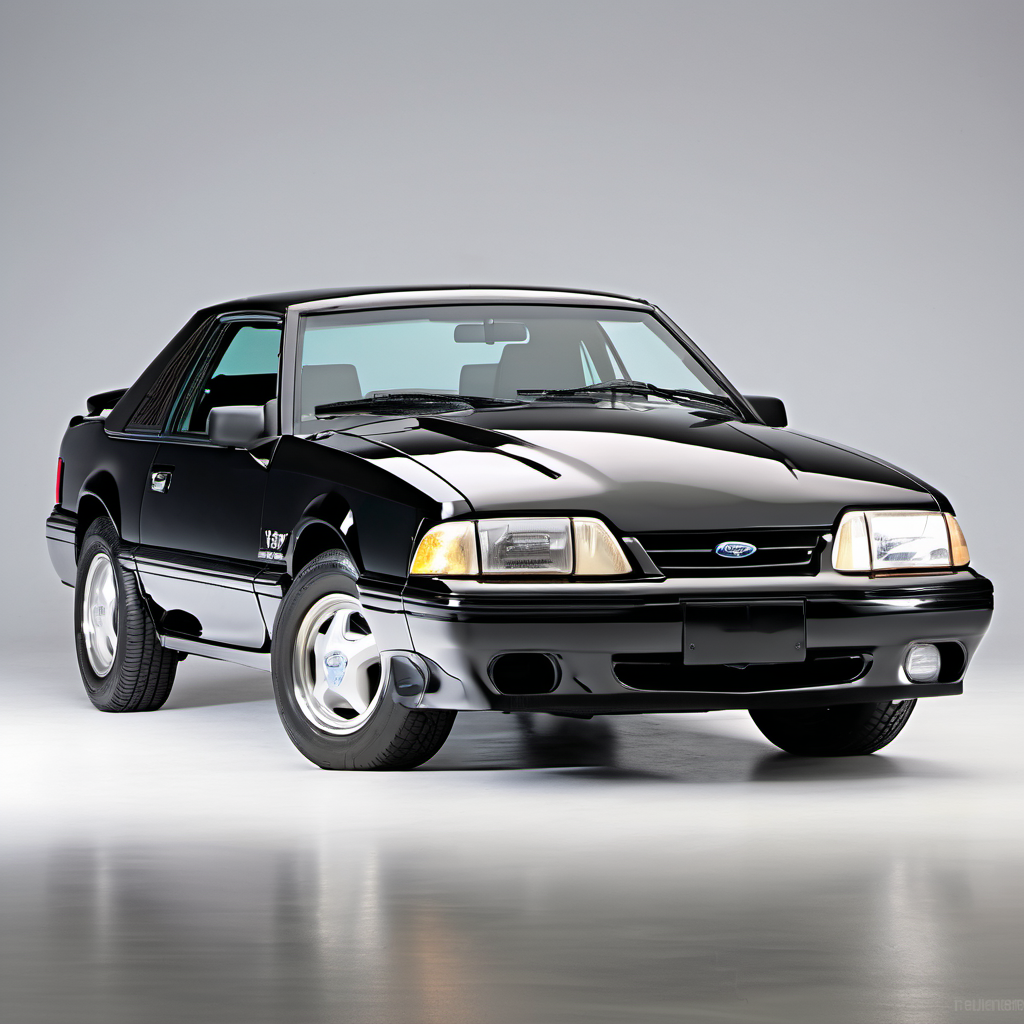
RWD, more power, strong parts ecosystem, and comparable open-top fun at a similar or lower cost as a used buy — trades refinement for grunt.