Intake manifold and coolant crossover gasket leaks
high- Typically appears
- 80–150k mi
- Estimated repair
- $250 – $550
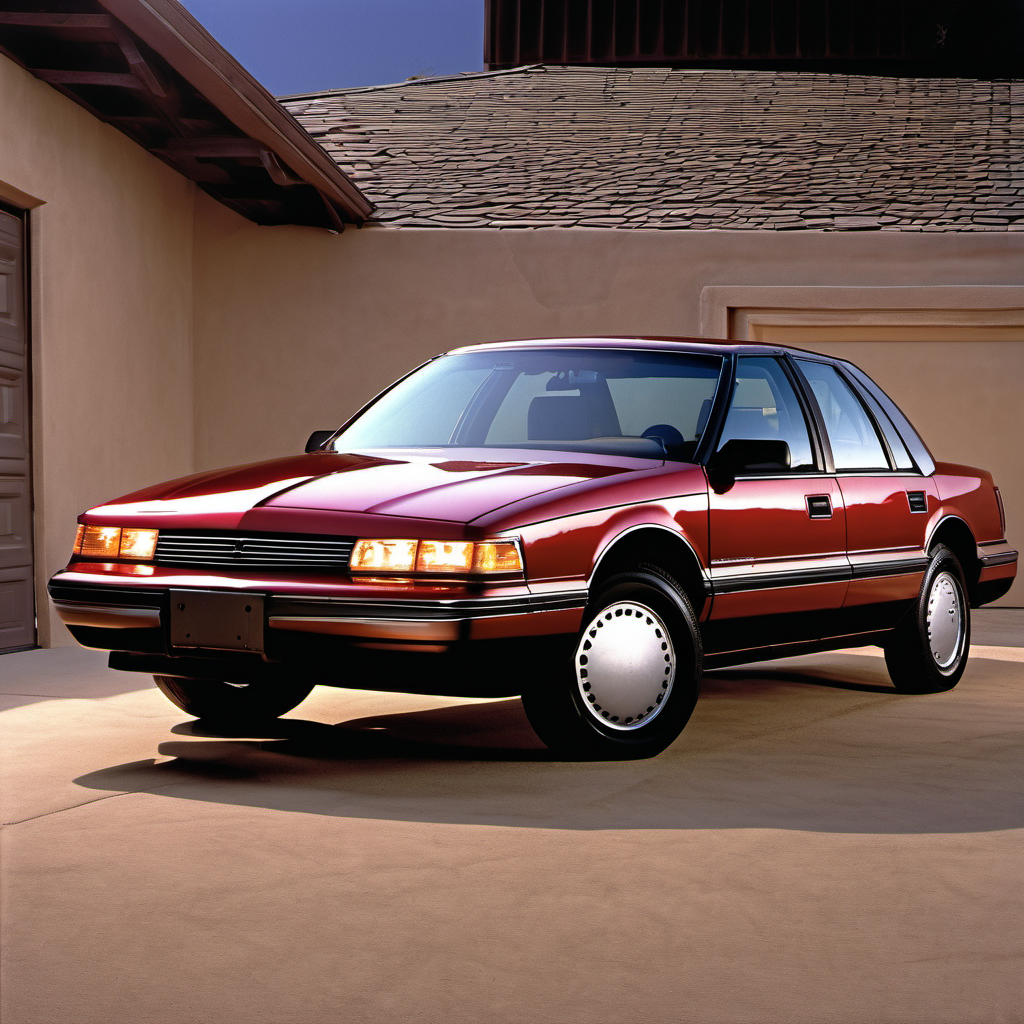
1992 Oldsmobile
Sedan
The 1992 Oldsmobile Cutlass Ciera is a front-wheel-drive mid-size sedan built on GM's A-body platform, a design that carried the Ciera through a remarkably long production run from 1982 to 1996. By 1992 it was a mature, well-sorted car aimed squarely at buyers who wanted reliable, comfortable transportation without fuss. It was a volume leader for Oldsmobile in its day, and the parts supply remains solid even now. Power comes from GM's 2.5L Tech IV four-cylinder (nicknamed the 'Iron Duke'), a slow-revving but durable engine that prioritizes longevity over excitement. A 3.3L V6 was also offered and is more pleasant to drive. The base four-speed automatic transmission is generally trouble-free when serviced regularly. At 30-plus years old, any surviving Ciera is a used-car purchase where condition and maintenance history matter far more than the model itself. These cars were not pampered collectibles — they were daily drivers, and many show it. A clean, low-miles example can still be a practical budget commuter, but rust and deferred maintenance are the real story with this car today.
The 1992 Oldsmobile Cutlass Ciera is a front-wheel-drive mid-size sedan built on GM's A-body platform, a design that carried the Ciera through a remarkably long production run from 1982 to 1996. By 1992 it was a mature, well-sorted car aimed squarely at buyers who wanted reliable, comfortable transportation without fuss. It was a volume leader for Oldsmobile in its day, and the parts supply remains solid even now. Power comes from GM's 2.5L Tech IV four-cylinder (nicknamed the 'Iron Duke'), a slow-revving but durable engine that prioritizes longevity over excitement. A 3.3L V6 was also offered and is more pleasant to drive. The base four-speed automatic transmission is generally trouble-free when serviced regularly. At 30-plus years old, any surviving Ciera is a used-car purchase where condition and maintenance history matter far more than the model itself. These cars were not pampered collectibles — they were daily drivers, and many show it. A clean, low-miles example can still be a practical budget commuter, but rust and deferred maintenance are the real story with this car today.
The 2.5L Iron Duke's longevity is almost entirely a product of consistent oil changes. Extended intervals that might be fine on a modern engine are not recommended on a 30-year-old motor with potential sludge history.
The 3T40 is durable but does not tolerate neglected fluid. Most transmission problems on these cars trace back to fluid that was never serviced.
All rubber hoses and the radiator are now 30+ years old. Coolant passages in the 2.5L are prone to deposits. A burst hose in a Wisconsin winter is a tow-truck call.
Road salt has had 30 years to work on these steel lines. Brake line failure is a real safety risk on any upper-Midwest vehicle of this age. Replace any section showing surface rust through to bare metal or pitting.
The Tech IV runs a simple distributor-based ignition. Worn plugs and cracked wires cause hard starts in cold weather — a Wisconsin winter concern.
Cold-cranking a 2.5L at sub-zero temperatures is hard on a marginal battery. Any battery over 4 years old should be load-tested before November.
Rack seals on high-mileage examples leak slowly. Catching it early keeps the repair to a seal kit; ignoring it leads to full rack replacement.
Belt rubber degrades with age regardless of mileage. A snapped belt leaves you stranded and can cause overheating on a cold-weather breakdown.
Always defer to the manufacturer's service manual for warranty-mandated intervals.
If the car is mechanically sound, annual costs are low — mostly oil changes, filters, and tires. The wildcard is deferred maintenance catching up: a transmission service, cooling system overhaul, or brake line replacement can each run $500–$1,500 at an independent shop. Budget for catch-up work if the service history is unknown.
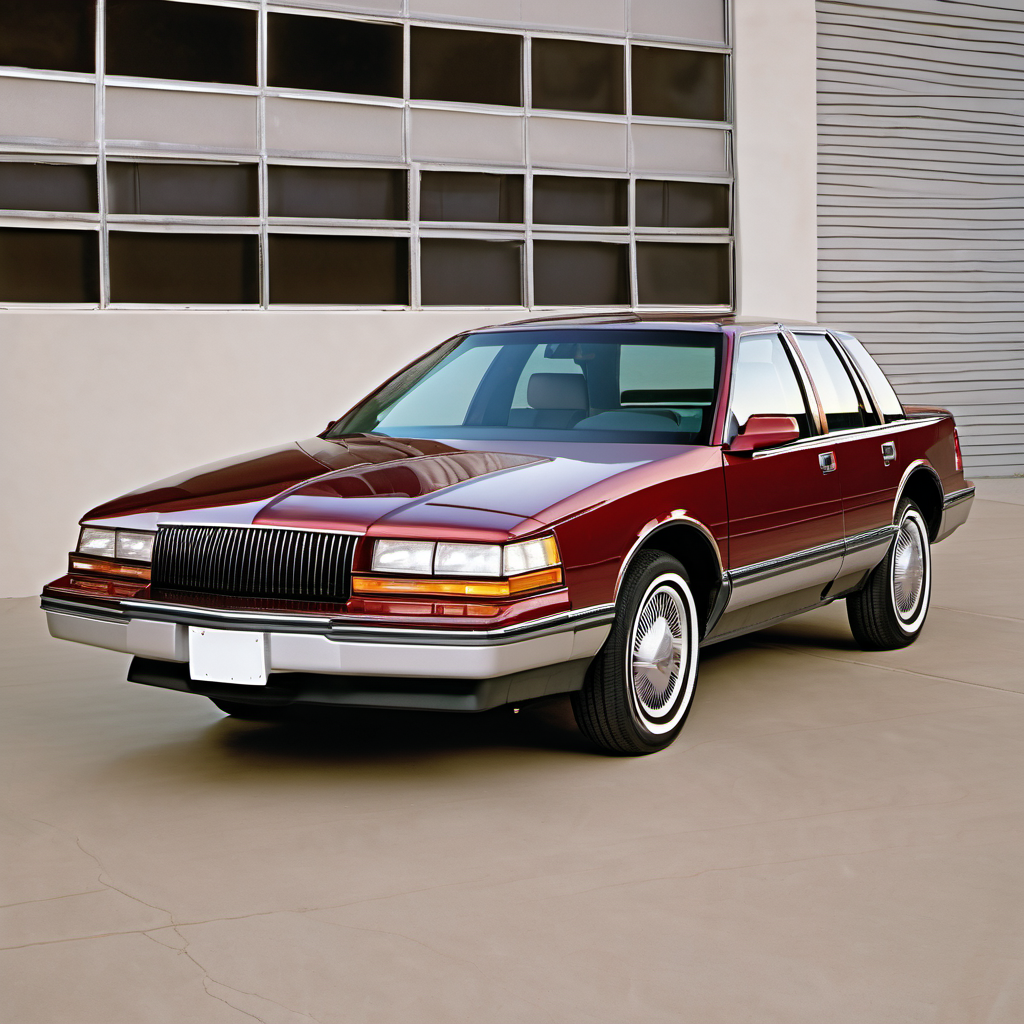
Shares the same GM A-body platform, same powertrains, and near-identical build quality. The Century was effectively the Ciera's corporate twin — any mechanic who knows one knows the other.
Another A-body sibling with the same engines and transmission. The Celebrity ended production in 1990, so examples are slightly older, but parts and repair knowledge are directly transferable.
No catalog match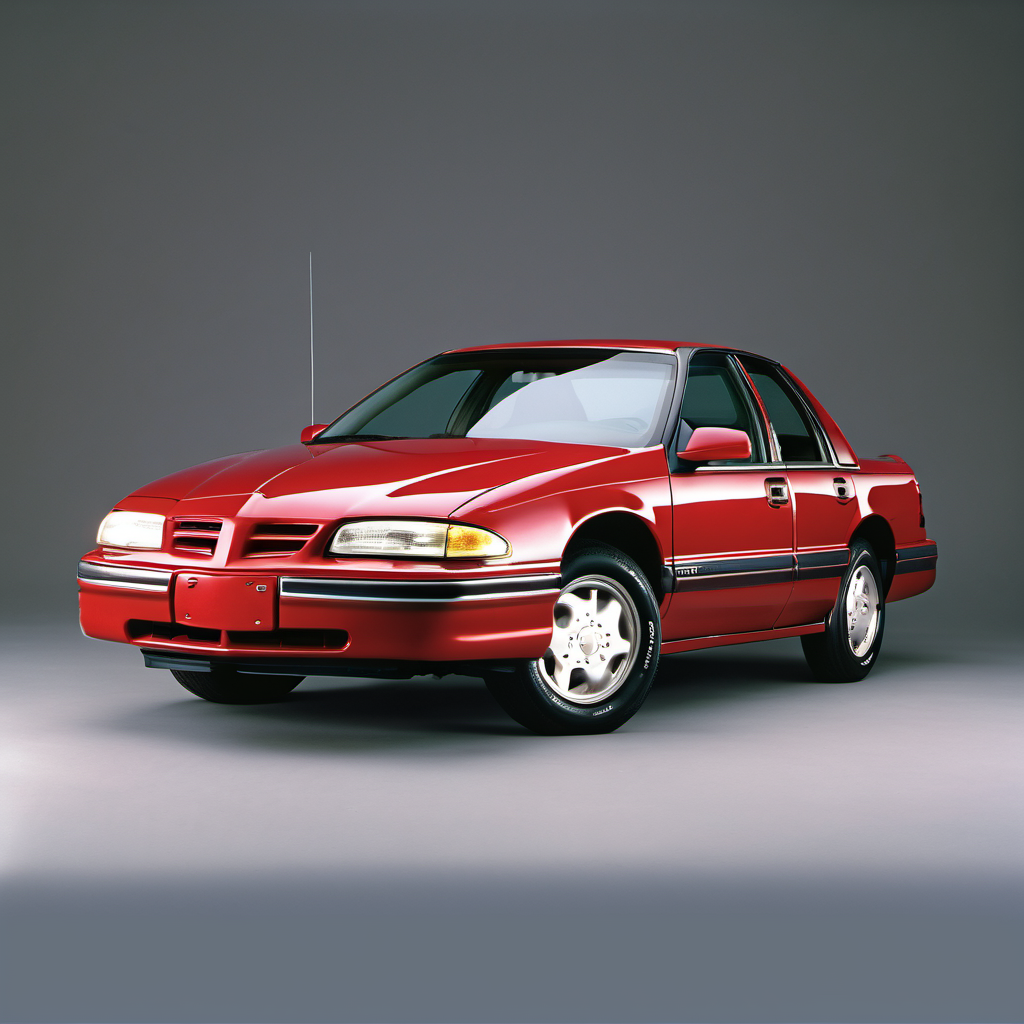
Same GM N-body era, same FWD layout, similar price point and buyer demographic. Slightly sportier character but shares much of the same GM parts infrastructure.
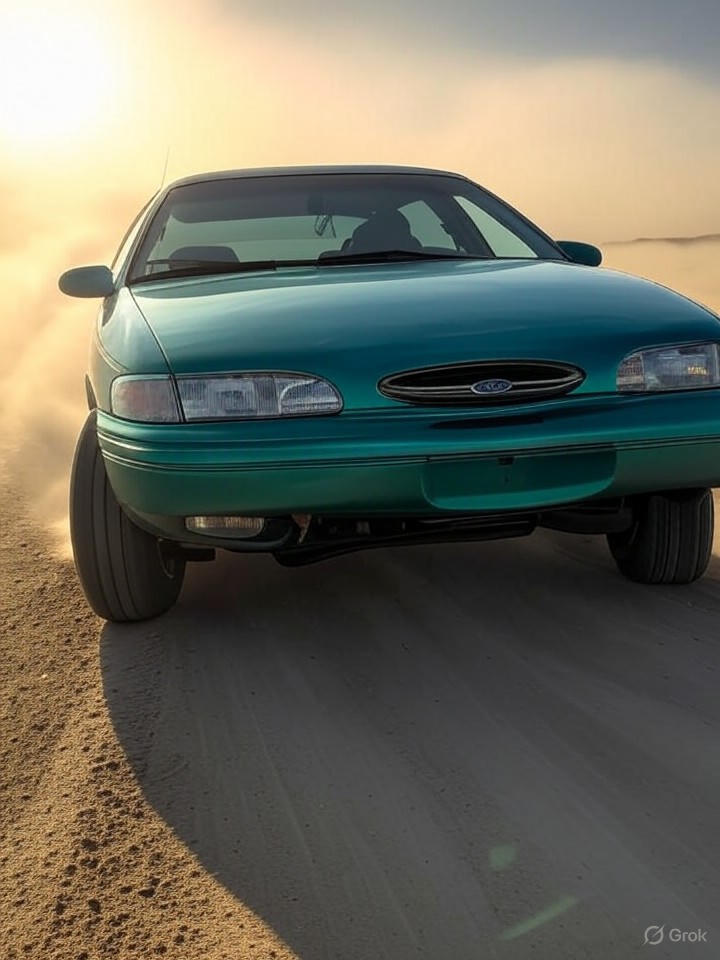
The Taurus was the Ciera's main domestic rival — similar size, similar price, FWD family sedan. The 3.0L Vulcan V6 Taurus tends to be more powerful and comparably reliable, making it a worthy alternative at the same budget.