Intake manifold gasket leak (coolant or oil)
high- Typically appears
- 80–150k mi
- Estimated repair
- $250 – $500
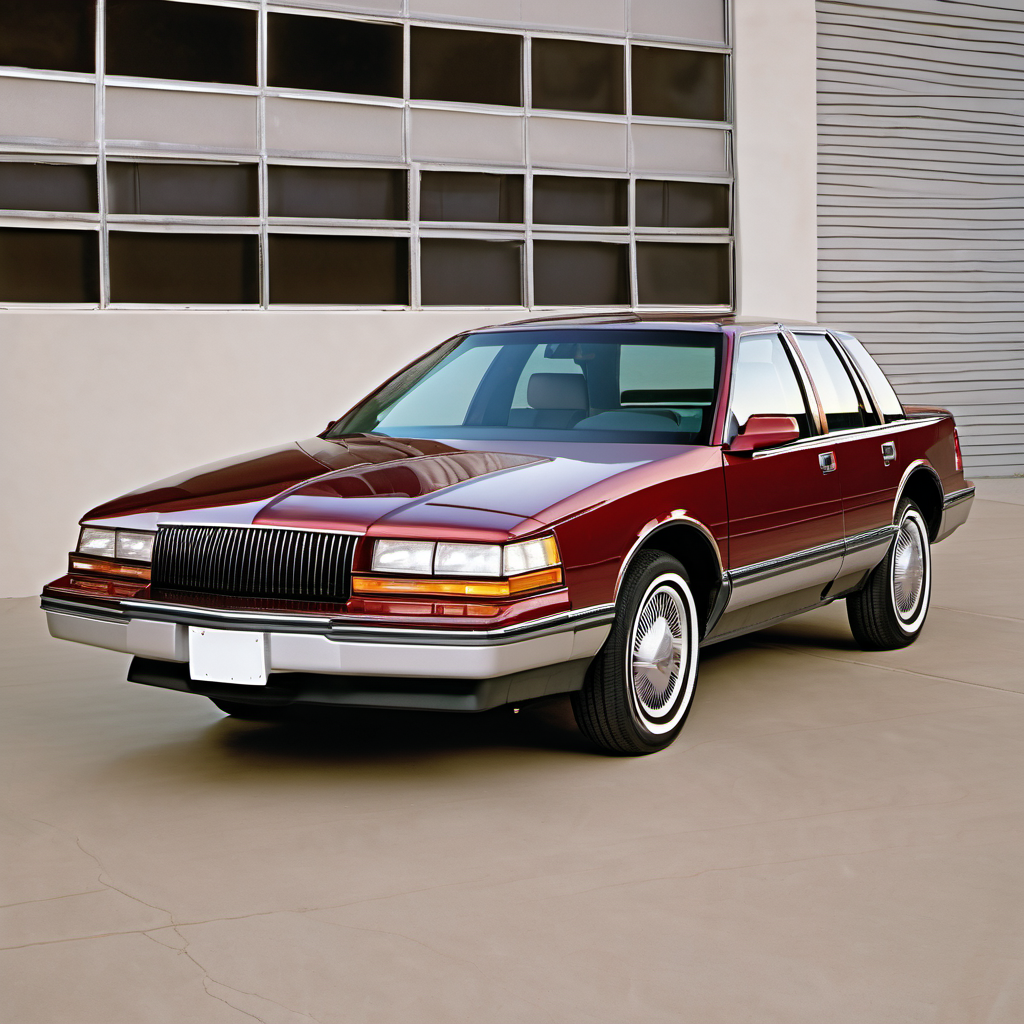
1992 Buick
Coupe
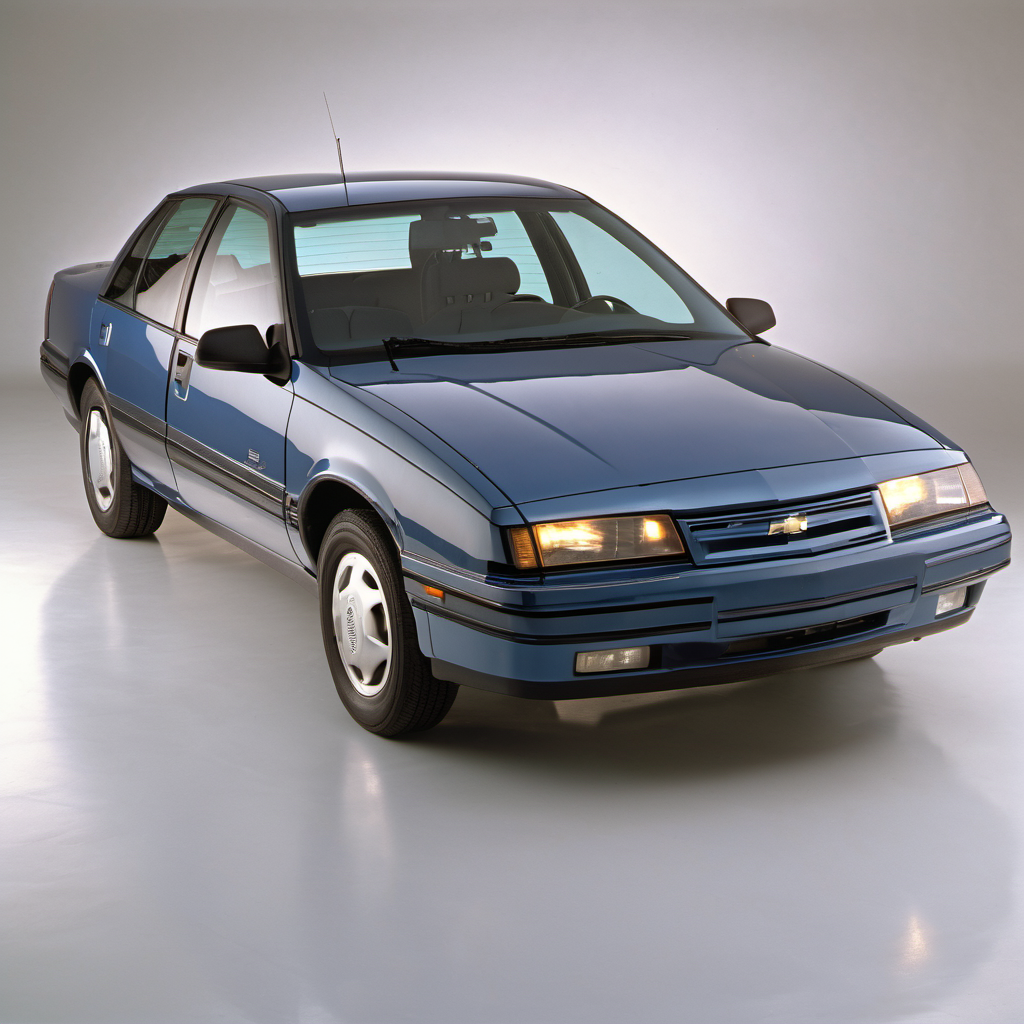
The 1992 Buick Century Coupe is a front-wheel-drive personal coupe built on GM's A-body platform, shared with the Oldsmobile Cutlass Ciera and Pontiac 6000. It was squarely aimed at mature buyers who wanted a comfortable, easy-driving American car with a smooth ride and straightforward ownership. By 1992 the Century was a well-sorted, mature design — nothing exotic, nothing to love from a performance standpoint, but genuinely competent at what it set out to do. The base engine in the coupe was GM's 2.5L Tech IV four-cylinder, a long-running iron-block unit known for durability if not excitement. A 3.3L V6 was also available. Both engines fed a 3-speed automatic. Interior space for a coupe is decent, and the ride quality was a clear priority over handling. Parts remain very affordable and widely available through standard auto-parts chains. At over 30 years old, every surviving Century is now a used vehicle requiring honest inspection. These cars were popular with older owners who maintained them well, but rust from Midwestern road salt is the number-one concern today. Mechanically, survivors tend to be solid — this generation had most of its engineering gremlins worked out — but age-related issues with rubber, wiring, and brake hardware are universal.
The 1992 Buick Century Coupe is a front-wheel-drive personal coupe built on GM's A-body platform, shared with the Oldsmobile Cutlass Ciera and Pontiac 6000. It was squarely aimed at mature buyers who wanted a comfortable, easy-driving American car with a smooth ride and straightforward ownership. By 1992 the Century was a well-sorted, mature design — nothing exotic, nothing to love from a performance standpoint, but genuinely competent at what it set out to do. The base engine in the coupe was GM's 2.5L Tech IV four-cylinder, a long-running iron-block unit known for durability if not excitement. A 3.3L V6 was also available. Both engines fed a 3-speed automatic. Interior space for a coupe is decent, and the ride quality was a clear priority over handling. Parts remain very affordable and widely available through standard auto-parts chains. At over 30 years old, every surviving Century is now a used vehicle requiring honest inspection. These cars were popular with older owners who maintained them well, but rust from Midwestern road salt is the number-one concern today. Mechanically, survivors tend to be solid — this generation had most of its engineering gremlins worked out — but age-related issues with rubber, wiring, and brake hardware are universal.
The Tech IV has a known tendency to sludge if oil changes are skipped. On a 30-year-old engine, fresh oil is cheap insurance.
All coolant hoses are at least 30 years old. A blown hose on a Wisconsin highway in January is a tow call. Replace proactively if hoses feel soft, stiff, or show any cracking.
The 3T40 automatic does not tolerate neglected fluid. Dark or burnt-smelling fluid is an early warning sign of impending shift problems.
Brake lines, fuel lines, subframe, and floor pans are the primary victims of Wisconsin road salt. Catching rust early is far cheaper than addressing structural failure.
Brake fluid absorbs moisture over time, lowering boiling point and accelerating internal corrosion in calipers and wheel cylinders — a particular concern on an older vehicle.
The Tech IV uses standard copper plugs. Old plug wires crack in cold weather and cause misfires; these are cheap insurance on a 30-year-old car.
Cold cranking is harder on a worn battery. Lake Geneva winters regularly drop below 0°F; a battery that passes a summer test can still leave you stranded in January.
Tire pressure drops roughly 1 PSI per 10°F drop in temperature. Underinflated tires hurt fuel economy and handling on this FWD car.
Always defer to the manufacturer's service manual for warranty-mandated intervals.
This is a genuinely low-cost vehicle to own if it is rust-free and mechanically sound. Parts are inexpensive and widely stocked. The biggest financial risk is deferred rust repair — what looks like a minor surface issue can quickly become a brake line or structural problem. Annual routine maintenance is modest; budget more in the first year of ownership to address 30-year-old consumables (hoses, belts, fluids, plugs/wires).
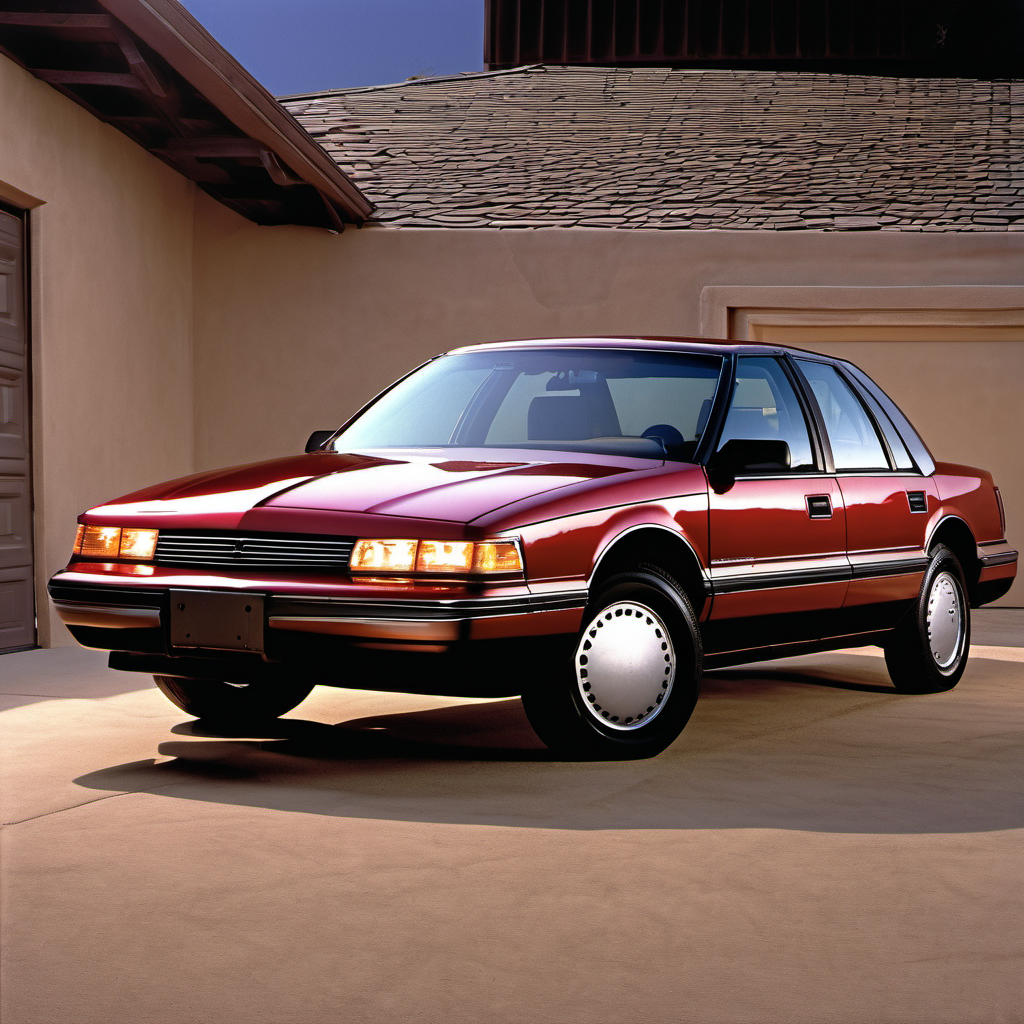
Shares the same GM A-body platform, engine options, and transmission — nearly identical to own and maintain, with slightly different styling.
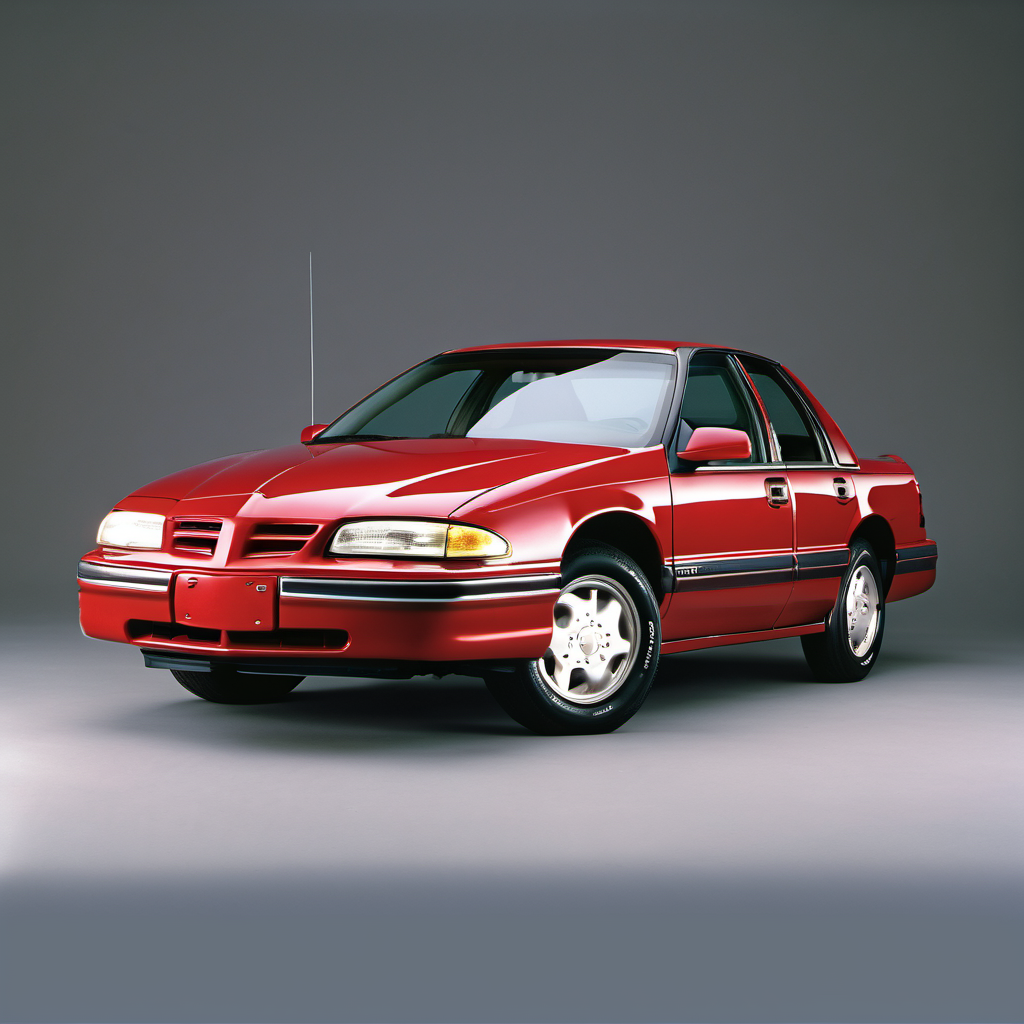
Same GM N-body era, similar FWD layout and price point, slightly sportier character but same generation of running gear.
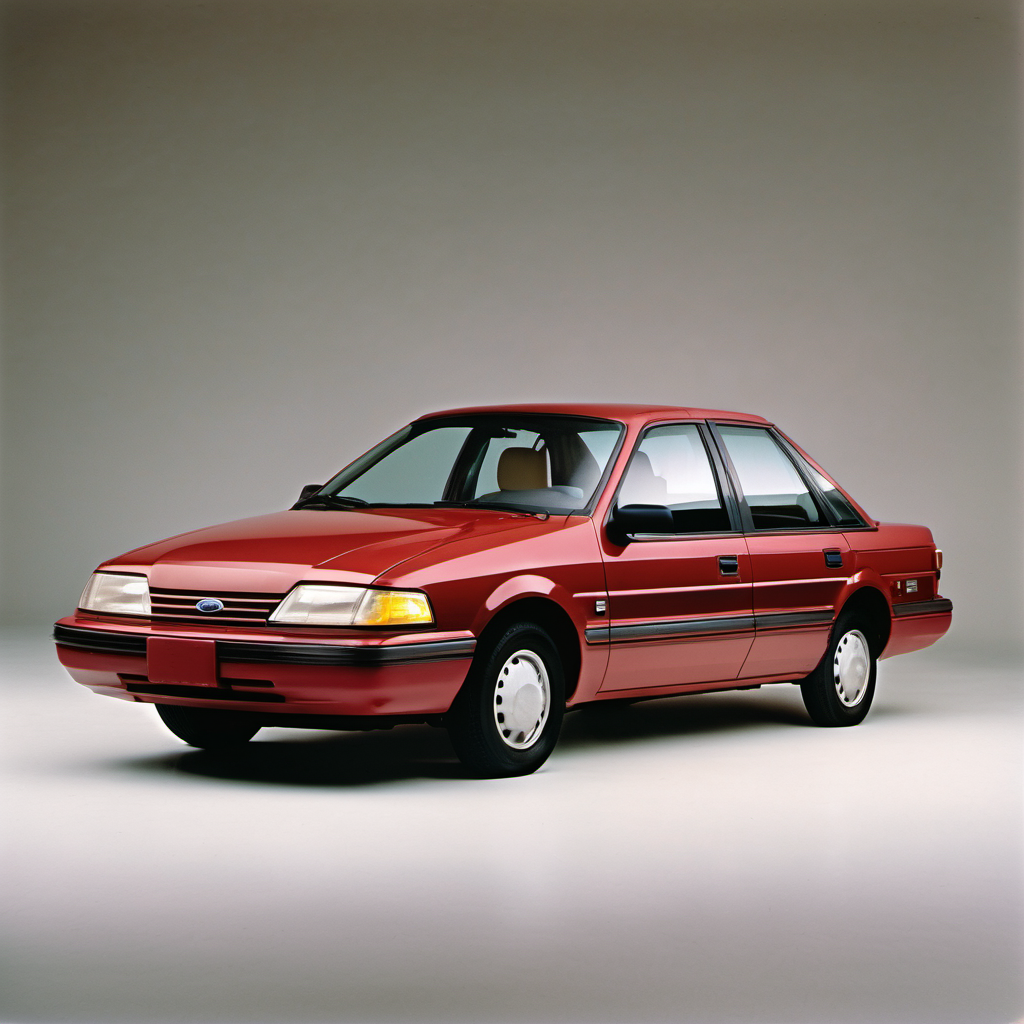
Direct competitor in the entry-level American FWD coupe/sedan segment; similar price, similar simplicity, similar ownership profile.
Another GM stablemate in the same market segment with comparable reliability, parts availability, and ownership cost.