Timing chain tensioner wear / chain noise
high- Typically appears
- 100k+ mi
- Estimated repair
- $300 – $700
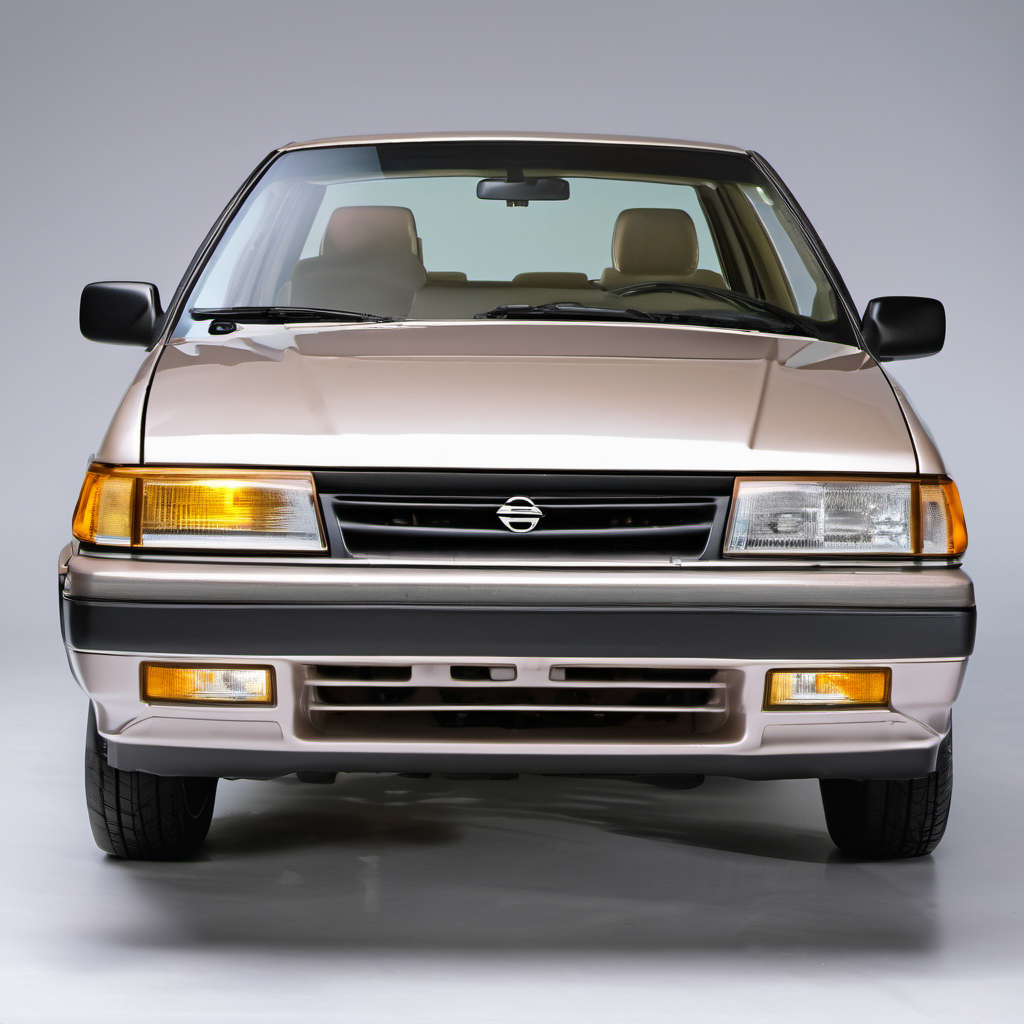
1992 Nissan
Sedan
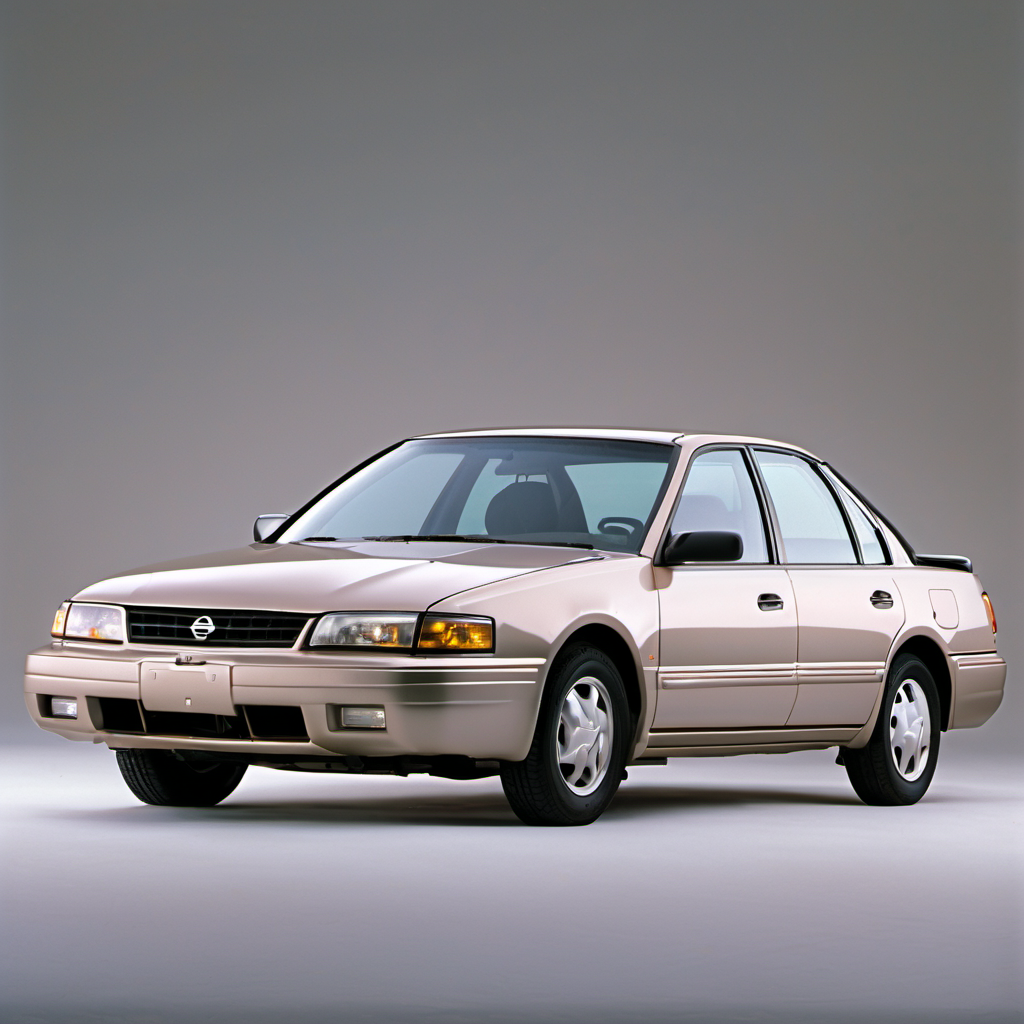
The 1992 Nissan Stanza was the final model year of the nameplate before Nissan replaced it with the Altima for 1993. It's a front-wheel-drive compact sedan built on Nissan's U12 platform, powered by a 2.4L inline-four. By 1992, the Stanza had grown into near-midsize dimensions while keeping a practical, no-nonsense character focused on reliability and everyday usability. This generation received a significant refresh and engine upgrade in 1990, swapping the earlier 2.0L for the larger KA24E — the same engine family used in the Nissan pickup and 240SX. That swap brought more torque and smoother power delivery, though fuel economy was modest for the class. The KA24E is a proven, durable unit with a long service history across multiple Nissan platforms. At over 30 years old, any surviving Stanza is now a high-mileage survivor. The cars that remain on the road tend to be well-cared-for examples. Parts availability has thinned considerably, particularly for interior trim and body components, so sourcing can require patience. Mechanically, the KA24E is still supported by the aftermarket thanks to its use in other Nissan models.
The 1992 Nissan Stanza was the final model year of the nameplate before Nissan replaced it with the Altima for 1993. It's a front-wheel-drive compact sedan built on Nissan's U12 platform, powered by a 2.4L inline-four. By 1992, the Stanza had grown into near-midsize dimensions while keeping a practical, no-nonsense character focused on reliability and everyday usability. This generation received a significant refresh and engine upgrade in 1990, swapping the earlier 2.0L for the larger KA24E — the same engine family used in the Nissan pickup and 240SX. That swap brought more torque and smoother power delivery, though fuel economy was modest for the class. The KA24E is a proven, durable unit with a long service history across multiple Nissan platforms. At over 30 years old, any surviving Stanza is now a high-mileage survivor. The cars that remain on the road tend to be well-cared-for examples. Parts availability has thinned considerably, particularly for interior trim and body components, so sourcing can require patience. Mechanically, the KA24E is still supported by the aftermarket thanks to its use in other Nissan models.
Older engine seals and higher blow-by benefit from more frequent oil changes. Use a conventional 10W-30 unless oil consumption suggests otherwise.
Hoses on a 30+ year-old car are past their service life regardless of appearance. A failed hose in a Wisconsin winter is a breakdown event.
The KA24E uses a timing chain, not a belt, so there's no scheduled replacement — but tensioners do wear on high-mileage engines. A rattle on cold start is a warning sign.
Age degrades ignition components as much as mileage. Worn ignition parts cause rough starts in cold weather — a real problem at Lake Geneva temps.
Old coolant loses its corrosion inhibitors and becomes acidic, attacking the aluminum components and water pump seals in the KA24E.
Torn boots let grease escape and allow grit in — leading to CV joint failure. Catching a torn boot early means a $30 boot kit instead of a $200+ axle replacement.
Brake fluid is hygroscopic and absorbs water over time, lowering boiling point and promoting caliper and master cylinder corrosion — especially in a salt-belt car.
At this age in Wisconsin, rust is the car's biggest structural risk. Check brake lines, fuel lines, frame rails, and floor pans every year.
Always defer to the manufacturer's service manual for warranty-mandated intervals.
The Stanza's ownership costs are low when the car is in good shape — parts are inexpensive and the KA24E is simple to work on. The wildcard is age-related repairs: a cooling system overhaul, rust remediation, or brake line replacement can easily push a single year's costs over $1,500. Budget for surprises and don't defer maintenance on safety-critical systems.
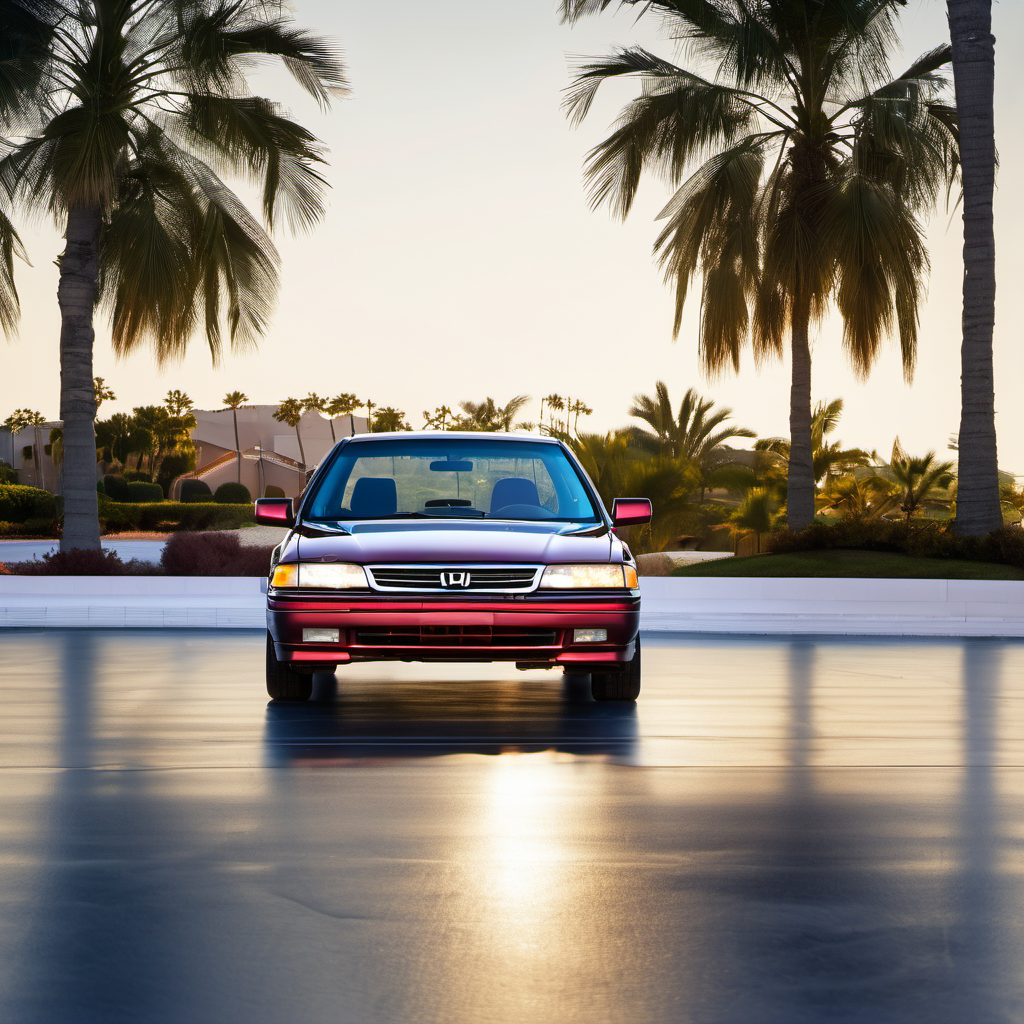
Same era front-wheel-drive compact sedan, similar price and mission. The Accord's F22 engine is equally durable and arguably has better parts availability today.
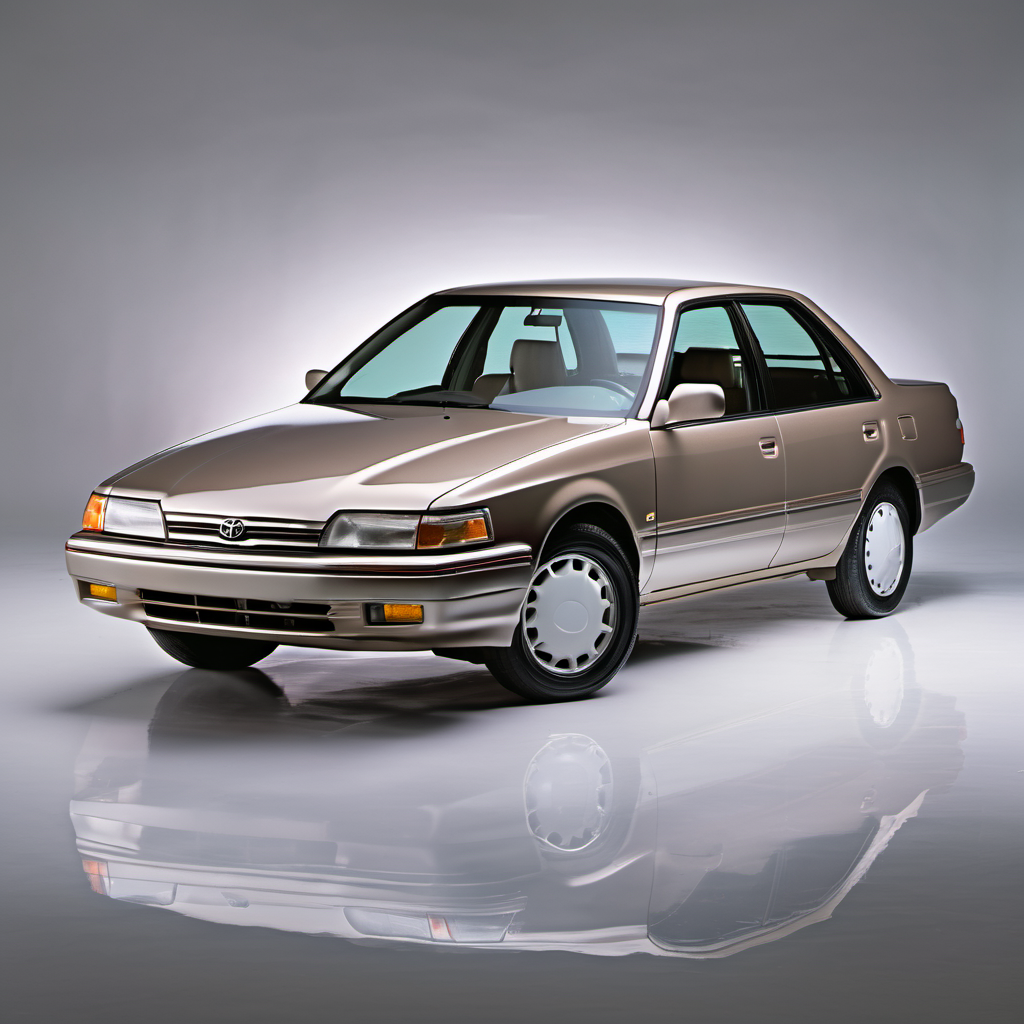
Direct competitor in the same segment. The 5S-FE engine is similarly proven, and Toyota's rust reputation gives it a slight edge on surviving Midwest examples.
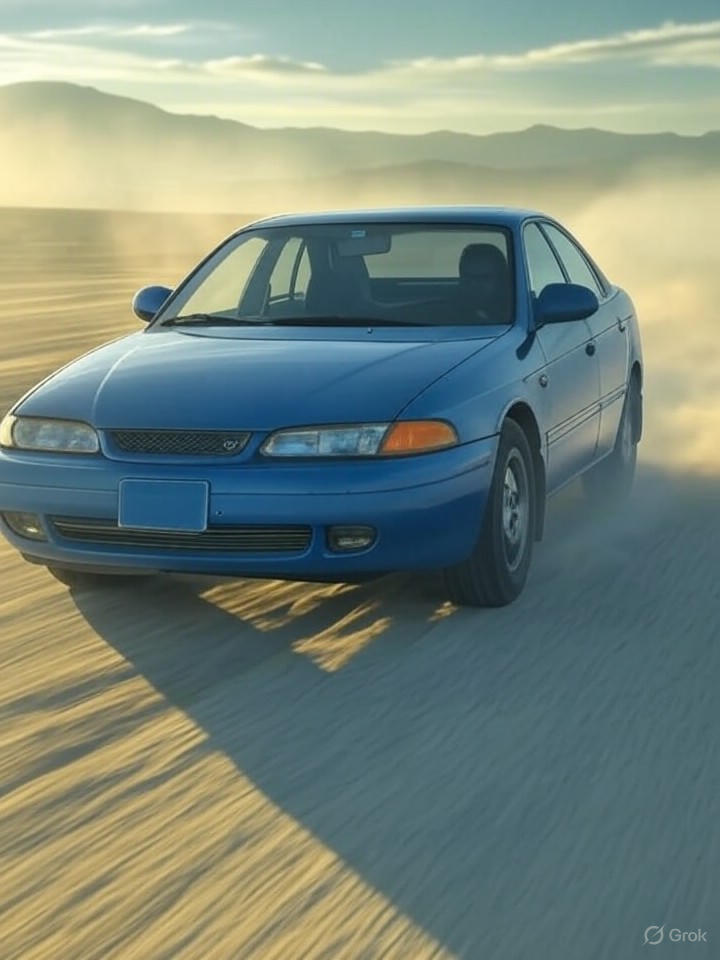
Comparable front-wheel-drive family sedan from the same period. Similar pricing and use case, though the 626 can have automatic transmission issues on higher-mileage examples.
The Stanza's direct replacement. Uses the same KA24DE engine (twin-cam version of the same block), so mechanics familiar with one can service the other. Better parts availability.