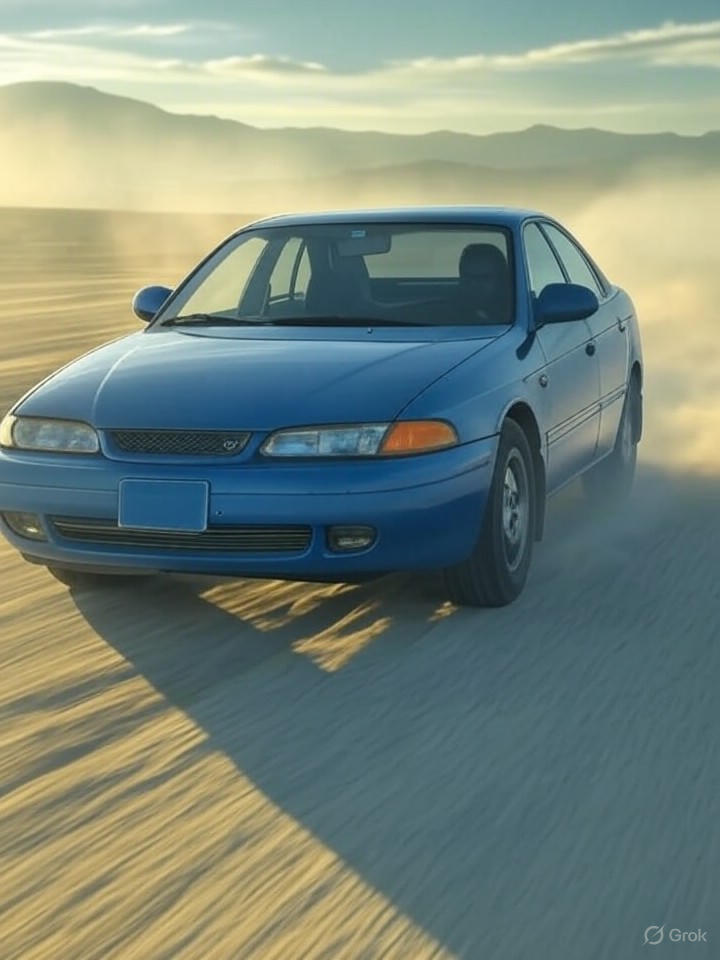
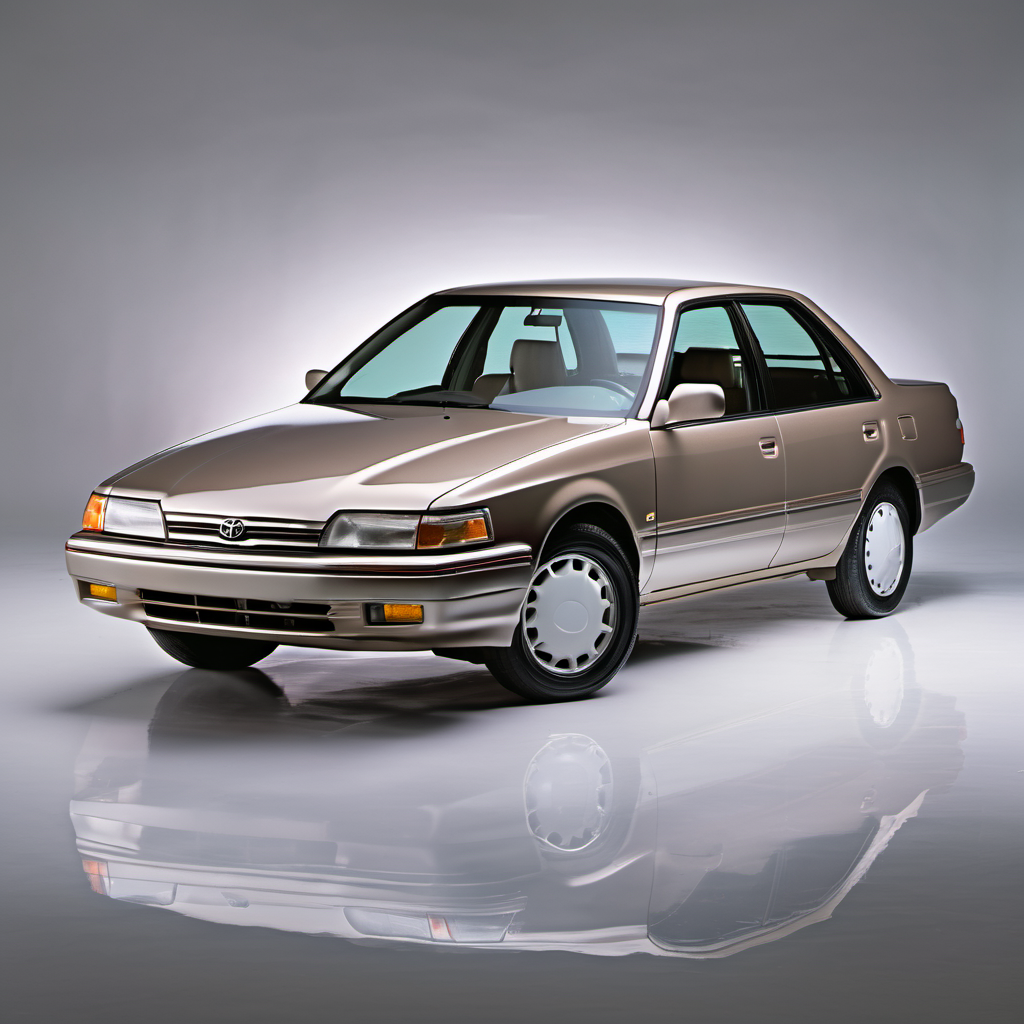
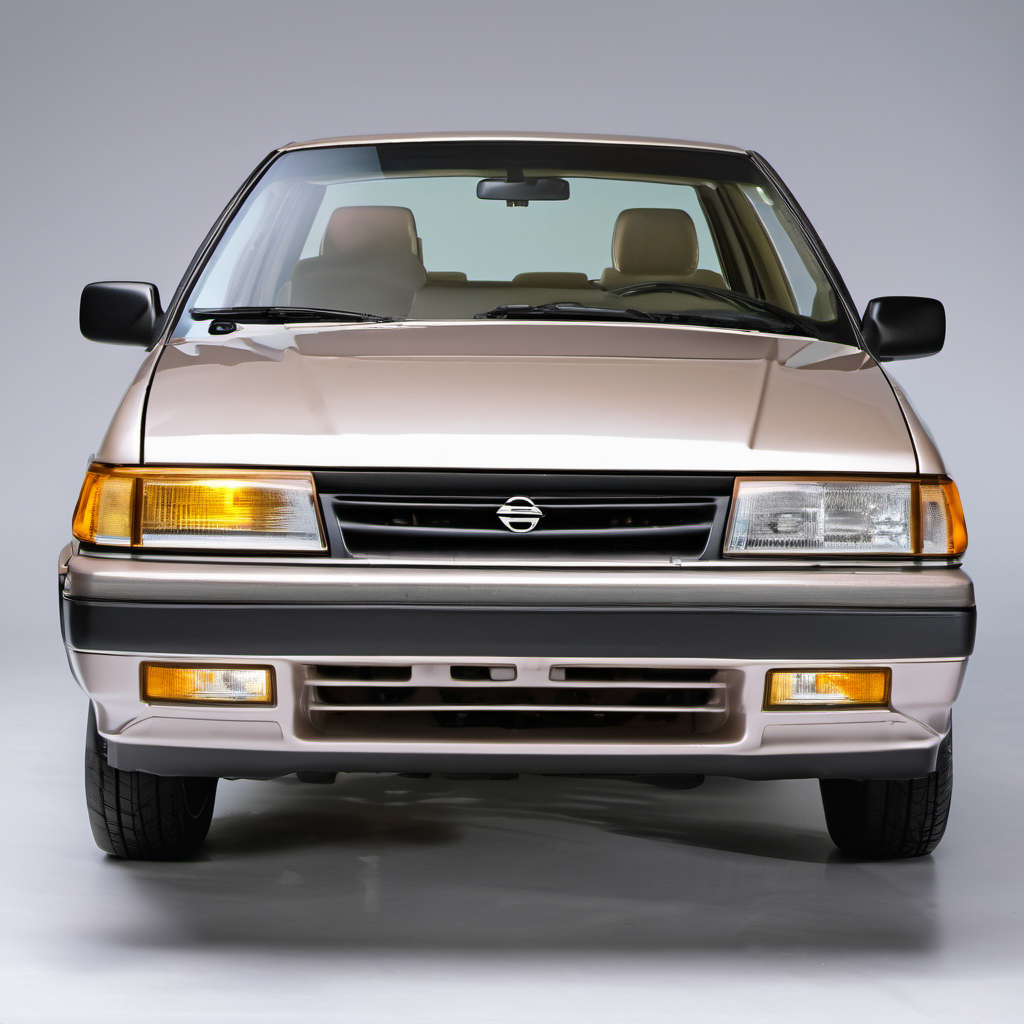
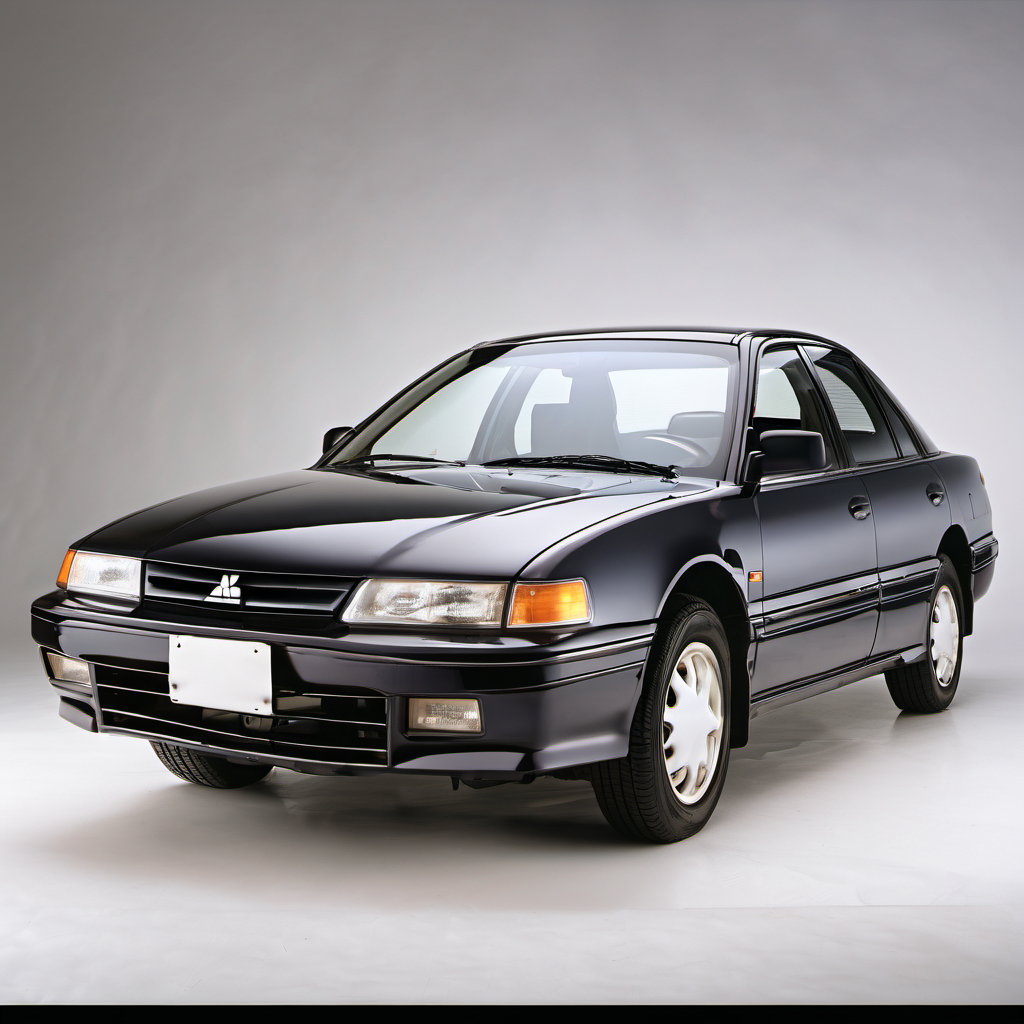
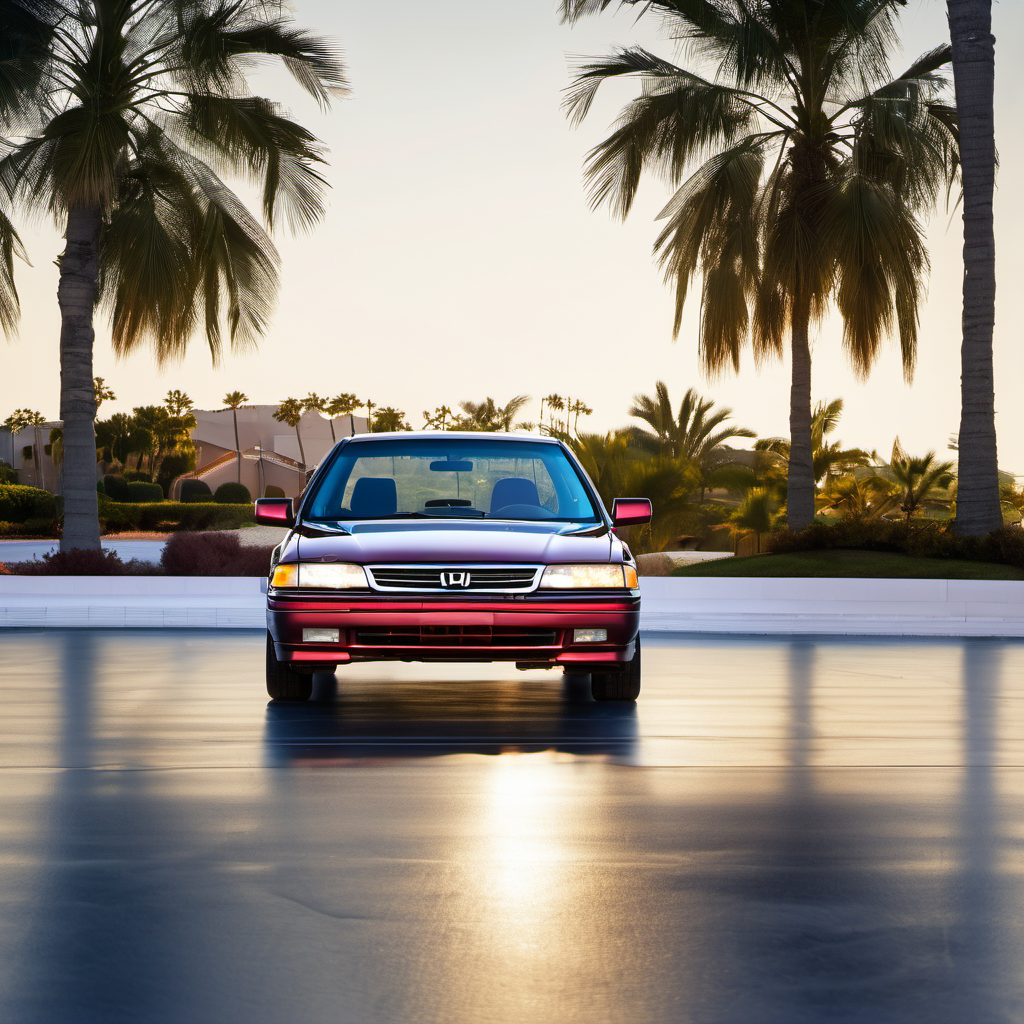
1992 MAZDA 626 Sedan

1992 MAZDA

626Sedan

2.0L I4 · Sedan

The 1992 Mazda 626 is a compact front-wheel-drive sedan that earned a strong reputation in its era for driving enjoyment and build quality above the class average. It offered a more engaging, car-like feel than most competitors, with a well-sorted suspension and a cabin that held up better than many Japanese rivals of the period. Powered by either a 2.0L four-cylinder or an optional 2.5L V6 (in the LX/ES trims), the 626 was positioned as a sporty yet practical family sedan. The four-cylinder cars are the more reliable of the two — the V6 brought complexity without a proportional reliability payoff. At 30+ years old, any surviving 626 is a vintage car at this point. Rust, dried-out rubber, and aged electronics are the primary concerns. Parts availability has thinned considerably, so owners need to be resourceful. That said, a well-cared-for example can still be a rewarding daily driver for someone willing to stay on top of maintenance.

Reliability
3/5
Verified data
Engine
2.0L I4
Drivetrain
FWD
Fuel
Gasoline
MPG
23 city / 30 hwy / 26 combined
Seats
5
Doors
4
Body
Sedan
MSRP
$13,200

Overview

AI-curated

The 1992 Mazda 626 is a compact front-wheel-drive sedan that earned a strong reputation in its era for driving enjoyment and build quality above the class average. It offered a more engaging, car-like feel than most competitors, with a well-sorted suspension and a cabin that held up better than many Japanese rivals of the period. Powered by either a 2.0L four-cylinder or an optional 2.5L V6 (in the LX/ES trims), the 626 was positioned as a sporty yet practical family sedan. The four-cylinder cars are the more reliable of the two — the V6 brought complexity without a proportional reliability payoff. At 30+ years old, any surviving 626 is a vintage car at this point. Rust, dried-out rubber, and aged electronics are the primary concerns. Parts availability has thinned considerably, so owners need to be resourceful. That said, a well-cared-for example can still be a rewarding daily driver for someone willing to stay on top of maintenance.

Known for
  • Sporty, responsive handling for a front-wheel-drive compact
  • Well-built interior that aged better than many peers
  • Smooth, capable 2.0L four-cylinder engine
  • Accessible independent-shop maintenance on the 4-cylinder
Best for
  • Enthusiasts who enjoy classic Japanese compact sedans
  • Budget-conscious drivers comfortable with older vehicle ownership
  • Someone with a reliable parts source or mechanical aptitude
  • Short- to medium-distance daily driving
Watch for
  • Significant underbody rust from Wisconsin road salt exposure — this is the top killer of these cars
  • V6 automatic transmission reliability is notably poor
  • Aging rubber: coolant hoses, engine mounts, suspension bushings all need attention
  • Dwindling OEM and aftermarket parts availability
  • Electrical gremlins from age-hardened wiring and connectors

Common issues by mileage

6 known

Automatic Transmission Failure (V6)

high
Typically appears
80–130k mi
Estimated repair
$1,200 – $2,800

Coolant Hose Deterioration and Overheating

high
Typically appears
Any mileage at this age
Estimated repair
$150 – $450

Engine and Accessory Belt Wear (Timing Belt Interval Critical)

high
Typically appears
Every 60k mi
Estimated repair
$300 – $650

Suspension Bushing and Mount Deterioration

high
Typically appears
Any mileage at this age
Estimated repair
$300 – $900

Underbody and Frame Rust (Wisconsin Salt Exposure)

high
Typically appears
Any mileage — age-driven
Estimated repair
$200 – $2,500

Oxygen Sensor Failure / Rough Running

medium
Typically appears
80k+ mi
Estimated repair
$100 – $300

Maintenance schedule

  1. 1
    Every 60,000 miles or 5 years, whichever comes first Timing belt replacement

    The 2.0L is an interference engine — a snapped belt means bent valves and a very expensive repair. At this age, replace it regardless of mileage if history is unknown.

  2. 2
    Every 2 years Coolant flush and hose inspection

    30-year-old coolant hoses crack and collapse internally. A hose failure in a Wisconsin winter can leave you stranded and cause engine damage. Inspect every hose at every oil change.

  3. 3
    Every 3,000–4,000 miles with conventional oil Engine oil change

    Older engines with higher mileage benefit from shorter oil change intervals. Sludge buildup accelerates wear on this era's engines.

  4. 4
    Every 2 years Brake fluid flush

    Brake fluid absorbs moisture over time, lowering its boiling point. At this vehicle's age, fresh fluid is inexpensive insurance against brake fade.

  5. 5
    Every spring after winter season Full underbody rust inspection

    Wisconsin road salt is aggressive. Inspect brake lines, fuel lines, and subframe mounts annually. Rust on brake or fuel lines is a safety emergency.

  6. 6
    Annually Suspension and steering component inspection

    Ball joints, tie rod ends, and bushings on a 30-year-old car can fail without warning. Check for play, clunking, and uneven tire wear.

  7. 7
    Every fall before winter Battery load test

    Cold cranking amps drop sharply below 0°F. A battery that starts the car fine in September may not in January. Test and replace proactively.

  8. 8
    Every 30,000 miles Spark plugs and ignition wires

    Aged ignition wires crack and arc, causing misfires that are hard to diagnose. On a car this old, replace the full ignition tune-up kit if history is unknown.

Always defer to the manufacturer's service manual for warranty-mandated intervals.

Cost of ownership

Annual maintenance
$600 – $1,800
Fuel
At ~26 MPG combined, expect roughly $1,300–$1,600/year based on 12,000 miles and current Wisconsin gas prices. The V6 will run closer to 22 MPG combined.
Insurance
Liability-only coverage on a vehicle this age typically runs $400–$700/year in the Lake Geneva area depending on driver profile. Full coverage rarely makes financial sense given market value.

A well-maintained 4-cylinder 626 is inexpensive to fuel and insure, but maintenance costs are unpredictable at this age. Budget for deferred items: if timing belt, hoses, bushings, and brakes haven't been done recently, plan for $800–$1,500 in catch-up work in year one. Parts are becoming harder to source — factor in extra labor time when your shop has to hunt down components.
Seasonal care

Lake Geneva, WI
Winter
  • Test battery every fall — cold Wisconsin starts demand a fully healthy battery. Replace anything testing below 70% capacity before November.
  • Switch to a full-synthetic or high-quality conventional 5W-30 oil to ensure proper cold-weather flow on sub-zero mornings.
  • Inspect and replace wiper blades with winter-rated blades; use -20°F or colder rated washer fluid — standard fluid freezes on impact at Wisconsin temperatures.
  • Flush brake lines and inspect for rust — corroded steel brake lines are a known failure point on salt-belt cars this age and are a serious safety hazard.
  • Check antifreeze concentration; aim for protection to at least -34°F. On a 30-year-old car, this likely means a full coolant flush.
  • After every significant snow event, rinse the undercarriage at a self-serve car wash to remove road salt from brake lines, fuel lines, and suspension components.
Summer
  • Inspect the A/C system for refrigerant leaks — R-12 refrigerant (used in this year) is no longer produced and expensive; many shops will retrofit to R-134a, which is worth doing if A/C is needed.
  • Check tire pressure monthly — temperatures above 85°F cause pressure to rise, and aged tires on a vehicle this old may already be at or past their safe service life regardless of tread depth.
  • Inspect the cooling system before summer heat — a marginal thermostat or water pump that limps through winter will often fail under summer load.
  • Check that the radiator cooling fan operates correctly at idle; fan motor failure is common on high-mileage cars this age and leads to overheating in traffic.

Comparable vehicles

If you're shopping for one

Red flags
  • Any rust on brake or fuel lines — walk away unless you're prepared for immediate line replacement
  • No service records and an unknown timing belt history on an interference engine — the risk is catastrophic engine damage
  • Transmission slipping, hunting for gears, or a burnt-fluid smell in the automatic — rebuilds cost more than the car is worth
  • Excessive oil consumption (more than 1 qt per 1,000 miles) indicating worn rings or valve seals
  • Check engine light with multiple stored codes — on a 30-year-old car, a cluster of faults often means deferred maintenance and neglect
  • Strong musty smell inside the cabin — can indicate water intrusion from a failing windshield seal or rusted floor pans
What to inspect
  • Put the car on a lift and inspect every inch of the underbody — brake lines, fuel lines, subframe, floor pans, and suspension mounts for rust perforation
  • Ask for timing belt service records; if unknown, budget for immediate replacement before driving
  • Check all coolant hoses by squeezing — they should be firm and pliable, not rock-hard, cracked, or mushy
  • Test drive for transmission slippage (automatic) or clutch slip/chatter (manual) — both are expensive repairs
  • Inspect for oil leaks at the valve cover gasket, cam seals, and rear main seal — common at this age
  • Check all four corners for rust bubbling under the rocker panels and wheel arches — often hides structural rust
AI profile generated 4 days ago · claude-sonnet-4-6 · v2.