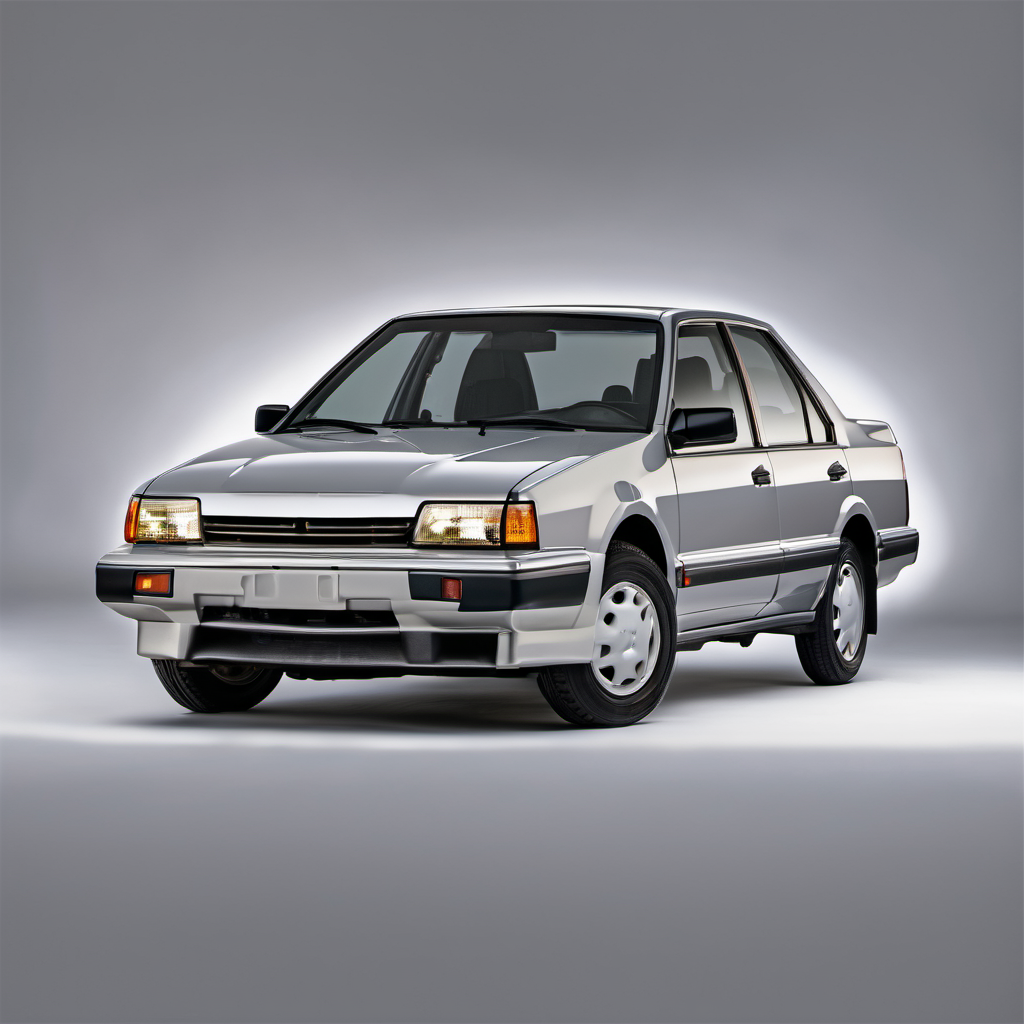
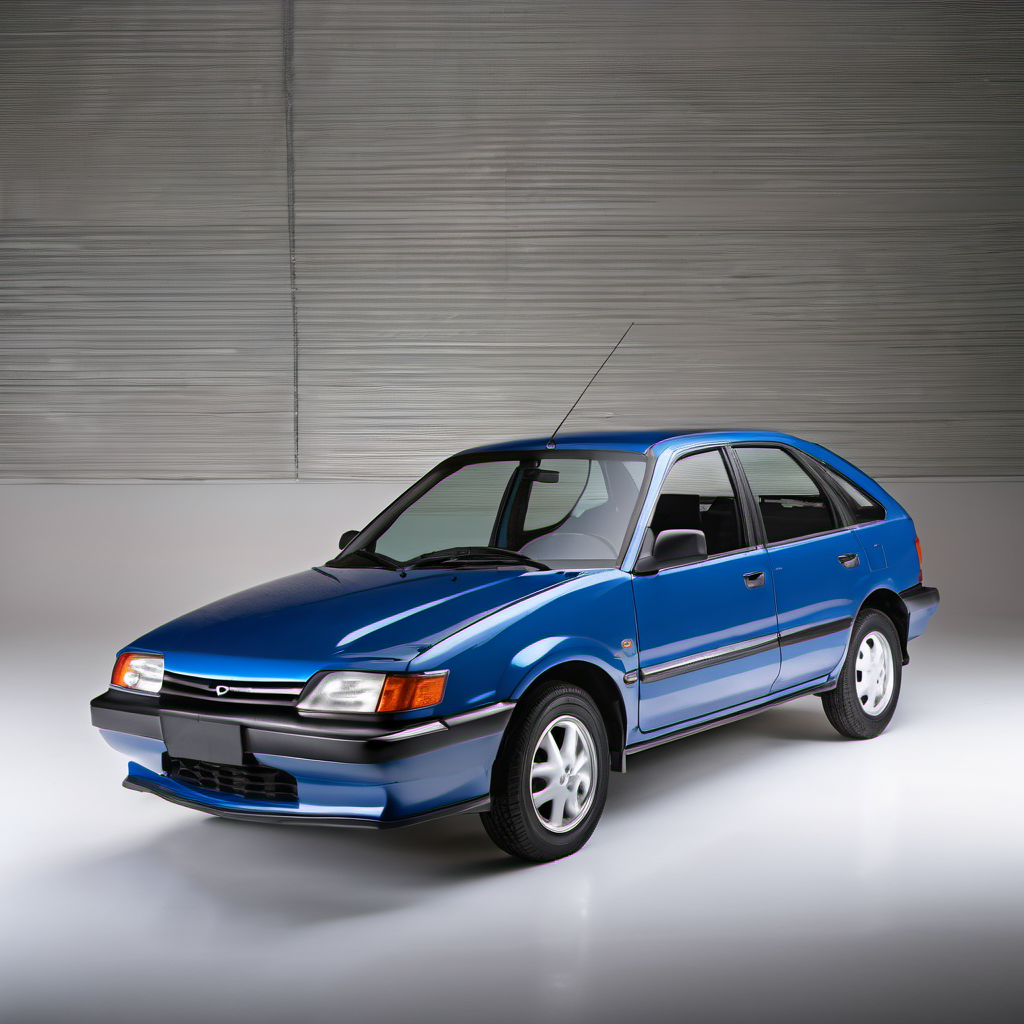
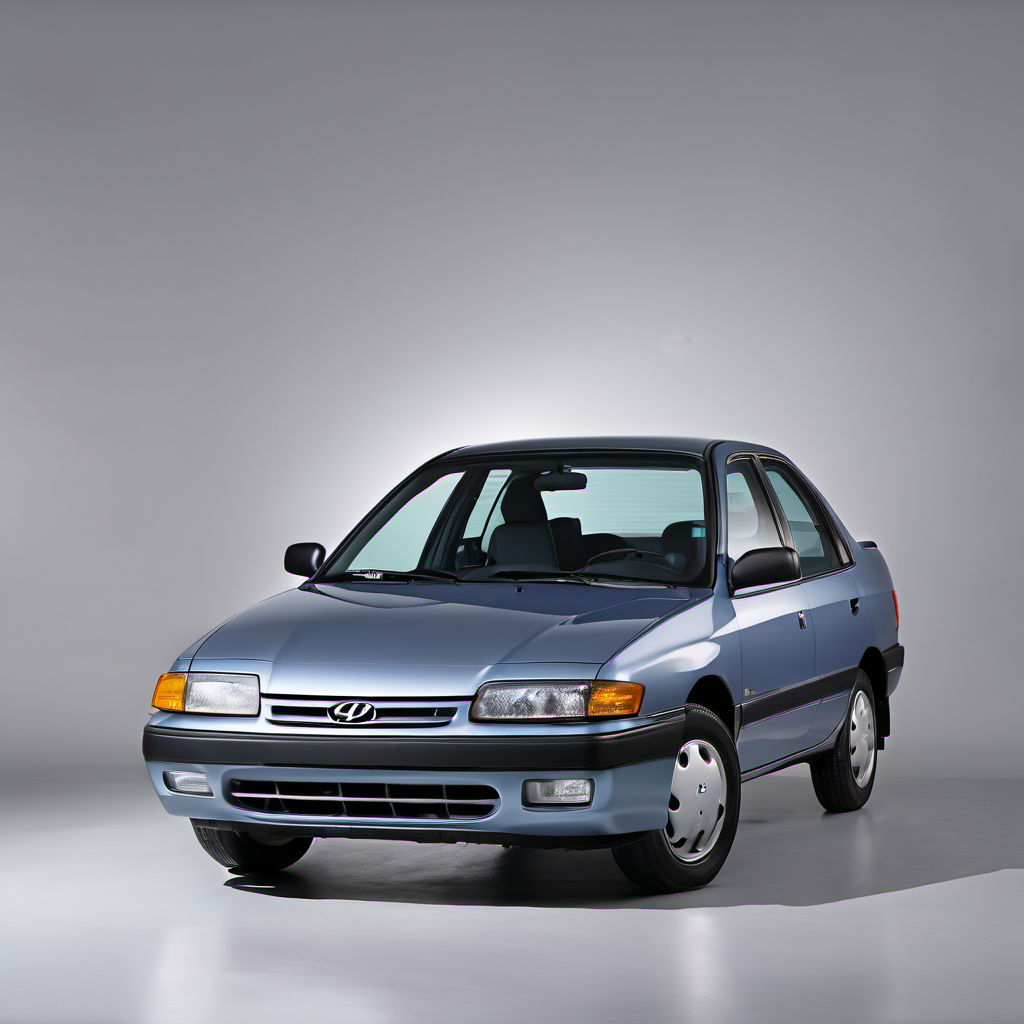
1992 Nissan Sentra Coupe

1992 Nissan

SentraCoupe

Coupe

The 1992 Nissan Sentra Coupe is a second-generation B13-platform economy car that earned a loyal following for being cheap to own, easy to fix, and surprisingly durable. Powered by a 1.6L four-cylinder with multi-point fuel injection, it was positioned squarely as affordable, no-frills transportation — and it delivered on that promise for hundreds of thousands of buyers. At over 30 years old, any surviving example is a high-mileage veteran or a garage-kept survivor. Rust is the single biggest enemy of these cars in the upper Midwest — the B13 platform was not known for thick galvanizing, and Wisconsin salt roads have claimed the majority of them. A mechanically sound one with a clean body is genuinely rare and worth preserving. Parts are inexpensive and still available through aftermarket suppliers. The SR20DE and GA16DE engines in this generation are well-understood by independent shops. Labor costs are low thanks to the simple, accessible engine bay. For someone who needs basic, fixable transportation on a tight budget, a rust-free example can still be a smart choice.

Reliability
3/5
Verified data
Specs shown for Sentra — the most common configuration. Other trims may vary in engine, drivetrain, or fuel economy. Sign in to see your vehicle's exact specs.
Engine
[object Object]
Drivetrain
FWD
Fuel
Gasoline
MPG
24 city / 30 hwy / 26 combined
Seats
Doors
Body
Subcompact Cars

Overview

AI-curated

The 1992 Nissan Sentra Coupe is a second-generation B13-platform economy car that earned a loyal following for being cheap to own, easy to fix, and surprisingly durable. Powered by a 1.6L four-cylinder with multi-point fuel injection, it was positioned squarely as affordable, no-frills transportation — and it delivered on that promise for hundreds of thousands of buyers. At over 30 years old, any surviving example is a high-mileage veteran or a garage-kept survivor. Rust is the single biggest enemy of these cars in the upper Midwest — the B13 platform was not known for thick galvanizing, and Wisconsin salt roads have claimed the majority of them. A mechanically sound one with a clean body is genuinely rare and worth preserving. Parts are inexpensive and still available through aftermarket suppliers. The SR20DE and GA16DE engines in this generation are well-understood by independent shops. Labor costs are low thanks to the simple, accessible engine bay. For someone who needs basic, fixable transportation on a tight budget, a rust-free example can still be a smart choice.

Known for
  • Low purchase and operating costs
  • Simple, mechanic-friendly engine and drivetrain
  • Decent fuel economy for a 1992 vehicle
  • Lightweight and easy to maneuver in city traffic
  • Long parts availability through aftermarket
Best for
  • Budget-conscious commuters
  • First-time car owners or young drivers
  • DIY mechanics learning on an approachable platform
  • Short urban or suburban trips
Watch for
  • Severe rust on floor pans, subframe, and rocker panels — the top killer of these cars in Wisconsin
  • Age-hardened rubber: coolant hoses, belts, and suspension bushings degrade badly after 30+ years regardless of mileage
  • Distributor and ignition module failures common with age
  • A/C systems are old R-12 refrigerant spec — retrofitting to R-134a adds cost
  • Limited crash safety by modern standards — no airbags on base trims

Common issues by mileage

6 known

Rust — floor pans, rocker panels, and subframe

high
Typically appears
Any mileage on Midwest cars
Estimated repair
$500 – $4,000

Age-cracked coolant hoses and upper/lower radiator hoses

high
Typically appears
Any — 30+ year old rubber
Estimated repair
$80 – $250

Distributor cap, rotor, and ignition module failure

high
Typically appears
80k–150k mi
Estimated repair
$100 – $350

Timing chain tensioner wear (rattles on cold start)

medium
Typically appears
100k–180k mi
Estimated repair
$200 – $600

CV axle boots cracked or torn, joint worn

high
Typically appears
80k+ mi
Estimated repair
$150 – $400

Worn struts and deteriorated suspension bushings

high
Typically appears
80k+ mi / any age
Estimated repair
$300 – $900

Maintenance schedule

  1. 1
    Immediately on any newly acquired example; every 4–5 years thereafter Full rubber refresh — coolant hoses, heater hoses, and drive belts

    30-year-old rubber is ticking time bomb regardless of visual condition. A burst hose in a Wisconsin winter is a tow and potential engine damage.

  2. 2
    Every 3,000–4,000 mi using conventional 5W-30 Engine oil and filter change

    Older engines with high miles benefit from slightly shorter intervals; cheap insurance on a vehicle where a rebuild would exceed its value.

  3. 3
    Inspect at 100k mi and every 30k mi thereafter Timing chain and tensioner inspection

    The GA16DE uses a timing chain — it won't snap like a belt but a worn tensioner causes rattle and can lead to jumped timing.

  4. 4
    Every 30k mi Distributor cap, rotor, spark plugs, and plug wires

    Original ignition components are far past service life. Fresh plugs and wires restore fuel economy and cold-start reliability — critical in Wisconsin winters.

  5. 5
    Every 2 years Coolant flush and refill

    Old coolant loses freeze protection and corrosion inhibitors. With sub-zero temperatures common in Lake Geneva, weak coolant can freeze and crack the block.

  6. 6
    Every 2 years Brake fluid flush

    Brake fluid is hygroscopic and absorbs moisture over time, lowering boiling point. On a car this age it's almost certainly overdue.

  7. 7
    Every 15k mi or with each oil change CV axle boots inspection

    Cracked boots let grease escape and allow dirt in, destroying the joint quickly. Catching a split boot early means a $30 boot kit instead of a $200+ axle.

  8. 8
    Every fall before salt season Underbody rust inspection and treatment

    Wisconsin road salt is the primary cause of death for B13 Sentras. Annual inspection of floor pans, rocker seams, and subframe mounting points — with rust converter and undercoating on bare metal — can add years to the car's life.

Always defer to the manufacturer's service manual for warranty-mandated intervals.

Cost of ownership

Annual maintenance
$400 – $1,200
Fuel
At 26 MPG combined and ~12,000 miles/year, expect roughly $1,200–$1,500/year at current mid-grade fuel prices.
Insurance
Liability-only coverage typical for a vehicle this age and value; expect $400–$700/year depending on driver profile.

This is one of the cheapest vehicles to own that you can find — when it's healthy. Parts are inexpensive and labor hours are minimal because the engine bay is simple and spacious. The catch is age: a car this old may need a front-loaded investment of $500–$1,500 to replace all degraded rubber, ignition components, and fluids before it's truly reliable. After that refresh, ongoing costs are low. Budget separately for any rust repair, which can quickly outpace the car's market value.
Seasonal care

Lake Geneva, WI
Winter
  • Switch to 5W-30 full synthetic if not already running it — it flows better in sub-zero Lake Geneva starts and protects better during cold cranking.
  • Test and replace the battery proactively. A battery over 3 years old that struggles in October will almost certainly fail in January.
  • Flush coolant and verify freeze protection to at least -34°F with a test strip — old coolant in a 30-year-old car is a serious risk.
  • Replace wiper blades with winter/snow-rated blades and fill the washer reservoir with a -20°F or colder rated fluid.
  • Inspect and treat all underbody seams, floor pan edges, and rocker panels with rust inhibitor before first salt exposure of the season.
  • Keep the gas tank at least half full — this reduces moisture condensation in the fuel system and adds weight over the drive wheels in slippery conditions.
Summer
  • Inspect the A/C system — this car uses R-12 refrigerant originally. If it hasn't been retrofitted to R-134a, budget for a retrofit kit before summer heat arrives.
  • Check tire pressure monthly; ambient temperature swings in southern Wisconsin cause significant pressure variation and under-inflation accelerates wear.
  • Inspect the radiator for external debris and the coolant level — a 30-year-old cooling system works hard in heat and any small leak becomes a bigger problem quickly.
  • Check brake pad thickness; heat can accelerate brake fade on worn pads, especially during summer stop-and-go driving.

Comparable vehicles

If you're shopping for one

Red flags
  • Any rust perforation through floor pans or structural rocker panels — repair costs will exceed the car's value.
  • Milky or foamy oil on the dipstick or cap — indicates head gasket failure or coolant intrusion.
  • Cold-start timing chain rattle that persists past 20 seconds of running.
  • A seller who can't produce any maintenance history on a 30+ year old car — assume everything consumable needs replacement.
  • Visible frame or subframe rust-through at suspension mounting points — this is a safety issue, not just cosmetic.
What to inspect
  • Crawl underneath and probe the floor pans, rocker seams, and subframe pickup points with a screwdriver — rust perforation is a deal-breaker and is extremely common on Wisconsin cars this age.
  • Start the engine cold and listen for timing chain rattle in the first 10–15 seconds; a ticking or rattling noise indicates a worn tensioner.
  • Pull each CV axle boot through a full steering lock — any grease fling marks in the wheel well confirm a split boot and likely damaged joint.
  • Check all coolant hoses by squeezing firmly — they should feel firm but pliable. Brittle, spongy, or bulging hoses need immediate replacement.
  • Look for oil leaks at the valve cover gasket and around the distributor base; both are common on these engines at age.
  • Test the A/C — if it blows warm, ask whether it's been retrofitted to R-134a or still has the original R-12 system (R-12 is expensive and increasingly hard to source).
AI profile generated 4 days ago · claude-sonnet-4-6 · v2.