Injection Pump Failure (OM603 Bosch Inline Pump)
high- Typically appears
- 150k–300k+ mi
- Estimated repair
- $1,200 – $3,500
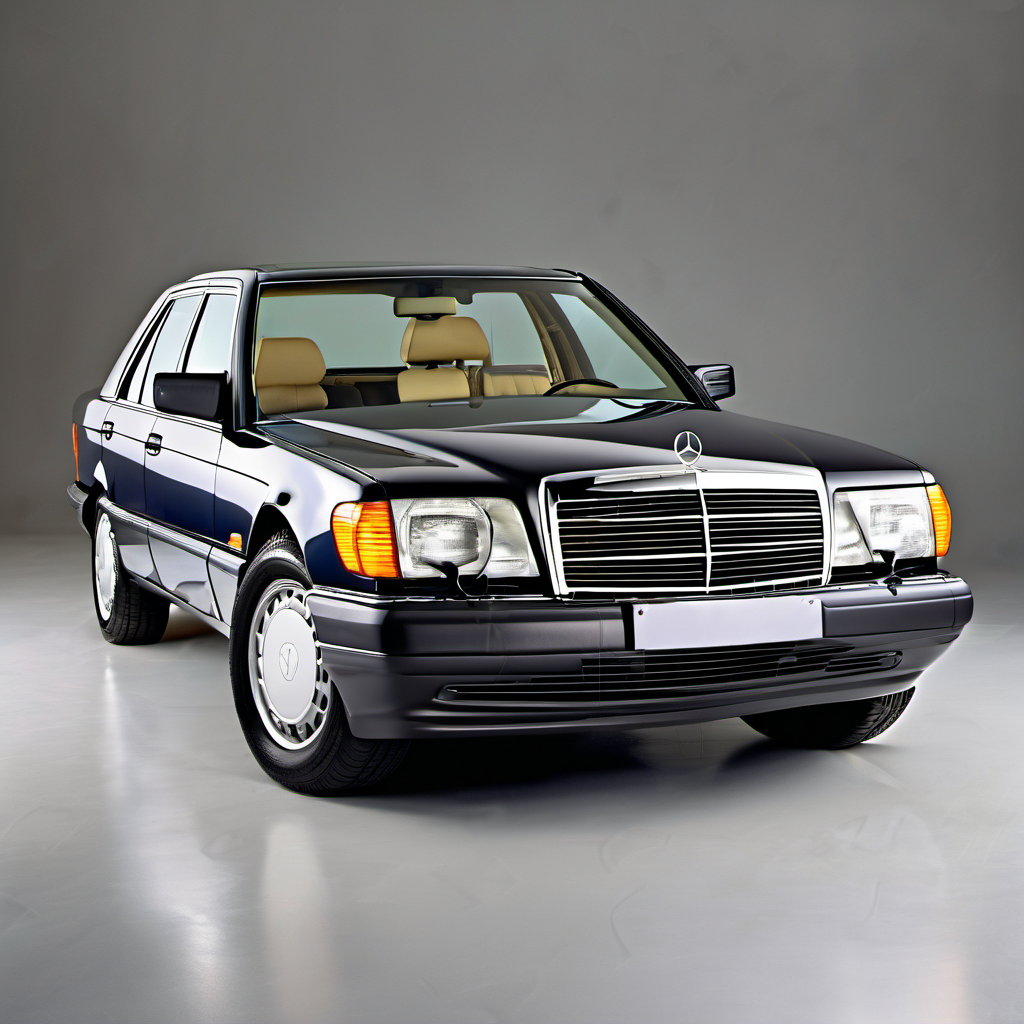
1992 Mercedes-Benz
3.5L Turbodiesel I6 (OM603) · Sedan
The 1992 Mercedes-Benz 300 SD is a full-size turbodiesel luxury sedan built on the W140 platform — the last year of the outgoing W126 body style. It carries Mercedes' legendary 3.5L inline-6 turbodiesel (OM603) paired with a 4-speed automatic, offering a uniquely unhurried but durable driving experience. This was one of the last passenger-car turbodiesels sold in the US until the modern diesel renaissance, and it was marketed squarely at buyers who wanted quiet, effortless long-distance cruising with excellent fuel economy for its class. The W126 300 SD has earned a devoted following among diesel enthusiasts and Mercedes purists. These cars were built to a standard that Mercedes no longer maintains today — thick steel, overengineered rubber, and mechanically simple systems that a competent independent shop can service without proprietary dealer equipment. With proper maintenance they routinely reach 300,000–400,000 miles. The catch is age: the youngest of these cars is now over 30 years old. Parts are increasingly sourced from specialists rather than local stores, and deferred maintenance by previous owners is extremely common. Budget for a thorough inspection and a refresh of all rubber, fluids, and electrical connections before putting miles on one.
The 1992 Mercedes-Benz 300 SD is a full-size turbodiesel luxury sedan built on the W140 platform — the last year of the outgoing W126 body style. It carries Mercedes' legendary 3.5L inline-6 turbodiesel (OM603) paired with a 4-speed automatic, offering a uniquely unhurried but durable driving experience. This was one of the last passenger-car turbodiesels sold in the US until the modern diesel renaissance, and it was marketed squarely at buyers who wanted quiet, effortless long-distance cruising with excellent fuel economy for its class. The W126 300 SD has earned a devoted following among diesel enthusiasts and Mercedes purists. These cars were built to a standard that Mercedes no longer maintains today — thick steel, overengineered rubber, and mechanically simple systems that a competent independent shop can service without proprietary dealer equipment. With proper maintenance they routinely reach 300,000–400,000 miles. The catch is age: the youngest of these cars is now over 30 years old. Parts are increasingly sourced from specialists rather than local stores, and deferred maintenance by previous owners is extremely common. Budget for a thorough inspection and a refresh of all rubber, fluids, and electrical connections before putting miles on one.
The OM603 is a hard-working turbodiesel that accumulates soot in oil quickly. Shorter intervals protect the injection pump and turbocharger bearings — critical and expensive components.
Diesel injection pumps are precision components destroyed by contaminated fuel. Old fuel tanks can introduce sediment. Change the filter on schedule without exception.
Original hoses on a 30-year-old car are a failure risk, especially in Wisconsin's freeze-thaw cycles. A burst hose in sub-zero temps means a tow and potential engine damage.
Mercedes W126 vacuum systems control door locks, seat adjustments, and numerous engine functions. Cracked lines cause multiple mysterious failures. Full replacement on an old example is cheap insurance.
These 4-speed automatics are durable but respond poorly to old fluid. Many owners never service them; dark or burnt-smelling fluid warrants immediate attention.
Diesel engines depend on glow plugs for cold starts. Wisconsin winters will expose a weak glow plug instantly. Failed plugs can also snap off in the head — address early.
Wisconsin road salt is relentless. A car this age needs annual inspection and touch-up of any bare metal or flaking undercoating. Structural rust kills W126 values and safety.
Failed OVP relays cause no-start conditions and can damage electronics. Replacement relays are inexpensive; ignoring them is not.
Always defer to the manufacturer's service manual for warranty-mandated intervals.
Year-to-year costs on a healthy, maintained example are reasonable for a full-size luxury car — diesel fuel economy helps, and parts for the W126 platform are widely available through Mercedes specialists at fair prices. The risk is a neglected example: injection pump replacement, rust repair, or vacuum system overhaul can each easily top $2,000 at a shop. A pre-purchase inspection by a Mercedes-familiar independent technician is money very well spent.
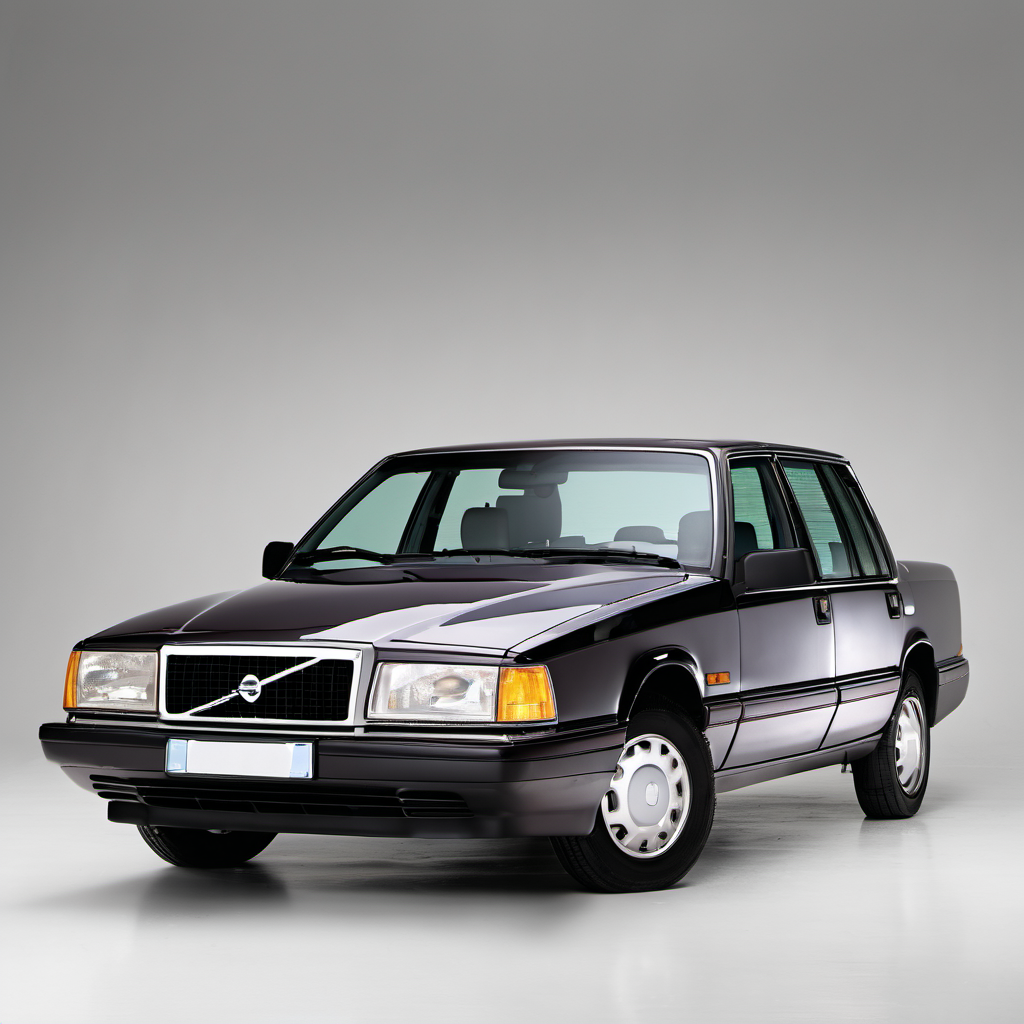
Contemporary full-size European luxury sedan with a similarly overbuilt reputation, RWD, and a devoted ownership community. Gasoline only, but comparable size, price point, and 'built to last' ownership appeal.
E34 5-Series offers the same era of peak German engineering, RWD, similar luxury-sedan mission, and strong longevity when maintained. More performance-oriented but similar ownership profile.
No catalog match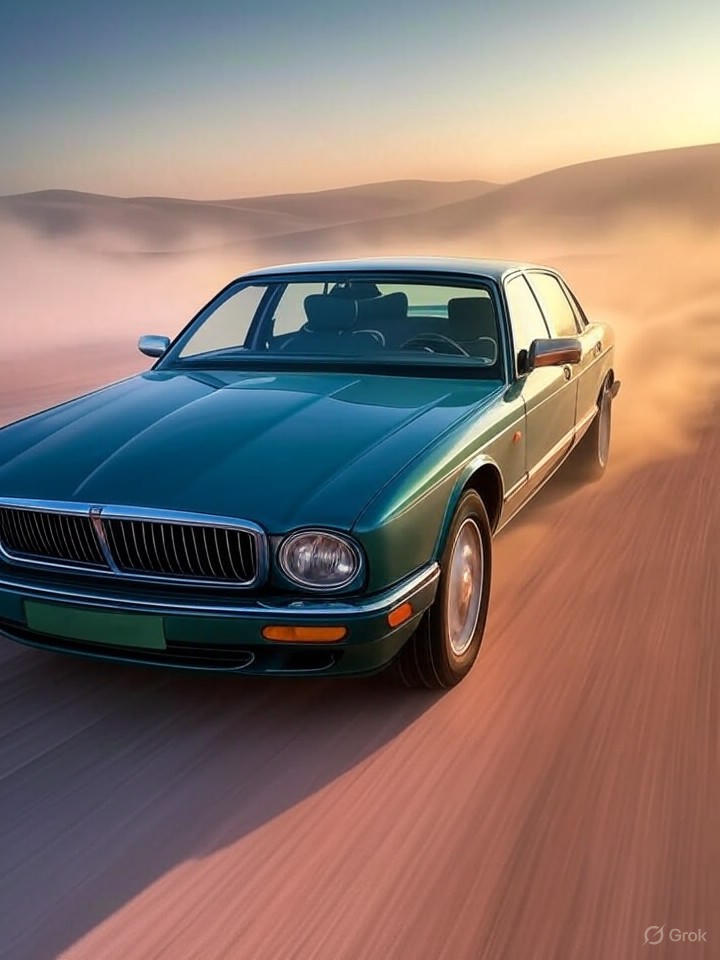
XJ40-platform Jaguar competes directly as a full-size RWD European luxury sedan from the same era. Comparable comfort and prestige, though reliability and parts sourcing are generally considered more challenging.
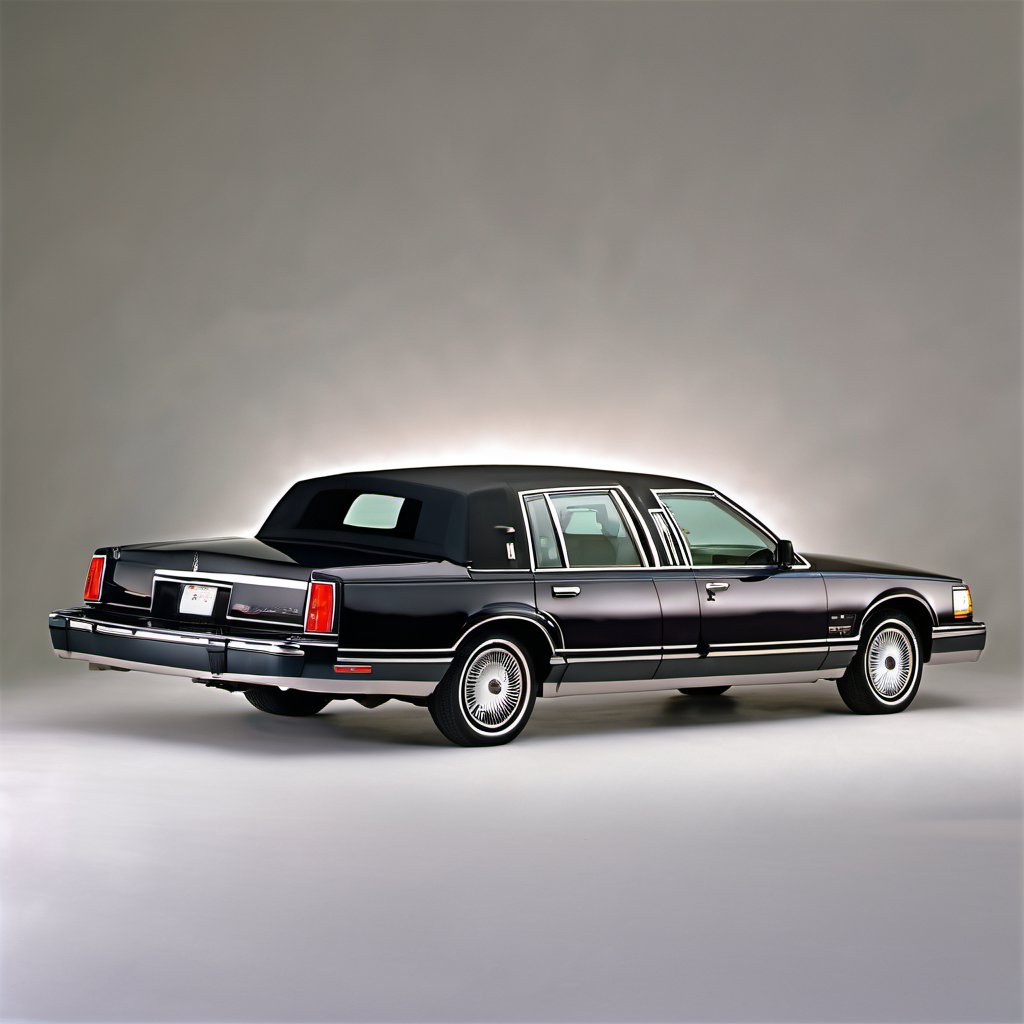
Domestic full-size luxury sedan at a similar price point with far easier parts sourcing. Less exotic but significantly lower maintenance costs and a simpler drivetrain — a practical alternative for buyers who want comfort without European upkeep.