Cooling system failure — overheating and head gasket damage
high- Typically appears
- Any mileage on a 30+ year old car
- Estimated repair
- $800 – $3,500
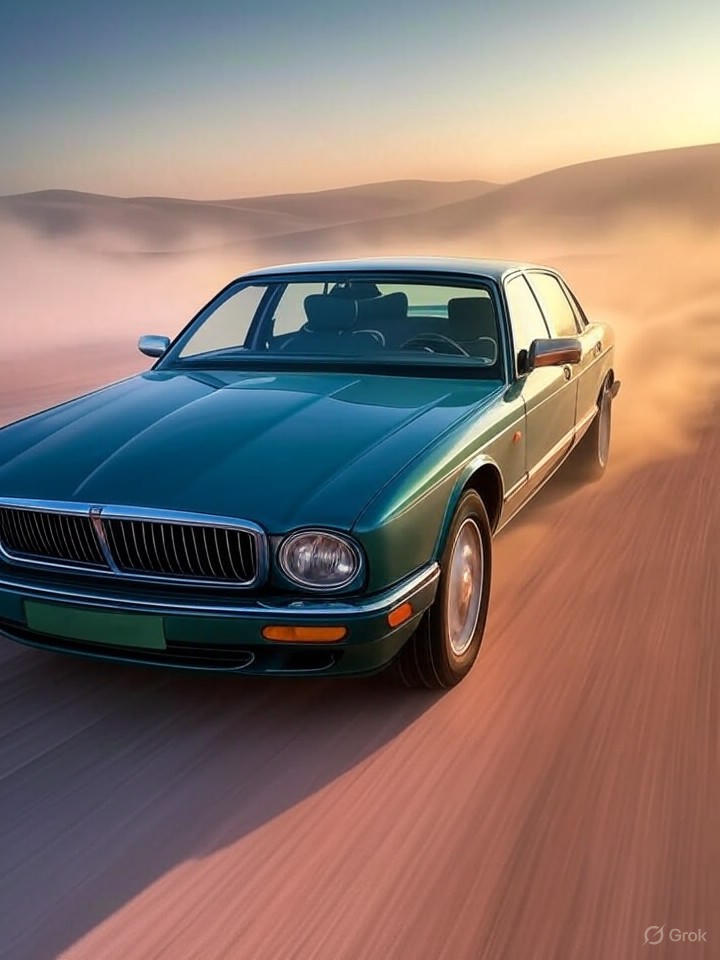
1992 Jaguar
Sedan
The 1992 Jaguar XJ (Series III / XJ40 era) is a full-size British luxury sedan that blends genuine wood-and-leather craftsmanship with a buttery-smooth inline-six engine. This generation carries the long-running XJ nameplate at a pivotal moment — the XJ40 platform had been around since 1987 and was being phased toward the X300, so 1992 cars still carry some early-XJ40 electrical and cooling quirks while benefiting from mid-run refinements. Under the hood sits Jaguar's AJ6 4.0-liter straight-six, a durable if maintenance-intensive engine when properly cared for. Rear-wheel drive, a ZF four-speed automatic, and a long wheelbase give the XJ a distinctly old-world feel — unhurried, comfortable, and genuinely elegant. Performance is adequate rather than brisk by today's standards, but the ride quality remains a benchmark. Owning a 1992 XJ at 30+ years old is a commitment. Parts availability has narrowed, the electrical systems demand attention, and finding a mechanic who truly knows these cars is harder than it used to be. Done right, this is a deeply rewarding classic; done wrong, it becomes an expensive garage ornament.
The 1992 Jaguar XJ (Series III / XJ40 era) is a full-size British luxury sedan that blends genuine wood-and-leather craftsmanship with a buttery-smooth inline-six engine. This generation carries the long-running XJ nameplate at a pivotal moment — the XJ40 platform had been around since 1987 and was being phased toward the X300, so 1992 cars still carry some early-XJ40 electrical and cooling quirks while benefiting from mid-run refinements. Under the hood sits Jaguar's AJ6 4.0-liter straight-six, a durable if maintenance-intensive engine when properly cared for. Rear-wheel drive, a ZF four-speed automatic, and a long wheelbase give the XJ a distinctly old-world feel — unhurried, comfortable, and genuinely elegant. Performance is adequate rather than brisk by today's standards, but the ride quality remains a benchmark. Owning a 1992 XJ at 30+ years old is a commitment. Parts availability has narrowed, the electrical systems demand attention, and finding a mechanic who truly knows these cars is harder than it used to be. Done right, this is a deeply rewarding classic; done wrong, it becomes an expensive garage ornament.
Aged plastic tanks, hose fittings, and the thermostat housing are the most common failure points. Overheating even once can warp the head. This is the single most important preventive job on any XJ40.
The AJ6 has tight oil galleries; sludge from extended intervals accelerates cam chain tensioner and VVT wear. Regular oil changes are cheap insurance on an expensive engine.
Corroded grounds cause phantom electrical faults throughout the car. This is the first diagnostic step before chasing expensive component replacements.
Plastic guide rails degrade with age. A snapped chain is an engine-destroying event on the AJ6.
Hygroscopic fluid in aging brake lines and calipers accelerates internal corrosion. Critical on a 30-year-old car in a salt-belt climate.
Lake Geneva roads see heavy salt use. Road salt accelerates sill and subframe corrosion that is expensive to repair and can compromise structural integrity.
Aged rubber fuel components are a fire risk. On a 30+ year old vehicle, these should be proactively replaced rather than waiting for a leak.
The XJ's electrical systems draw heavily during cold starts. A marginal battery that passes a basic test can fail at -10°F, leaving you stranded and potentially damaging the alternator.
Always defer to the manufacturer's service manual for warranty-mandated intervals.
This is not a cheap car to keep. Even in a healthy year with no major repairs, routine maintenance on an XJ40-era Jaguar at a competent independent shop typically runs $1,500–$2,500. Budget an additional $1,000–$2,000 annually as a repair reserve — these cars will surprise you. Parts can be sourced from Jaguar specialists but some body and trim pieces carry a premium or require searching. Total annual cost of ownership (excluding depreciation) realistically runs $4,000–$8,000 for a well-maintained daily-adjacent driver.
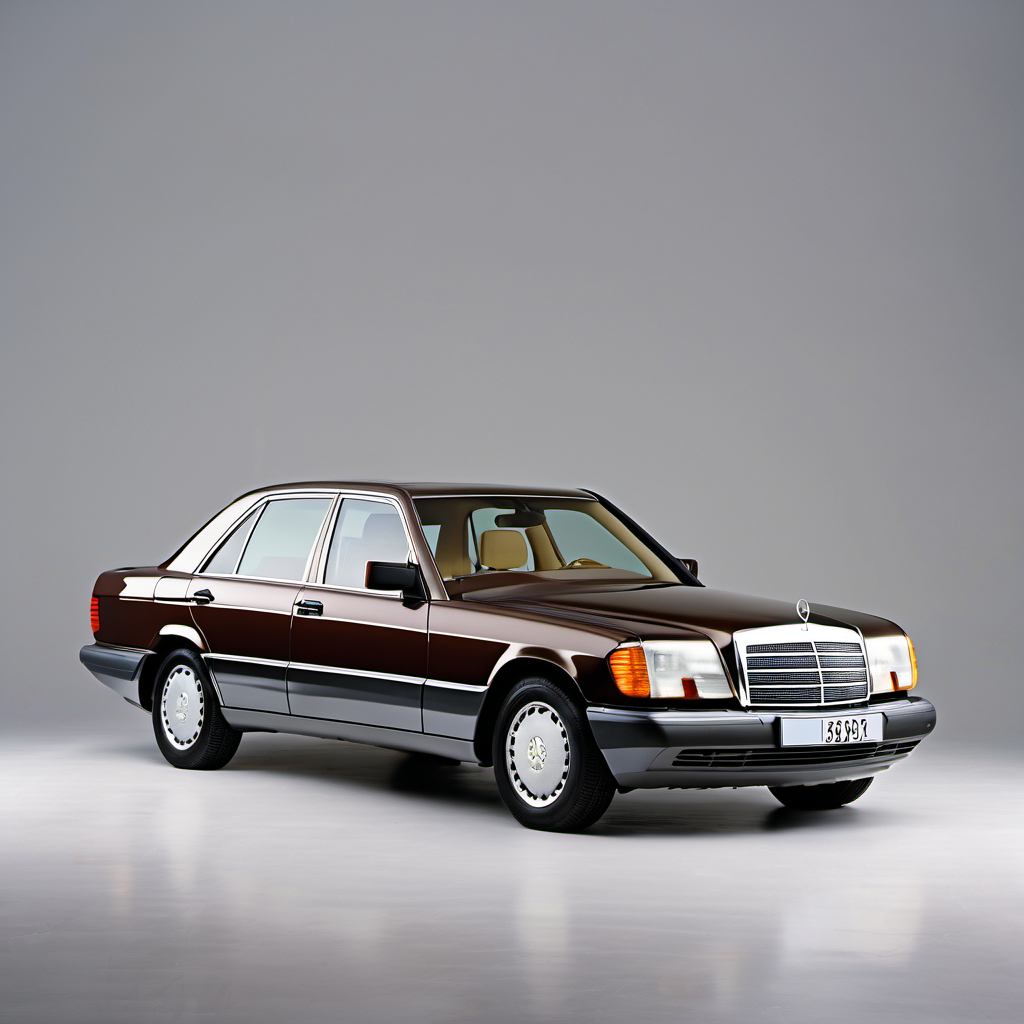
Same era, same full-size luxury sedan mission, similar price bracket as a used classic. The 300SE is generally more electrically reliable and has better parts availability, but lacks the XJ's character.
RWD German luxury sedan of the same period and price range. The E32 735i shares the XJ's long-wheelbase comfort focus and is somewhat easier to service, though also aging.
No catalog match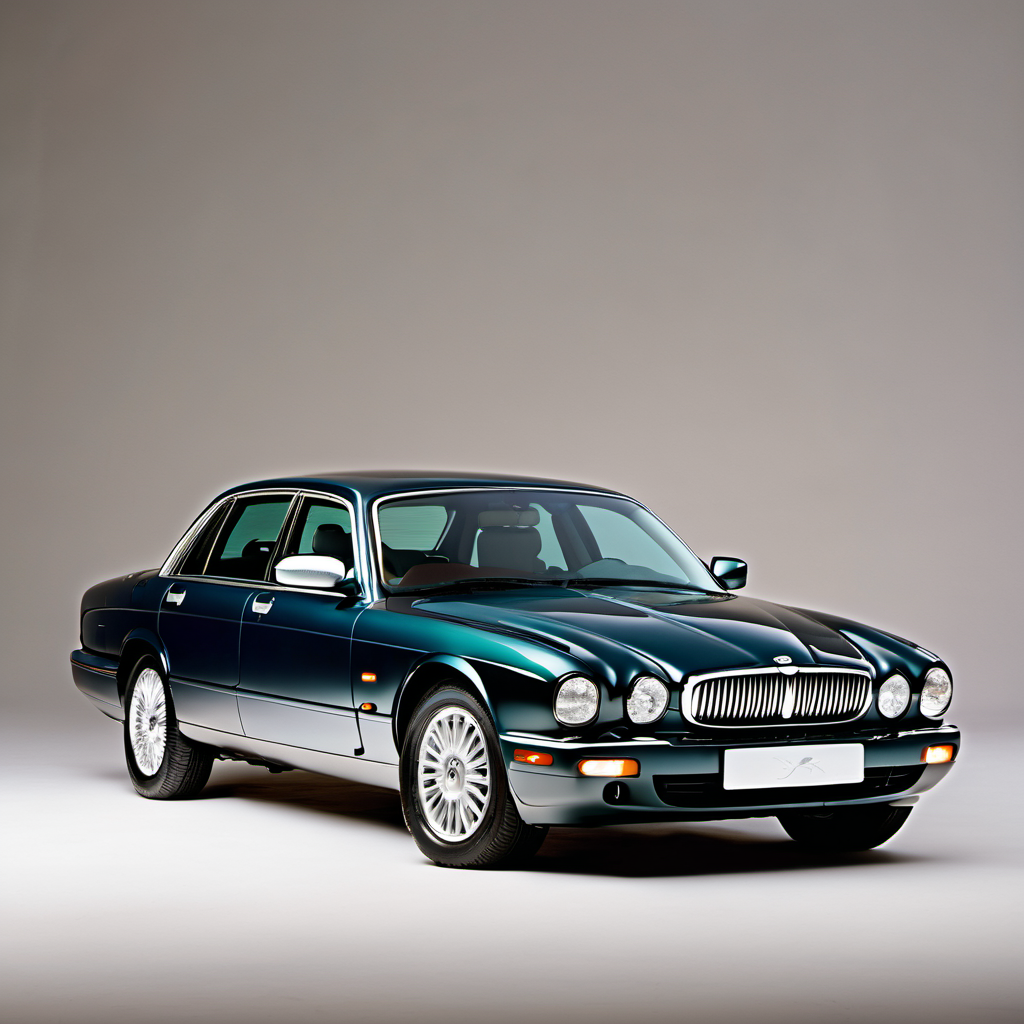
The X300-generation XJ (1995–1997) is a direct upgrade over the XJ40: same styling DNA, same cabin luxury, but vastly improved electrical systems and cooling. Strongly preferred over the 1992 if reliability matters.
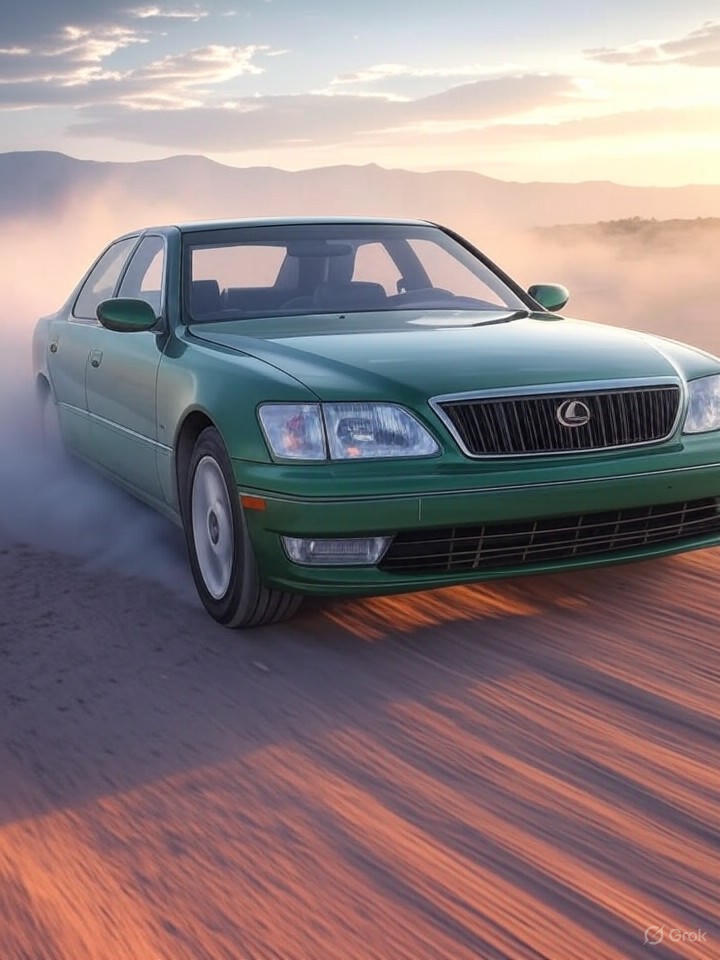
If luxury and long-term reliability are both required, the LS 400 is the benchmark for this era. Far more dependable than the XJ, though it trades British character for Japanese durability.