Rust — floor pans, rockers, and subframe
high- Typically appears
- All mileages on salt-belt cars
- Estimated repair
- $500 – $3,000
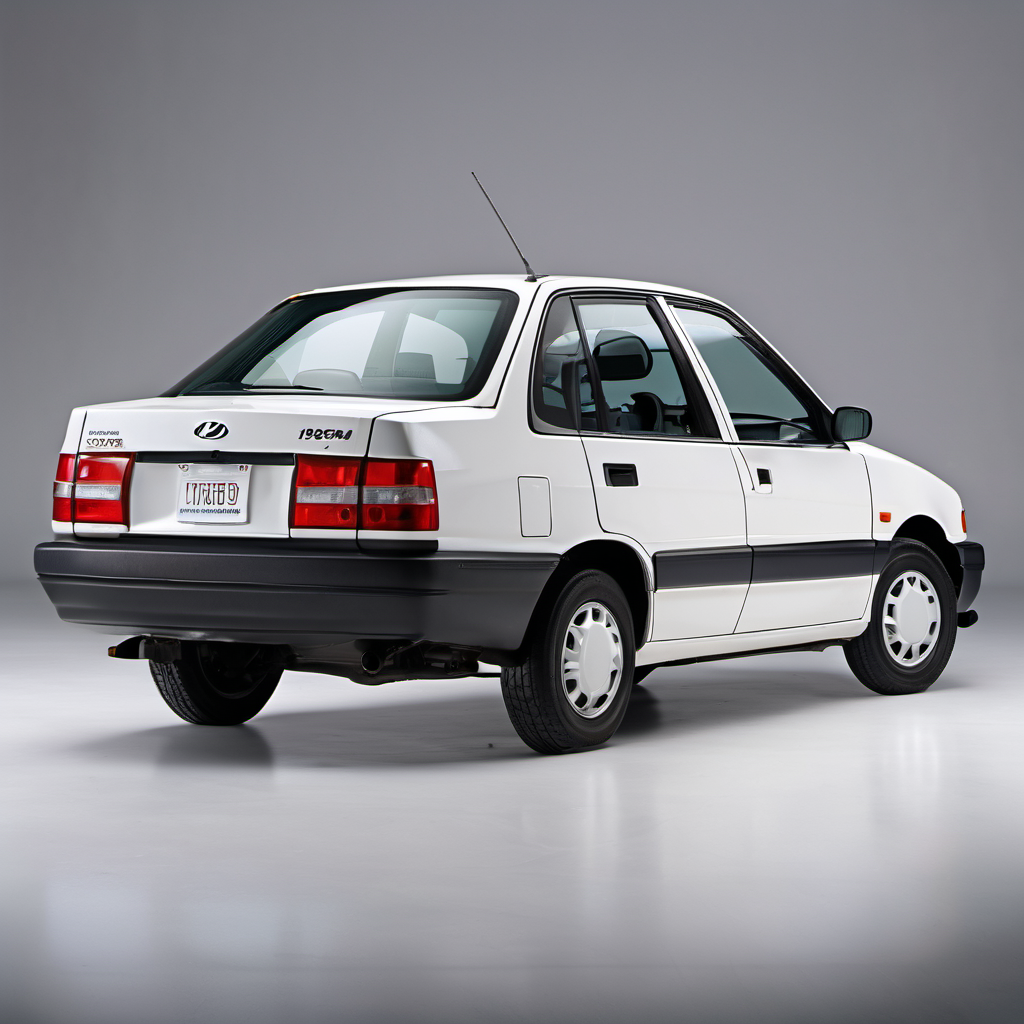
1992 Hyundai
Sedan
The 1992 Hyundai Excel is a subcompact economy sedan built in Korea and sold in the U.S. as one of the most affordable new cars on the market. It was powered by a Mitsubishi-sourced 1.5L four-cylinder engine and offered bare-bones transportation with decent fuel economy for its era. By 1992 it was in its final model year before Hyundai replaced it with the Accent. The Excel earned a reputation as a budget-first car with corners cut on refinement and long-term durability. It was never engineered for 200,000 miles — most examples that survived this long did so through exceptional care or light use. Parts availability is now limited, and finding knowledgeable mechanics who still work on these is increasingly difficult. For a Wisconsin driver, the Excel presents real challenges: thin sheetmetal that rusts aggressively in salt environments, a small-displacement engine that struggles in extreme cold, and an aging electrical system that doesn't tolerate moisture well. Unless this is a nostalgia or collection vehicle, approach with caution.
The 1992 Hyundai Excel is a subcompact economy sedan built in Korea and sold in the U.S. as one of the most affordable new cars on the market. It was powered by a Mitsubishi-sourced 1.5L four-cylinder engine and offered bare-bones transportation with decent fuel economy for its era. By 1992 it was in its final model year before Hyundai replaced it with the Accent. The Excel earned a reputation as a budget-first car with corners cut on refinement and long-term durability. It was never engineered for 200,000 miles — most examples that survived this long did so through exceptional care or light use. Parts availability is now limited, and finding knowledgeable mechanics who still work on these is increasingly difficult. For a Wisconsin driver, the Excel presents real challenges: thin sheetmetal that rusts aggressively in salt environments, a small-displacement engine that struggles in extreme cold, and an aging electrical system that doesn't tolerate moisture well. Unless this is a nostalgia or collection vehicle, approach with caution.
The 1.5L is an interference engine. A snapped belt means bent valves and a repair bill that will total the car. On a 30-year-old vehicle with unknown history, assume it needs doing now.
Original or aging coolant loses corrosion inhibitors and eats aluminum. Rubber hoses this old can burst without warning — inspect and replace proactively.
Short intervals matter on a high-wear engine at this age. Older seals and higher blow-by mean oil degrades faster. Use a conventional 5W-30 or what the owner's manual specifies.
Lake Geneva road salt will accelerate rust on this vehicle's thin sheetmetal and unprotected subframe. Catching new rust early and treating it with rust converter or undercoating can buy years.
Old brake fluid absorbs moisture and lowers boiling point. On a 30+ year old vehicle, the fluid and rubber brake lines/hoses all need inspection.
Modern ethanol-blended fuel attacks aged rubber seals and leaves varnish deposits. Any car that sits for months is at high risk.
The Excel's charging system is marginal by modern standards. A weak battery in a Wisconsin winter will leave you stranded. Test cold-cranking amps every October.
Torn CV boots allow grease to escape and grit to enter, destroying the joint. Catching a torn boot early means a $30 fix instead of a $200+ CV axle replacement.
Always defer to the manufacturer's service manual for warranty-mandated intervals.
The Excel is cheap to insure and fuel, but maintenance on a 30+ year old vehicle is unpredictable. Routine care runs $600–$1,000/year. However, one major repair — rusted floor pan, failed transmission, or timing belt job with valve damage — can easily exceed the car's entire market value. Budget for surprises, and set a ceiling on what repairs are worth doing before costs exceed the car.
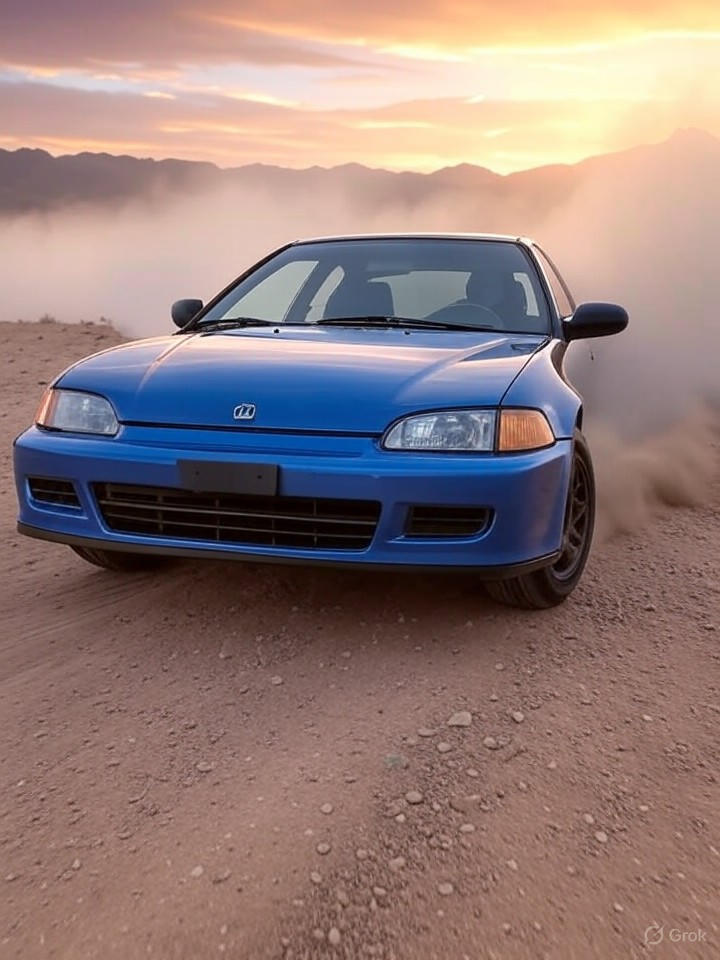
Same era subcompact FWD sedan with similar fuel economy, but significantly better build quality, rust resistance, and long-term reliability. Parts are still widely available.
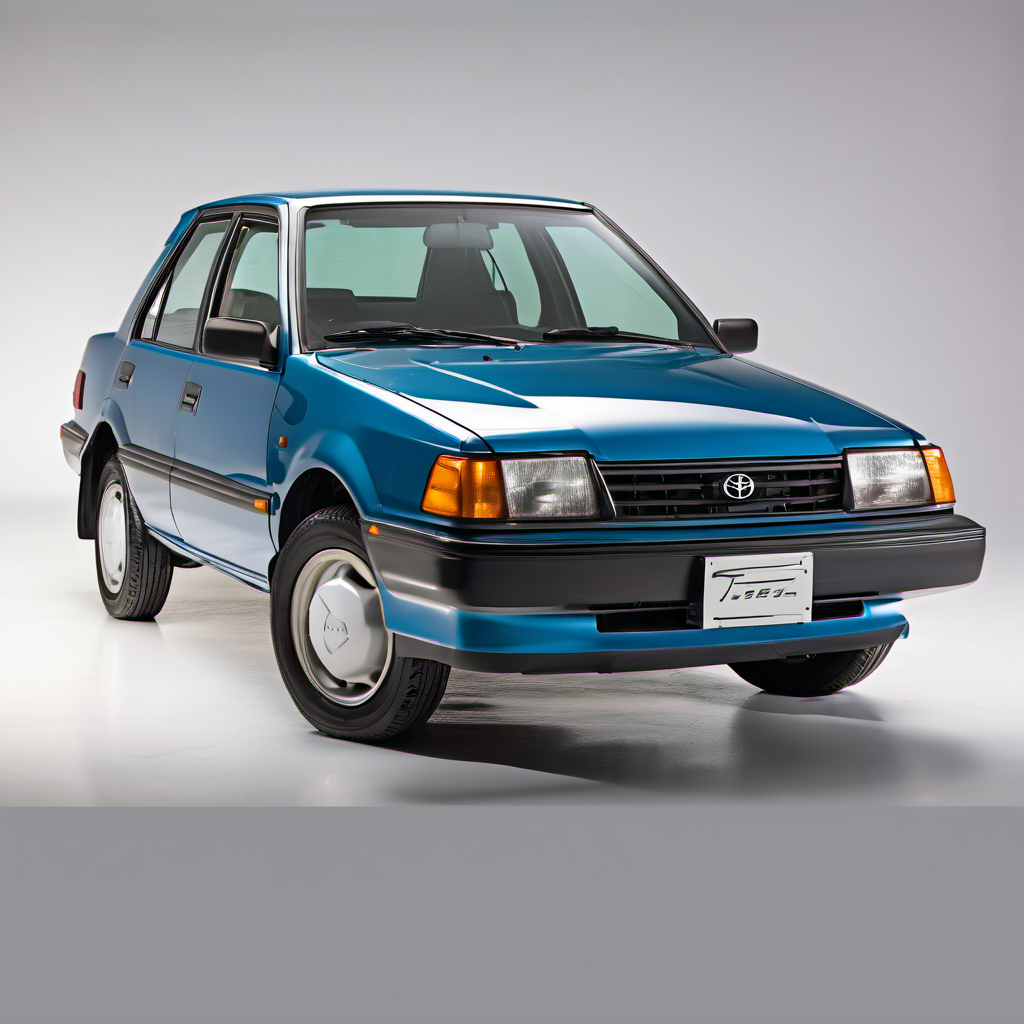
Direct competitor in the budget subcompact segment, similar price and mission, but Toyota's durability reputation far exceeds Hyundai's for this era.
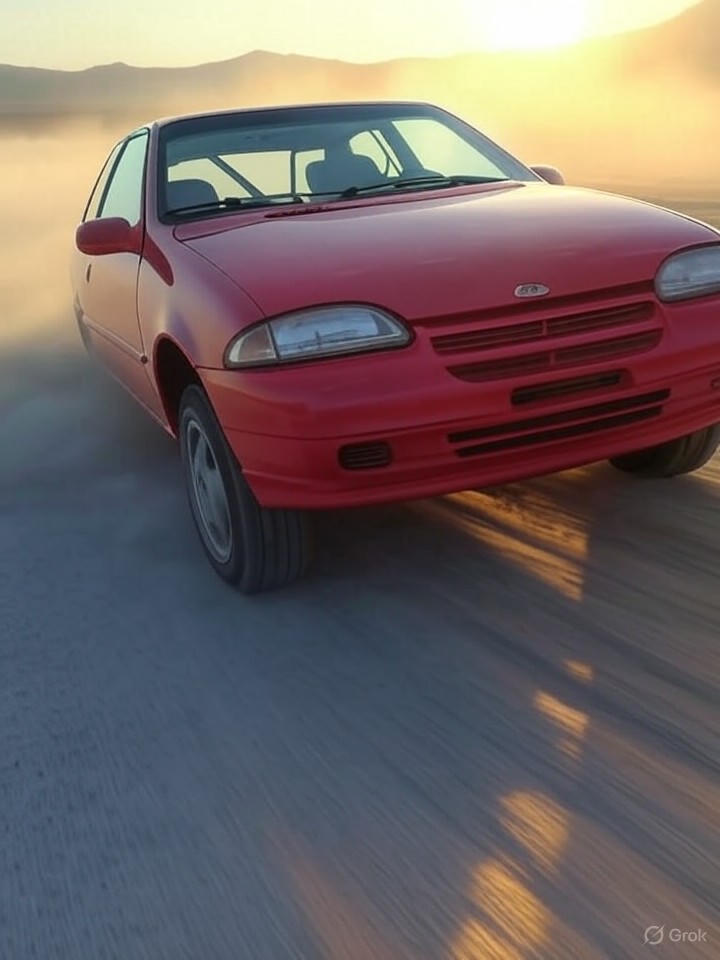
Comparable entry-level pricing and even better fuel economy; Suzuki-built mechanicals gave it a reliability edge over the Excel, though parts are similarly scarce now.
The Excel's direct successor — improved in virtually every area including reliability, safety, and rust protection. A better buy if you want a similar budget Hyundai from this era.
No catalog match