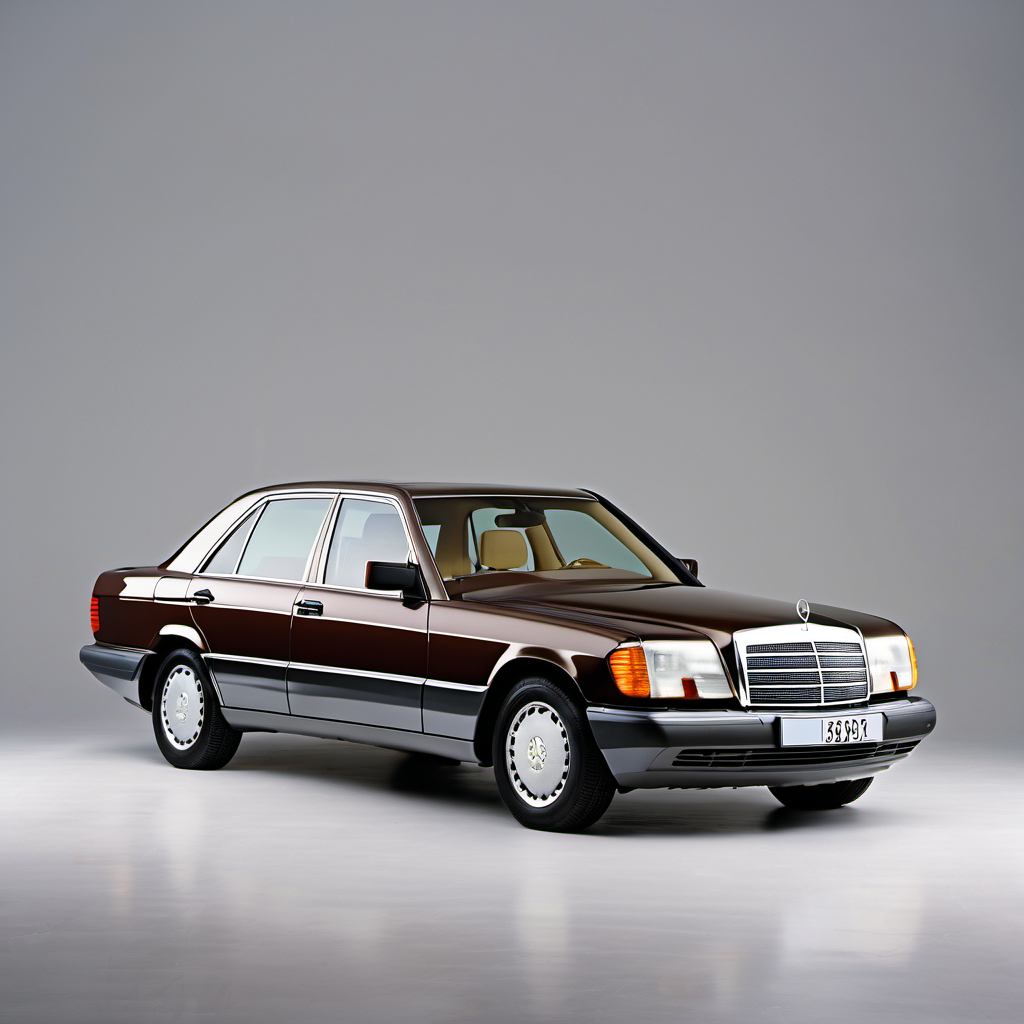
1992 Mercedes-Benz 300 SE Sedan

1992 Mercedes-Benz

300 SESedan

3.2L M104 I6 · Sedan

The 1992 Mercedes-Benz 300 SE is a full-size luxury sedan built on the W140 platform — Mercedes' flagship S-Class of its era. It was engineered with an almost obsessive focus on safety, refinement, and build quality, and was widely regarded as one of the best-built cars in the world when new. The 300 SE is the straight-six variant, sitting below the V8 and V12 models in the S-Class lineup, but sharing the same massively overbuilt body, suspension, and interior. Thirty-plus years on, these cars are collector-grade classics as much as daily drivers. Parts availability has narrowed, and the complexity of early 1990s Mercedes electronics means that deferred maintenance can snowball into very expensive repairs. In good, well-maintained condition a W140 will still ride and feel nearly rattle-free — but getting it there (or keeping it there) requires an experienced European specialist. For the right owner — someone who appreciates the engineering, budgets appropriately, and uses a shop that knows these cars — a 1992 300 SE is a deeply satisfying, supremely comfortable long-distance sedan that rewards proper care.

Reliability
3/5
Verified data
Engine
3.2L M104 I6
Drivetrain
RWD
Fuel
Gasoline
MPG
15 city / 22 hwy / 17 combined
Seats
5
Doors
4
Body
Sedan
MSRP
$73,900

Overview

AI-curated

The 1992 Mercedes-Benz 300 SE is a full-size luxury sedan built on the W140 platform — Mercedes' flagship S-Class of its era. It was engineered with an almost obsessive focus on safety, refinement, and build quality, and was widely regarded as one of the best-built cars in the world when new. The 300 SE is the straight-six variant, sitting below the V8 and V12 models in the S-Class lineup, but sharing the same massively overbuilt body, suspension, and interior. Thirty-plus years on, these cars are collector-grade classics as much as daily drivers. Parts availability has narrowed, and the complexity of early 1990s Mercedes electronics means that deferred maintenance can snowball into very expensive repairs. In good, well-maintained condition a W140 will still ride and feel nearly rattle-free — but getting it there (or keeping it there) requires an experienced European specialist. For the right owner — someone who appreciates the engineering, budgets appropriately, and uses a shop that knows these cars — a 1992 300 SE is a deeply satisfying, supremely comfortable long-distance sedan that rewards proper care.

Known for
  • Massively overbuilt W140 body structure — one of the safest cars of its era
  • Buttery smooth 3.2L inline-six with genuine longevity when maintained
  • Interior quality and sound insulation far ahead of most contemporaries
  • Self-closing door and trunk mechanisms (a W140 signature feature)
  • Rear passenger space and ride comfort rivaling limousines
Best for
  • Enthusiast or collector who wants a '90s luxury flagship at a fraction of its original price
  • Highway cruising and long-distance comfort driving
  • Owner willing to budget for specialist maintenance and occasional electrical repairs
  • Someone who prefers analog luxury over modern infotainment complexity
Watch for
  • Aging wiring harnesses — insulation brittleness is a known W140 weakness
  • Hydraulic self-closing door/trunk mechanisms that leak and fail with age
  • Rising deferred-maintenance costs on cars that were neglected after depreciation
  • Parts scarcity and high dealer prices; independent European specialists are essential
  • Rust on rocker panels, floor pans, and suspension subframes on northern cars

Common issues by mileage

6 known

Self-closing door / trunk hydraulic system failure (leaking actuators, weak closers)

high
Typically appears
60k–120k mi
Estimated repair
$400 – $2,000

Cooling system failure (plastic expansion tank, hoses, thermostat)

high
Typically appears
60k–100k mi
Estimated repair
$300 – $900

Oxygen sensor / fuel mixture faults

medium
Typically appears
80k–130k mi
Estimated repair
$200 – $600

Transmission conductor plate and valve body wear (4-speed auto slipping or harsh shifts)

medium
Typically appears
100k–160k mi
Estimated repair
$600 – $2,500

Rust — rocker panels, floor pans, rear wheel arches on salt-belt cars

high
Typically appears
Any mileage on unprotected northern cars
Estimated repair
$500 – $6,000

Maintenance schedule

  1. 1
    Every 5,000–7,500 mi Engine oil and filter change — use full-synthetic 5W-40 meeting MB 229.3 or 229.5 spec

    The M104 has tight tolerances and a timing chain oiling circuit that depends on clean oil; don't stretch intervals on a 30-year-old engine.

  2. 2
    Every 2 years or 30k mi Full cooling system flush — replace hoses, inspect expansion tank for cracks

    Plastic expansion tanks and aging rubber hoses are the number-one cause of W140 engine overheating. Preventive replacement is far cheaper than a head gasket.

  3. 3
    Every 30k mi Spark plugs and distributor cap/rotor inspection

    The M104 uses a conventional distributor ignition; worn plugs and cap cause misfires and hard cold starts — especially problematic in Wisconsin winters.

  4. 4
    Every 2 years Brake fluid flush

    Hygroscopic fluid in an ABS-equipped car this age absorbs moisture and raises the risk of caliper and ABS modulator corrosion.

  5. 5
    Every 50k mi or at first sign of seeping Inspect and service hydraulic door/trunk closer system

    Catching a leaking actuator early prevents hydraulic fluid from contaminating interior trim and avoids a more extensive repair.

  6. 6
    Every fall Inspect and treat all underbody seams, rocker panels, and wheel arches with rust inhibitor

    Lake Geneva road salt will attack any chip or scratch in the undercoating. The W140 body is thick steel but once rust starts under a rocker it is expensive to stop.

  7. 7
    Every fall Load-test the battery and inspect terminals for corrosion

    This car has a heavy electrical load from its 1990s luxury systems. A weak battery causes cascading electrical faults in cold weather and is the cheapest problem to prevent.

  8. 8
    Every 60k mi Transmission fluid and filter service

    The 4-speed automatic is durable but conductor plate and valve body wear accelerates when the fluid is degraded. Fresh fluid is cheap insurance.

Always defer to the manufacturer's service manual for warranty-mandated intervals.

Cost of ownership

Annual maintenance
$1,200 – $4,500
Fuel
At ~17 MPG combined and Wisconsin driving, expect $2,000–$2,800/year at current pump prices using premium unleaded as recommended.
Insurance
Typically $800–$1,400/year for a classic/collector policy; standard agreed-value classic car coverage is recommended given the car's age and limited replacement parts.

The 300 SE is cheap to buy and moderately expensive to own. Purchase prices for honest drivers range from $5,000–$15,000 depending on condition and history. Annual maintenance on a well-kept car runs $1,200–$2,000; a car coming out of neglect can easily require $3,000–$6,000 to bring up to standard. Budget a healthy contingency fund — parts for W140s are not off-the-shelf items at most parts stores, and labor hours for electrical diagnosis add up quickly. Find a shop with genuine Mercedes or European luxury experience before you buy.

Seasonal care

Lake Geneva, WI
Winter
  • Load-test battery every October — the W140's high electrical demand and sub-zero temperatures kill marginal batteries overnight; replace any battery showing less than 500 CCA or over 5 years old.
  • Switch to full-synthetic 5W-40 if not already running it — the M104 cold-start oil pressure is critical to chain and cam lobe life at sub-zero temperatures.
  • Fill washer fluid reservoir with a -30°F-rated winter mix; the W140's tall hood and large windshield accumulate road spray quickly on Wisconsin highways.
  • Inspect and treat all rocker panels, door sills, and underbody seams with rust inhibitor before first salt application — this car's body is irreplaceable.
  • Check antifreeze concentration for protection to at least -34°F; the plastic expansion tank is a weak point — inspect it for cracks at the same time.
  • Test the hydraulic self-closing doors before temperatures drop; cold hydraulic fluid thickens and can burn out actuator motors trying to close a door in single-digit temps.
Summer
  • Inspect all coolant hoses for softness, bulging, or seepage — heat soak accelerates aging on 30-year-old rubber.
  • Check A/C refrigerant charge and inspect the condenser for road debris blockage; the W140's cabin is large and a weak A/C system struggles in Wisconsin humidity.
  • Monitor tire pressure weekly — tire pressure drops approximately 1 PSI per 10°F temperature swing; correct inflation prevents uneven wear on the W140's heavy chassis.
  • Inspect the engine bay for any signs of oil seepage around the valve cover gasket and cam towers — heat cycles cause the M104's aging gaskets to weep.

Comparable vehicles

1992 BMW
740i

E32 7-Series is the direct rival — RWD full-size German luxury sedan, inline-six and V8 options, similar collector status and similar ownership cost profile.

No catalog match
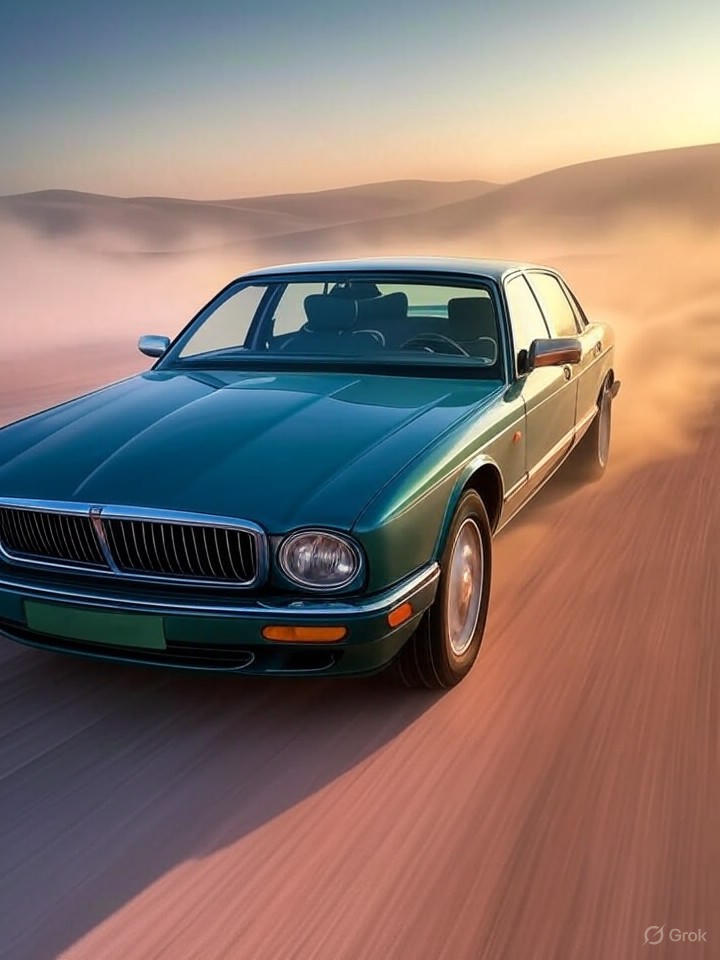
1992 Jaguar XJ6
1992 Jaguar
XJ6

XJ40-era Jaguar competes in the same full-size RWD luxury sedan space at comparable used prices, though electrical reliability is even more of a concern.
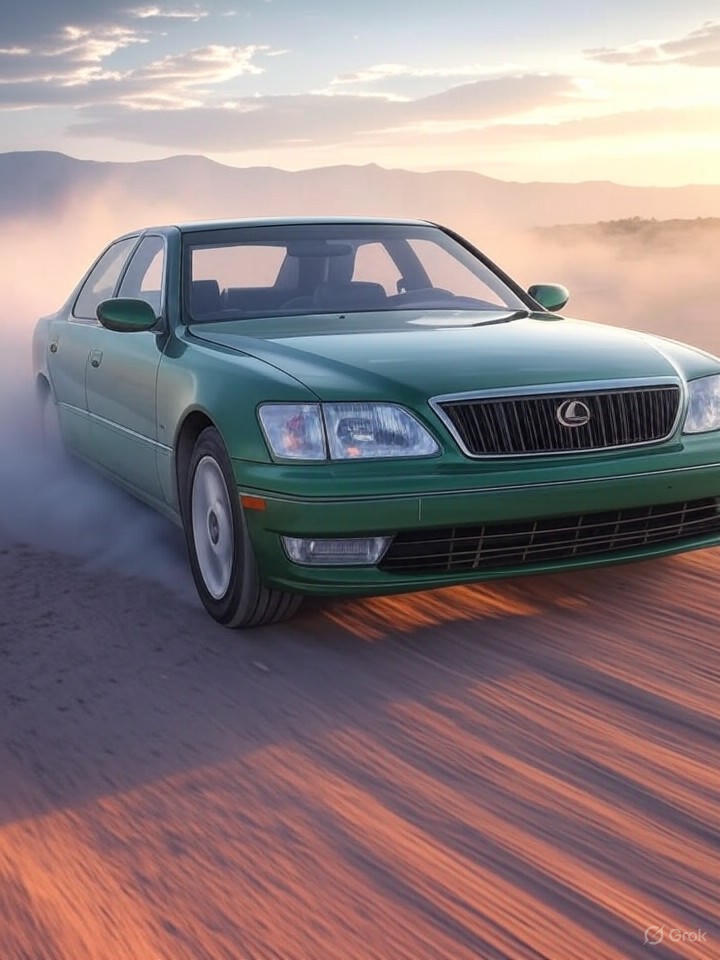
1992 Lexus LS 400
1992 Lexus
LS 400

The LS400 was the 300 SE's most direct Japanese challenger — full-size RWD luxury sedan with a significantly better reliability record and lower parts cost.

1992 Audi
V8 Quattro

German full-size luxury competitor with a similar price point today; adds AWD traction but brings its own complex maintenance requirements.

No catalog match

If you're shopping for one

Red flags
  • Any rust on the rocker panels or visible floor rust — structural repair on a W140 is disproportionately expensive.
  • Non-functioning self-closing doors or trunk that the seller dismisses as 'minor' — a full hydraulic system rebuild is $1,000+.
  • Evidence of DIY electrical repairs (zip-tied wiring, mismatched fuse inserts, non-OEM relays) — these cars need specialist wiring work.
  • Overheating history or a cracked/discolored coolant expansion tank.
  • No service records — a 30-year-old luxury car with no paper trail almost certainly has deferred maintenance piled up.
  • Mismatched paint panels or poorly repaired body work indicating a past significant collision.
What to inspect
  • Full underbody inspection on a lift — focus on rocker panels, floor pans, rear subframe mounts, and fuel lines for salt corrosion.
  • Test every self-closing door and the trunk closer multiple times; listen for weak or grinding actuator motors.
  • Check the coolant expansion tank for cracks and the coolant color — brown or rust-colored coolant means the system hasn't been maintained.
  • Start the car cold and listen for timing chain rattle in the first 10 seconds; a rattling cold start indicates oil delivery or chain tensioner wear.
  • Request a pre-purchase inspection from a shop with documented W140 experience — generic OBD readers may not communicate fully with early 1990s Mercedes diagnostics.
  • Inspect the wiring harness under the hood and behind the dashboard for brittle, cracked, or tape-repaired insulation — this is the most expensive problem to fix properly.
  • Test all electrical functions: windows, sunroof, seat adjusters, climate control, instrument cluster — repair parts are scarce and labor is intensive.
AI profile generated 4 days ago · claude-sonnet-4-6 · v2.