Cooling system failure / overheating
high- Typically appears
- Any mileage on a 30-year-old car
- Estimated repair
- $800 – $3,500
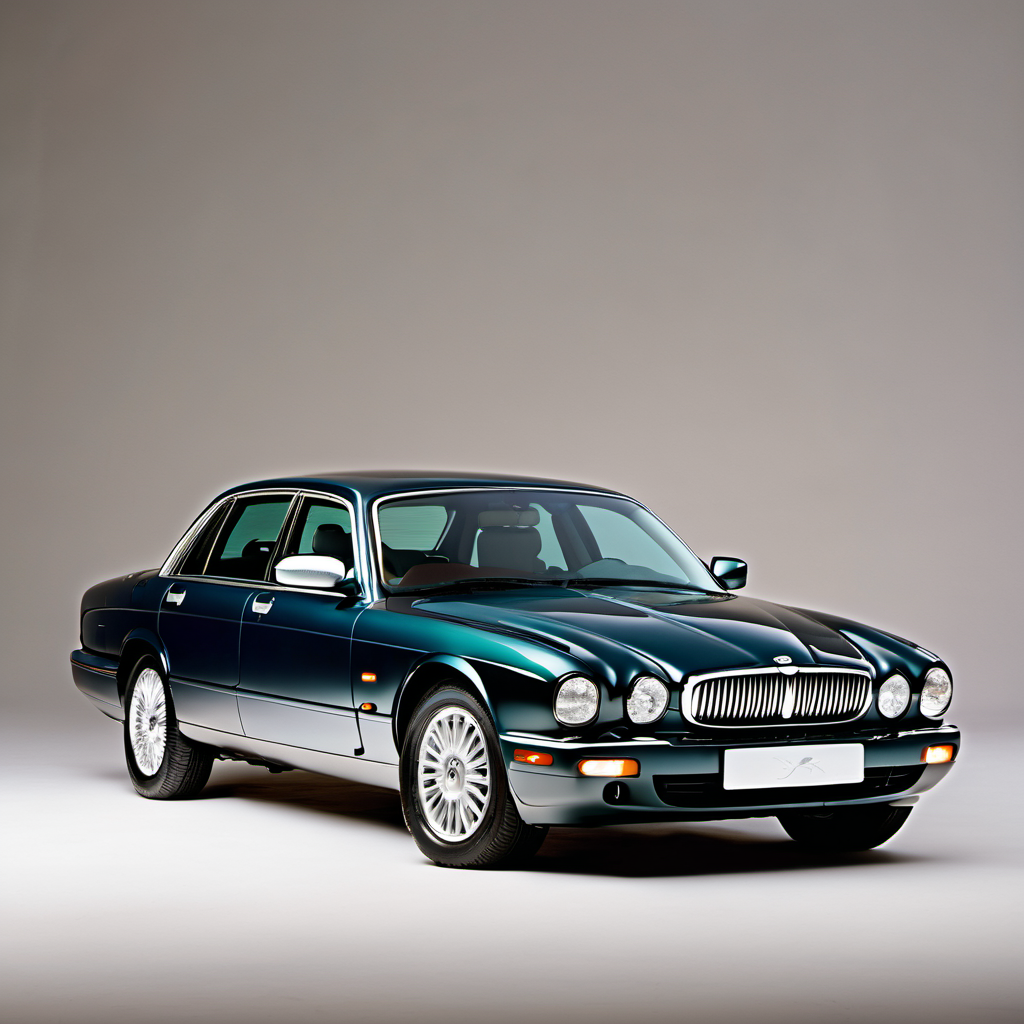
1995 Jaguar
Sedan
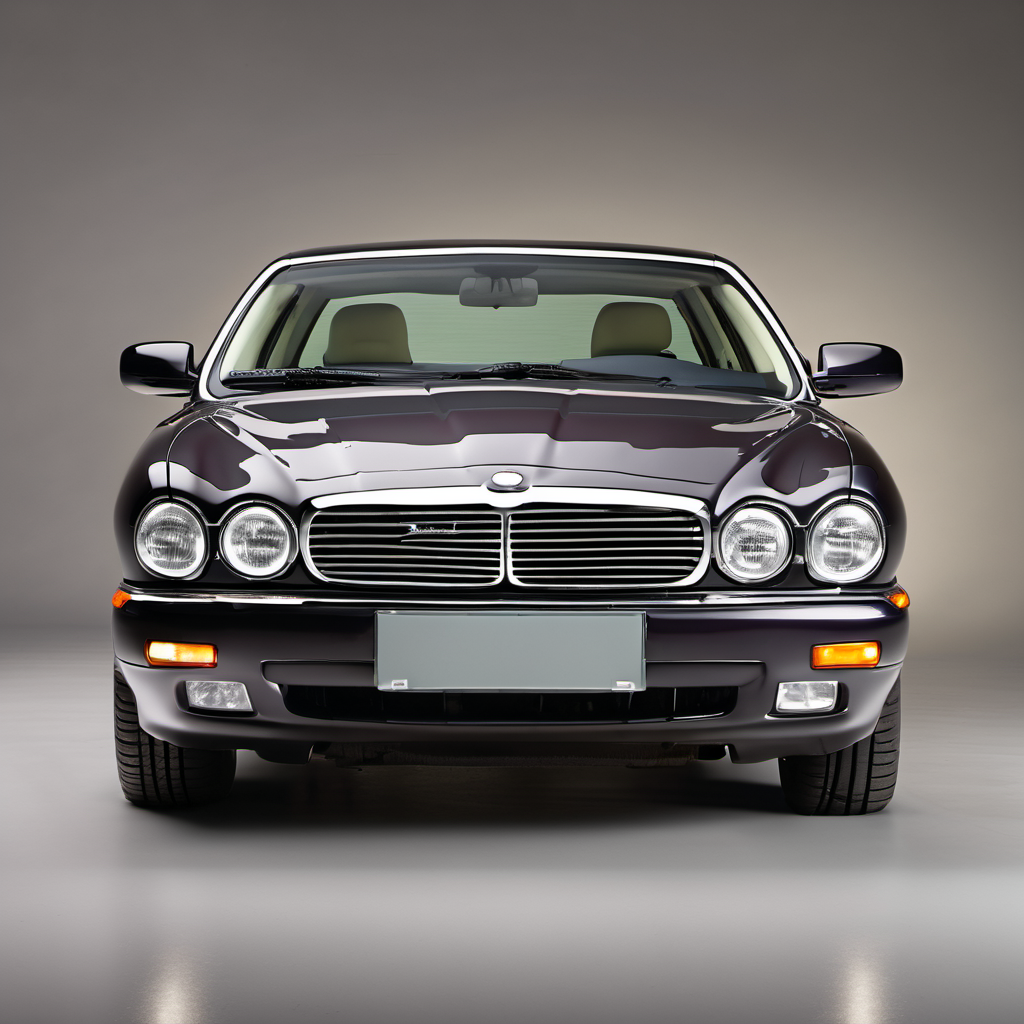
The 1995 Jaguar XJ is the last model year of the classic XJ40/X300 generation, riding out on a platform that had been continuously refined since 1986. This particular car carries the 6.0L V12 engine — a powerplant shared with the XJ-S and reserved for Jaguar's range-topping Vanden Plas and Double-Six variants. It is a full-size British luxury sedan that trades fuel economy and mechanical simplicity for an exceptionally refined ride, a sumptuous interior, and one of the most distinctive engine notes in automotive history. By 1995 Jaguar had sorted many of the electrical gremlins that plagued earlier XJ40 models, but the V12-equipped cars remain niche, parts-intensive machines. Ownership is rewarding for enthusiasts who understand what they're buying into — but this is not a reliable daily driver by modern standards, and repair costs can be steep even at an independent shop. For someone in the Lake Geneva area, the Wisconsin winter adds meaningful stress: the V12 requires a long warm-up in sub-zero temps, the aging British electrical system dislikes moisture and salt, and finding a technician with genuine XJ V12 experience takes effort. Go in with eyes open and a generous maintenance budget.
The 1995 Jaguar XJ is the last model year of the classic XJ40/X300 generation, riding out on a platform that had been continuously refined since 1986. This particular car carries the 6.0L V12 engine — a powerplant shared with the XJ-S and reserved for Jaguar's range-topping Vanden Plas and Double-Six variants. It is a full-size British luxury sedan that trades fuel economy and mechanical simplicity for an exceptionally refined ride, a sumptuous interior, and one of the most distinctive engine notes in automotive history. By 1995 Jaguar had sorted many of the electrical gremlins that plagued earlier XJ40 models, but the V12-equipped cars remain niche, parts-intensive machines. Ownership is rewarding for enthusiasts who understand what they're buying into — but this is not a reliable daily driver by modern standards, and repair costs can be steep even at an independent shop. For someone in the Lake Geneva area, the Wisconsin winter adds meaningful stress: the V12 requires a long warm-up in sub-zero temps, the aging British electrical system dislikes moisture and salt, and finding a technician with genuine XJ V12 experience takes effort. Go in with eyes open and a generous maintenance budget.
The V12's cooling system is its Achilles heel. Degraded coolant accelerates corrosion in the aluminum components; a single overheating event can cause catastrophic head gasket failure across both cylinder banks — a repair that runs $5,000+.
The V12 has tight oil passages; clean oil is cheap insurance. Sludge buildup at this engine's age can block galleries quickly.
ZF 4HP24 gearbox is robust when fluid is kept fresh. Neglected fluid leads to solenoid wear and clutch pack damage.
Rubber seals harden with age. A V12 has 12 injectors — a leaking seal is a fire risk and causes rough running. Do all seals at once.
British-era Jaguar wiring connectors corrode readily, especially in a salt-road environment. Preventive treatment saves hours of diagnostic labor later.
DOT 3/4 fluid is hygroscopic. Old fluid in a 30-year-old car with original calipers raises the risk of brake fade and caliper corrosion.
Wisconsin road salt accelerates rust in the XJ's steel unibody, especially sill sections and rear wheel arches. Catching rust early keeps repair costs manageable.
The V12 draws heavily on cold starts. A weak battery that barely starts the car in October will almost certainly fail in a Wisconsin January.
Always defer to the manufacturer's service manual for warranty-mandated intervals.
This is one of the more expensive vehicles to own in its class. Parts are expensive and sometimes hard to source; V12 labor time is significant since many jobs require reaching between two banks of cylinders. A healthy maintenance reserve of $3,000–$5,000/year is realistic if you plan to keep the car running reliably. Deferred maintenance compounds quickly — a neglected cooling system repair can cascade into a $6,000+ engine job.
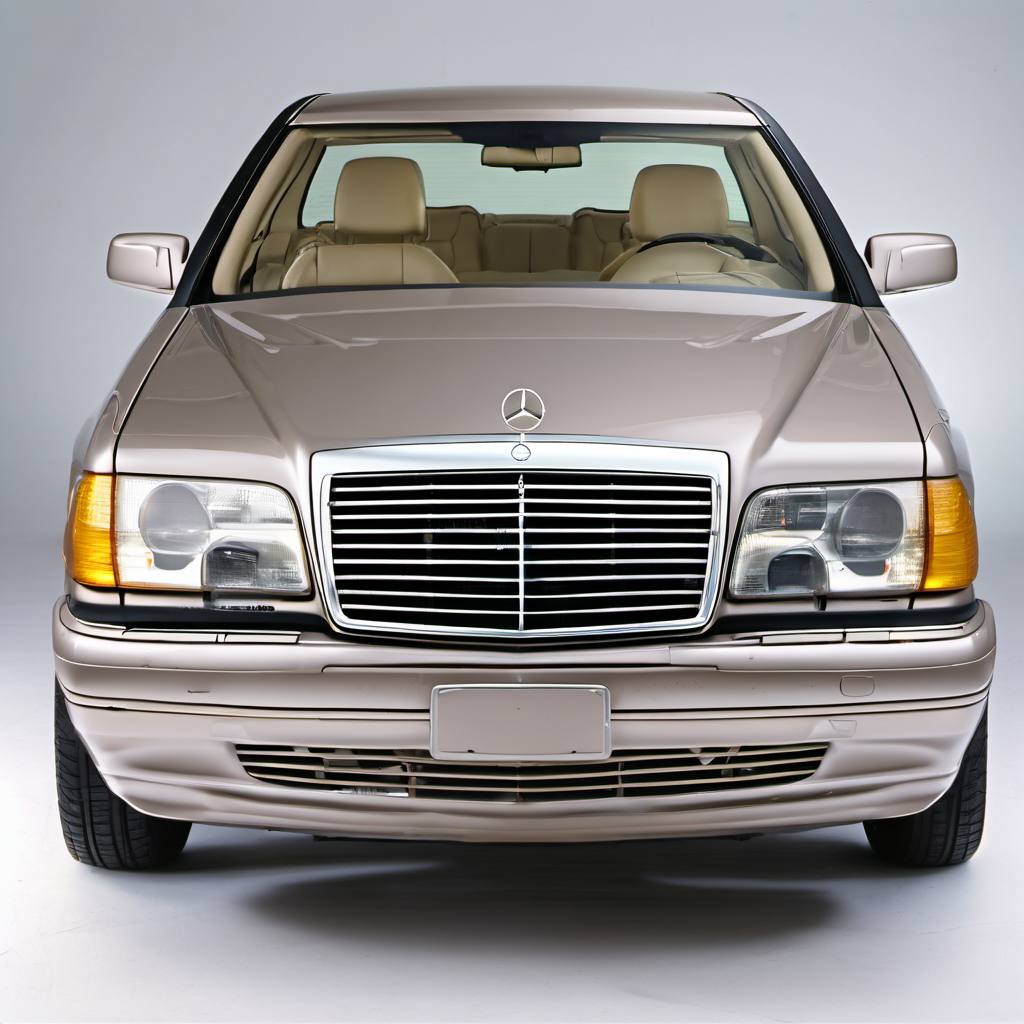
Same era full-size luxury sedan, similarly complex, RWD, and expensive to maintain — but more parts availability and technician familiarity in the US
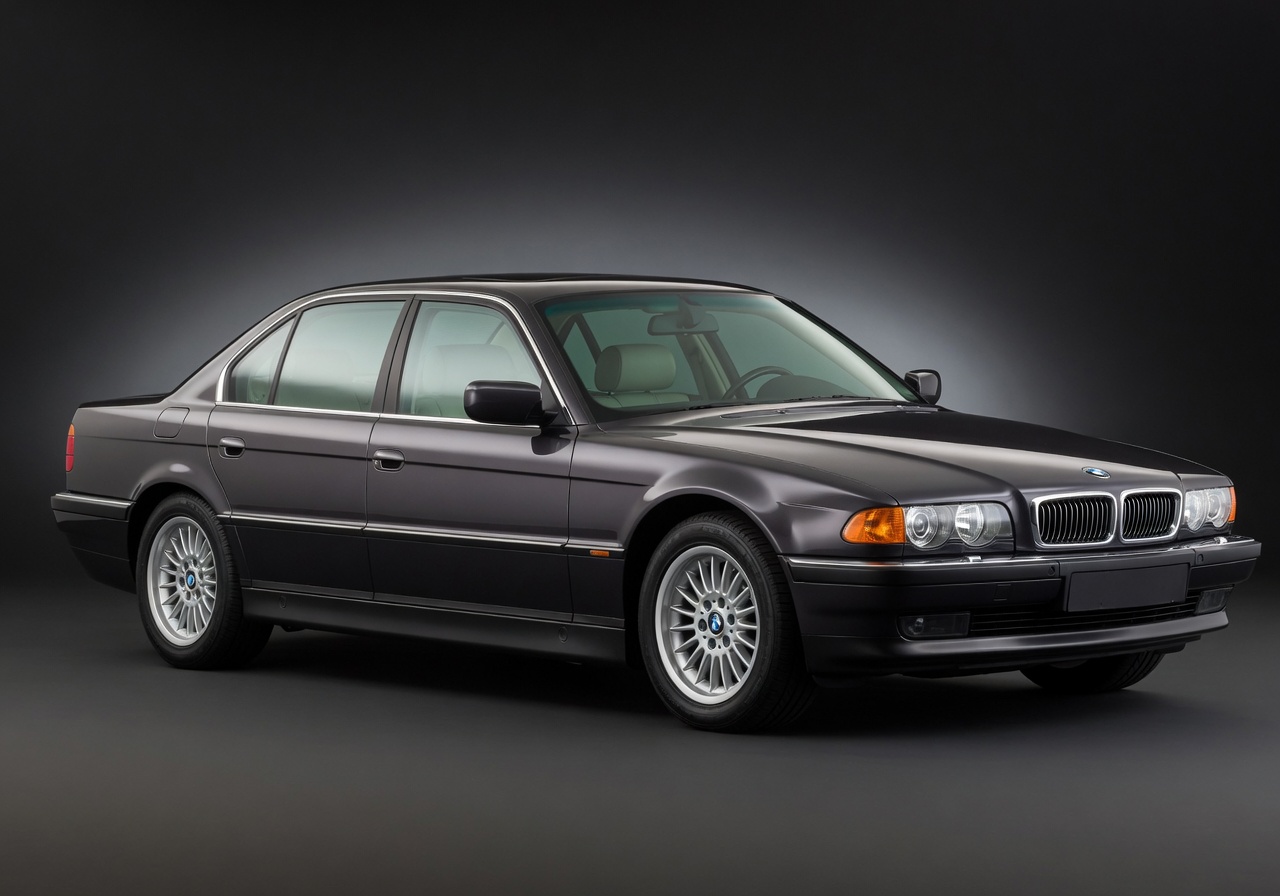
Contemporary full-size luxury rival, V8/V12 options, RWD, better reliability reputation and easier to find independent shop support
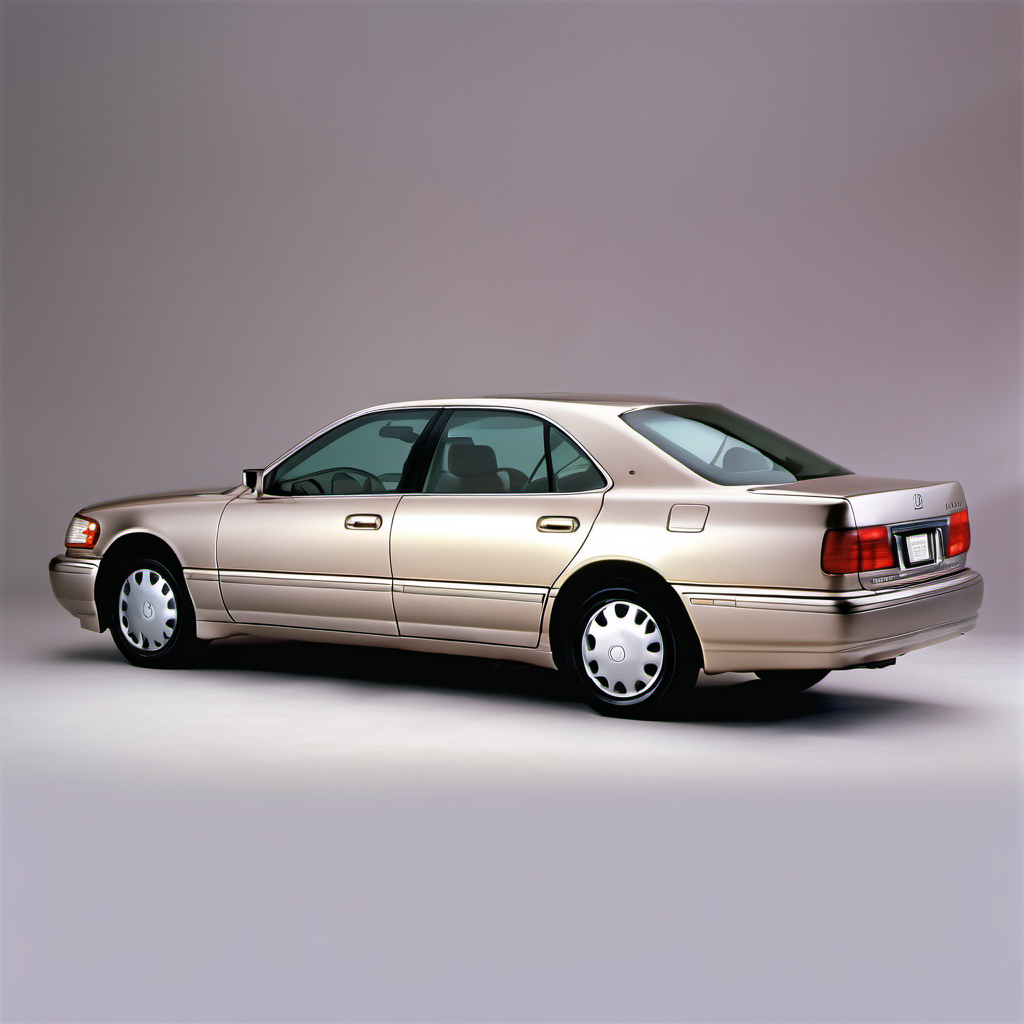
If the goal is 1990s full-size luxury with a silky engine, the LS 400 offers a fraction of the maintenance cost and far better long-term reliability
Shares the same 6.0L V12 drivetrain in a sportier coupe/convertible body — comparable ownership experience but with a different character