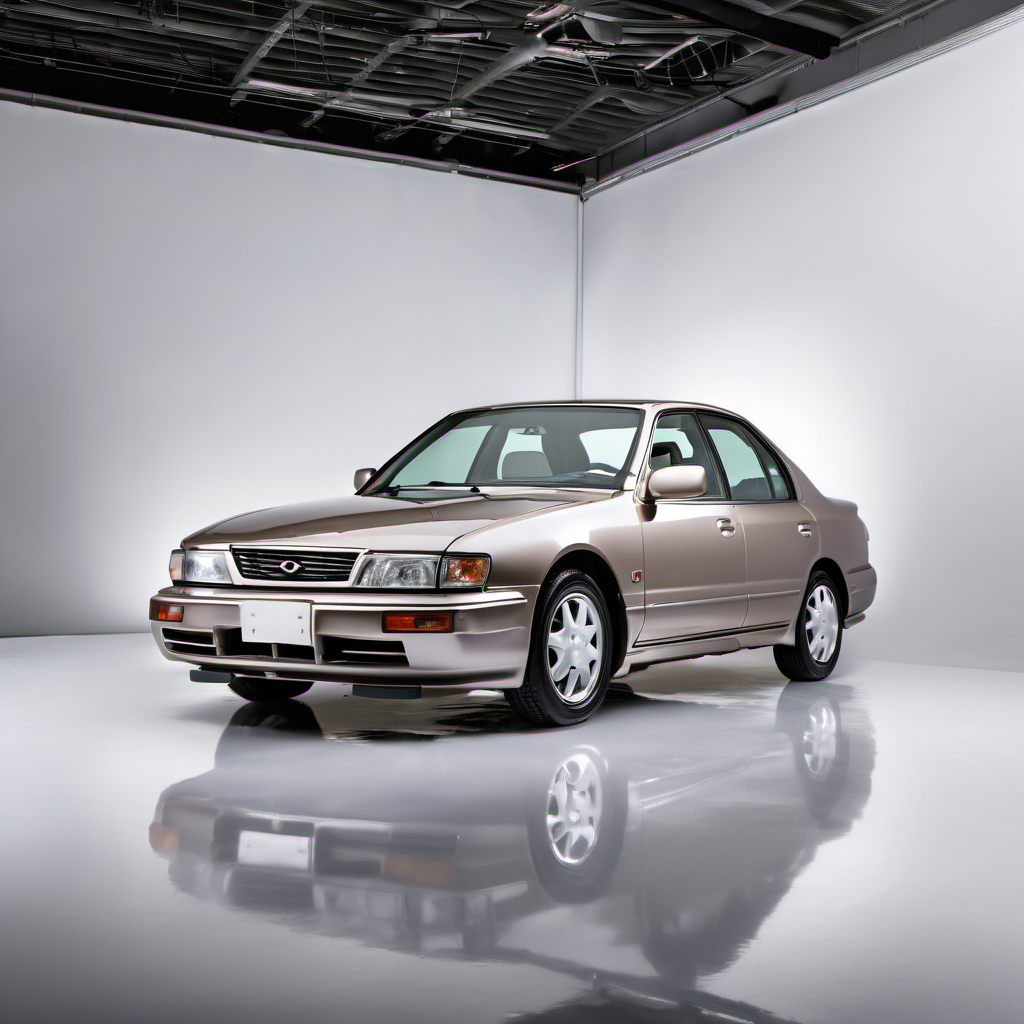
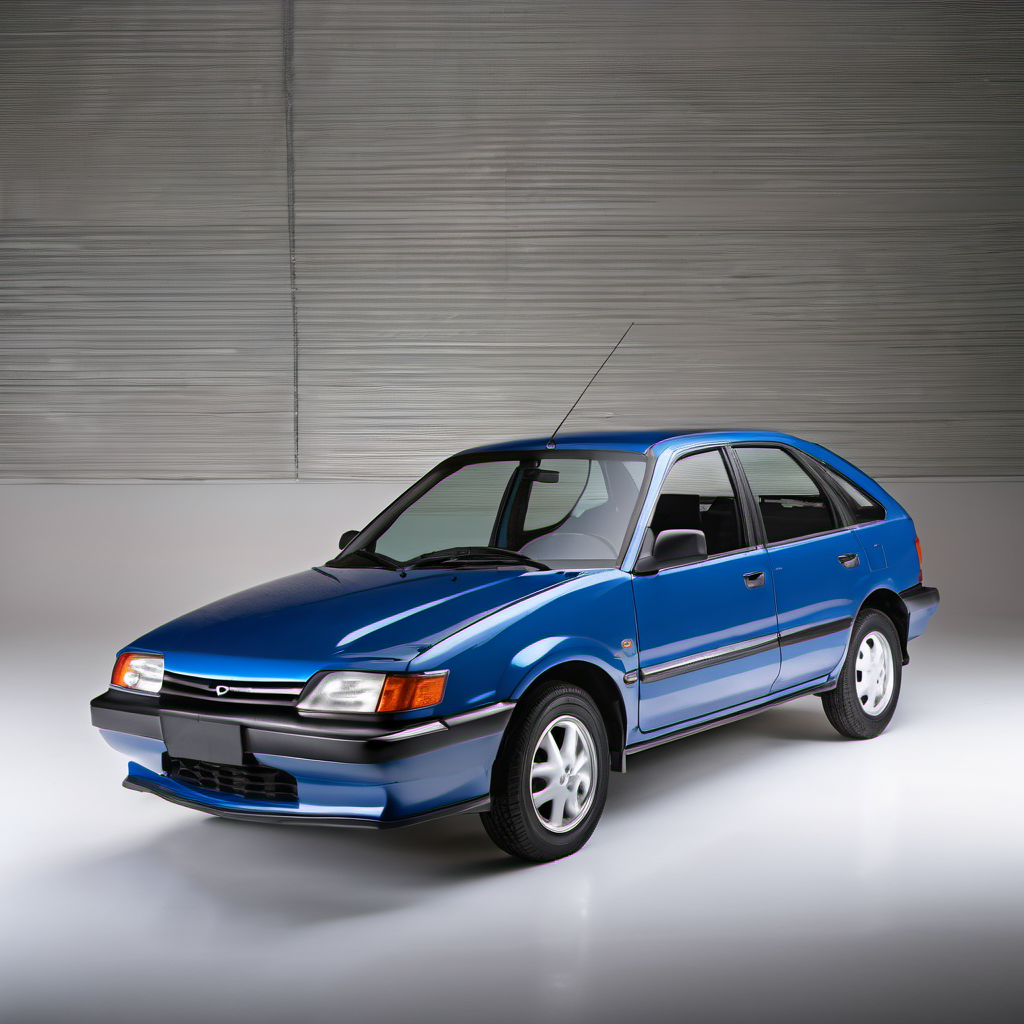
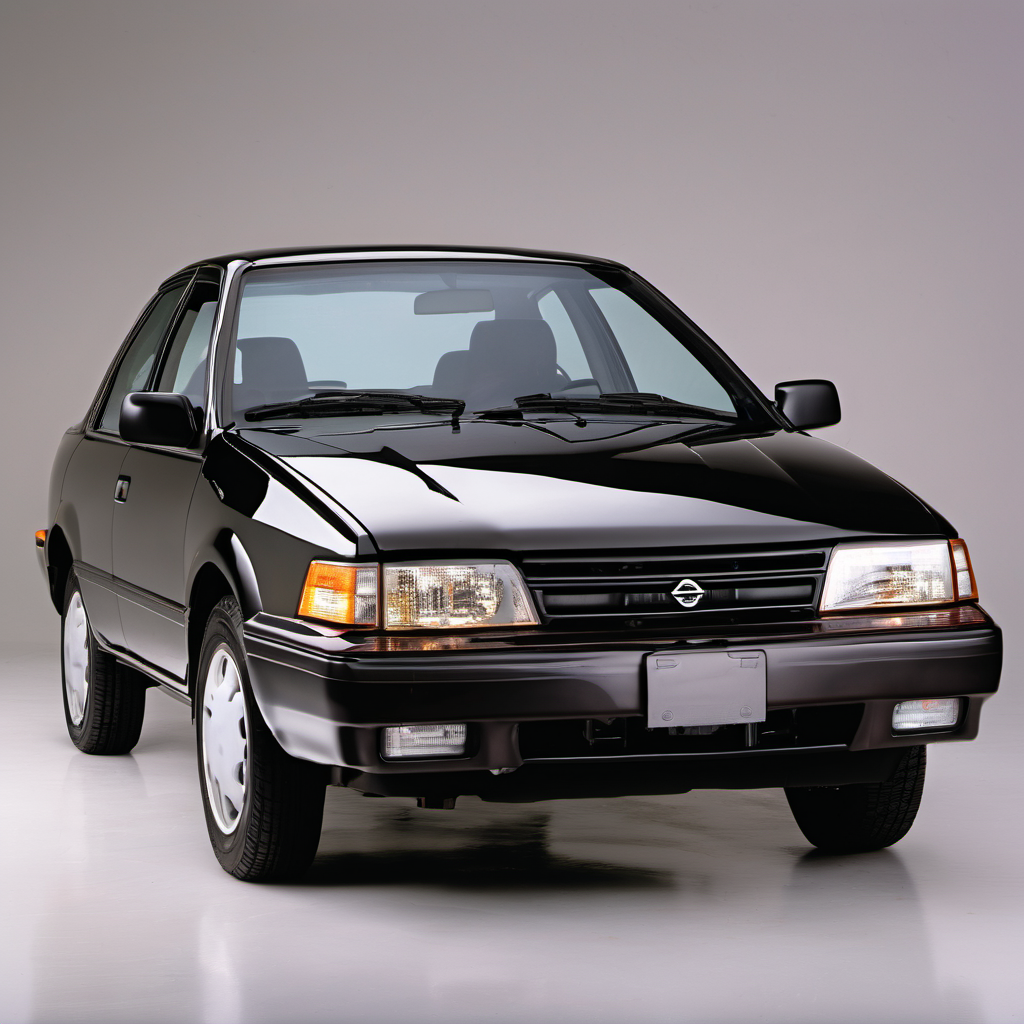
1992 INFINITI G Sedan

1992 INFINITI

GSedan

2.0L I4 SR20DE · Sedan

The 1992 Infiniti G20 is a compact luxury sedan built on Nissan's P10 platform — the same bones as the European Nissan Primera. It was Infiniti's entry-level offering at launch, aimed squarely at buyers who wanted European-flavored handling in a tidy, fuel-efficient package without the sticker shock of a larger luxury car. Power came from a 2.0L inline-four mated to a 5-speed manual or 4-speed automatic. The G20 was a niche hit with driving enthusiasts who appreciated its taut suspension tuning and precise steering, but it sold in modest numbers. Parts availability has thinned considerably over three decades, and rust from road salt is now the single biggest threat to surviving examples in the upper Midwest. What's left tends to be well-cared-for by dedicated owners. For a 1992 model, expect high mileage on most examples. The SR20DE engine is fundamentally sound and proven in countless Nissan applications, but age-related rubber, fuel system, and electrical issues are the norm — not the exception — at this point.

Reliability
3/5
Verified data
Engine
2.0L I4 SR20DE
Drivetrain
FWD
Fuel
Gasoline
MPG
24 city / 30 hwy / 26 combined
Seats
5
Doors
4
Body
Sedan
MSRP
$18,000

Overview

AI-curated

The 1992 Infiniti G20 is a compact luxury sedan built on Nissan's P10 platform — the same bones as the European Nissan Primera. It was Infiniti's entry-level offering at launch, aimed squarely at buyers who wanted European-flavored handling in a tidy, fuel-efficient package without the sticker shock of a larger luxury car. Power came from a 2.0L inline-four mated to a 5-speed manual or 4-speed automatic. The G20 was a niche hit with driving enthusiasts who appreciated its taut suspension tuning and precise steering, but it sold in modest numbers. Parts availability has thinned considerably over three decades, and rust from road salt is now the single biggest threat to surviving examples in the upper Midwest. What's left tends to be well-cared-for by dedicated owners. For a 1992 model, expect high mileage on most examples. The SR20DE engine is fundamentally sound and proven in countless Nissan applications, but age-related rubber, fuel system, and electrical issues are the norm — not the exception — at this point.

Known for
  • European-style handling and chassis tuning for its era
  • Proven Nissan SR20DE 2.0L engine shared with many other models
  • Comfortable, well-appointed interior for an early-1990s entry luxury sedan
  • Fuel efficiency well above most luxury-segment competitors
  • Modest footprint — easy to park and maneuver
Best for
  • Enthusiast buyers who want an affordable classic daily driver
  • Owners comfortable doing their own or independent-shop maintenance
  • City and suburban commuting where size and fuel economy matter
  • Collectors interested in early Infiniti brand history
Watch for
  • Heavy rust on underbody, subframes, and floor pans from Midwest salt exposure
  • Age-hardened rubber: engine mounts, bushings, fuel lines, and seals
  • Increasingly scarce OEM and quality aftermarket parts
  • Electrical gremlins from aging wiring harnesses and connectors
  • Deferred maintenance is common on 30+ year old vehicles at this price point

Common issues by mileage

6 known

Rust — underbody, subframe, and floor pan

high
Typically appears
All mileages on Midwest/salt-belt cars
Estimated repair
$500 – $4,000

Timing chain tensioner wear / timing chain noise on cold start

medium
Typically appears
80k–150k mi
Estimated repair
$400 – $900

Fuel injector clogging or O-ring failure

high
Typically appears
All mileages — worsened by age
Estimated repair
$150 – $500

Crankshaft and camshaft position sensor failure

medium
Typically appears
70k–130k mi
Estimated repair
$120 – $300

Distributor O-ring oil leak / distributor cap and rotor wear

high
Typically appears
60k+ mi on any aging example
Estimated repair
$80 – $250

Aging rubber: engine mounts, strut mounts, control arm bushings

high
Typically appears
All mileages given vehicle age
Estimated repair
$300 – $1,200

Maintenance schedule

  1. 1
    Every 4,000–5,000 miles or 6 months Engine oil and filter change

    The SR20DE tolerates neglect poorly at high mileage. More frequent changes flush acids and sludge that accelerate timing chain wear on aging engines.

  2. 2
    Every 2 years Coolant flush and hose inspection

    Original rubber hoses are 30+ years old. Coolant degrades and becomes acidic, attacking the aluminum head and water pump. Inspect every hose for cracking and softness.

  3. 3
    Every 30,000 miles or at purchase Fuel filter replacement

    Varnish buildup in aging tanks clogs injectors. A fresh filter at purchase is cheap insurance and often overdue.

  4. 4
    Every 2 years or at first sign of oil smell near distributor Distributor O-ring inspection and replacement

    A leaking O-ring lets oil seep into the distributor, causing misfires and ignition failure. It's a $10 part — replace it before it becomes a $300 repair.

  5. 5
    Inspect at 80k miles; replace if rattle present on cold start Timing chain and tensioner inspection

    The SR20DE uses a timing chain, not a belt — but the tensioner wears. A rattling chain on cold start is a warning sign that shouldn't be ignored.

  6. 6
    Annually, before and after winter Full underbody rust inspection

    Wisconsin road salt is aggressive. Catching surface rust early with treatment is far cheaper than subframe or floor pan repair.

  7. 7
    Every 2–3 years Brake fluid flush

    Brake fluid absorbs moisture over time, lowering the boiling point and corroding brake lines from the inside — a real concern on a 30-year-old car.

  8. 8
    Every 30,000 miles Spark plugs and ignition wires

    Old wires crack in cold weather, causing misfires exactly when you need reliable starts. Budget plugs and OEM-spec wires at the same time.

Always defer to the manufacturer's service manual for warranty-mandated intervals.

Cost of ownership

Annual maintenance
$600 – $2,000
Fuel
Moderate — 26 MPG combined on regular 87 octane makes this inexpensive to fuel even at today's prices.
Insurance
Generally low — classic/antique vehicle rates may apply given the 1992 model year; verify eligibility with your insurer.

A clean example with documented history can be a genuinely affordable car to own day-to-day — the engine is efficient, insurance is cheap, and it drinks regular fuel. The wildcard is deferred maintenance and rust repair on a 30+ year old vehicle. Budget $600–$1,000/year for routine upkeep on a well-maintained car; budget $1,500–$2,000+ if you're catching up on years of neglect or addressing rust. Parts sourcing is the hidden cost — some items require Nissan dealer ordering, specialty vendors, or used-parts hunting.
Seasonal care

Lake Geneva, WI
Winter
  • Rinse the undercarriage thoroughly every 1–2 weeks during salting season — existing rust accelerates rapidly with road salt exposure.
  • Test the battery before first hard freeze. A battery this old (if original or near-original age) will likely fail; cold cranking amps drop sharply below 20°F.
  • Switch to a full synthetic 5W-30 oil if not already used — critical for cold-morning startup protection on an aging engine.
  • Inspect and replace wiper blades with winter-rated blades; refill washer fluid with a -20°F or lower rated fluid appropriate for Wisconsin winters.
  • Check the coolant freeze protection with a tester — a 50/50 mix of fresh coolant protects to around -34°F, which is adequate for Lake Geneva.
  • Keep the fuel tank at least half full to reduce condensation in the tank and prevent fuel-line freeze on cold mornings.
Summer
  • Inspect the A/C system — R-12 refrigerant was factory spec on this 1992 vehicle. If it hasn't been converted to R-134a, a recharge requires a certified technician and R-12 sourcing; budget accordingly.
  • Check tire pressure monthly — tires gain roughly 1 PSI for every 10°F rise in temperature and are often overinflated in summer heat.
  • Watch for coolant temperature gauge creeping up in stop-and-go traffic; the cooling system on aging cars loses efficiency as hoses soften and water pumps wear.
  • Inspect rubber belts and hoses for heat cracking — summer heat accelerates degradation of already-aged rubber on this 30-year-old vehicle.

Comparable vehicles

If you're shopping for one

Red flags
  • Any visible rust bubbling on rockers, quarter panels, or around the rear wheel arches — treat as structural until proven otherwise.
  • Blue or white smoke on startup indicating oil burning or coolant consumption — head gasket and valve seal repairs are expensive on aging aluminum heads.
  • Timing chain rattle on cold start — the engine needs immediate attention before chain failure causes serious internal damage.
  • A/C blowing warm with no explanation — R-12 systems that haven't been maintained or converted are an added ownership cost.
  • Spongy or pulsing brake pedal — brake lines and calipers on a 30-year-old Wisconsin car are a safety concern until inspected.
  • VIN mismatch on door jamb sticker vs. dashboard — verify it hasn't been rebuilt from a salvage title.
What to inspect
  • Put the car on a lift and inspect the entire undercarriage — subframe mounting points, floor pans, rocker panels, and brake lines for rust perforation.
  • Cold-start the engine and listen for timing chain rattle in the first 10–30 seconds; any metallic rattling is a red flag.
  • Check for oil seeping around the distributor base — a common and often ignored leak on this engine.
  • Verify the A/C system — ask whether it has been converted from R-12 to R-134a; if not, budget $300–$600 for a proper retrofit.
  • Inspect all rubber: engine mounts (excessive engine movement), control arm bushings (clunking over bumps), and coolant hoses (squeezing them should feel firm, not mushy).
  • Request a full maintenance history. Absence of records on a 30-year-old car is itself a red flag.
AI profile generated 4 days ago · claude-sonnet-4-6 · v2.