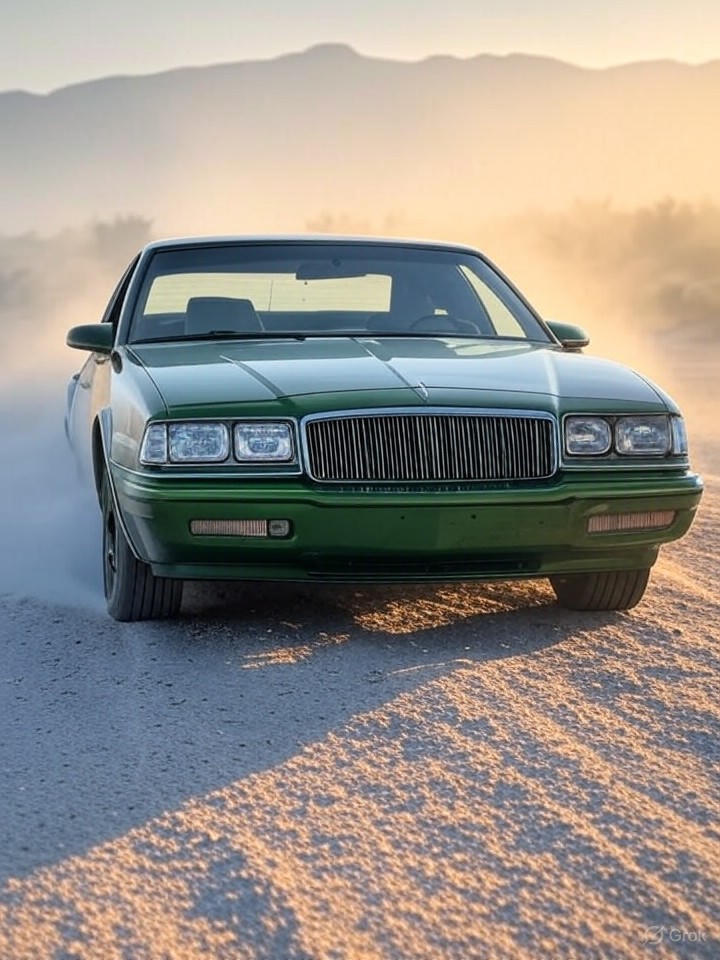
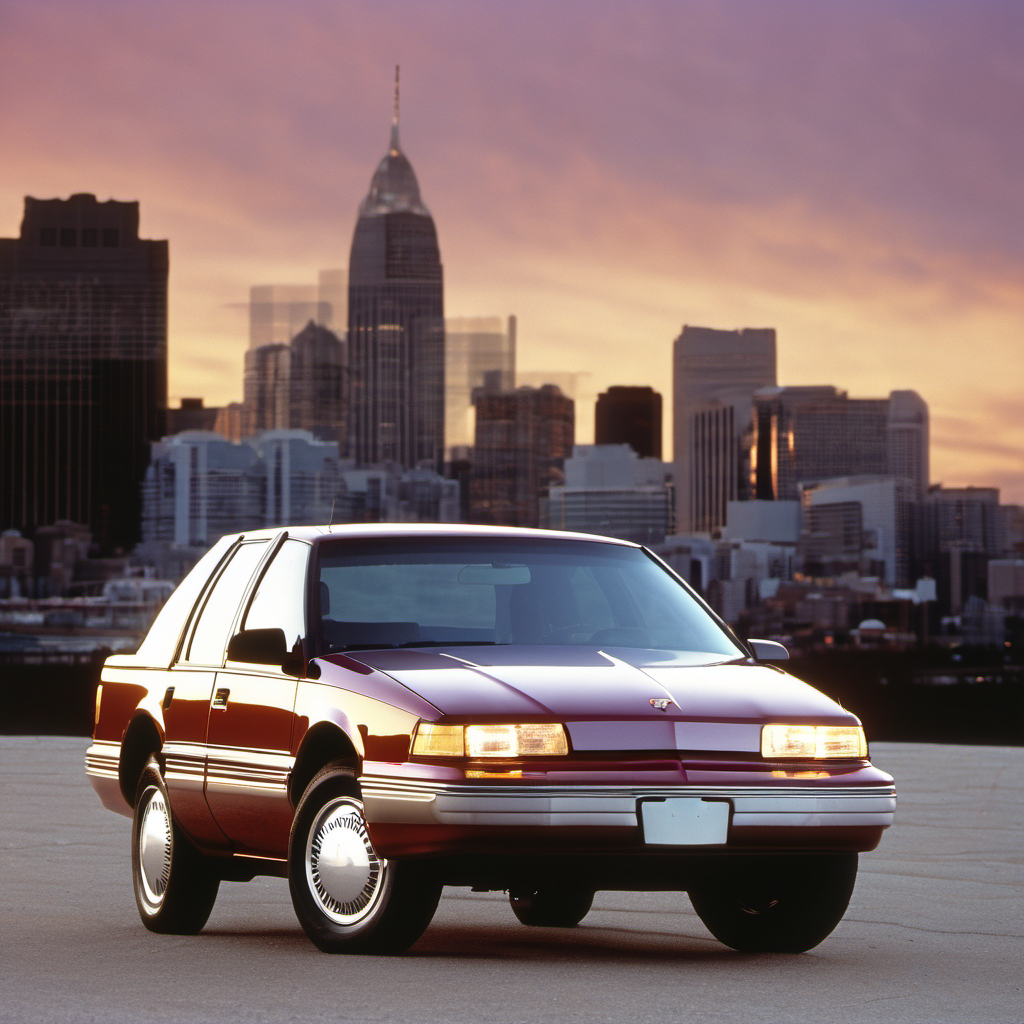
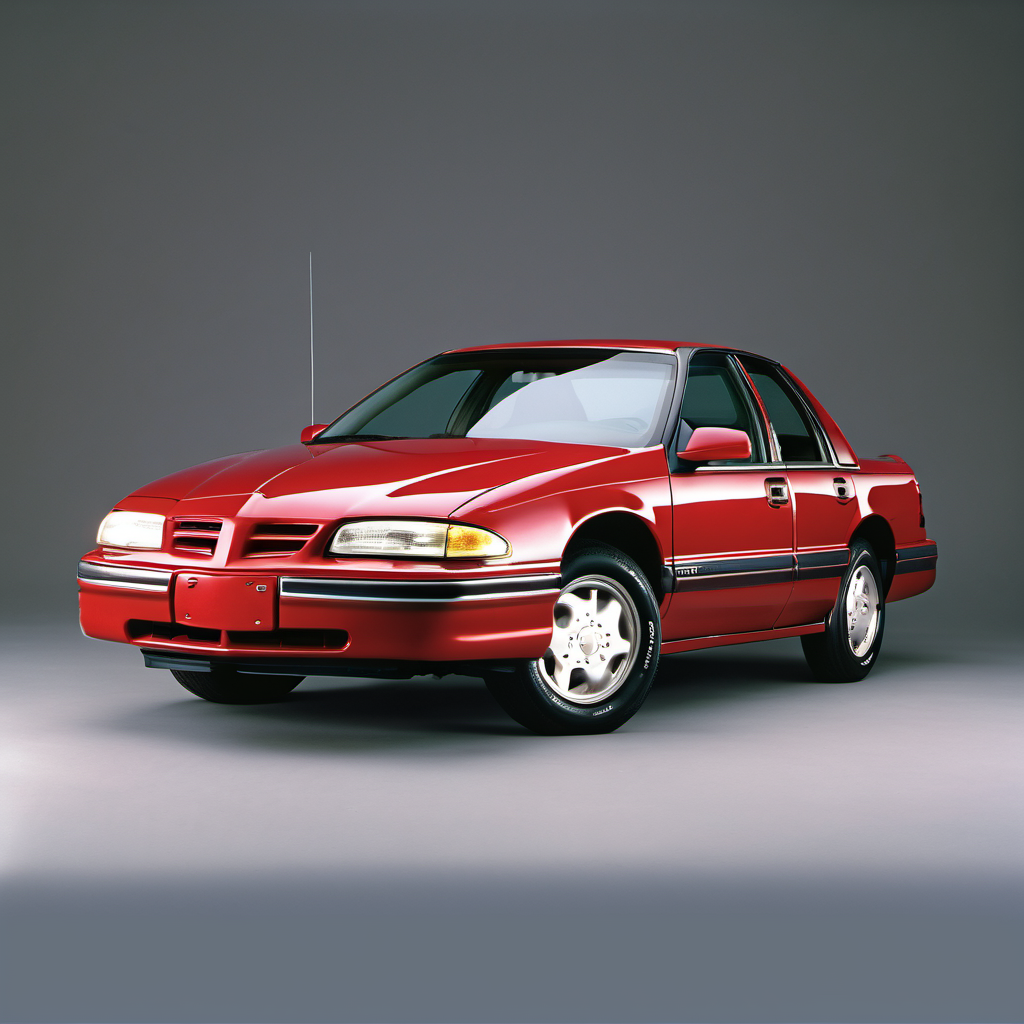
1992 Buick Skylark Sedan

1992 Buick

SkylarkSedan

Sedan

The 1992 Buick Skylark is a front-wheel-drive compact sedan built on GM's N-body platform, shared with the Oldsmobile Achieva and Pontiac Grand Am. It was positioned as an entry-level Buick — more refined than its Pontiac cousin but still budget-friendly. For its era it offered a comfortable ride and decent fuel economy, but it was never a performance car and its long-term durability is modest by today's standards. By 2025 most surviving examples are well past 150k miles and have aged mechanically. Common failure points stem from the GM 2.3L Quad-4 engine's finicky nature and the general wear expected on a 30+ year old economy car. Parts availability has thinned noticeably as the Skylark has faded from the mainstream market. This is a car for budget-conscious buyers who need basic transportation and are comfortable wrenching or have a trusted shop. It is not a long-term investment vehicle, and thorough pre-purchase inspection is essential.

Reliability
2/5
Verified data
Specs shown for Skylark — the most common configuration. Other trims may vary in engine, drivetrain, or fuel economy. Sign in to see your vehicle's exact specs.
Engine
[object Object]
Drivetrain
FWD
Fuel
Gasoline
MPG
20 city / 29 hwy / 23 combined
Seats
Doors
Body
Compact Cars

Overview

AI-curated

The 1992 Buick Skylark is a front-wheel-drive compact sedan built on GM's N-body platform, shared with the Oldsmobile Achieva and Pontiac Grand Am. It was positioned as an entry-level Buick — more refined than its Pontiac cousin but still budget-friendly. For its era it offered a comfortable ride and decent fuel economy, but it was never a performance car and its long-term durability is modest by today's standards. By 2025 most surviving examples are well past 150k miles and have aged mechanically. Common failure points stem from the GM 2.3L Quad-4 engine's finicky nature and the general wear expected on a 30+ year old economy car. Parts availability has thinned noticeably as the Skylark has faded from the mainstream market. This is a car for budget-conscious buyers who need basic transportation and are comfortable wrenching or have a trusted shop. It is not a long-term investment vehicle, and thorough pre-purchase inspection is essential.

Known for
  • Smooth, compliant ride for a compact — typical Buick softness
  • Decent highway fuel economy from the 2.3L four-cylinder
  • Simple FWD layout that keeps most repairs accessible
  • Interior comfort above Pontiac Grand Am equivalents of the same era
Best for
  • Budget-conscious buyers needing inexpensive basic transportation
  • Short urban and suburban commutes
  • Mechanically inclined owners comfortable doing their own work
  • Collectors interested in early-90s GM N-body history
Watch for
  • GM 2.3L Quad-4 engine: head gasket failures and intake manifold leaks are well-documented
  • 30+ years of potential deferred maintenance — service history is critical
  • Rust: Wisconsin road salt is brutal on these unibody cars; check subframes and floor pans
  • Cooling system neglect leads to expensive overheating damage on the Quad-4
  • Electrical gremlins typical of early-90s GM: grounds, PROM issues, idle surges

Common issues by mileage

6 known

Head Gasket Failure (2.3L Quad-4)

high
Typically appears
80–150k mi
Estimated repair
$900 – $1,600

Intake Manifold Gasket Leak / Coolant Consumption

high
Typically appears
70–130k mi
Estimated repair
$400 – $800

Cooling System Failure (water pump, thermostat, radiator)

high
Typically appears
60–120k mi
Estimated repair
$200 – $600

Oxygen Sensor Failure / Heater Circuit Fault

medium
Typically appears
60–100k mi
Estimated repair
$100 – $250

Strut and Suspension Wear (front struts, tie rod ends, ball joints)

high
Typically appears
80–150k mi
Estimated repair
$300 – $700

Electrical Gremlins (idle surge, grounds, PROM/ECM faults)

medium
Typically appears
Any mileage on a 30+ year old example
Estimated repair
$100 – $500

Maintenance schedule

  1. 1
    Every 2 years / 30k mi — or immediately on any unknown-history car Engine coolant flush and full cooling system inspection

    The Quad-4 is extremely sensitive to cooling system neglect. Old coolant turns acidic and attacks the head gasket and water pump seal. This is the single most important preventive step on this engine.

  2. 2
    Every 3,000–5,000 mi Oil and filter change with correct viscosity

    The 2.3L Quad-4 has tight tolerances. Use the weight specified in the owner's manual (typically 5W-30). Extended drain intervals on a 30-year-old engine increase sludge risk.

  3. 3
    Every 60k mi or at first signs of cracking/glazing Inspect and replace serpentine belt and tensioner

    Belt failure on this engine leaves you stranded. Tensioners wear and lose spring pressure with age — replace both together.

  4. 4
    Every 30k mi Spark plugs and plug wires

    Original-style copper plugs were used; worn plugs and cracked wires cause misfires and rough cold starts, which are common complaints on aging Quad-4s.

  5. 5
    Every 2–3 years Brake fluid flush

    Brake fluid absorbs moisture over time. On a car this old, the fluid is almost certainly overdue and can cause soft pedal and caliper corrosion.

  6. 6
    Annually, or any time you notice pulling, clunking, or uneven tire wear Front strut and suspension inspection

    Wisconsin roads are rough. Worn struts accelerate tire wear and compromise handling safety. On a 30-year-old car these components are almost certainly due.

  7. 7
    Every spring after winter Undercarriage rust inspection (subframe, brake lines, fuel lines)

    Lake Geneva roads are salted heavily. Brake and fuel lines on cars this age can rust through — a safety-critical failure that costs little to catch early and a lot to ignore.

  8. 8
    Every 30k mi Transmission fluid and filter service (3-speed automatic)

    The 3T40 automatic is generally durable, but burnt fluid accelerates clutch wear. Service is inexpensive and extends transmission life significantly.

Always defer to the manufacturer's service manual for warranty-mandated intervals.

Cost of ownership

Annual maintenance
$600 – $1,800
Fuel
At 23 MPG combined and ~12,000 mi/year, expect roughly $1,400–$1,700/year in fuel at current Wisconsin prices.
Insurance
Liability-only coverage is typical on a car of this value; expect $400–$700/year depending on driver profile.

The Skylark is cheap to insure and reasonably economical on fuel, but its age means parts sourcing can add time and cost to repairs. A major repair like a head gasket job ($900–$1,600) can easily exceed the car's market value. Budget for at least one significant repair per year if the car has high mileage or unknown history. Annual maintenance on a well-kept, low-mileage example can stay near the low end; a neglected car can blow past the high end quickly.
Seasonal care

Lake Geneva, WI
Winter
  • Test and replace the battery before first hard freeze — cold-cranking amps drop sharply below 20°F and the Quad-4's tight tolerances demand a strong start.
  • Switch to a winter-grade washer fluid rated to at least -20°F; Lake Geneva winters regularly push into that range.
  • Inspect rubber brake lines and steel brake/fuel lines under the car each fall — road salt accelerates rust-through on lines this age.
  • Check antifreeze concentration with a tester; the cooling system on the Quad-4 must be at proper strength (typically -34°F or better) to avoid freeze damage.
  • Apply a light coat of fluid film or rust inhibitor to underbody and wheel wells before the salt season starts.
  • Replace wiper blades with winter-rated blades; the original-style arms can struggle with heavy snow accumulation.
Summer
  • Inspect the cooling system before summer — thermostat, hoses, and coolant level. The Quad-4 will overheat quickly if the system is marginal and it is running hot in traffic.
  • Check tire pressure monthly; hot pavement causes pressure to rise 4–6 PSI above a cold morning reading, and over-inflation accelerates center tread wear.
  • Inspect the A/C system for refrigerant leaks and proper operation — the system uses R-134a on this model year, and re-charging an old system that's been leaking for years requires a leak fix first.
  • Check the serpentine belt for heat cracking; belts on 30-year-old cars are prone to sudden failure in summer heat.

Comparable vehicles

If you're shopping for one

Red flags
  • Any visible rust perforation on the floor pan, subframe, or rocker panels — walk away.
  • Coolant level low with no obvious external leak — strongly suggests internal consumption (head gasket).
  • Overheating history: even one serious overheat can warp the Quad-4 head, leading to chronic problems.
  • Recent cheap repaint over body panels near the rockers or wheel arches — often hides rust.
  • No service records whatsoever on a 30+ year old car with over 100k miles.
  • Engine oil that looks gray, milky, or smells of coolant.
What to inspect
  • Pull the oil cap and check for milky/frothy residue — a classic sign of head gasket failure letting coolant into the oil on the Quad-4.
  • Warm the engine fully and check for white exhaust smoke, which indicates coolant burning — another head gasket red flag.
  • Inspect the floor pans from inside and under the car; poke any soft or bubbling carpet. Rust-through here is structural and expensive.
  • Check the subframe mounts and front cradle for rust perforation — a Wisconsin-specific problem on N-body cars.
  • Test the cooling fan operation and verify the temperature gauge stays in the normal range during a 15-minute drive.
  • Listen for rod knock or ticking at startup, which on a 30-year-old engine can indicate oil starvation damage.
  • Verify brake pedal feel is firm; soft or spongy pedal on a car this age often means deteriorated rubber lines or a leaking master cylinder.
  • Get a pre-purchase inspection from a trusted shop — at this age and price point, skipping it is a gamble.
AI profile generated 1 hr ago · claude-sonnet-4-6 · v2.