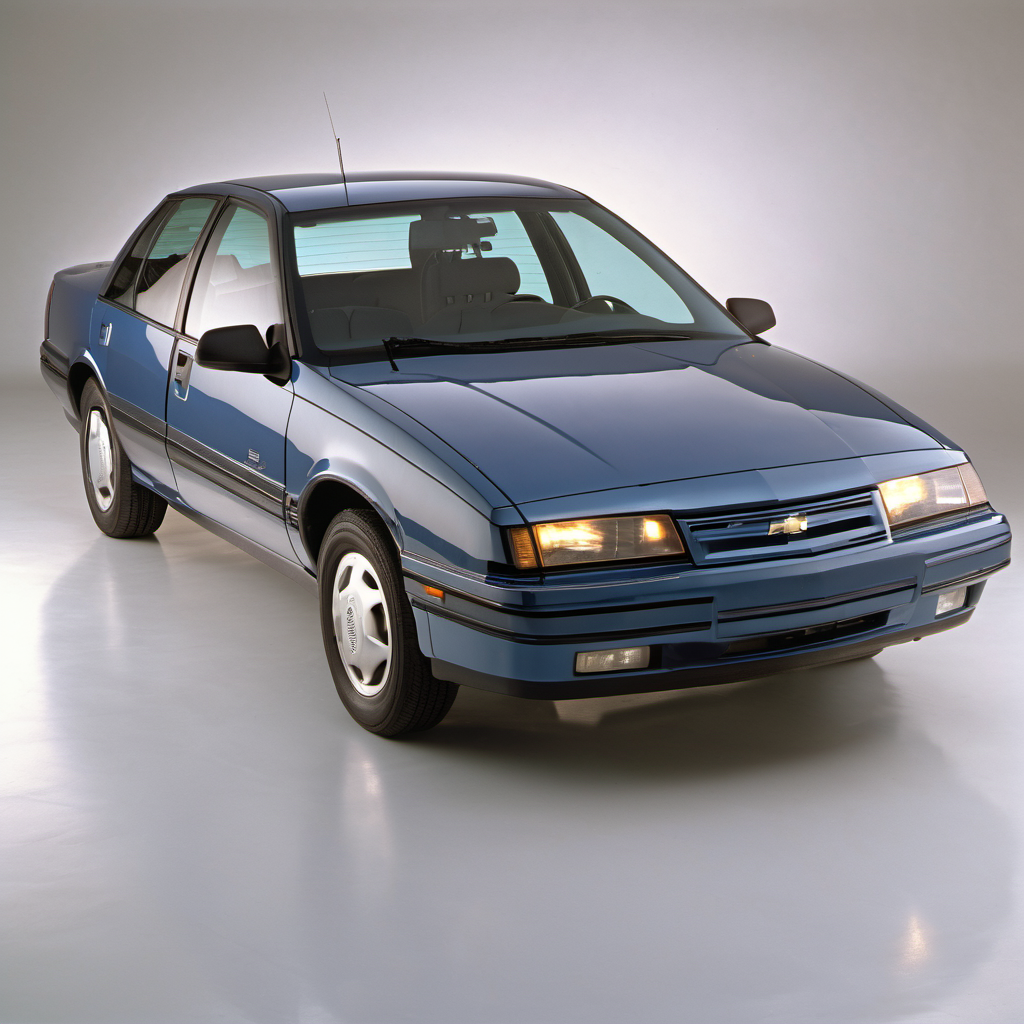
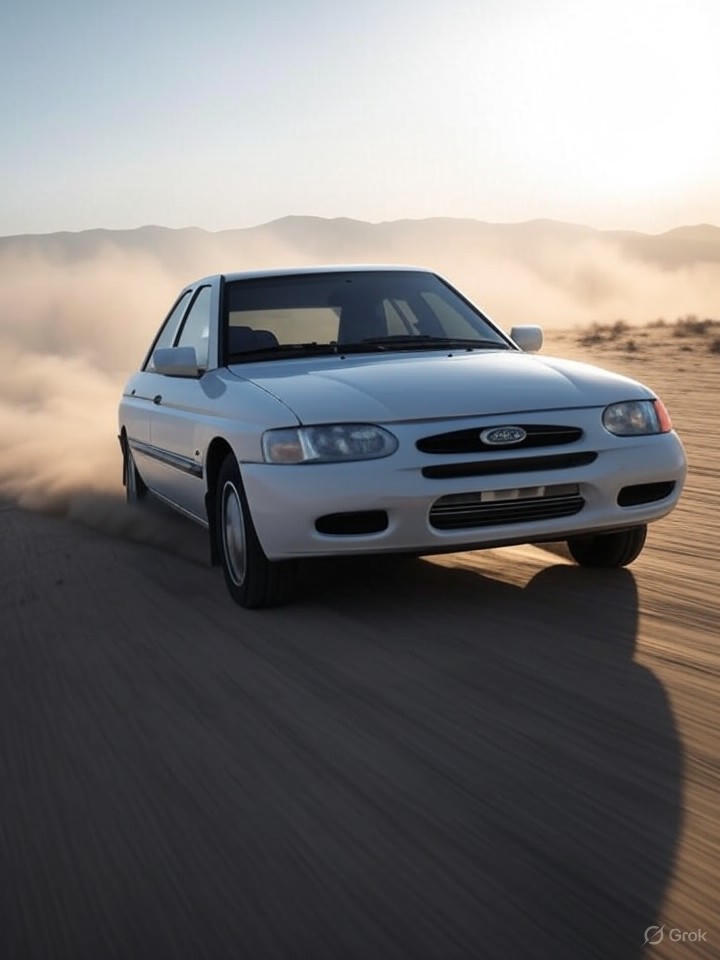
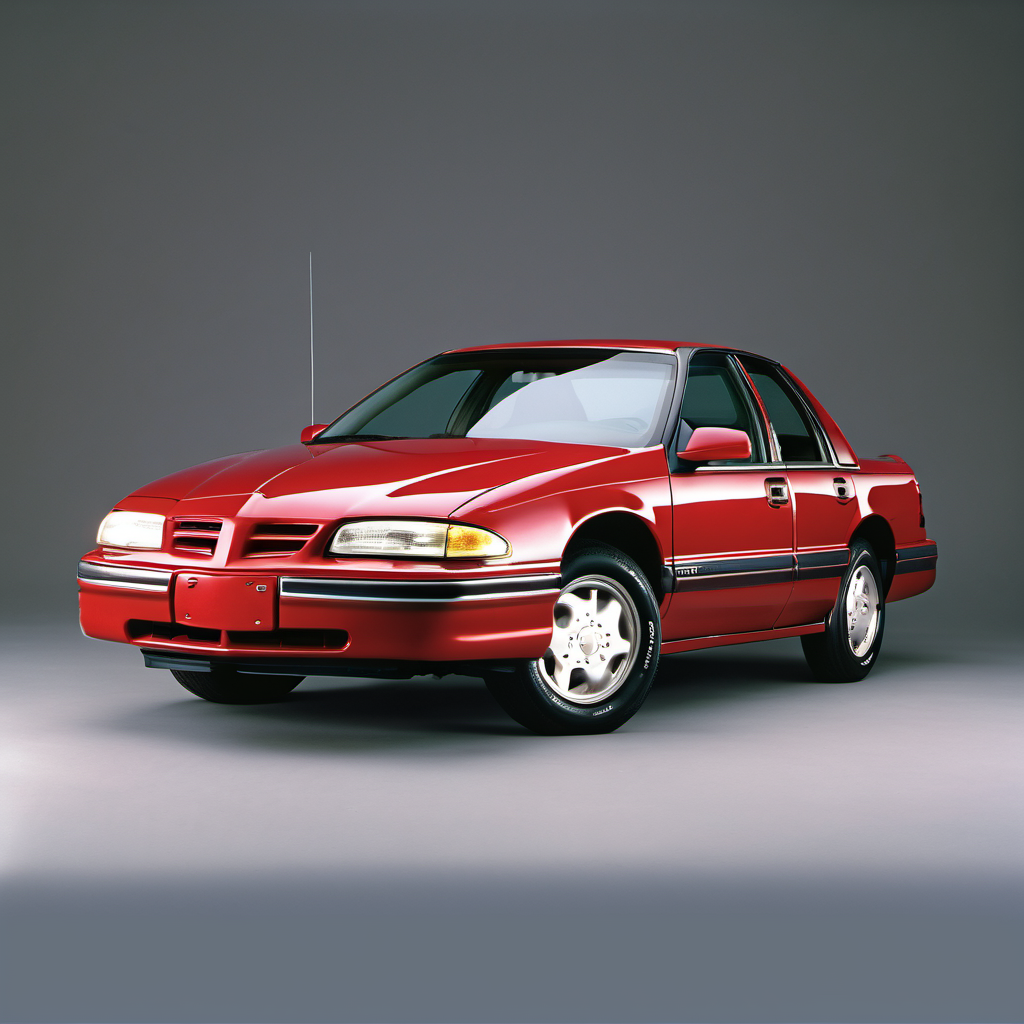
1992 Chevrolet Corsica Sedan

1992 Chevrolet

CorsicaSedan

Sedan

The 1992 Chevrolet Corsica is a front-wheel-drive compact sedan built on GM's L-body platform, sold alongside its hatchback sibling, the Beretta. It was designed as an affordable, practical commuter and was one of Chevrolet's better-selling compact cars of the early '90s. The standard engine that year is the 2.2L OHV four-cylinder — a simple, iron-block unit that earned a reputation for durability when maintained but was never known for power or refinement. By 2025, any surviving Corsica is over 30 years old and well past its designed service life. Parts availability is narrowing, and most examples carry significant rust and deferred maintenance. This is not a vehicle to buy as reliable daily transportation — it's a project car or a nostalgia buy at this point. If you already own one, the key is staying ahead of cooling system failures, rust on the undercarriage, and aged rubber throughout the car. The 2.2L can run a long time on basic care, but the supporting systems around it — hoses, seals, wheel bearings, fuel lines — are all at end-of-life on any unmolested example.

Reliability
2/5
Verified data
Specs shown for Corsica — the most common configuration. Other trims may vary in engine, drivetrain, or fuel economy. Sign in to see your vehicle's exact specs.
Engine
[object Object]
Drivetrain
FWD
Fuel
Gasoline
MPG
21 city / 29 hwy / 24 combined
Seats
Doors
Body
Compact Cars

Overview

AI-curated

The 1992 Chevrolet Corsica is a front-wheel-drive compact sedan built on GM's L-body platform, sold alongside its hatchback sibling, the Beretta. It was designed as an affordable, practical commuter and was one of Chevrolet's better-selling compact cars of the early '90s. The standard engine that year is the 2.2L OHV four-cylinder — a simple, iron-block unit that earned a reputation for durability when maintained but was never known for power or refinement. By 2025, any surviving Corsica is over 30 years old and well past its designed service life. Parts availability is narrowing, and most examples carry significant rust and deferred maintenance. This is not a vehicle to buy as reliable daily transportation — it's a project car or a nostalgia buy at this point. If you already own one, the key is staying ahead of cooling system failures, rust on the undercarriage, and aged rubber throughout the car. The 2.2L can run a long time on basic care, but the supporting systems around it — hoses, seals, wheel bearings, fuel lines — are all at end-of-life on any unmolested example.

Known for
  • Affordable, no-frills compact commuter from the early 1990s
  • Simple 2.2L OHV four-cylinder — easy to work on, widely understood by mechanics
  • Decent fuel economy for its era
  • Front-wheel drive with predictable handling
  • High production volume means most mechanics have seen one
Best for
  • Budget-conscious owners comfortable with DIY maintenance
  • Classic/vintage GM enthusiasts
  • Short-distance around-town errands on a tight budget
  • Owners who want a simple, carbureted-era-style engine (though it is fuel-injected)
Watch for
  • Pervasive rust on rockers, floor pans, and subframe — critical in Wisconsin
  • Cooling system components are 30+ years old and failure-prone
  • Aged fuel lines and rubber hoses that can crack or leak
  • Electrical gremlins from aging wiring harnesses and connectors
  • Dwindling OEM and quality aftermarket parts availability

Common issues by mileage

6 known

Cooling system failure — hoses, thermostat, and water pump

high
Typically appears
Any mileage on a 30+ year-old example
Estimated repair
$150 – $600

Lower intake manifold gasket leak (coolant and/or oil)

high
Typically appears
80k–150k mi
Estimated repair
$300 – $650

Rust perforation — rocker panels, floor pans, rear wheel wells, subframe

high
Typically appears
Any mileage; age-driven in Wisconsin
Estimated repair
$500 – $3,000

Throttle body fuel injector (TBI) dirty or failing — rough idle, hard start

medium
Typically appears
60k–120k mi
Estimated repair
$80 – $250

Front wheel bearings worn — humming noise, handling vagueness

medium
Typically appears
80k+ mi
Estimated repair
$150 – $350

Aged wiring harness — cracked insulation, poor grounds, intermittent electrical faults

medium
Typically appears
Any mileage; age-driven
Estimated repair
$100 – $800

Maintenance schedule

  1. 1
    Immediately on any newly acquired example; every 2 years thereafter Full cooling system flush and component inspection

    Factory hoses, radiator, and water pump are 30+ years old. A cooling system failure on a 2.2L can quickly lead to a warped head — the most expensive repair on this engine. Replace hoses, thermostat, and coolant as a set.

  2. 2
    Every 3,000–5,000 miles Oil and filter change with inspection of valve cover and intake gaskets

    The 2.2L OHV rewards frequent oil changes. Older gaskets seep over time; catching a small leak early avoids a costly repair later.

  3. 3
    Every 15,000–20,000 miles or annually Fuel filter replacement

    Aged fuel tanks can shed sediment. A clogged filter starves the TBI unit and stresses the fuel pump.

  4. 4
    Inspect annually; replace any cracked or hardened sections immediately Inspect and replace fuel lines and rubber fuel hoses

    30-year-old rubber fuel lines are a fire hazard. This is non-negotiable on any example this age.

  5. 5
    Every fall before winter Battery and charging system test

    Wisconsin winters are brutal on batteries. A battery over 4 years old should be replaced proactively. Test the alternator output at the same time.

  6. 6
    Every 2 years Brake fluid flush

    Brake fluid absorbs moisture over time, lowering its boiling point and accelerating internal corrosion in calipers and wheel cylinders — a real concern on an aged vehicle.

  7. 7
    Every fall Undercarriage rust inspection and treatment

    Wisconsin road salt accelerates rust on the subframe, brake lines, and fuel lines. Treat bare metal with rust inhibitor each fall. Compromised brake or fuel lines are a safety emergency.

  8. 8
    Every 30,000 miles Spark plugs and ignition wires

    Original-spec ignition wires on a 30-year-old car are almost certainly deteriorated. Fresh plugs and wires improve cold-start reliability and fuel economy.

Always defer to the manufacturer's service manual for warranty-mandated intervals.

Cost of ownership

Annual maintenance
$400 – $1,200
Fuel
At 24 MPG combined and typical Wisconsin driving, expect roughly $1,200–$1,600/year in fuel at current prices. Simple math, no surprises.
Insurance
Liability-only insurance on a vehicle this age and value is typically $400–$700/year in Wisconsin. Comprehensive/collision is rarely cost-justified given the car's market value.

On paper this is a cheap car to own — low insurance, decent fuel economy, simple mechanicals. The wildcard is that deferred maintenance catches up fast on a 30-year-old vehicle. Budget for at least one significant repair per year (cooling system, brakes, exhaust, etc.). If the undercarriage is heavily rusted, repair costs can quickly exceed the car's market value.
Seasonal care

Lake Geneva, WI
Winter
  • Test and replace the battery every 3–4 years. Sub-zero temps in Lake Geneva can kill a marginal battery overnight — don't wait for it to fail.
  • Switch to a full-synthetic 5W-30 oil before temperatures drop below 20°F to improve cold cranking and protect the engine on startup.
  • Inspect brake lines and fuel lines for rust perforation before winter. Road salt attacks bare metal fast; a leaking brake line in January is dangerous.
  • Fill the washer fluid reservoir with a rated -20°F or lower fluid. The Corsica's wiper system is basic — keep it working. Do not use water.
  • Inspect coolant freeze protection with a tester. The coolant should protect to at least -34°F for Wisconsin winters. A 30-year-old cooling system may have diluted or degraded coolant.
  • Check that the heater core and blower motor are functioning. A failed heater core will fog the windshield and leave you without defrost — a serious safety issue in winter driving.
Summer
  • Inspect the A/C system — R-12 refrigerant (original spec) is no longer legally available in bulk. If the A/C is inoperative, a shop can retrofit the system to R-134a, but budget $300–$600 for the conversion and recharge.
  • Check tire pressure monthly. Heat causes pressure to rise; over-inflated tires reduce traction and wear unevenly. Use the door-placard spec, not the tire sidewall max.
  • Inspect the cooling system for any signs of weeping hoses or a seeping water pump before summer road trips. Heat soak in traffic will push a marginal cooling system over the edge.
  • Check engine oil level more frequently in summer heat — the 2.2L can consume small amounts of oil, and running low in high temps accelerates wear.

Comparable vehicles

If you're shopping for one

Red flags
  • Any perforation rust on the floor pan or subframe — structural safety concern, repair cost likely exceeds value
  • Milky oil or sweet-smelling exhaust — coolant in the engine means a costly repair is already underway
  • Visible fuel line rust or fuel smell anywhere under the hood or chassis — fire hazard, walk away
  • Non-functional brakes, spongy pedal, or visible brake line corrosion
  • Asking price above $2,500 for any example without documented recent restoration — the market doesn't support it
What to inspect
  • Crawl under the car and inspect the subframe, floor pan seams, rocker panels, and fuel/brake lines for rust perforation — this is the #1 deal-breaker on any Wisconsin example
  • Check the coolant for oil contamination (milky appearance) and the oil for coolant (tan/frothy) — signs of a blown head gasket or failed intake gasket
  • Start the engine cold and listen for ticking (valve train wear), rough idle, or excessive smoke on startup
  • Test the A/C — if it's inoperative, factor in the R-12 to R-134a retrofit cost
  • Check all rubber: coolant hoses, vacuum lines, and visible fuel hoses for cracking or hardening
  • Look for evidence of wiring tape repairs or spliced harnesses under the hood and under the dash — sign of prior electrical problems
AI profile generated 24 days ago · claude-sonnet-4-6 · v2.